Introduction
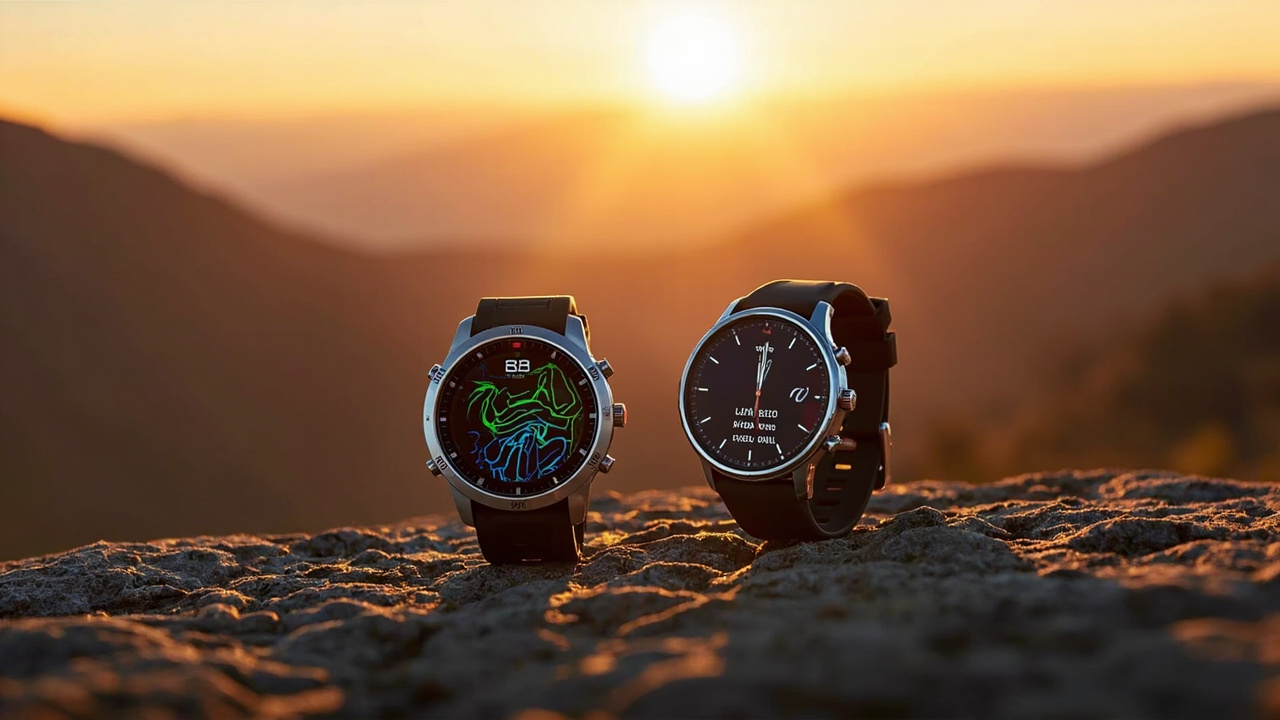
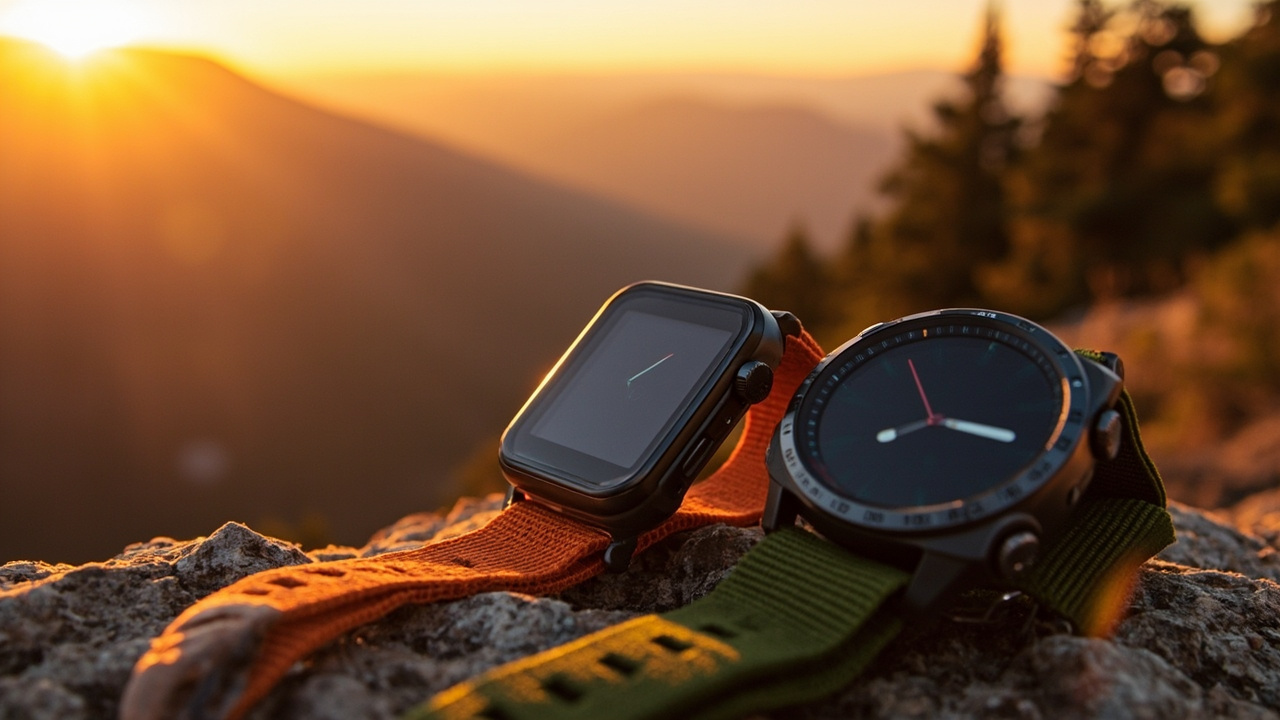
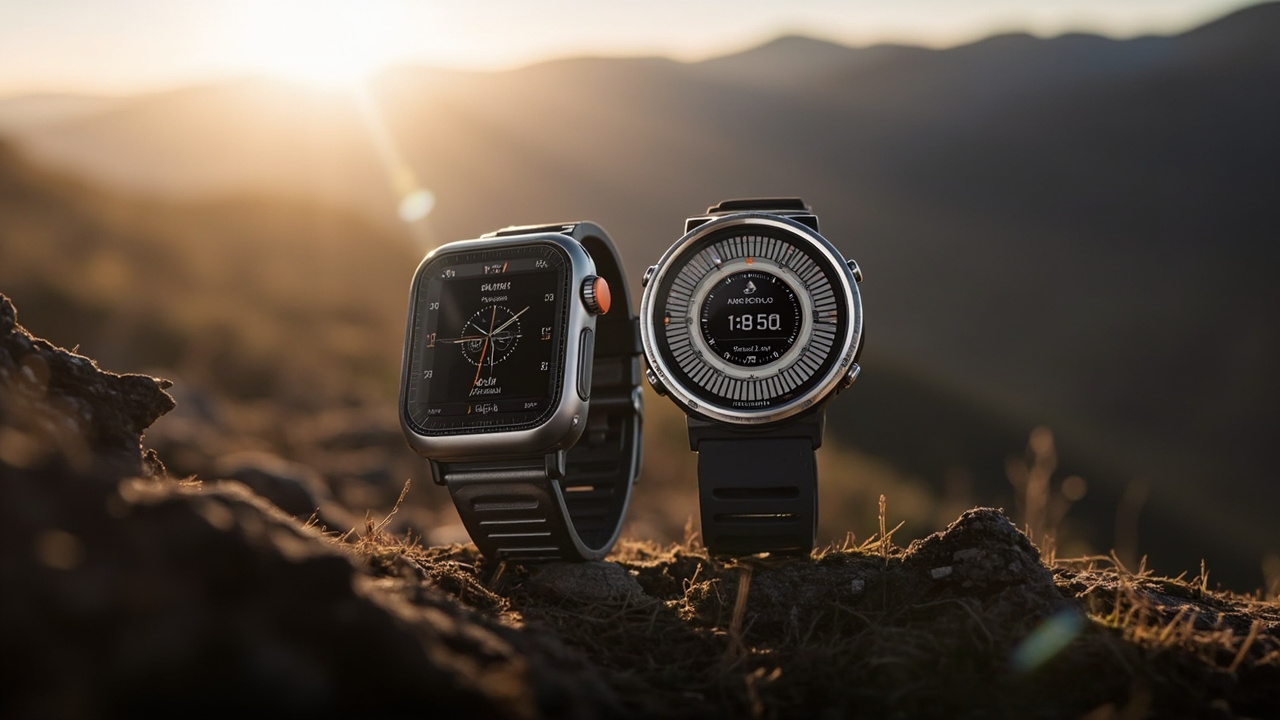
Both the Apple Watch Ultra 3 ($799) and the Suunto Vertical 2 Titanium ($699) sit at the top of the adventure-watch market. They are both 49 mm-class titanium wearables with multi-day battery claims, dual-frequency GPS, and dive-grade water resistance. So why do they cost almost the same and feel so different in the hand?
The short version: Apple Watch Ultra 3 is a smartwatch that can go outside. The Suunto Vertical 2 is an outdoor computer that can connect to a phone. That single difference drives almost every other decision — battery, mapping, music, payments, and repair cost.
If you live in the Apple ecosystem and your “adventure” is a weekend hike plus a 10K run, the Ultra 3 will reward you. If you are chasing FKTs, multi-day treks, or you just want a watch that can survive a backpacking trip without nightly charging, the Suunto Vertical 2 is the better tool.
The Verdict First
Pick the Apple Watch Ultra 3 if you want a polished, full-featured smartwatch with the best third-party app ecosystem, on-wrist Apple Pay, and the brightest display in this class. It is the right choice for most iPhone owners.
Pick the Suunto Vertical 2 Titanium if you are a serious outdoor athlete, a multi-day hiker, or someone who does not want to bring a charger on a 3-day trip. It is built like a piece of gear, not a piece of jewelry.
There is no single “winner” — the right answer depends on what fraction of your week is spent outside versus at a desk.
Key Comparison Points
Price vs Real Cost Per Use
| Cost dimension | Apple Watch Ultra 3 | Suunto Vertical 2 Titanium |
|---|---|---|
| MSRP (USD) | $799 | $699 |
| Watch band included | Ocean Band (~$49 standalone) | Suunto silicone strap |
| AppleCare+ / Suunto coverage | $79–149 / 2 yrs (varies) | Standard 2-yr warranty |
| Strap ecosystem | $30–250 per band | $30–90 per band |
| Repair out of warranty (screen) | ~$399 (cited by Apple Authorized Service) | ~$150–200 (third-party) |
| Trade-in value after 3 yrs | 40–55% (Apple GiveBack) | 25–35% (resale market) |
Cost-per-day math. If you wear the watch 4 years (a reasonable lifespan for these builds), the daily cost is:
- Apple Watch Ultra 3: $799 ÷ 1,460 days ≈ $0.55/day
- Suunto Vertical 2 Titanium: $699 ÷ 1,460 days ≈ $0.48/day
That looks close. But add an Ocean Band replacement at $49 and an AppleCare+ subscription at $99 over 3 years, and the AWU3’s effective 3-year cost climbs to about $947 ($0.86/day) versus the Suunto’s $699 ($0.64/day). If you only care about per-use cost, Suunto wins by ~$250 over three years.
Sources: Apple.com product page (current pricing), Suunto.com US storefront, AppleCare+ terms (US), Watchfinder 2025 resale report.
Build Quality and Durability
| Spec | Apple Watch Ultra 3 | Suunto Vertical 2 Titanium |
|---|---|---|
| Case material | Grade 5 titanium | Grade 5 titanium |
| Display glass | Sapphire crystal, 3,000 nits LTPO OLED | Sapphire crystal, ~2,000 nits LTPO AMOLED |
| Case size | 49 mm | 47 mm |
| Weight (with strap) | ~61.8 g / 2.18 oz | ~74 g / 2.61 oz |
| Water resistance | 100 m, EN 13319 dive-certified to 40 m | 100 m |
| Tested drop | MIL-STD-810H (Apple) | MIL-STD-810H (Suunto) |
| Operating temp | –20 °C to 55 °C | –20 °C to 55 °C |
| LED flashlight | Yes (2,000 lumens strobe via flash module) | Yes, dedicated top-mounted LED |
| Buttons | Digital Crown + side button + Action button | 3 physical buttons (works with gloves) |
Both watches use titanium cases and sapphire glass, so the theoretical durability is comparable. The practical differences:
- The Ultra 3 is lighter and slimmer despite having a bigger case. On a 6-inch wrist it almost disappears; the Suunto feels like a tool.
- The Vertical 2 has 3 physical buttons that you can press with ski gloves or muddy hands. The Ultra 3’s Digital Crown and side button are slick, but harder to operate in a downpour.
- The Suunto’s top-mounted LED flashlight is brighter and more useful around a campsite than Apple’s flash-based “flashlight” mode.
Feature Breakdown
| Feature | Apple Watch Ultra 3 | Suunto Vertical 2 Titanium |
|---|---|---|
| OS | watchOS 12 | Suunto OS (proprietary) |
| Always-on display | Yes, 1 Hz refresh | Yes |
| Max display brightness | 3,000 nits (industry-leading) | ~2,000 nits |
| Dual-frequency GNSS | Yes (L1 + L5) | Yes (L1 + L5) |
| Offline maps | Yes, on-watch (selected regions) | Yes, free worldwide via Suunto app |
| Heart rate sensor | 4th-gen optical + electrical | Multi-band optical |
| SpO2, ECG | Yes | No ECG, no SpO2 |
| Skin temperature | Yes | No |
| Blood-oxygen alerts | Yes | No |
| Sleep tracking | Yes (mature) | Yes (basic) |
| Onboard music storage | 64 GB, offline Apple Music / Podcasts | None (control-only) |
| Contactless payment | Apple Pay (works worldwide) | None |
| Cellular (LTE option) | Yes (+$100) | No |
| Satellite SOS | Yes (emergency SOS) | No |
| Battery (smartwatch mode) | ~36 h typical, 72 h low-power | ~65 h typical |
| Battery (GPS, all systems) | ~12 h | ~50 h |
| Battery (GPS expedition mode) | — | ~140 h |
| Apps (third-party) | 30,000+ watchOS apps | Limited; Suunto app ecosystem only |
| Voice assistant | Siri | No |
| Phone calls / messaging | Full iOS integration | Notifications read-only; no reply from watch |
The spec sheet tells the story:
- Health sensors: AWU3 wins on breadth (ECG, SpO2, skin temp).
- GPS endurance: Suunto wins by 4× on a single charge in GPS mode.
- Smart features: AWU3 wins (payments, music, calls, Siri, satellite).
- Out-of-box offline maps: Suunto provides free downloadable worldwide maps; Apple’s on-watch maps are good in major regions, patchy in remote areas.
Pros and Cons
Apple Watch Ultra 3
Pros
- Class-leading 3,000-nit display, easy to read in direct sun
- Full Apple ecosystem: Apple Pay, on-watch Apple Music, iMessage, Siri, AirPods auto-switch
- 64 GB of onboard music, 36 h typical battery, 72 h in low-power
- Satellite SOS and optional cellular
- Mature health sensors (ECG, SpO2, skin temperature, irregular-rhythm alerts)
- Best-in-class sleep tracking and recovery insights via Apple Health
- Lighter and slimmer despite larger case
- Massive third-party app catalog (Strava, AllTrails, Komoot, WorkOutDoors)
Cons
- About $100 more expensive than the Suunto at MSRP, and even more with AppleCare+
- Battery drops to ~12 h with always-on dual-frequency GPS — half a day of serious trail running will need a midday top-up
- Repair out of warranty costs ~$399 for the screen — about the price of a mid-range Garmin
- Only works fully with iPhone; no Android support
- Apple Watch Ultra 3 is the third “Ultra” generation, so 2027’s successor will likely devalue it
- Action button is useful, but most “outdoor” features still require an iPhone nearby for full functionality
Suunto Vertical 2 Titanium
Pros
- ~65 h typical battery, ~140 h in expedition GPS mode — 3–4× longer than the Apple
- Dedicated top-mounted LED flashlight (brighter than Apple’s flash-based version)
- Free worldwide offline maps via Suunto app
- Three physical buttons, easy to use with gloves, in rain, or with a wet touchscreen
- 4.4/5 average rating across 32+ verified buyers on US retail sites (PageBen, Suunto.com reviews)
- More repairable: third-party screen replacement is half the price of Apple’s
- Works with both iPhone and Android (no lock-in)
- Lighter on subscription services — no “Suunto Plus” paywall for core features
Cons
- No NFC payments (no Garmin Pay, no Apple Pay equivalent)
- No onboard music storage — you must carry your phone for podcasts on the trail
- No LTE, no satellite SOS, no phone calls from the wrist
- 2,000-nit display is bright but visibly dimmer than the Ultra 3 in direct noon sun
- No ECG, no SpO2, no skin temperature — basic optical heart rate only
- Limited third-party app support
- Ecosystem is closed: Suunto OS only; no easy data export to Apple Health
- 4.4/5 user rating, but smaller review pool than Apple (4.7/5, 662+ reviews)
Best For / Skip If
Apple Watch Ultra 3 — best for
- iPhone-only households that want one device for everything (phone, payments, music, fitness, sleep)
- Daily wearers who value a slim, light titanium case more than multi-day battery
- Health-first buyers who actually use ECG, SpO2, and irregular-rhythm alerts
- Casual hikers and trail runners who charge every night anyway
- Music lovers who want 64 GB of on-watch Apple Music and AirPods auto-switch
Apple Watch Ultra 3 — skip if
- You take 2+ day backcountry trips where charging is impossible
- You live on Android (the watch is essentially bricked without an iPhone)
- You want the cheapest possible adventure watch (the Suunto is $100 less at MSRP)
- You do high-volume ultra-running (50K+) and need 30+ hours of GPS on one charge
Suunto Vertical 2 Titanium — best for
- Multi-day hikers and backpackers who need 3–5 days of GPS on a single charge
- Ultra-runners and bikepackers who can’t recharge midday
- iPhone or Android users (no platform lock-in)
- Buyers who repair their gear (cheaper screen replacement, less e-waste)
- People who genuinely want physical buttons for winter, gloves, or rough use
Suunto Vertical 2 Titanium — skip if
- You tap-to-pay on the watch (no NFC support)
- You store music directly on the watch for phone-free runs (no on-watch storage)
- You want every health sensor Apple offers (no ECG, no SpO2)
- You want to read and reply to messages from the wrist (notifications are read-only)
Bottom Line
The “Apple Watch Ultra 3 vs Suunto Vertical 2” question is really a question about how much of your life happens off-grid. If more than ~80% of your activity is within a day trip — gym, commute, weekend trail — the Ultra 3 is the better deal: it does more, integrates with more, and still lasts a full day. If more than ~20% of your year is multi-day outdoor time, the Suunto Vertical 2 is the better deal: it does less, but it does it for 3× longer on a single charge, and that’s the metric that actually matters when you are 30 km from a wall outlet.
Buy the one that matches your week, not the one with the more aggressive marketing video.