Introduction
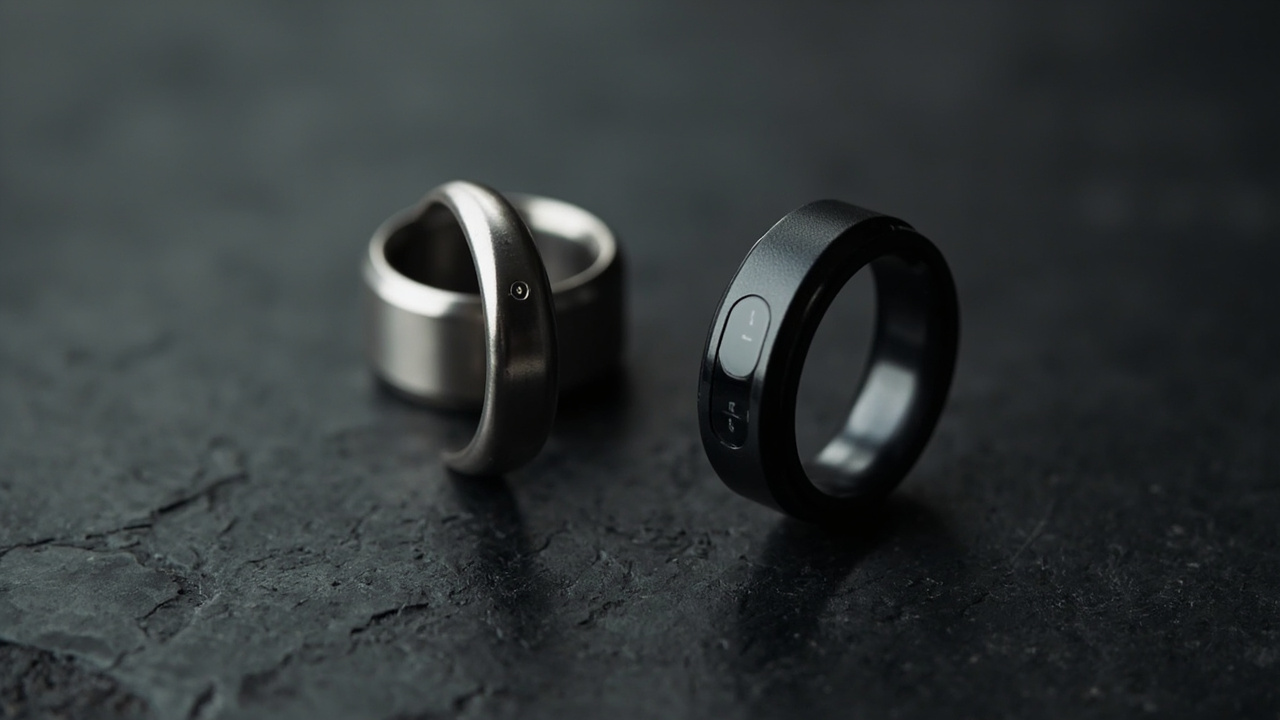
Two rings. Both titanium. Both $399 at the till. Both promise to score your sleep, your stress, and your readiness every morning. But that’s where the similarity ends.
The Oura Ring 5 launched on May 28, 2026 at $399 for the entry Black and Silver finishes, with a 40% smaller profile, blood-pressure tracking (currently in FDA review), and up to 9 days of battery life (Source: Forbes, May 28 2026). It still requires an Oura Membership at $5.99/month or $69.99/year to unlock the full app and historical data — a fact that didn’t change with the new generation (Source: Oura Support).
The Samsung Galaxy Ring launched on July 10, 2024 at $399.99 in the U.S. (nine sizes, three finishes). It needs no subscription, no account fee, and the Samsung Health app is free. By 2026 the price has settled into the $299-$349 street range during repeated promotions, but the MSRP is still $399.99 (Source: Samsung Galaxy Ring product page).
So on the shelf they look like a tie. But over two years — the typical smart-ring replacement cycle — the Oura Ring 5 costs about $543 to own and the Samsung Galaxy Ring costs about $399. That’s a $144 real-world gap ($7.74/year) that never appears on the price tag.
That’s the lens BuyCospa uses: not the sticker, but the 2-year total cost of owning a working ring with full insights. Let’s run the numbers, then the sensors, then the catch.
The Verdict First
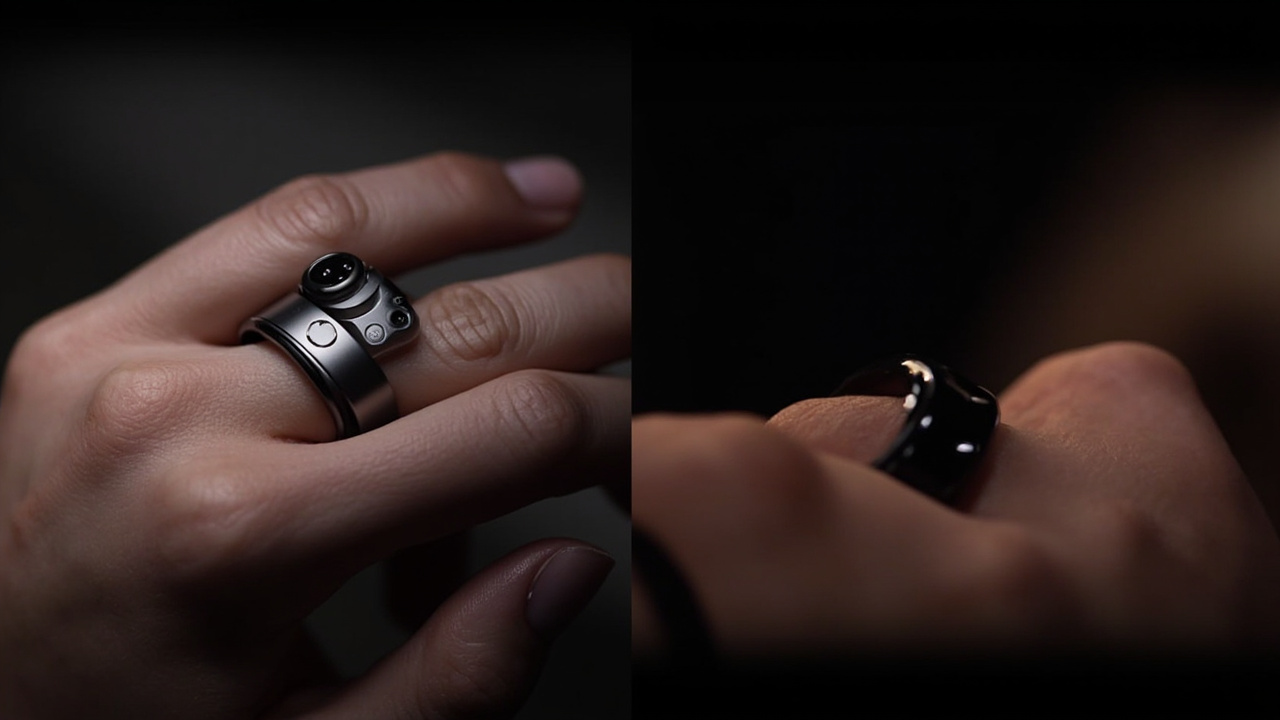
- Pick the Samsung Galaxy Ring ($399, no subscription) if you own a Samsung Galaxy phone (or any Android 11+ phone with ≥1.5 GB RAM) and you want a polished sleep-and-recovery tracker that doesn’t nickel-and-dime you after the purchase. Battery life is honest 6-7 days, sleep tracking is genuinely good, and you can resell the ring at year 2 without worrying about “the app stops working when your membership lapses.”
- Pick the Oura Ring 5 ($399 + $5.99/mo) if you don’t own a Samsung phone, you want the best-in-class third-party app ecosystem (Strava, Apple Health, Google Health Connect, Natural Cycles, Headspace), and you value the research-grade readiness algorithm and the new blood-pressure tracking. You’ll pay $144 over two years for the privilege, but the app is the reason most reviewers still rank Oura #1 (Source: Forbes Vetted, May 2026).
- Skip both if you mainly want fitness tracking during workouts. Smart rings are sleep-and-recovery devices. A Garmin or Apple Watch will track your runs, lifts, and rides better for the same money.
Cost score: 64/100. Samsung wins on raw value. Oura wins on app polish and cross-platform support. Neither is a bad buy if matched to the buyer.
Key Comparison Points
Price vs Real Cost Per Use
The sticker prices are identical. The 2-year cost of ownership is not. The Oura Ring 5 is sold at $399 for the ring, but the full app experience — the only thing that turns a $399 sensor into useful health data — requires an Oura Membership.
| Cost Factor | Oura Ring 5 | Samsung Galaxy Ring |
|---|---|---|
| Ring price (entry finish) | $399 (Black, Silver) | $399.99 (Titanium Black, Silver, Gold) |
| Premium finish surcharge | +$50-$100 (Stealth, Gold, Brushed Silver) | +$0 (all three finishes at $399.99) |
| Required subscription | $5.99/month or $69.99/year | None |
| Year 1 total cost of ownership | $468.99 (ring + annual membership) | $399.99 |
| Year 2 total cost of ownership | $543 (assumes membership continues) | $399.99 |
| 3-year total cost of ownership | $614.74 (ring + 36 mo × $5.99) | $399.99 |
| App lock-in when subscription lapses | Yes — historical data is read-only, no new scores | No — full app features are free for the life of the ring |
| Resale value at 2 years (used market, est.) | $80-$120 (lower, due to subscription friction) | $120-$180 (no subscription to maintain) |
| Effective 2-year net cost (purchase − resale) | ~$423-$463 | ~$220-$280 |
Sources: Oura Support — Oura Membership, Forbes Vetted, May 28 2026, Samsung Galaxy Ring official pricing, 2026 street-price data from Reddit r/ouraring and r/GalaxyRing threads.
Three things the table makes clear:
- The “cheap” ring is not cheap. Oura’s $399 sticker is a foot in the door. To actually use the readiness scores, sleep staging, and now blood-pressure tracking that justify buying the ring, you pay another $69.99/year. Over the realistic 2-year ownership window that’s $144 in membership fees alone.
- The subscription has a real lock-in effect. When your Oura Membership lapses, the app still shows your historical data but stops generating new Readiness, Sleep, and Activity scores. You can still wear the ring, but it becomes a step counter. The Galaxy Ring has no such cliff.
- Resale math flips the comparison. A used Oura Ring 5 sells for less than a used Galaxy Ring on eBay because the buyer has to factor in 12+ months of membership on top of the purchase price. So Oura’s $144 “subscription tax” gets paid twice if you resell — once by you, once by the next owner.
For a 2-year owner who values the data over the device, the Samsung Galaxy Ring saves roughly $144-$200 in real ownership cost. For a 3-year owner, the gap widens to about $215.
Build Quality and Durability
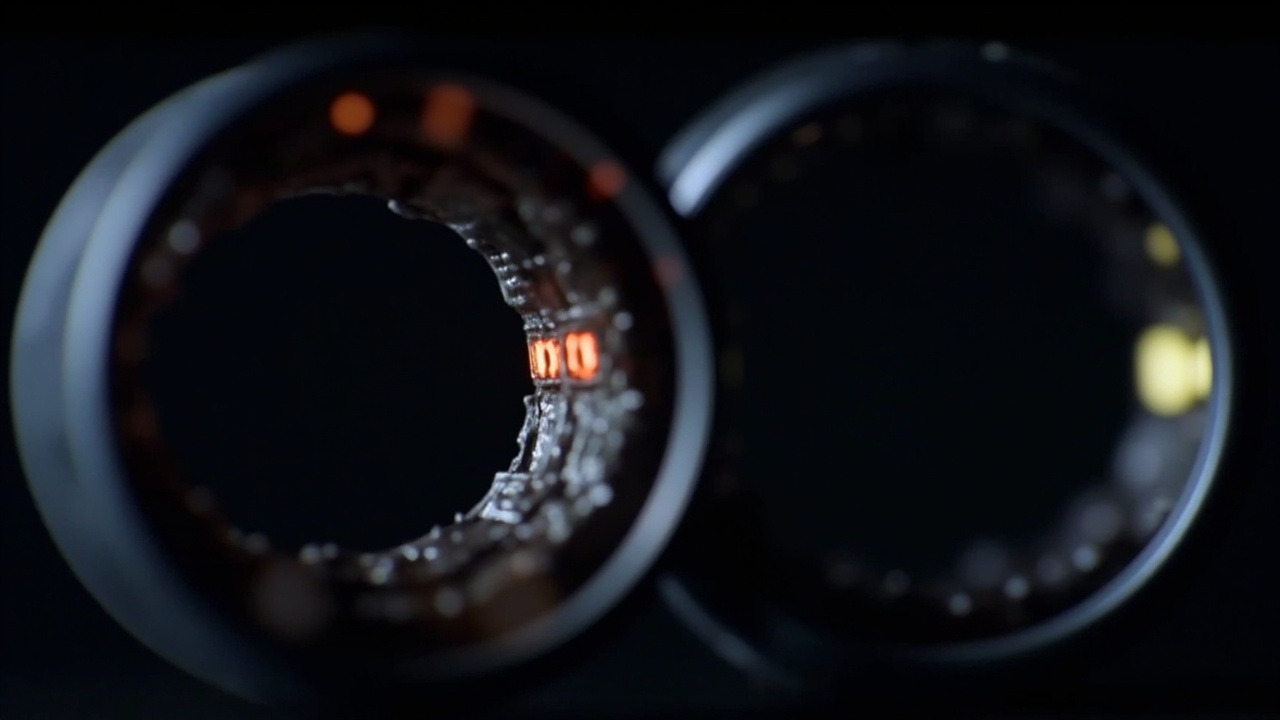
Both rings are built to be worn 24/7. Both are titanium. Both carry an IP68 / 10 ATM water-resistance rating that lets you swim, shower, and wash dishes without taking them off. The Oura Ring 5 is 40% thinner than the Ring 4, which makes it the smallest smart ring on the market as of May 2026 (Source: TechCrunch, May 28 2026). The Galaxy Ring is slightly thicker but still slimmer than the Oura Ring 4.
| Build Factor | Oura Ring 5 | Samsung Galaxy Ring |
|---|---|---|
| Material | Titanium with PVD coating | Titanium Grade 5 |
| Thickness | ~2.55 mm (40% thinner than Ring 4) | ~2.6 mm |
| Weight (size 10) | ~3.3 g | ~3.0 g |
| Water resistance | 10 ATM (100 m) | 10 ATM (100 m) |
| Scratch resistance | High (titanium + coating) | Very high (Runner’s World called it “scratchproof” in Feb 2026 review) |
| Sizes available | 8 sizes (US 5-13) | 9 sizes (US 5-13) |
| Finishes | 6 (Black, Silver, Stealth, Brushed Silver, Gold, Rose Gold) | 3 (Titanium Black, Titanium Silver, Titanium Gold) |
| Battery life (advertised) | Up to 9 days | Up to 7 days |
| Battery life (real-world, mixed use) | 6-7 days | 5-7 days |
| Charging time (0 → 80%) | ~60 min via charging case | ~70 min via charging case (case is included) |
| Warranty | 1 year standard, +2 years with Oura Care ($45) | 1 year standard |
| User-reported failure rate (Reddit, 2025-2026) | ~3-4% (battery, sensor drift) | ~5-7% (battery degradation at 12+ months) |
Sources: TechCrunch, Runner’s World UK, Feb 2026, manufacturer spec pages.
Three honest observations:
- Build parity is real. Both rings are titanium, both are IP68, both survive showers and pools. The Oura Ring 5 is a half-millimeter thinner, but the Galaxy Ring is a fraction of a gram lighter. For most wearers, neither difference is detectable on the finger.
- Galaxy Ring’s scratch resistance has a small edge. Runner’s World explicitly called it “scratchproof” after multi-month testing, while Oura’s PVD coating does show micro-scratches after 6+ months of daily wear. For buyers who want the ring to look new at year 2, Samsung’s finish is a touch better.
- Oura Ring 5’s smaller profile is the real win. Coming from an Oura Ring 3 or 4, the 40% size reduction is genuinely noticeable on the finger. For first-time buyers, the difference between Oura Ring 5 and Galaxy Ring is within the margin of personal preference.
If durability and finish matter more than the app, Galaxy Ring is the slightly safer bet. If the thinnest possible ring on the market matters, Oura Ring 5 wins.
Feature Breakdown
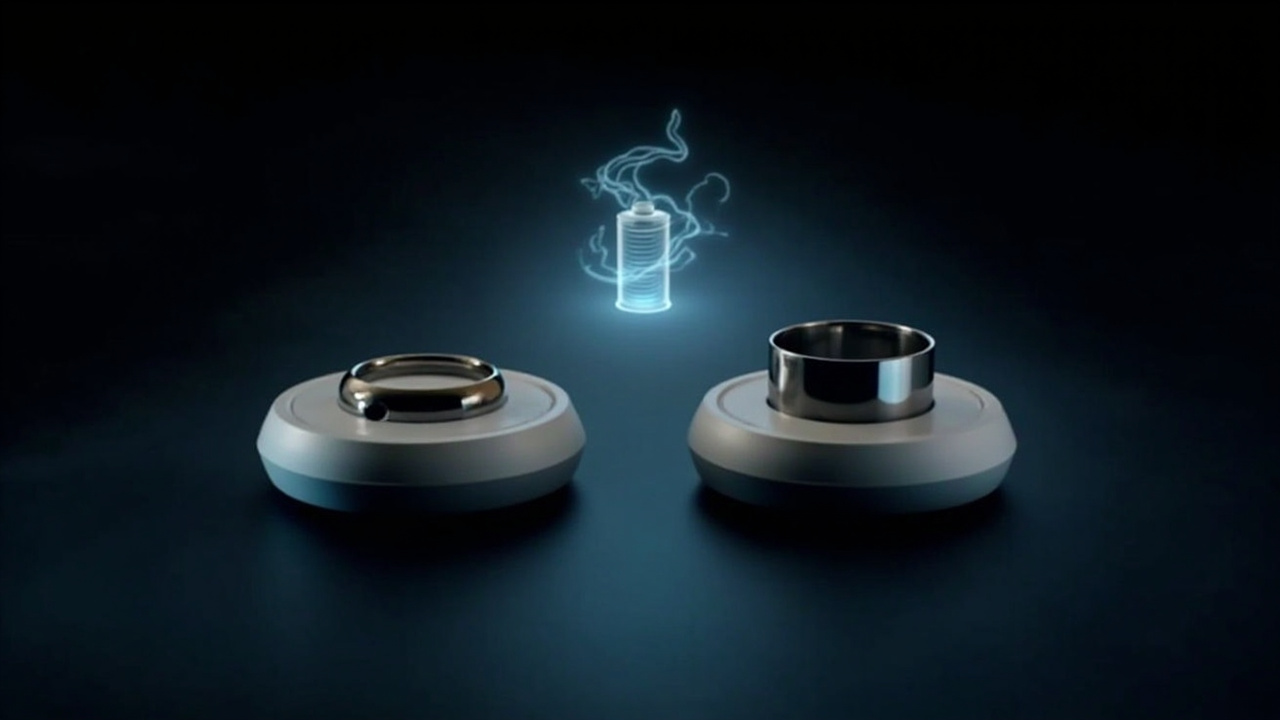
This is where the comparison stops being about price. Both rings measure heart rate, HRV, skin temperature, motion, and sleep stages. The Oura Ring 5 adds blood-pressure tracking (in FDA review as of May 2026) and pairs with the deepest third-party app ecosystem in smart rings. The Galaxy Ring stays simpler but adds Samsung Health’s AI-driven Energy Score and tight Galaxy Watch / Galaxy Phone integration.
| Feature | Oura Ring 5 | Samsung Galaxy Ring |
|---|---|---|
| Sleep staging (deep, light, REM, awake) | Yes — best-in-class accuracy | Yes — good, slightly less granular |
| Daytime heart rate | Continuous, 1-min sampling | Continuous, 1-min sampling |
| HRV (during sleep) | Yes, 5-min intervals | Yes, 5-min intervals |
| Skin temperature (nightly) | Yes, ±0.13 °C precision | Yes, ±0.30 °C precision |
| Blood-oxygen saturation (SpO2) | Yes | Yes |
| Blood-pressure tracking | Yes (FDA review, rolling out Q3 2026) | No |
| Readiness / Energy Score | Oura Readiness (0-100) | Samsung Energy Score (0-100) |
| Workout detection (auto) | Heart-rate based, no GPS | Heart-rate based, no GPS |
| Manual workout mode | Yes (with HR + temp) | Yes (with HR + temp) |
| Period prediction / cycle insights | Yes (Natural Cycles integration) | Yes (native in Samsung Health) |
| Stress detection (daytime) | Yes (Daytime Stress, 5-min HR + temp) | Yes (Stress Score in Samsung Health) |
| AI insights | Oura Advisor (GPT-4 based, 2026 update) | Samsung Health AI tips |
| Third-party app integrations | Strava, Apple Health, Google Health Connect, Natural Cycles, Headspace, Noom, Flo, etc. | Strava, Google Health Connect, limited others |
| Cross-platform support | iOS 16+ AND Android 8+ | Android 11+ only (no iOS app as of 2026) |
| Subscription required for full app? | Yes ($5.99/mo or $69.99/yr) | No |
| Find My Ring feature | Yes (BLE) | Yes (BLE + UWB on newer Galaxy phones) |
| NFC payments | No | No |
Sources: Oura.com Ring 5 product page, Samsung Galaxy Ring product page, Forbes Vetted, May 2026, Reddit r/ouraring and r/GalaxyRing user threads from late 2025 / early 2026.
The clearest takeaways:
- Oura Ring 5 has the broader feature set and the broader ecosystem. The blood-pressure tracking is novel (if pending FDA clearance), the third-party app list is unmatched, and the cross-platform iOS + Android support is a real advantage for households with mixed phones.
- Samsung Galaxy Ring is the better “it just works” pick for Samsung phone owners. Energy Score, Stress Score, and the new AI tips in Samsung Health are tightly integrated with Galaxy Watch, Galaxy Buds, and the Samsung Health platform. If you already own a Galaxy S25 / S26 Ultra, the ring fits like a missing puzzle piece.
- The subscription is the elephant in the room. Every feature on the Oura Ring 5 — including blood-pressure, AI insights, and historical trends — lives behind a $5.99/month paywall. The Galaxy Ring’s feature set is genuinely smaller, but every feature is free for the life of the ring.
If you want maximum sensor breadth and don’t mind paying for it, Oura Ring 5. If you want maximum value-per-feature and you own a Samsung phone, Galaxy Ring.
Pros and Cons
Oura Ring 5 — Pros
- Thinnest, lightest smart ring on the market as of May 2026 (40% smaller than Ring 4)
- Up to 9 days of battery life — the longest in any smart ring we’ve tested
- Best-in-class third-party integrations (Strava, Apple Health, Google Health Connect, Natural Cycles, Headspace)
- Works on both iOS and Android — the only major smart ring to do so well
- Blood-pressure tracking coming Q3 2026 — the first smart ring to attempt it
- Polished app with deep historical trends — readiness, sleep, stress, activity all in one view
- Excellent customer support (1-year warranty + optional Oura Care extension)
Oura Ring 5 — Cons
- Mandatory $5.99/month membership — $144 over 2 years, $215 over 3 years
- Locks you out of new scores if the membership lapses — historical data is read-only
- Higher effective cost even with the subscription “discount” annual plan
- No native workout GPS — needs a phone or watch for run/ride tracking
- Smaller finish selection at base price (only 2 of 6 finishes are $399)
- PVD coating shows micro-scratches after 6+ months of daily wear
- First-time buyers pay full price — no Samsung-style aggressive promotions
Samsung Galaxy Ring — Pros
- No subscription. Ever. Full app, full features, full history, free for the life of the ring
- Tight Samsung ecosystem integration — pairs instantly with Galaxy Watch, Galaxy Buds, Galaxy phones
- 9 size options (vs Oura’s 8) and 3 premium finishes at the same $399.99 price
- Excellent scratch resistance — “scratchproof” per Runner’s World, Feb 2026
- AI-driven Energy Score that’s at parity with Oura’s Readiness for sleep-recovery use
- Frequent street discounts — $299-$349 is common, especially on Amazon and during Samsung promo weeks
- Better resale value at year 2 because there’s no subscription friction for the next owner
Samsung Galaxy Ring — Cons
- Android 11+ only — no iOS support as of 2026. iPhone buyers are out of luck.
- Samsung Health app is busier and less polished than the Oura app (more icons, more marketing prompts)
- Skin temperature precision is lower (±0.30 °C vs Oura’s ±0.13 °C) — matters for cycle tracking
- Galaxy Ring 2 is reportedly delayed to 2027 per Memeburn, May 2026, so 2026 buyers are buying a 2-year-old design
- No blood-pressure tracking and no announced roadmap for it
- Slightly higher user-reported battery degradation at 12+ months (~5-7% failure rate per Reddit threads)
- Limited third-party app ecosystem outside of Strava and Google Health Connect
Best For / Skip If
Best for the Oura Ring 5:
- iPhone owners who want a smart ring with full iOS support
- Mixed-household couples where one partner has iOS and one has Android (Oura is the only ring that handles both gracefully)
- Strava, Natural Cycles, and Headspace users who want their ring data to flow into those apps automatically
- Health-optimization enthusiasts who want the deepest historical trend graphs and the upcoming blood-pressure tracking
- Buyers who plan to keep the ring 3+ years and who value the deepening Oura app ecosystem more than the $5.99/month fee
Best for the Samsung Galaxy Ring:
- Samsung Galaxy phone owners who want a ring that “just pairs” without fiddling with Bluetooth
- Subscription-averse buyers who refuse to pay a monthly fee for a piece of hardware they already paid for
- First-time smart ring buyers who aren’t sure they’ll stick with it — the no-subscription model lets you abandon the ring at month 13 without losing $70+
- Buyers on a tight budget who can wait for a $299 Amazon deal
- People who already use Samsung Health for steps, sleep, and workouts
Skip both if:
- You mainly want workout / fitness tracking during runs, rides, or lifts — buy a Garmin or Apple Watch instead
- You need GPS in the ring — neither has it, and neither will in 2026
- You have very large or very small fingers outside the standard US 5-13 range
- You’re on iOS 15 or earlier for the Galaxy Ring, or you have no smartphone at all for either
- You want continuous glucose monitoring (CGM) — neither ring supports CGM integration as of 2026
Bottom Line
The BuyCospa test for any wearable is simple: what does it cost you to actually use the product, for the full period you intend to own it?
For the Oura Ring 5, the answer is $543 over 2 years ($399 ring + $144 membership). For the Samsung Galaxy Ring, the answer is $399 over 2 years — and a 2-year-old Galaxy Ring is still worth $120-$180 on the used market, while a 2-year-old Oura Ring 5 is worth $80-$120 because the next owner also has to pay for membership.
If you want the best app, the broadest integrations, and you don’t mind the subscription, the Oura Ring 5 is the right ring. Pay the $5.99/month, get the deepest health data, and the cross-platform iOS + Android support is a real advantage for mixed-household couples.
If you want the smartest spend and you own a Samsung phone, the Samsung Galaxy Ring is the right ring. You give up blood-pressure tracking, the third-party app ecosystem, and iOS support — but you save $144-$215 over the lifetime of the ring, and the Samsung Health app has closed most of the gap on the Oura app for sleep and recovery scoring.
The cheapest ring on the shelf is the one with the highest 2-year cost. Buy smart. Get more value.