Introduction
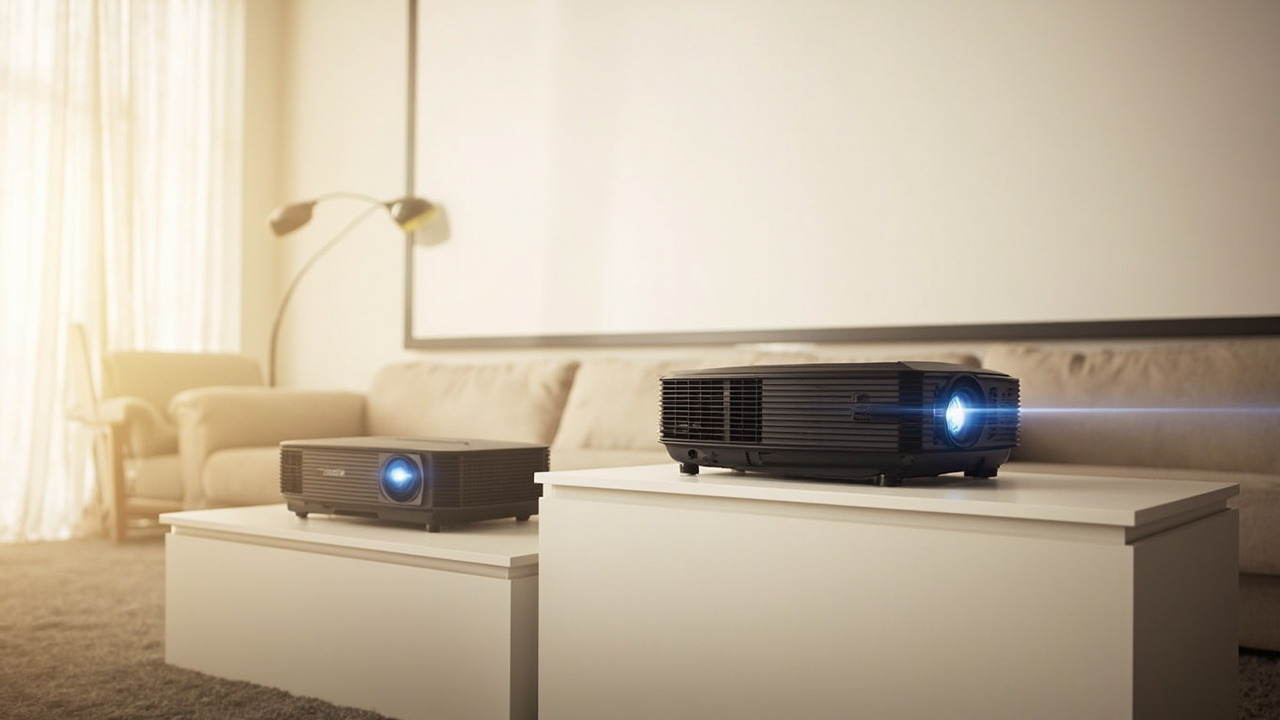
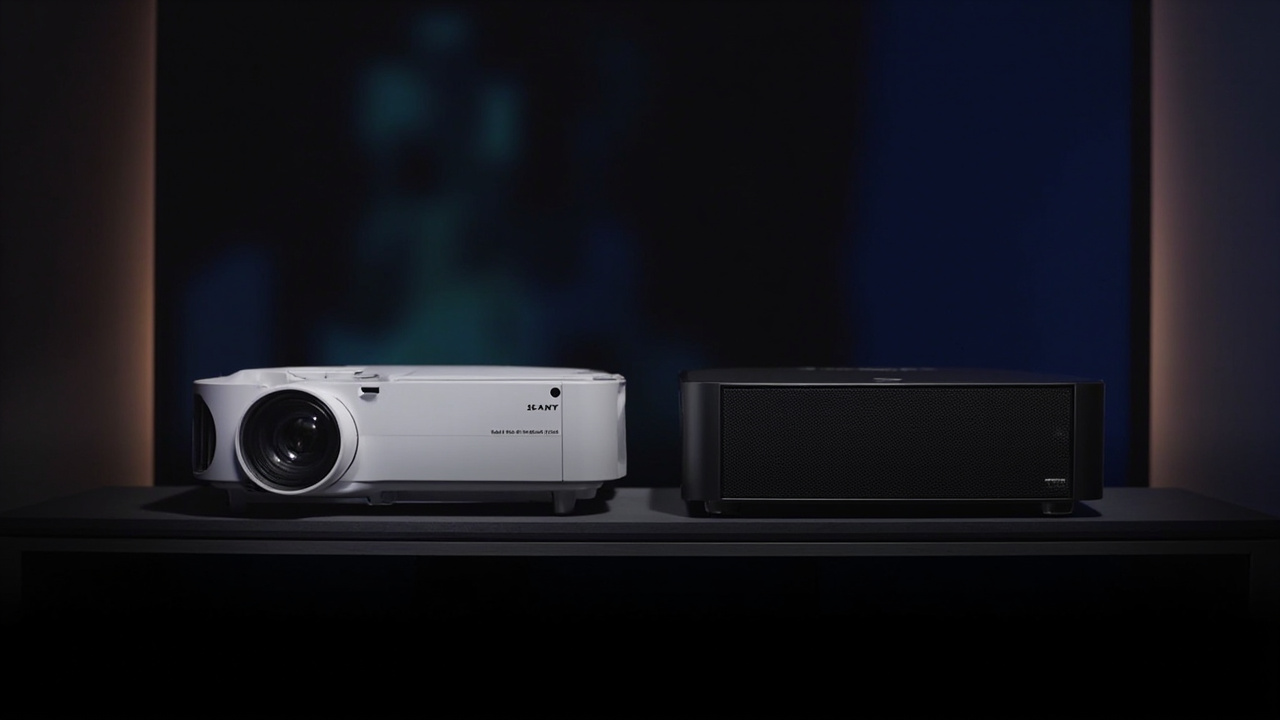
Ultra-short-throw (UST) projectors have crossed a threshold. Five years ago, the idea of placing a device half a foot from your wall and projecting a 120-inch 4K image felt like a CES concept. Today, two genuinely mature products — the Hisense PX3-PRO and the XGIMI Aura 2 — make that choice feel real, and the price tags reflect it: $2,500–$3,500 is serious money for a display device.
The Hisense PX3-PRO launched at $3,499 MSRP with a triple-laser TriChroma light source, 3,000 ANSI lumens, and a “Designed for Xbox” badge. The XGIMI Aura 2 arrived at $2,699 with a hybrid Dual Light 2.0 system, 2,300 ISO lumens, and a Harman Kardon sound system built in.
On paper, the Hisense is brighter and covers more color space. The XGIMI has lower input lag and a lighter body. But paper is where the easy part ends. The real question for a BuyCospa reader is: which one delivers more value per dollar and per viewing hour over the life of the product?
That’s the lens we’ll use here.
The Verdict First
-
Choose the XGIMI Aura 2 ($2,699) if you want the best cost-per-use and a projector that works out of the box without calibration. It’s more accurate color-wise straight from the factory (ΔE < 1 per XGIMI’s lab), lighter to mount, and has meaningfully lower input lag at 60Hz (~20ms vs higher on the Hisense). Source: RTINGS.com comparison.
-
Choose the Hisense PX3-PRO if you watch in bright rooms, want the widest possible color gamut (110% BT.2020 vs 99% DCI-P3), need 4K at 120Hz gaming, or catch it at its frequent $2,499 sale price — at which point the value equation flips. Source: Hisense official store (June 2026 sale).
-
Skip both if your room has perfect darkening and a 65–77-inch TV would serve you — you can get a premium OLED at this price range and skip the projector entirely.
Key Comparison Points
Price vs Real Cost Per Use
These two projectors occupy a narrow price band, but the gap matters when you run the math.
| Cost Factor | Hisense PX3-PRO | XGIMI Aura 2 |
|---|---|---|
| MSRP (USD) | $3,499 | $2,699 |
| Street Price (June 2026) | $2,499–$3,499 | $2,299–$2,699 |
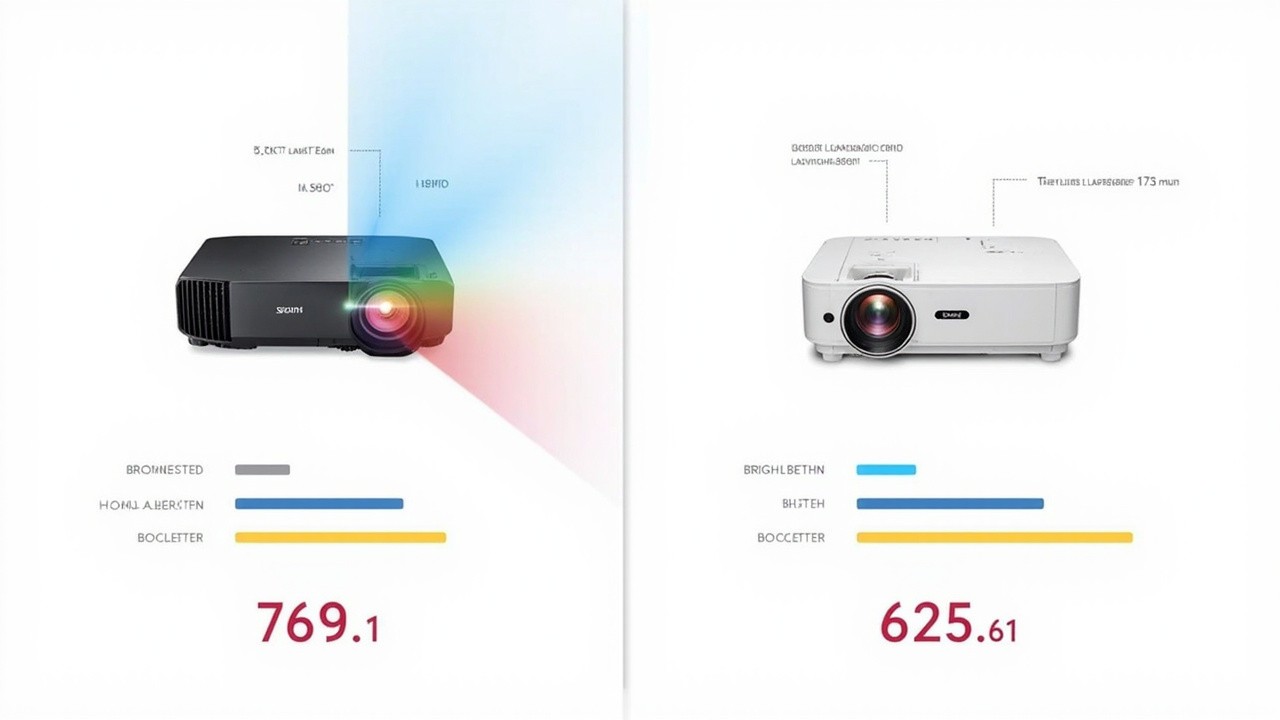
| Brightness (measured) | 3,000 ANSI lumens | 2,300 ISO lumens |
| Color Gamut | 110% BT.2020 | 99% DCI-P3 |
| Lamp Life (hours) | 20,000 hrs | 20,000 hrs |
| Contrast Ratio (native) | 3,000:1 | — |
| Dynamic Contrast | — | 1,000,000:1 |
| Input Lag (60Hz) | ~30–40ms (higher at 120Hz) | ~20ms |
| 4K at 120Hz | Yes (PS5/Xbox up to 4K/120Hz) | No (max 4K/60Hz) |
| Smart Platform | Google TV | Google TV |
| Netflix Built-in | Yes | Yes |
| Dolby Vision | Yes | Yes |
| Dolby Atmos Pass-through | Yes (eARC) | Yes (eARC) |
| Integrated Speakers | No | Yes (Harman Kardon) |
| Weight | ~19.8 lbs | ~13 lbs |
The $800 question: The Hisense costs $800 more at MSRP. At its typical sale price of $2,499, the gap shrinks to $200. That’s a fundamentally different buying decision.
At $2,499 sale price, the Hisense PX3-PRO is the clear pick — you get 30% more lumens, wider color gamut, 4K/120Hz gaming, and Dolby Atmos pass-through for $200 less than the XGIMI’s regular price.
At $3,499 full price, the value calculus shifts. You could buy the XGIMI, pocket $800, and still have money left over for an ALR screen or a soundbar. The XGIMI’s ~20ms input lag at 60Hz is also meaningfully better for gaming if you’re not running at 120Hz.
Amortized over 5 years (at sale price, 3 hours/day, 1,095 viewing hours/year):
| Hisense PX3-PRO | XGIMI Aura 2 | |
|---|---|---|
| Cost per viewing year | $456/yr (at $2,499) | $492/yr |
| Cost per 1,000 hours | $456 | $492 |
| Cost per 5 years | $2,280 | $2,460 |
| Delta | — | XGIMI costs $180 more |
The Hisense wins on raw cost-per-use when purchased at its typical discount. The XGIMI wins at full MSRP pricing.
Key risk: Hisense discounts are frequent but not permanent. If you buy at $3,499 and don’t catch a sale, the XGIMI is the better value. Check Hisense official deals before committing.
Build Quality and Durability
Both projectors are built to last the typical 7–10 year lifecycle of a home theater investment, but they take different approaches.
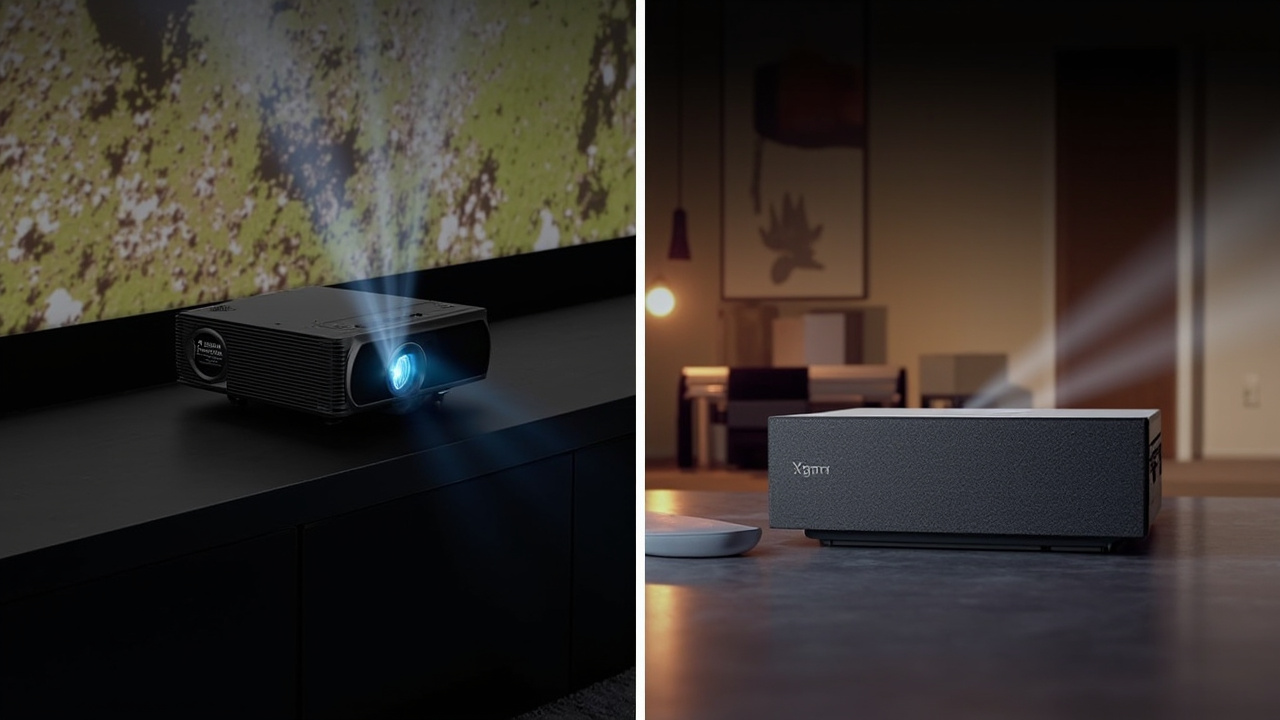
Hisense PX3-PRO uses an all-metal chassis at ~19.8 lbs — substantial enough that wall-mounting requires a rated mount. The triple-laser system is a solid-state light source with no filter to replace and no phosphor wheel to degrade. The 20,000-hour rating assumes standard usage; laser degradation is slow and linear. Hisense backs this with a 2-year warranty.
XGIMI Aura 2 is notably lighter at ~13 lbs — about 35% lighter than the Hisense. This matters for shelf placement or ceiling mounts. The Dual Light 2.0 system (RGB LED + red laser + phosphor wheel) is more complex, but XGIMI has been refining hybrid laser for several generations. The 20,000-hour rating applies here too. The integrated Harman Kardon speakers are a genuine feature — not a gimmick — delivering 45W total in a 2.1 configuration. If you’re不想 buying a separate soundbar immediately, this is real money saved.
Dust resistance: The XGIMI Aura 2 has a closed optical engine with an anti-dust design that addresses a historical weakness of UST projectors. The Hisense also uses a sealed light path. Neither requires filter replacement — a meaningful long-term maintenance advantage over lamp-based projectors.
Thermal management: The Hisense runs hotter given its higher lumen output, and its fans are more audible at full power. The XGIMI’s hybrid system is more thermally efficient at equivalent brightness levels. Both are quiet enough for movie watching at normal volumes, but the Hisense’s fan pitch is slightly higher under load.
Feature Breakdown
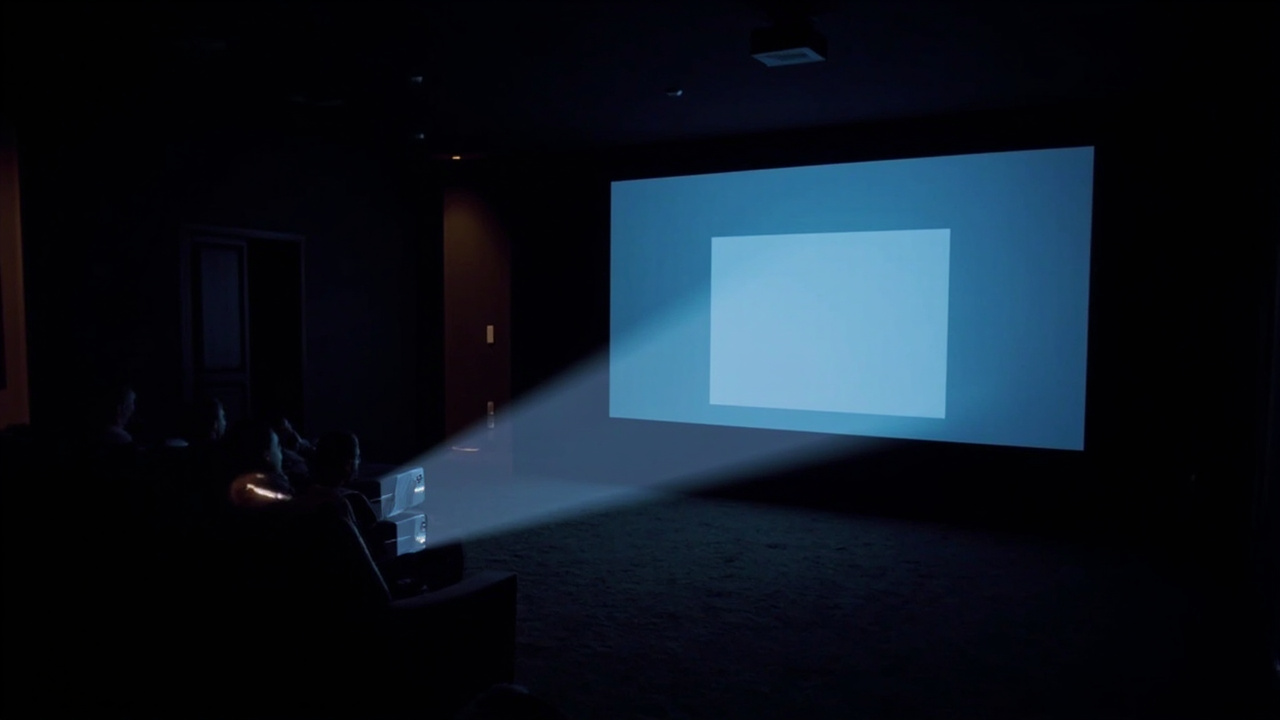
Brightness and room suitability are the clearest differentiator. The Hisense’s 3,000 ANSI lumens gives it genuine daytime capability — you can watch with curtains open and still see a watchable image. The XGIMI’s 2,300 ISO lumens is adequate for evening viewing and moderate ambient light, but you’ll notice washout in bright rooms. If your living room gets direct sunlight, the Hisense is the safer choice.
Color accuracy out of the box favors the XGIMI. XGIMI quotes ΔE < 1 from the factory, meaning color deviations are imperceptible to the human eye. The Hisense, while covering a wider color space (110% BT.2020 vs 99% DCI-P3), requires calibration to hit its best accuracy. Professional calibrators report the Hisense can reach reference quality but needs ~2 hours of adjustment. The XGIMI is closer to “plug and play.”
Gaming is where the Hisense has a concrete technical advantage: 4K at 120Hz via HDMI 2.1, with a dedicated low-latency game mode and “Designed for Xbox” certification. For PS5 and Xbox Series X/S owners who want a big-screen experience, this matters. The XGIMI maxes out at 4K/60Hz. However, the XGIMI’s 20ms input lag at 60Hz is lower than the Hisense’s at 60Hz (~30–40ms). The Hisense’s advantage is high-refresh-rate gaming, not raw latency.
Smart features are essentially tied. Both run Google TV, both have Netflix, Prime Video, and Disney+ built in, both support Chromecast and Apple AirPlay. Neither requires an external streaming device. Voice assistants (Google Assistant on both) work identically.
Audio is a clear XGIMI advantage. The built-in Harman Kardon 2.1 system (45W) is genuinely usable for casual TV and music. You can watch news and YouTube without a soundbar. The Hisense has no built-in speakers — you must connect an external audio system, at additional cost.
Throw distance slightly favors the XGIMI. At 0.177:1, it can project a 100-inch image from just 17.8cm (about 7 inches) from the wall. The Hisense’s throw ratio is similar but not quite as aggressive. For buyers with space constraints, the XGIMI has a marginal edge.
Pros and Cons
Hisense PX3-PRO
Pros:
- Significantly brighter (3,000 vs 2,300 lumens) — genuine daytime viewing capability
- Wider color gamut (110% BT.2020) — more future-proofed for evolving HDR standards
- 4K at 120Hz with low-latency game mode — best-in-class for console gaming
- Dolby Atmos pass-through via eARC
- Frequently discounted to $2,499 — at sale price, exceptional value
- 3,000:1 native contrast ratio for deeper blacks in dark rooms
- No integrated speakers means more room in chassis for thermal management
Cons:
- $800 more at full MSRP — hard to justify without a sale
- Heavier (19.8 lbs) — limits mounting options
- Higher input lag at 60Hz than XGIMI (~30–40ms vs ~20ms)
- Requires calibration to hit best color accuracy — not plug-and-play
- Louder fans under full brightness load
- No built-in speakers — adds cost if you don’t have an audio system
XGIMI Aura 2
Pros:
- Lower input lag (~20ms at 60Hz) — better for fast-refresh gaming
- Better out-of-box color accuracy (ΔE < 1 per XGIMI lab data)
- Built-in Harman Kardon 2.1 speakers (45W) — saves $200–$500 on a soundbar
- Lighter (13 lbs) — easier to place, mount, or move
- $2,299–$2,699 street price — no need to wait for a sale
- Hybrid laser eliminates laser speckle — more comfortable for extended viewing
- Sealed optical engine with improved dust resistance
Cons:
- Limited to 4K/60Hz — no 120Hz gaming support
- Narrower color gamut (99% DCI-P3) — slightly less vibrant HDR
- Dimmer (2,300 ISO lumens) — more room for light control needed
- Lower native contrast ratio than the Hisense
- Harman Kardon speakers are convenient but can’t replace a dedicated soundbar for serious home theater
Best For / Skip If
Buy the Hisense PX3-PRO if:
- Your living room gets lots of natural light and you want to watch during the day
- You own a PS5 or Xbox Series X and want 4K/120Hz gaming on a 120-inch screen
- You caught it at $2,499 on sale and want the brightest, most color-capable UST under $2,500
- You already own a good sound system and just need the projector
Buy the XGIMI Aura 2 if:
- You want a projector that works immediately without calibration
- You game primarily at 60Hz and prioritize low input lag over refresh rate
- You don’t have a soundbar and want the Harman Kardon speakers as a starting point
- You prefer not to play the “wait for a sale” game with your purchase
- You want the lightest UST option for easier placement and mounting
Skip both if:
- A 65–77-inch OLED TV at $1,500–$2,000 would serve your room better — premium TVs now outperform projectors on contrast and brightness in controlled environments
- You can’t darken your room adequately — both projectors need some light control to show their best
- You’re building a dedicated home theater room and can wait for a projector that’s designed for controlled environments (JVC, Sony native 4K laser)
Bottom Line
The Hisense PX3-PRO vs XGIMI Aura 2 showdown is really a story of two prices and two use cases.
At the Hisense’s sale price of $2,499, the calculus is almost unfair — you get meaningfully brighter output, wider color gamut, 4K/120Hz gaming, and Dolby Atmos pass-through for $200 less than the XGIMI’s regular price. If you’re confident you’ll catch a sale, the Hisense is the better buy.
At full MSRP ($3,499), the XGIMI Aura 2 is the smarter purchase. The $800 you save can fund a solid soundbar (replacing the Hisense’s lack of built-in speakers) and still have money left over. For most buyers who aren’t hunting sales, this is the realistic scenario.
Neither projector is wrong. Both are genuine quality products that will serve a home theater well for 7–10 years. The BuyCospa pick: if you see the Hisense at $2,499, grab it. If you’re buying today at full price, the XGIMI Aura 2 gives you more for what you actually pay.
Buy smart. Get more value.
Prices cited: Hisense PX3-PRO MSRP $3,499, sale price $2,499 (Hisense official store, June 2026); XGIMI Aura 2 MSRP $2,699, street price ~$2,299–$2,699 (XGIMI official, Amazon, June 2026). Lamp life: 20,000 hours on both units (sources: Hisense USA, XGIMI official). Brightness: 3,000 ANSI lumens (Hisense) vs 2,300 ISO lumens (XGIMI). Color gamut: 110% BT.2020 (Hisense) vs 99% DCI-P3 (XGIMI). Input lag: ~20ms at 60Hz (XGIMI, per RTINGS); ~30–40ms at 60Hz (Hisense, per RTINGS comparison).