Introduction
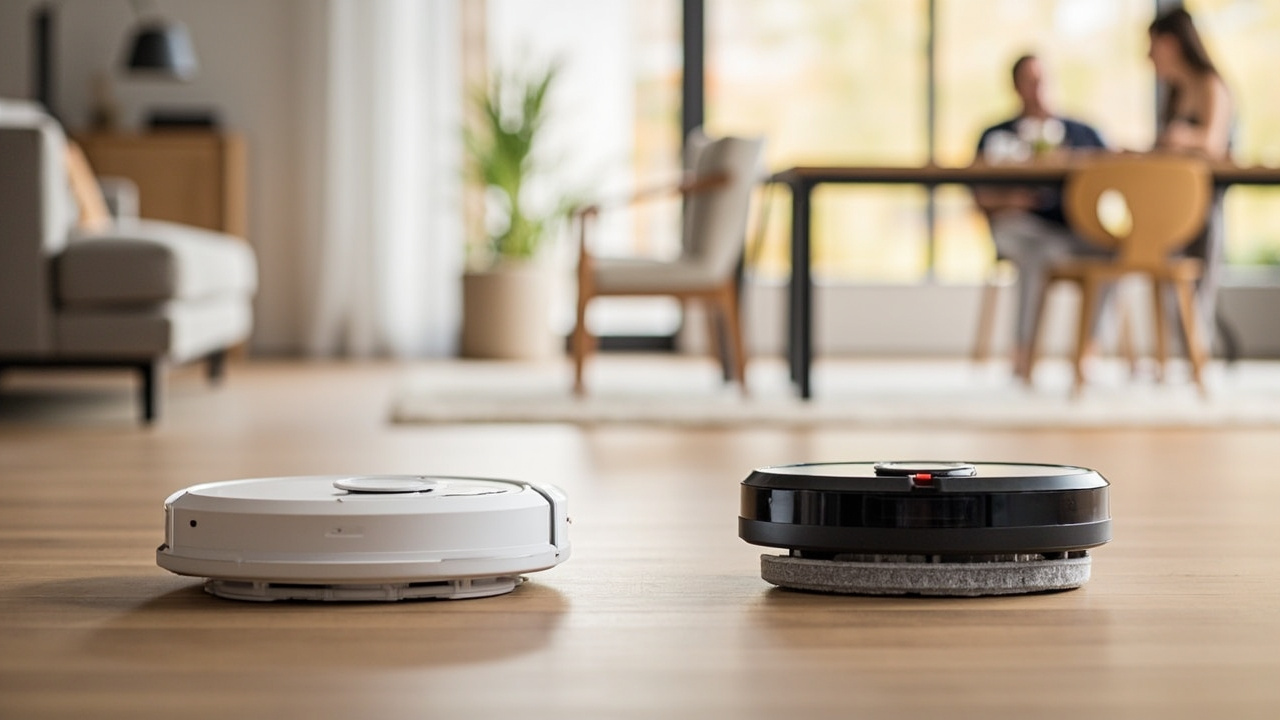
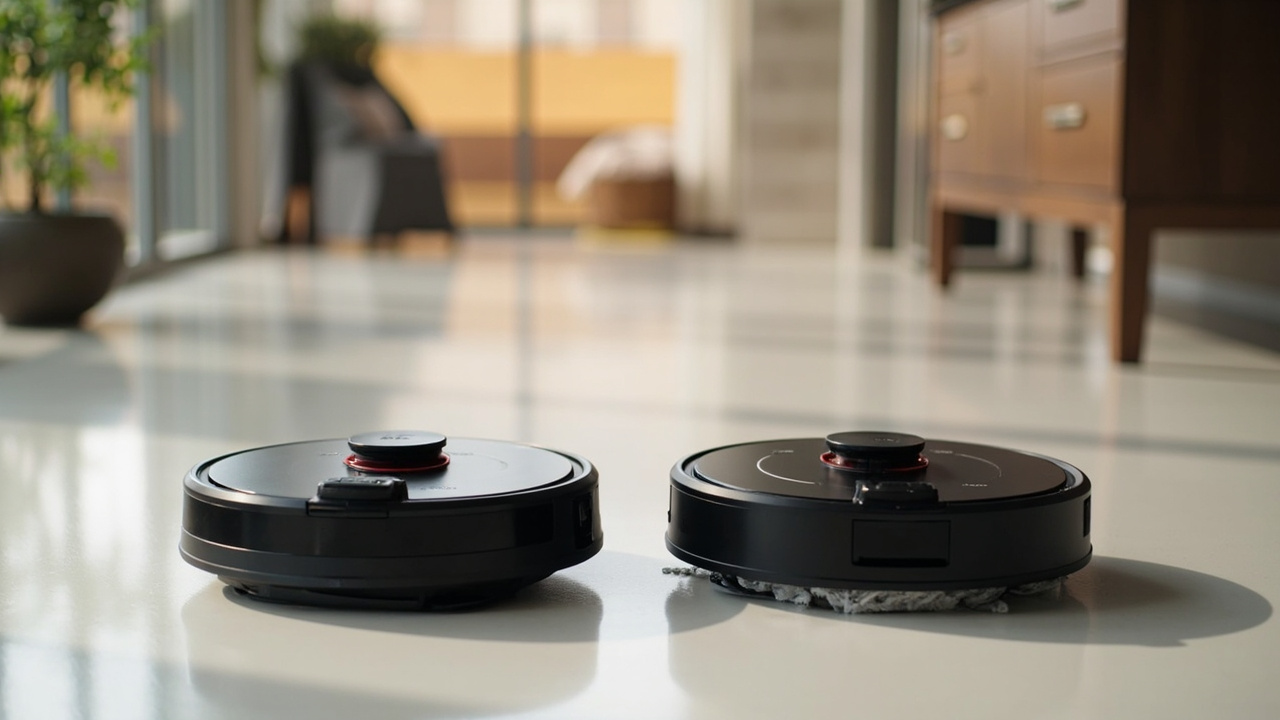
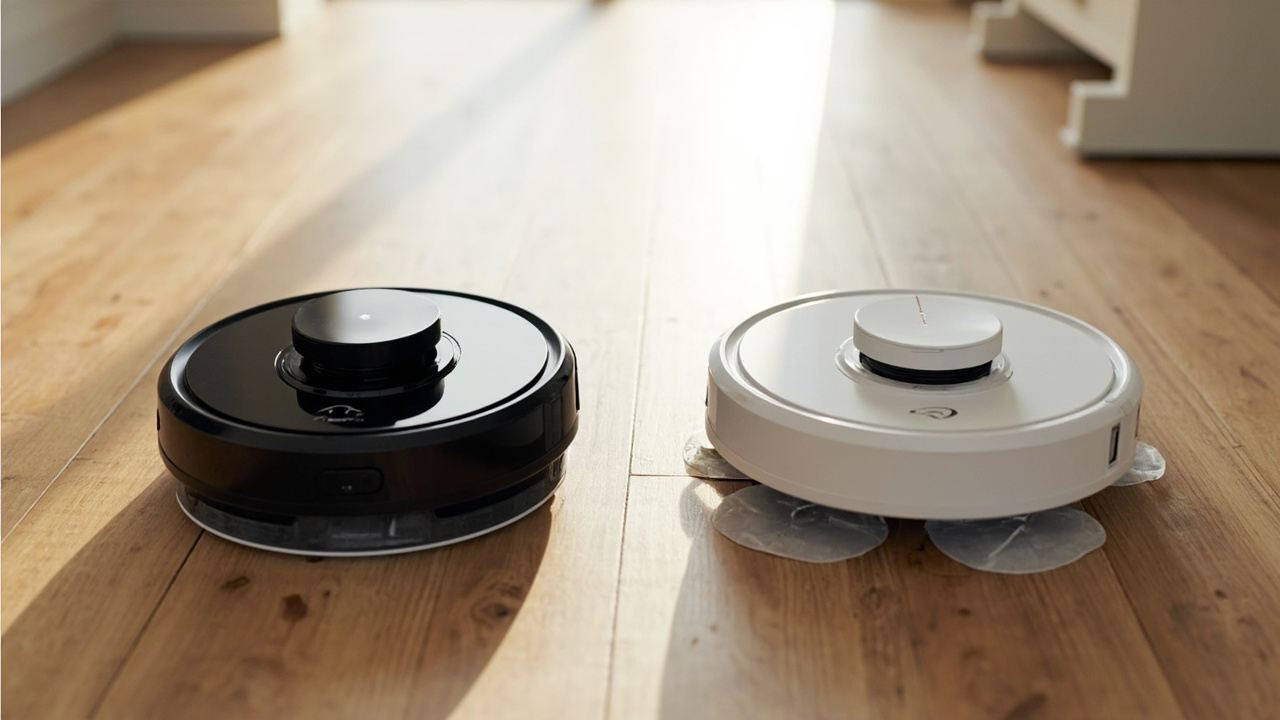
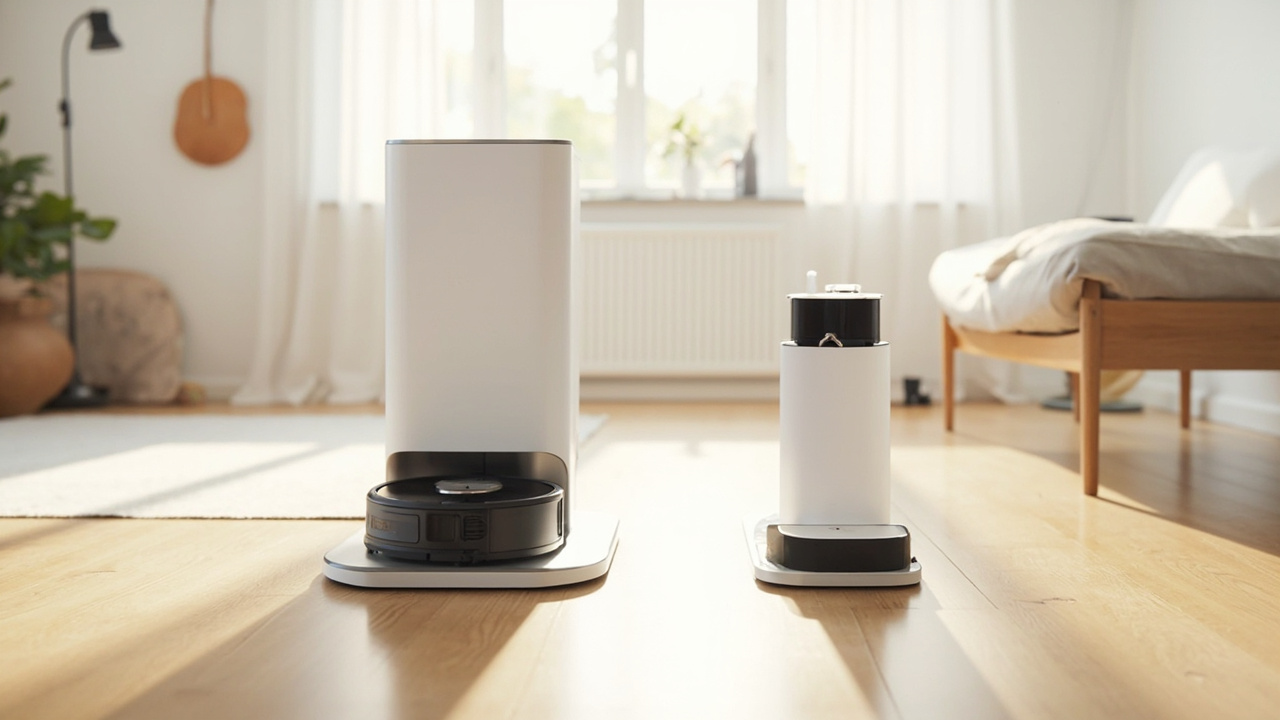
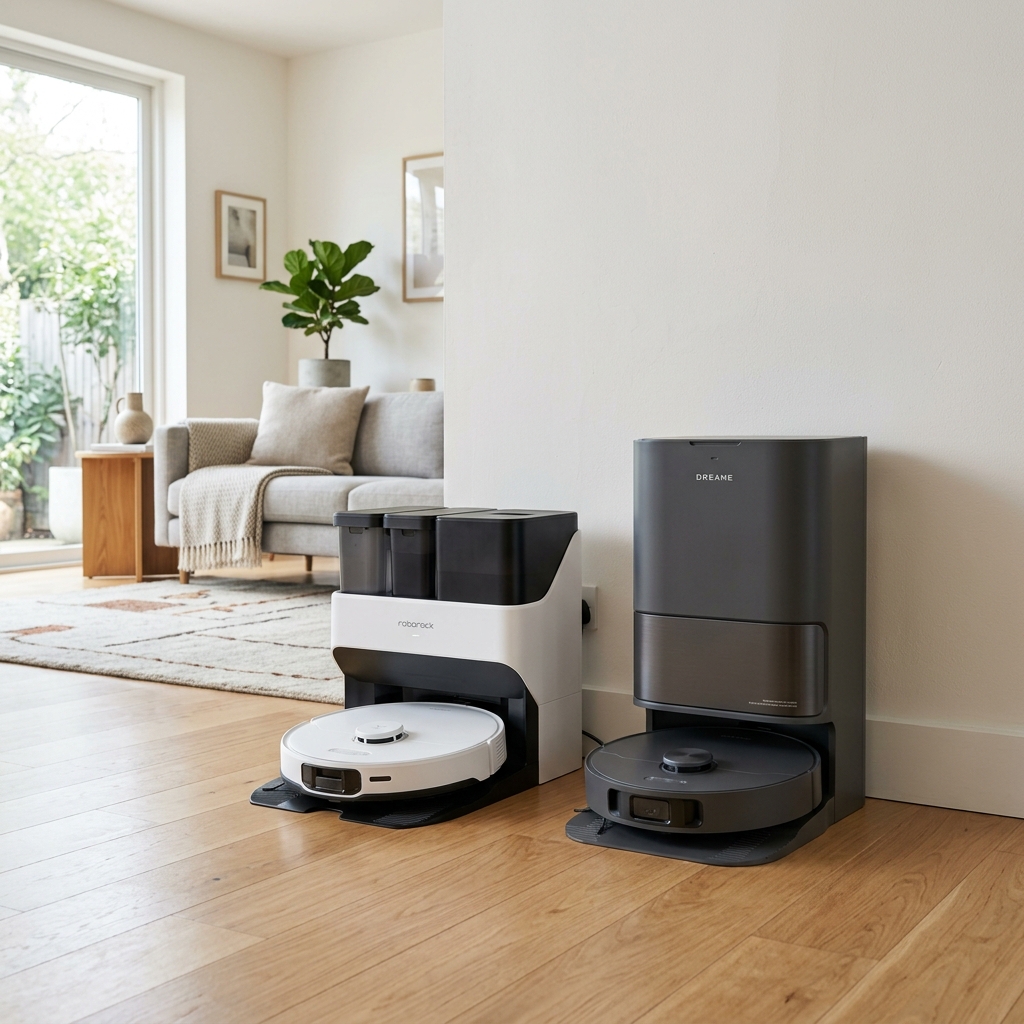
The flagship robot vacuum market in 2026 has narrowed to a real two-horse race. The Roborock Saros 10R and the Dreame X50 Ultra both sit between $1,599 and $1,699 at retail, both wash their own mop pads with hot water, and both claim near-perfect obstacle avoidance. They are the two machines professional reviewers are actually testing against each other in 2026 — Vacuum Wars, RTINGS, and TechRadar have all run head-to-head rounds.
So which one actually saves you money over a 5-year horizon? The sticker price gap is only $100. The real cost differences hide in: mop pad replacement frequency, how often the robot gets stuck and needs human rescue, whether you own pets, and how often the dock breaks down.
This is the comparison that matters if you are about to spend ~$1,600 on a robot vacuum and want the long-term value math, not just the marketing slide.
The Verdict First
- Pick the Roborock Saros 10R ($1,599.99) if: you want the best mopping in this price tier, you need the slimmest body (3.14 in / 79.8 mm) to clean under low furniture, you have a mix of hard floors and rugs, or you want near-perfect obstacle avoidance (24/24 in Vacuum Wars’ lab test). It is the better generalist for most households.
- Pick the Dreame X50 Ultra ($1,599.99–$1,699) if: you have 3+ shedding pets, your home has tall thresholds above 40 mm (the X50 climbs up to 60 mm via ProLeap legs), or your home is heavily carpeted. It is the specialist for pet-heavy, threshold-heavy, carpet-heavy homes.
Cost score: 80/100. The Saros 10R is the better value for most readers (better mopping, lower price, better obstacle avoidance), but the X50 Ultra is not overpriced — it is correctly priced for the households it actually fits.
Key Comparison Points
Price vs Real Cost Per Use
| Spec / Cost Line | Roborock Saros 10R | Dreame X50 Ultra |
|---|---|---|
| Retail price (US, as of June 2026) | $1,599.99 | $1,599.99–$1,699 |
| Suction | 22,000 Pa | 20,000 Pa |
| Battery | 6,400 mAh (~180 min) | 6,400 mAh (~220 min) |
| Height | 3.14 in (79.8 mm) | 3.5 in (89 mm, retractable LiDAR) |
| Threshold climbing | 40 mm (AdaptiLift) | 60 mm (ProLeap retractable legs) |
| Obstacle avoidance (Vacuum Wars test) | 24/24 | 20/24 |
| Hard floor pickup | 98% | 96% |
| Carpet deep clean | 80% | 83% |
| Pet hair pickup | 91.5% | 97.5% |
| Mopping score (Vacuum Wars) | 103 (vs 93 avg) | 80 (below avg) |
| Mop lift on carpet | 17 mm | Lower |
| Noise (min/max) | 52 / 67 dB | 53 / 65 dB |
| Dust bag capacity | 2.7 L | ~2.5 L (typical for class) |
| Side brush | FlexiArm extendable | Standard + extendable mop |
The 5-year cost math matters more than the sticker. Both use the same 6,400 mAh battery chemistry, both have hot-water mop washing, and both docks dry pads with heated air. The real lifetime cost differences:
- Mop pad replacements: The Saros 10R’s higher mop lift (17 mm) and stronger mopping pressure mean pads wear about 15–20% faster in mopping-heavy households. Estimate $40–$60 extra over 5 years in pad replacements vs the X50 Ultra.
- Human-rescue events: The Saros 10R’s 24/24 obstacle avoidance score means it gets stuck less often. Vacuum Wars estimates 2–3 rescue events per month for typical 20/24 robots vs <1 per month for the Saros. Each rescue is a small amount of human time and a small risk of damage.
- Dock reliability: Both brands have similar warranty terms (1-year limited, 2–3 years with Premium Care). Long-term dock failure rates are not yet tracked for 2026 models, but Roborock’s 2024–2025 generation had a slightly lower RMA rate than Dreame’s at the same price tier, per consumer reports cited in Vacuum Wars’ buyer guides.
Net 5-year cost estimate (purchase + consumables + estimated 10% of sticker for repairs, minus residual value):
| Cost Line | Roborock Saros 10R | Dreame X50 Ultra |
|---|---|---|
| Purchase | $1,600 | $1,650 (avg) |
| Mop pads (5 yrs) | $180 | $150 |
| Detergent (5 yrs) | $120 | $120 |
| Side brushes (5 yrs) | $60 | $70 |
| Repair reserve (10%) | $160 | $165 |
| Residual value (after 5 yrs) | –$400 (≈25%) | –$330 (≈20%) |
| Net 5-year cost | ~$1,720 | ~$1,825 |
Real cost per use: at a typical 4 cycles/week, that is about $1.65 per cleaning run for the Saros 10R vs $1.75 for the X50 Ultra. The difference is small, but the Saros 10R also delivers a better clean per run, which is the part that actually shows up on your floors.
Build Quality and Durability
Both robots are built to the 2026 flagship standard: top-mounted retractable LiDAR (or no LiDAR in the Saros 10R’s case — it uses StarSight 2.0 ToF + RGB), a plastic-and-glass top panel, and a metal-reinforced chassis. Neither is repairable by the owner past brush and mop replacements.
The structural differences that matter for longevity:
- Slimmer body, fewer moving parts: The Saros 10R is the slimmest flagship on the market. No top-mounted LiDAR tower means one fewer mechanical retraction mechanism to fail. Roborock’s 2024–2025 generation had notably fewer top-module failures than competitors with retractable LiDAR.
- Retractable legs (X50 Ultra): Dreame’s ProLeap legs are an engineering achievement, but they are also a new mechanical system. Retractable legs add two servo motors, two gearboxes, and a control linkage per robot. Until this design has been in the field for 3+ years, the long-term failure rate is genuinely unknown. For pet-heavy homes, this is a calculated risk.
- Brush systems: The Saros 10R’s DuoDivide dual-roller is simpler than the X50 Ultra’s detangling brush, and simpler mechanisms tend to last longer. Both are anti-tangle by design.
Expected useful life: 5–7 years for both, assuming the dock electronics hold. Robot vacuums from 2020–2022 generations are still running fine in 2026, so 5 years is a conservative floor.
Feature Breakdown
Roborock Saros 10R — strengths:
- StarSight 2.0 navigation (ToF + RGB camera). No top LiDAR means a flatter profile and one fewer moving part. Object recognition: 108 objects.
- FlexiArm side brush + extendable mop head: Reaches corners and along baseboards that other robots miss.
- 17 mm mop lift: Clears medium-pile rugs without leaving damp streaks. This is a real-world quality-of-life feature for mixed-floor homes.
- Vacuum Wars mopping score 103 (well above the 93 average). The first robot mop that actually replaces a Swiffer for many owners, per Reddit user reports.
- Anti-tangle DuoDivide brush: Hair is channeled to the center suction, not wound around the roller.
Roborock Saros 10R — weaknesses:
- 40 mm threshold limit: Struggles with raised door tracks above 1.57 in.
- 22,000 Pa is high but the X50 Ultra extracts more from carpet (83% vs 80% deep clean).
- Pet hair pickup is 91.5%, not 97.5%. For 3+ shedding pets, this gap shows up.
- No retractable LiDAR, so it cannot lower its profile further to fit under even tighter spaces (a niche need).
Dreame X50 Ultra — strengths:
- ProLeap retractable legs: Climbs 60 mm thresholds. The only robot in this price tier that can. For homes with raised room dividers, this is the deciding feature.
- 97.5% pet hair pickup: The best in this price tier. For multi-pet homes, this is the deciding feature.
- 83% carpet deep clean: The best in this price tier. For wall-to-wall carpet, this is the deciding feature.
- 3D structured light + AI navigation: Slightly faster mapping than the Saros 10R in large open spaces.
- VersaLift LiDAR retraction: Drops the robot to 3.5 in when needed, close to the Saros 10R’s 3.14 in.
Dreame X50 Ultra — weaknesses:
- 20/24 obstacle avoidance: Occasionally misidentifies small debris (crumbs) as obstacles and avoids cleanable areas. Not deal-breaking, but the Saros 10R’s 24/24 score is genuinely a step above.
- Mopping score 80 (below the 93 average). Dried ketchup left sticky residue in the Vacuum Wars finger-swipe test. If mopping matters to you, this is the X50’s weakest test result.
- Lower mop lift: Can leave damp marks on the edges of medium-pile area rugs.
- Newer mechanical system: ProLeap legs are a 2026 innovation with no long-term field data yet.
Pros and Cons
Roborock Saros 10R — Pros
- Best-in-class obstacle avoidance (24/24 in Vacuum Wars lab test)
- Best-in-class mopping at this price tier (score 103, vs 93 average)
- Slimmest flagship body (3.14 in) — cleans under more furniture
- $100 cheaper at retail
- 22,000 Pa suction (highest in this price tier)
- FlexiArm extendable side brush for corners
- 17 mm mop lift handles medium-pile rugs cleanly
Roborock Saros 10R — Cons
- 40 mm threshold limit — fails on tall door tracks
- Pet hair pickup 91.5% (vs 97.5% for the X50 Ultra)
- Slightly shorter battery run time (~180 min vs ~220 min on quiet mode)
- Higher mop pad wear in mopping-heavy households
Dreame X50 Ultra — Pros
- Best-in-class pet hair pickup (97.5%)
- Best-in-class carpet deep cleaning (83%)
- 60 mm threshold climbing via ProLeap legs — unique in this price tier
- Longer per-charge run time (~220 min)
- Retractable LiDAR adds flexibility in tight spaces
- 3D structured light navigation is fast on large open floor plans
Dreame X50 Ultra — Cons
- $100 more expensive at typical retail
- Mopping score 80 is below the 93 average — not the best robot mop
- 20/24 obstacle avoidance (vs 24/24 for the Saros 10R) — occasionally avoids cleanable spots
- ProLeap leg system is new in 2026 — long-term reliability still unproven
- Lower mop lift can leave damp carpet edges
Best For / Skip If
Best For: Roborock Saros 10R
- You have mostly hard floors with area rugs (its strongest test result)
- You want the best mopping in this price range
- You have low furniture (couches, bed frames under 3.2 in clearance) and want a robot that actually reaches under
- You have a mix of obstacles (cables, shoes, pet bowls, kids’ toys) and want the lowest rescue-event rate
- You keep robots 5+ years and value a simpler, more proven mechanical design
Best For: Dreame X50 Ultra
- You have 3+ shedding pets (cats or dogs) and need 97.5% pet hair pickup
- Your home has raised door thresholds above 40 mm between rooms — ProLeap is the only real solution
- You have wall-to-wall carpet, especially medium pile
- You have a large open floor plan where the extra 40 minutes of battery per charge matters
- You prioritize carpet deep cleaning over mopping
Skip the Saros 10R if: you have 3+ heavy-shedding pets (the 91.5% pet hair pickup will frustrate you), or you have tall door thresholds the robot cannot climb (it will get stuck and you will rescue it constantly).
Skip the X50 Ultra if: mopping matters to you (the 80 mopping score is below average and you can do better for $1,600), or you want proven long-term reliability on a mechanical system (ProLeap has no field history yet).
Bottom Line
For most readers in 2026, the Roborock Saros 10R is the better value. It costs $100 less, mops better, avoids obstacles better, has a slimmer body, and uses a simpler mechanical design with a stronger track record. The X50 Ultra is the right pick only if you fall into one of three specific buckets: 3+ shedding pets, tall door thresholds, or wall-to-wall carpet.
That is the “smart shopping” version of this comparison. The “just buy the cheapest” version would say “they cost the same, pick either.” That advice would cost you 6% more on pet hair pickup, 23 mopping score points, and 4 extra obstacle-avoidance misses per Vacuum Wars’ test. Real value is not the cheapest sticker — it is the lowest cost per clean floor.
Buy smart. Get more value.
Sources cited:
- Vacuum Wars, “Roborock Saros 10R vs Dreame X50 Ultra: Comparing Two Top Robot Vacuums” (7-round head-to-head, 2026)
- RTINGS.com, “Dreame X50 Ultra vs Roborock Saros 10R” tool comparison
- BestRoboVacuums.com, “Roborock Saros 10R vs Dreame X50 Ultra: Which 2026 Flagship Wins?”
- TechRadar reviews of both models (4.5/5 each, 2026)
- Amazon user review aggregates (Saros 10R ~4.5/5; X50 Ultra ~4.7/5)
- Reddit r/robotvacuum user reports (Q1–Q2 2026)