Introduction
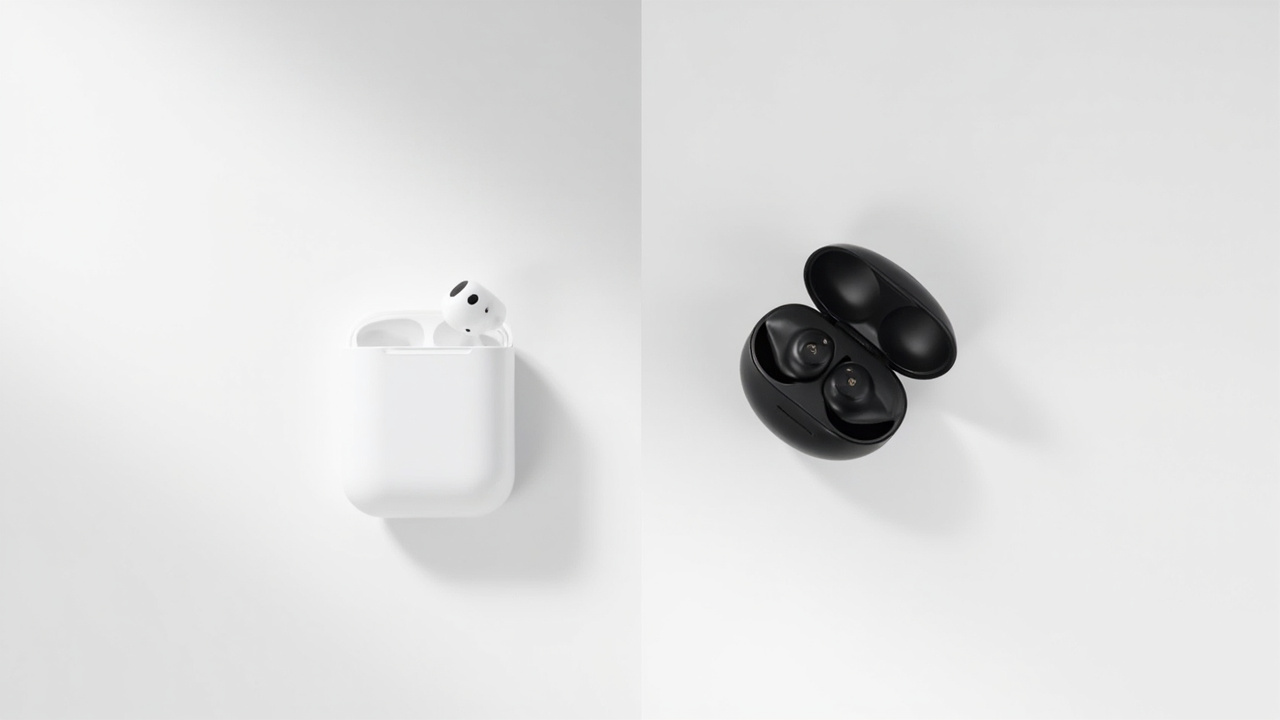
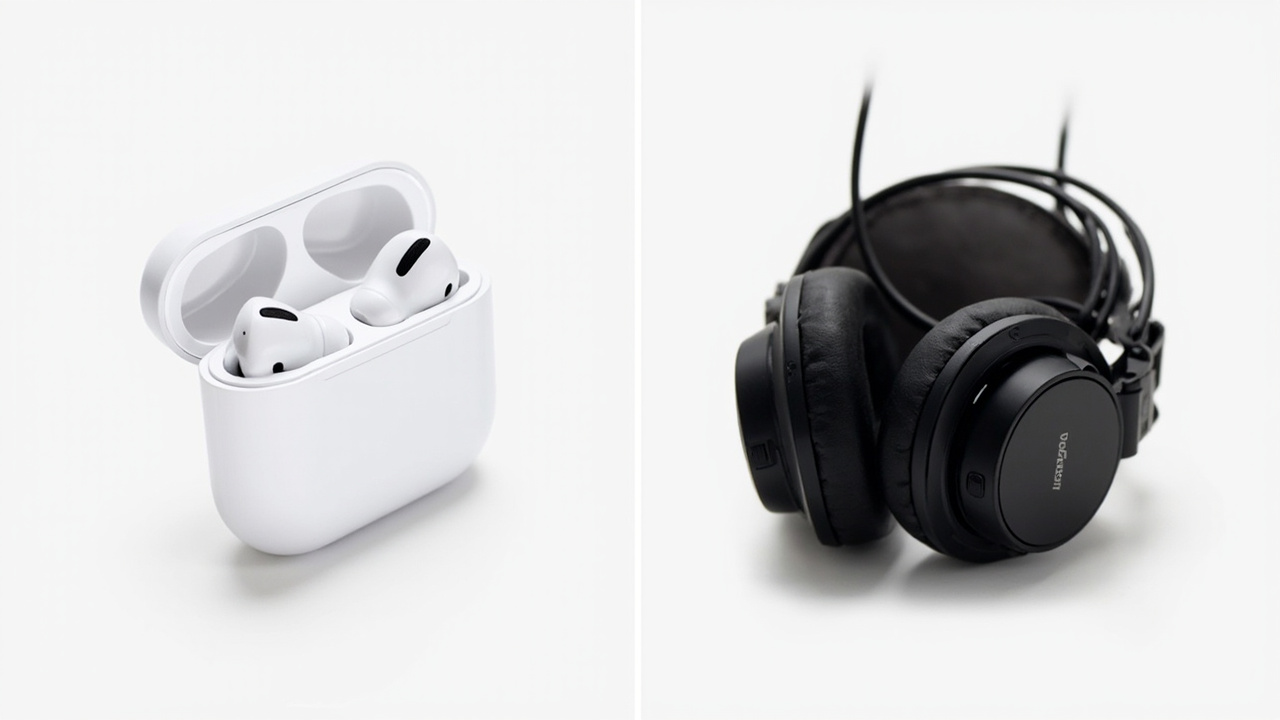
Here’s a comparison that doesn’t look fair on paper: Apple AirPods 4 ($129) versus Soundcore Space Q20i ($49).
They’re different form factors — open-ear earbuds vs over-ear headphones. Different brands. Different design philosophies. But here’s why this comparison matters more than the obvious specs suggest:
The $80 price gap ($129 - $49) raises a real question: Are the AirPods 4 actually delivering $80 more value than the Q20i? Or are you mostly paying for the Apple logo, the ecosystem, and the compact form factor?
The Q20i has hybrid ANC. AirPods 4 (base model) has no ANC at all. The Q20i lasts 40 hours on a charge with ANC on. AirPods 4 lasts 5 hours.
These numbers don’t tell the whole story — convenience, ecosystem, and portability matter too. Let’s break it down honestly.
The Verdict First
Choose Apple AirPods 4 if: You live in the Apple ecosystem, value pocketable portability above all else, and prefer the open-ear design for all-day comfort. The H2 chip, Personalized Spatial Audio, and seamless device switching are genuinely excellent — if you own an iPhone.
Choose Soundcore Space Q20i if: You need effective noise cancellation, long battery life, and don’t mind over-ear headphones for commuting or study. At $49, the Q20i delivers features that cost $200-300 on competing Sony or Bose headphones.
The honest take: These devices serve different purposes. For $129, the AirPods 4 are excellent at what they do — effortless portable listening within the Apple ecosystem. For $49, the Q20i offers dramatically more raw features (ANC, battery life, wired mode) at less than half the price. Pick your priority.
Spec Comparison
| Feature | Apple AirPods 4 | Soundcore Space Q20i |
|---|---|---|
| Type | Open-ear earbuds | Over-ear headphones |
| Retail Price | $129 | $49 |
| Active Noise Cancellation | ❌ No (ANC version is $179) | ✅ Hybrid ANC |
| Driver | Apple H2 chip + custom driver | 40mm dynamic drivers |
| Spatial Audio | ✅ Personalized with head tracking | ❌ Standard stereo |
| Battery (device) | 5h (up to 4h with ANC on ANC model) | 40h (ANC on) / 60h (ANC off) |
| Battery (total with case) | 30h | N/A (no case) |
| Fast Charge | 5 min = 1h | 5 min = 4h |
| Wired mode | ❌ Not supported | ✅ 3.5mm aux + USB-C audio |
| Multipoint | ❌ iCloud device switching only | ✅ Yes (2 devices) |
| Water Resistance | IP54 (earbuds + case) | ❌ Not rated |
| Weight | 4.8g per earbud | ~250g total |
| Case / Portability | Ultra-compact charging case | Foldable, needs bag |
| Colors | White | Black, Blue, White |
Design and Portability
Apple AirPods 4
The AirPods 4 are designed to be forgotten in your ears. At 4.8g per earbud with an open-ear design that doesn’t seal your ear canal, they’re among the most comfortable earbuds for all-day wear. The redesigned shape is slightly more contoured than AirPods 3, improving stability without sacrificing the open feel.
The charging case is more than 10% smaller than the previous generation — truly pocketable. The base model uses USB-C charging. The ANC version adds wireless charging and a speaker for Find My.
Portability score: Excellent. They disappear in a coin pocket.
Soundcore Space Q20i
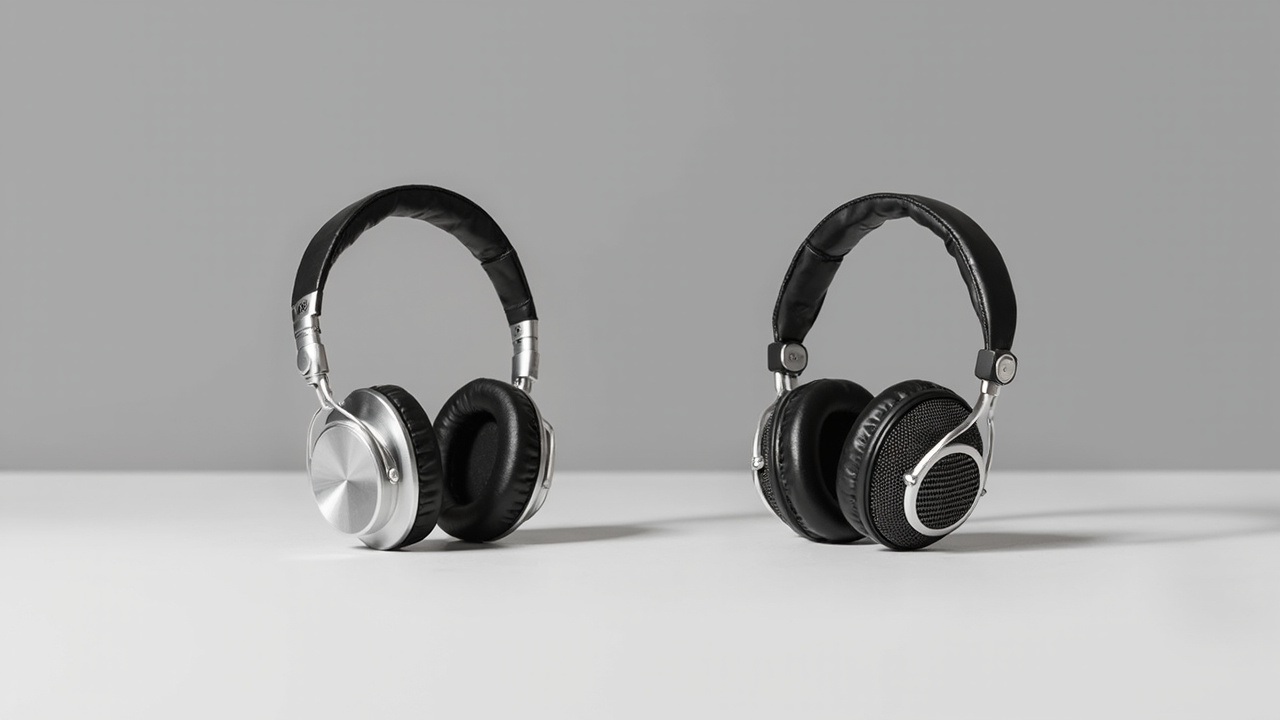
The Q20i is a full-size over-ear headphone at roughly 250g. It folds flat for travel, but you’re not pocketing these — they need a bag or carrying case.
The build is mostly plastic at this price point, but the headband padding is generous and the earcups use soft memory foam with leatherette covering. They’re comfortable for 2-3 hour sessions, though they warm up in hot weather.
Portability score: Acceptable. Better than full-size studio headphones, but clearly less portable than pocketable earbuds.
Sound Quality and ANC

Apple AirPods 4 — Open Sound, No Isolation
The AirPods 4 use Apple’s H2 chip to deliver surprisingly good sound for open-ear earbuds. The driver and acoustic design create a wide, airy soundstage with clear mids and highs. Bass is present but naturally lighter than sealed designs — physics limits what open-ear buds can do.
Personalized Spatial Audio with dynamic head tracking is the standout feature. It creates a theater-like experience where sound seems to come from around you rather than inside your head. For Apple Music subscribers watching supported content, it’s genuinely immersive.
The key limitation is zero passive or active noise isolation. AirPods 4 let in ambient sound by design. On a noisy subway, you’ll need to raise volume significantly. On an airplane, you’ll hear everything.
Soundcore Space Q20i — Hybrid ANC at a Budget Price
The Q20i’s 40mm custom drivers deliver a warm, bass-forward sound signature with BassUp mode that adds extra low-end punch. The default tuning is enjoyable for pop, EDM, and hip-hop — not audiophile-grade, but impressive for $49.
Hybrid ANC uses both feedforward and feedback microphones to cancel noise. In real-world use:
- Subway/train noise: Good reduction — not Sony WH-1000XM6 level, but enough to make commuting noticeably quieter
- Office chatter: Moderate reduction — voices become muffled but are still audible
- Airplane cabin: Serviceable — reduces engine drone well, but higher frequencies come through
The transparency mode is basic but functional for quick conversations without removing the headphones.
Winner: Q20i, if you value ANC. AirPods 4, if you prefer open-ear spatial audio and zero ear pressure.
Battery Life
| Scenario | AirPods 4 | Soundcore Q20i |
|---|---|---|
| Single charge | 5h | 60h (ANC off) / 40h (ANC on) |
| With case / total | 30h | N/A |
| Fast charge | 5 min = 1h | 5 min = 4h |
| Wired backup | No | Yes (aux + USB-C) |
This is the biggest gap between the two. The Q20i’s 40 hours with ANC on dwarfs the AirPods 4’s 5-hour single-charge battery. For a full work week of commuting, the Q20i might need charging once. AirPods 4 need charging every single day.
The AirPods 4 case provides 30 hours total across charges, but the individual earbud battery is the practical constraint — you can’t wear them through a long flight or work session without recharging mid-day.
Ecosystem and Features
AirPods 4 — Apple’s Secret Sauce
The AirPods 4’s killer feature isn’t sound quality — it’s Apple ecosystem integration:
- Instant pairing with iPhone/iPad/Mac
- Auto-switching between Apple devices logged into your iCloud account
- Siri interactions — nod yes or shake head to respond to notifications
- Voice Isolation — AI-powered filtering for phone calls
- Find My — locate lost earbuds and case
These features work seamlessly on iPhone, iPad, Mac, and Apple Watch. If you own multiple Apple devices, the convenience is hard to replicate with any non-Apple headphone.
Soundcore Q20i — Universal Compatibility
The Q20i is a standard Bluetooth headphone that works with anything:
- iPhone, Android, Windows, Mac — full compatibility
- Multipoint — connect to two devices simultaneously (e.g., phone + laptop)
- 3.5mm aux input — use as wired headphones when battery dies or with in-flight entertainment
- Soundcore app — EQ adjustment, ANC mode toggle, firmware updates
- USB-C audio — use as USB headset for PC/Mac
The Q20i gives you freedom from any ecosystem. It works with whatever device you own, including the Nintendo Switch, PlayStation, or Xbox controller (via aux).
Total Cost of Ownership (2-Year View)
| Item | Apple AirPods 4 | Soundcore Space Q20i |
|---|---|---|
| Retail price | $129 | $49 |
| Replacement eartips | Not applicable (no foam) | $5-10 (earpad replacement) |
| 2-year battery degradation | Moderate (Li-ion in small case) | Low (large Li-ion battery) |
| 2-year total | $129-139 | $49-59 |
| Cost per year | $65-70 | $25-30 |
The Q20i costs roughly $80 less upfront and saves another $15-20 over two years in accessories. Total savings: $90-100 over the ownership period.
At $49, you could buy the Q20i and still have $80 left over from what the AirPods 4 cost.
Pros and Cons
Apple AirPods 4
Pros:
- Ultra-compact — disappears in a pocket
- Open-ear design is comfortable for all-day wear
- H2 chip delivers great sound for open-ear buds
- Personalized Spatial Audio with head tracking is genuinely impressive
- Seamless Apple ecosystem integration (pairing, switching, Siri)
- IP54 dust/water resistance
- Strong resale value if you upgrade later
Cons:
- No ANC at $129 (need to pay $179 for ANC version)
- Zero noise isolation — you hear everything around you
- Only 5 hours battery on a single charge
- No multipoint Bluetooth (ecosystem switching only within Apple)
- No wired mode for airplane or backup
- Only one color (white)
- Requires iPhone for full feature set
Soundcore Space Q20i
Pros:
- $49 — less than half the price of AirPods 4
- Hybrid ANC effectively reduces ambient noise
- 40-hour battery with ANC on — best in class
- Multipoint Bluetooth for dual-device connections
- 3.5mm aux + USB-C audio for wired use
- BassUp mode for enhanced low-end
- Foldable design for travel
- Works with any device, any OS
- Soundcore app for customization
Cons:
- Over-ear design less portable than earbuds
- Bulkier — needs a bag, not a pocket
- ANC is good for the price but not Sony/Bose level
- Sound signature is bass-heavy (may not suit purists)
- No water resistance rating
- Build uses more plastic than premium headphones
- No official spatial audio support
Best For / Skip If
Buy Apple AirPods 4 if:
- You own an iPhone and prioritize Apple ecosystem convenience
- You want earbuds you can slip into a coin pocket
- All-day open-ear comfort is more important than noise blocking
- You use Spatial Audio with Apple Music or supported video content
- You don’t need noise cancellation for your daily routine
Buy Soundcore Space Q20i if:
- You’re on a budget and want maximum features for minimum spend
- You commute by subway, bus, or plane and need ANC
- You want a headphone that works with everything (phone, laptop, Switch, Xbox)
- Battery life is your top priority — 40 hours with ANC on
- You want the option of wired audio for in-flight entertainment
Skip AirPods 4 if:
- You need noise cancellation (you’ll need to pay $50 more for the ANC version)
- You commute in noisy environments regularly
- You use Android or want multipoint with non-Apple devices
- You need more than 5 hours of continuous battery
Skip Q20i if:
- You need pocketable audio that goes with you everywhere
- You want the seamless Apple ecosystem integration
- Open-ear design is more comfortable for your listening style
- You prefer neutral, balanced sound over bass-forward tuning
Bottom Line
The Apple AirPods 4 and Soundcore Space Q20i sit on opposite ends of the audio value spectrum — literally and philosophically.
AirPods 4 at $129 are a luxury in portability and ecosystem convenience. The open-ear design, H2 chip, and Spatial Audio create an experience that no over-ear headphone at any price can replicate. But the lack of ANC (at this price point) and the 5-hour battery are real limitations that you pay a premium for.
Space Q20i at $49 is the practical choice for people who want effective noise cancellation, 40-hour battery life, multipoint Bluetooth, and wired audio — all for an almost absurdly low price. The Q20i gives you features that cost 4-6x more from premium brands. The trade-off is the over-ear form factor and less portable design.
The $80 question is really about what you value more: the effortless pocketable Apple experience, or the ANC-packed over-ear value monster. Both are excellent at what they do. Neither is a bad buy.
If you’re an iPhone user who values convenience over everything, get the AirPods 4. If you want the most audio features for your dollar — including ANC, massive battery, and universal compatibility — get the Q20i and pocket the $80 difference.
Buy smart. Get more value.