Introduction
Here’s a number that puts this comparison in perspective: $129 vs $25.
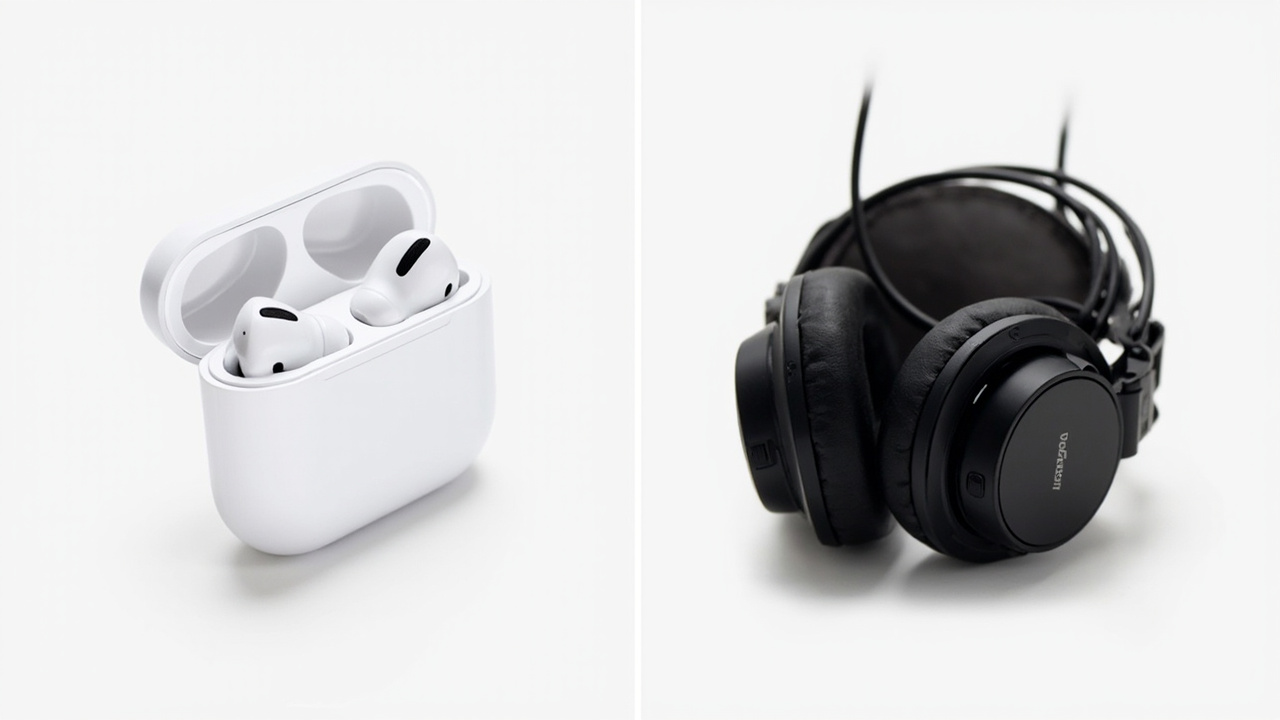
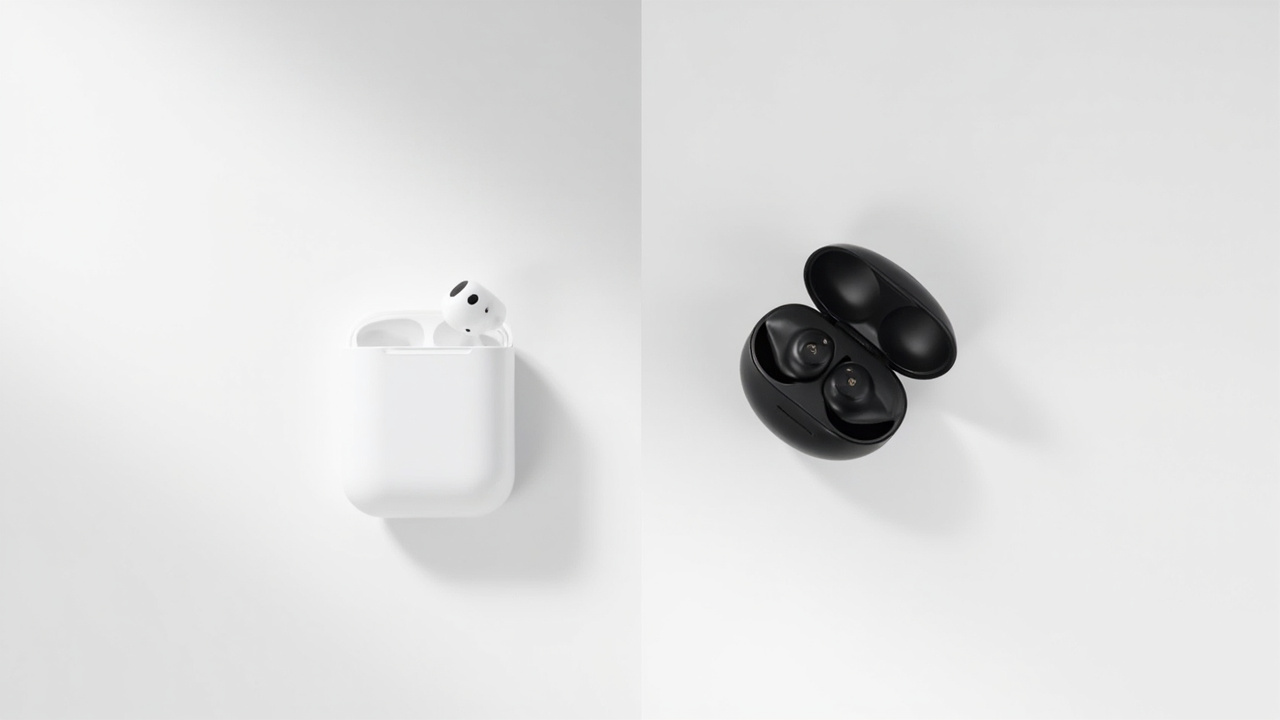
Apple AirPods 4 start at $129. JLab Go Air Pop+ costs under $25. That’s roughly a 12x price difference for two products that, on paper, do the same basic thing — play audio wirelessly from your phone to your ears.
Both are open-ear true wireless earbuds. Neither has active noise cancellation in the standard model. Both use USB-C. Both are compact.
So the question isn’t really about specs. It’s about what you’re actually paying for when you choose AirPods 4 over a JLab. And more importantly — does that thing have a dollar value that justifies 5x the price?
This is what BuyCospa is built to answer.
The Verdict First
- AirPods 4 win on ecosystem integration — if you live in the Apple world, nothing else connects as seamlessly
- JLab Go Air Pop+ wins on pure value — for $25, you get surprisingly solid audio, decent battery, and zero brand tax
- AirPods 4 win on sound quality per dollar — the H2 chip and spatial audio processing are genuinely better audio engineering
- JLab Go Air Pop+ wins on being the practical choice — if you lose earbuds often, travel lightly, or just refuse to spend $129 on audio
The real question: Are you buying earbuds, or are you buying into an ecosystem?
Key Comparison Points
Price vs Real Cost Per Use
| Product | Price | Battery Life (total) | Cost Per Hour of Audio |
|---|---|---|---|
| Apple AirPods 4 | $129 | 30 hours | ~$4.30/hour |
| JLab Go Air Pop+ | ~$23 | 32+ hours | ~$0.72/hour |
Calculation assumes you use 1 hour of audio per day over the listed total battery cycle before case degradation.
The JLab wins this math decisively. But cost-per-hour only matters if both products deliver comparable satisfaction per session. A $4/hour concert ticket vs a $0.72/hour podcast — the experiences aren’t equivalent.
What you’re paying $100 more for in AirPods 4:
- H2 chip with real-time audio processing
- Personalized Spatial Audio with dynamic head tracking
- Instant pairing and device switching across Apple devices
- Siri integration with voice isolation for calls
- Find My network support (crowd-sourced location)
- Conversation Awareness (auto-lowers volume when you speak)
- Superior call quality via beamforming microphones
What you give up with JLab Go Air Pop+:
- No spatial audio
- No head tracking
- Basic touch controls (no gesture depth)
- No voice assistant integration
- Case battery life degrades faster (typically 2-3 years before replacement needed)
- No crowd-sourced Find My (basic Bluetooth range only)
Sound Quality
This is where AirPods 4 pull ahead — and it’s not close.
AirPods 4 deliver what audiophiles call a neutral-ish signature with slight warmth. The H2 chip actively processes audio in real time, and Apple’s custom drivers produce surprisingly clean mids and treble for an open-ear design. Spatial Audio with head tracking creates a genuine sense of space, especially with supported content.
JLab Go Air Pop+ sound perfectly fine for casual listening. They’re not trying to be audiophile gear. Bass is present but not emphasized, mids are slightly recessed, and treble can get harsh at higher volumes. For podcasts, YouTube, and background music — completely adequate.
The catch: Open-ear earbuds of any brand sacrifice bass response compared to in-ear designs with a proper seal. If deep bass matters to you, neither of these will satisfy. Look at in-ear options.
Winner: AirPods 4 — meaningfully better audio engineering, not just a branding premium.
Build Quality and Durability
AirPods 4 use a redesigned vent system and updated driver housing that’s more comfortable for long sessions and more stable during movement. The case is smaller than the AirPods 3, IPX4 sweat-resistant for the earbuds, and Apple’s build quality is consistently excellent.
JLab Go Air Pop+ uses 全塑料 construction that feels appropriately cheap for the price. The earbuds are lightweight (they’re literally lighter than AirPods 4), the case is compact with an integrated USB-C cable in some models, and they also offer sweat resistance.
Durability reality check: Both will last 2-3 years with normal use. Apple’s ecosystem support means AirPods 4 get software updates longer. JLab has a track record of releasing new budget models rather than maintaining old ones.
Winner: AirPods 4 — longer software support and more robust design, but the practical difference in daily use is minimal.
Ecosystem vs Independence
This is the real comparison, and it’s not about audio quality at all.
AirPods 4 are designed to work instantly with any Apple device signed into your iCloud account. iPhone setup takes 3 seconds. iPad, Mac, and Apple Watch all recognize them automatically. Audio can hand off between devices mid-session. This sounds like marketing fluff until you’ve used it daily.
JLab Go Air Pop+ works with any Bluetooth device — iPhone, Android, Windows PC, Nintendo Switch, anything. No accounts, no ecosystem lock-in. If you switch between platforms daily, this is genuinely valuable.
The ecosystem tax calculation:
If you’re a committed Apple user (iPhone + iPad + Mac), the AirPods 4 ecosystem integration is worth real money. The seamless handoff, Find My network, and Siri integration are conveniences you’ll use hundreds of times.
If you’re an Android user or multi-platform user, you’re paying $100 for a feature that doesn’t exist for you. The JLab is the obvious smart choice.
Battery Life
| Spec | AirPods 4 | JLab Go Air Pop+ |
|---|---|---|
| Single charge | 5 hours | 8 hours |
| With case total | 30 hours | 32+ hours |
| Charging | USB-C, wireless (ANC model) | USB-C |
| Fast charge | 5 min = 1 hour | 15 min = 1 hour |
JLab technically wins on total hours, but AirPods 4 have a more efficient single-charge experience and wireless charging on the ANC model.
Pros and Cons
Apple AirPods 4
Pros:
- Genuinely superior audio quality with H2 chip processing
- Spatial Audio with head tracking adds real dimensionality
- Best-in-class ecosystem integration for Apple users
- Excellent call quality with Voice Isolation
- Compact case with USB-C
- Conversation Awareness auto-lowers playback when you speak
- Find My network (crowd-sourced Bluetooth location)
- 2+ years of software updates guaranteed
Cons:
- No ANC in the base model — $129 with no noise cancellation
- Full ecosystem features require iPhone/iCloud — useless on Android
- Expensive for what you get if you don’t live in Apple world
- Easy to lose due to small size and white color
- Apple battery replacement program is expensive ($89 battery service)
JLab Go Air Pop+
Pros:
- Astoundingly good value at under $25
- Works with any Bluetooth device, any platform
- Surprisingly decent audio for casual listening
- 8 hours per charge outpaces AirPods 4 significantly
- Lightweight and comfortable for long sessions
- USB-C charging
- Easy to replace if lost or broken
Cons:
- No spatial audio or head tracking
- Basic touch controls with limited gesture support
- No voice assistant integration
- Battery degradation faster than Apple (2-3 year practical lifespan)
- Case build quality feels cheap
- No advanced Find My features
- No conversation awareness or adaptive audio
- Call quality adequate but not excellent
Best For / Skip If
Buy AirPods 4 if:
- You use an iPhone as your primary device
- You want spatial audio with head tracking for movies/shows
- Call quality matters (frequent phone/video calls)
- You value ecosystem integration over raw features
- You want a product that’ll get updates for 3+ years
Skip AirPods 4 if:
- You use Android or switch between platforms
- You’re budget-conscious and just want “earbuds that work”
- You frequently lose or damage accessories
- You primarily listen to podcasts and don’t care about spatial audio
- You already own AirPods Pro 2 — the value overlap is too high
Buy JLab Go Air Pop+ if:
- You want solid audio on an extremely tight budget
- You use Android or multiple device platforms
- You’re a student who needs something cheap and reliable
- You want backups that don’t cost $129 to replace
- You listen primarily to spoken content (podcasts, audiobooks)
Skip JLab Go Air Pop+ if:
- You live in the Apple ecosystem and want full integration
- Spatial audio and head tracking matter to you
- You take a lot of calls and need excellent microphone quality
- You want products that receive long-term software support
Bottom Line
Buy smart. Get more value.
AirPods 4 cost $129 and are worth every penny if you’re inside the Apple ecosystem. The H2 chip, spatial audio, ecosystem integration, and call quality are genuine engineering achievements — not just a brand premium.
JLab Go Air Pop+ cost $23 and deliver remarkable value if you just need reliable wireless audio without ceremony. They’re not trying to compete with AirPods on features. They’re competing on being good enough, cheap enough, and easy to replace.
The 12x price gap is real, and so is the capability gap. But “real” doesn’t mean “worth it for everyone.” It means worth it for the right person.
Figure out which person you are.