Introduction
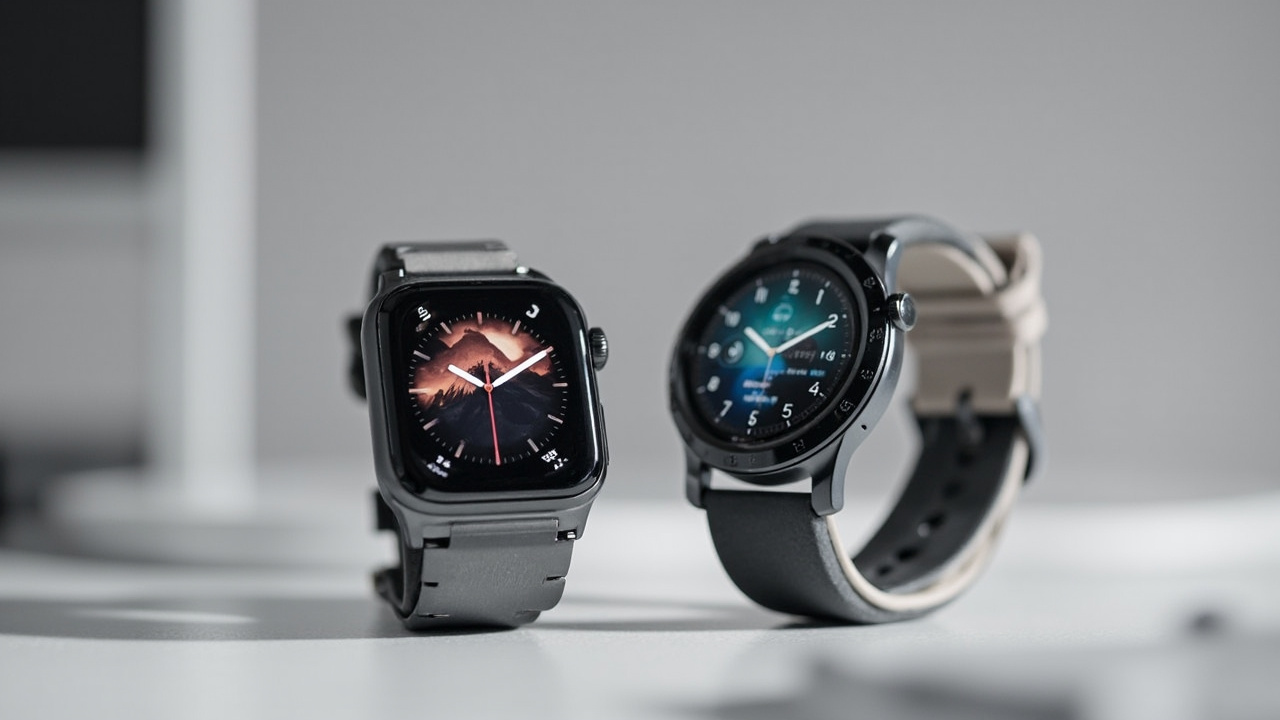
Two names dominate the premium smartwatch conversation: Apple Watch Ultra 2 and Samsung Galaxy Watch 6 Classic. They represent the best each platform has to offer — but here’s the catch most comparisons gloss over.
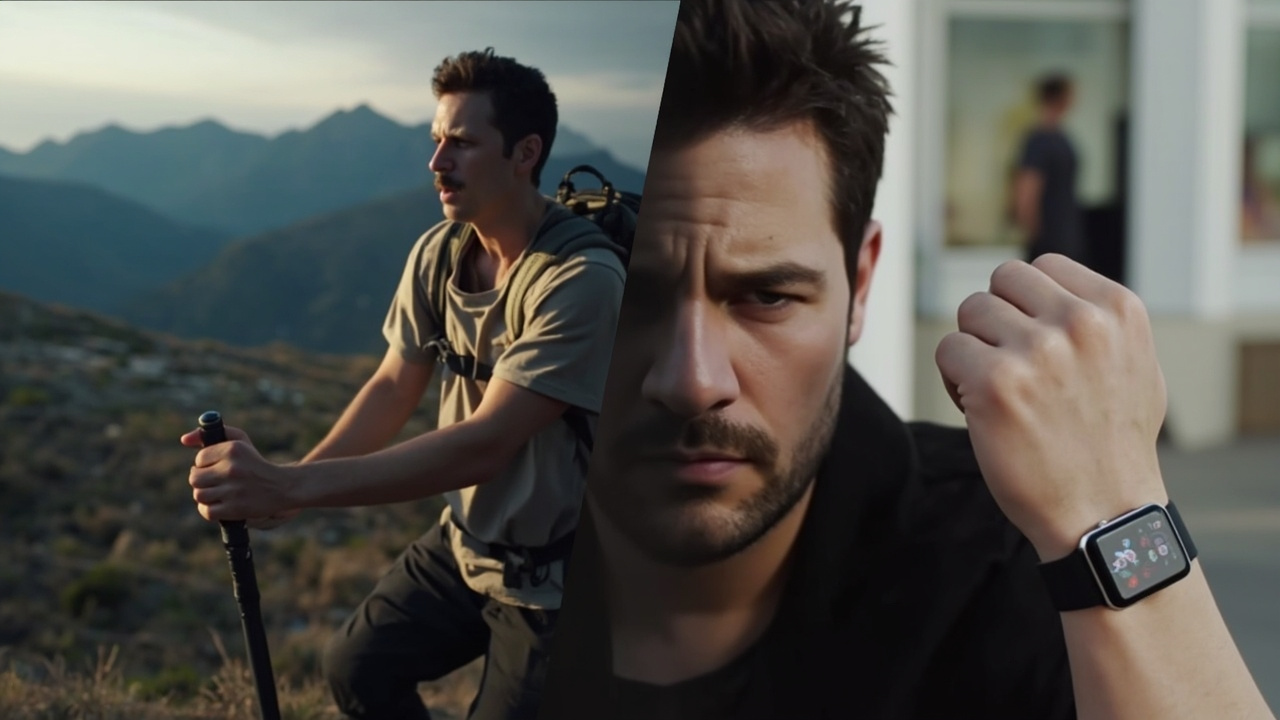
These two watches are not fighting the same battle. The Apple Watch Ultra 2 is built for one specific person: the outdoor athlete who refuses to compromise. The Galaxy Watch 6 Classic is built for the person who wants a premium dress watch that also happens to track their health.
The $400 price gap between them ($799 vs $399) isn’t arbitrary. It’s a signal. Let’s break down what you’re actually paying for.
The Verdict First
Choose Apple Watch Ultra 2 if: You own an iPhone, prioritize battery life above all else, and need a watch that can survive multi-day expeditions without charging.
Choose Samsung Galaxy Watch 6 Classic if: You use an Android phone (especially Samsung), want the classic watch aesthetic with a rotating bezel, and prefer paying less for a more versatile everyday smartwatch.
The honest take: Neither watch is universally “better.” The Galaxy Watch 6 Classic wins on value for most Android users. The Ultra 2 wins on raw endurance and iPhone integration. Your phone ecosystem is the real deciding factor — not specs.
Design and Build Quality
Apple Watch Ultra 2
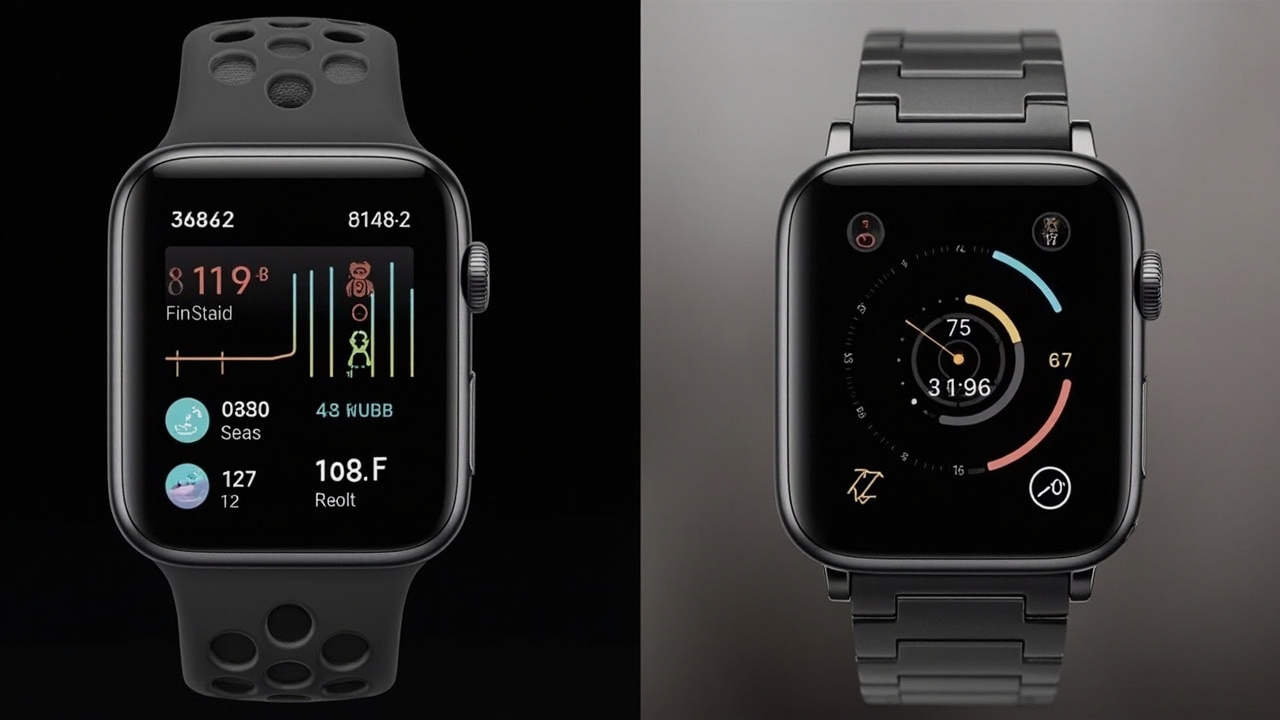
The Ultra 2 is unapologetically a tool watch. At 49mm with a titanium case and flat sapphire crystal, it looks like it belongs on a mountain, not in a boardroom. Apple gave it a raised bezel to protect the display, and the action button in bright orange is impossible to miss with gloves on.
The display hits 3000 nits peak brightness — the brightest Apple has ever shipped. In direct sunlight on a trail, this matters. The always-on display is easy to read at a glance without raising your wrist.
Build-wise: MIL-STD-810H certified, water-resistant to 100m, and built for extreme temperatures. If you’re the kind of person who might accidentally drop their watch off a cliff, the Ultra 2 is designed for that.
Samsung Galaxy Watch 6 Classic
The Galaxy Watch 6 Classic takes the opposite approach. At 47mm with a stainless steel case and genuine sapphire crystal, it looks like a luxury timepiece that happens to have a screen. The rotating bezel isn’t just a nostalgic design choice — it’s genuinely useful for navigating menus without smudging the display.
The display peaks at around 600 nits. Perfectly readable indoors, but noticeably dimmer than the Ultra 2 in bright outdoor conditions. It’s a trade-off: the Classic prioritizes aesthetics over outdoor readability.
Build-wise: IP68 rated and MIL-STD-810H certified. The 47mm model feels substantial without being heavy, and the watch band mechanism is standard 20mm — easier to replace than Apple’s proprietary straps.
Comparison Table
| Feature | Apple Watch Ultra 2 | Samsung Galaxy Watch 6 Classic |
|---|---|---|
| Case Size | 49mm | 47mm |
| Case Material | Titanium | Stainless Steel |
| Display Brightness | 3000 nits peak | ~600 nits |
| Bezel | Raised protective | Rotating |
| Weight | ~61g | ~52g |
| Water Resistance | 100m (EN13319) | IP68 (1.5m / 30 min) |
| MIL-STD-810H | Yes | Yes |
| Strap System | Proprietary | Standard 20mm |
Health and Fitness Tracking
Apple Watch Ultra 2
Apple’s health platform is the most comprehensive consumer offering on the market. The Ultra 2 includes:
- Blood Oxygen (SpO2) monitoring
- ECG app
- Heart rate tracking (high/low notifications)
- Sleep tracking (with stage analysis)
- Temperature sensing (wrist temperature during sleep)
- Cycle Tracking with low room-temperature prediction
- Fall Detection and Crash Detection
- Precision dual-frequency GPS (L1 + L5) for accurate outdoor tracking
The Ultra 2’s fitness ecosystem is deep: Apple Fitness+ ($9.99/month) offers guided workouts with metrics displayed on-screen. The activity rings are visually simple but psychologically effective for building daily movement habits.
For outdoor athletes specifically, the depth gauge (to 40m for diving) and 86dB siren (audible up to 180m) make it the most capable adventure companion in this comparison.
Samsung Galaxy Watch 6 Classic
Samsung’s BioActive Sensor platform competes seriously with Apple:
- BioElectric Impedance Analysis (BIA) for body composition (weight, muscle mass, fat percentage, water)
- Optical heart rate sensor
- ECG and Blood Pressure monitoring
- Blood Oxygen monitoring
- Sleep tracking with snoring detection and stage analysis
- Fall Detection
Samsung Health ($0, with premium tiers) is a solid platform, though the Galaxy Watch’s fitness tracking works best within the Samsung ecosystem — particularly when paired with other Galaxy devices.
One edge Samsung holds: blood pressure monitoring is available in more regions than Apple’s similar feature, and BIA body composition is genuinely useful for anyone tracking body composition changes.
The Honest Take on Health Tracking
Both platforms track essentially the same metrics. The real differences are in platform lock-in and app ecosystem depth. Apple Health has better third-party app support. Samsung Health integrates more naturally with Samsung Galaxy phones.
For the average user tracking daily steps, sleep, and workouts — both are excellent. For serious athletes who depend on GPS accuracy and data export — the Ultra 2’s dual-frequency GPS has a meaningful edge.
Battery Life
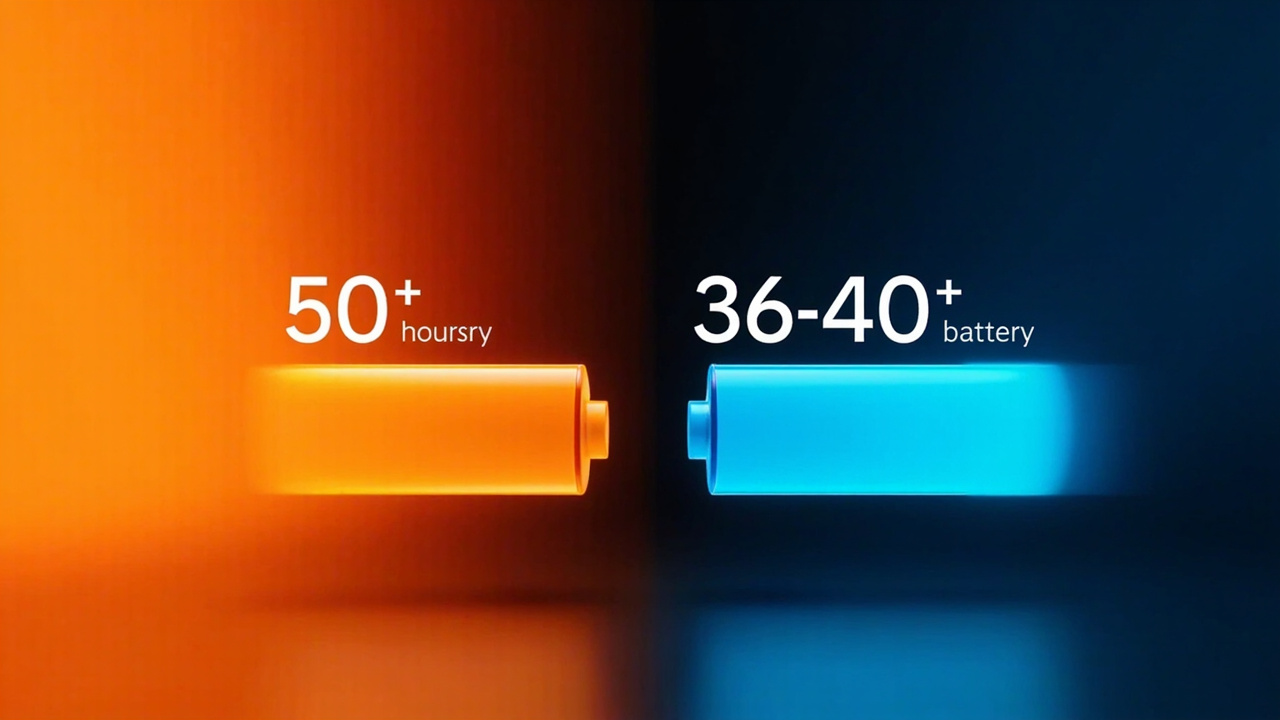
This is where the Ultra 2 pulls decisively ahead.
Apple Watch Ultra 2
Apple rates the Ultra 2 at 36 hours with normal use, and in practice, many users report 40-60 hours depending on settings. Turn off always-on display and reduce brightness, and you can push toward 72 hours in low-power modes.
For multi-day hikes or expeditions where charging access is limited, the Ultra 2’s battery is a genuine advantage. The siren and precision GPS also depend on battery life — Apple didn’t compromise here.
Samsung Galaxy Watch 6 Classic
The Galaxy Watch 6 Classic (47mm) is rated at approximately 40 hours in typical use. That’s respectable for a Wear OS watch, but the Ultra 2 maintains a real-world gap of roughly 2x in mixed usage.
Wear OS is inherently more power-hungry than watchOS, and Samsung’s always-on display mode eats into that further. If you’re used to charging every two days, you’ll need to adjust to every day or day-and-a-half with the Classic.
The Winner
Apple Watch Ultra 2 — by a significant margin. If battery life is your top criterion, this isn’t a close race.
Ecosystem and Software
Apple Watch Ultra 2 (watchOS 10+)
The Apple Watch Ultra 2 runs watchOS, currently one of the most refined smartwatch platforms available. App selection is deep, notifications are well-managed, and the haptic feedback is class-leading.
Key integrations: Apple Maps (with offline maps on watch), Apple Pay, Siri, AirPods auto-switching, Find My for locating lost items.
The catch: iPhone required. Without an iPhone, the Ultra 2 is significantly limited. If you own an Android phone, the Ultra 2 is not an option.
Samsung Galaxy Watch 6 Classic (Wear OS 4)
The Galaxy Watch 6 Classic runs Wear OS powered by Samsung — essentially Samsung’s layer on top of Google’s Wear OS platform. The result is a more customizable experience with good Google integration (Google Maps, Google Wallet, Assistant).
The honest issue: Wear OS remains less refined than watchOS in day-to-day smoothness. Samsung’s One UI Watch skin is solid, but third-party app quality lags behind Apple. Some apps that exist on watchOS simply aren’t available on Wear OS.
Android only (with best experience on Samsung Galaxy phones). If you use a Pixel or other Android phone, the experience is slightly degraded due to missing Samsung Health Monitor features. If you’re on iPhone, the Classic is not an option.
Price Breakdown
| Specification | Apple Watch Ultra 2 | Samsung Galaxy Watch 6 Classic |
|---|---|---|
| Retail Price | $799 | $399 (47mm) |
| 3-Year Cost (with chargers, bands) | ~$950 | ~$500 |
| Cost Per Year (3-year cycle) | ~$317 | ~$167 |
| Band Replacement | $50-100 each | $30-50 each |
| Official Charger | Included | Sold separately |
| Sources | Apple.com, Tom’s Guide | Samsung.com, Android Authority |
The Galaxy Watch 6 Classic costs $400 less upfront. Factor in a standard 3-year replacement cycle, and the total cost gap grows to roughly $450-500 depending on accessories.
Pros and Cons
Apple Watch Ultra 2
Pros:
- Exceptional 36-60 hour battery life
- 3000 nit display is readable in any condition
- MIL-STD-810H rugged build with 100m water resistance
- Dual-frequency precision GPS for accurate outdoor tracking
- Depth gauge and 86dB siren for adventure scenarios
- Best-in-class health platform with deep third-party app support
- Premium titanium build
Cons:
- iPhone required — zero compatibility with Android
- $799 is a significant premium
- Proprietary strap system limits aftermarket options
- Larger 49mm case too bulky for some wrists
- Siren feature is niche (useful only for specific outdoor situations)
Samsung Galaxy Watch 6 Classic
Pros:
- Elegant rotating bezel design that feels premium and functional
- $400 less expensive than Ultra 2
- BIA body composition tracking gives unique health insights
- Blood pressure monitoring available in more regions
- Standard 20mm strap system is widely compatible
- Good Google integration (Maps, Wallet, Assistant)
- Wear OS works with any Android phone
Cons:
- Battery life meaningfully shorter than Ultra 2 (~40 hours real-world)
- 600 nit display harder to read in bright sunlight
- Wear OS is less smooth than watchOS in day-to-day use
- Best fitness features require Samsung Galaxy phone
- iPhone completely unsupported
Best For / Skip If
Buy Apple Watch Ultra 2 if:
- You own an iPhone and want the best possible Apple Watch experience
- Battery life on a single charge is non-negotiable (multi-day outdoor use)
- You need dual-frequency GPS for serious trail running or cycling
- You dive or swim at depth (100m water resistance)
- You regularly find yourself in situations where the siren and emergency features matter
Buy Samsung Galaxy Watch 6 Classic if:
- You use an Android phone and want premium design at a reasonable price
- You prefer the classic watch aesthetic with a rotating bezel
- Body composition tracking (BIA) is part of your health routine
- You want Google integration without buying a Pixel
- You prefer a more affordable everyday smartwatch
Skip Apple Watch Ultra 2 if:
- You carry an Android phone (it’s not compatible)
- You want a watch that looks like a traditional timepiece
- $799 is outside your budget — the Classic offers 90% of the functionality at half the price
Skip Samsung Galaxy Watch 6 Classic if:
- You need more than 40 hours of battery life
- You do serious outdoor expeditions where 100m water resistance matters
- You rely on Apple ecosystem apps for fitness tracking
- You need maximum brightness for outdoor readability
Bottom Line
The Apple Watch Ultra 2 vs Samsung Galaxy Watch 6 Classic comparison isn’t really about which watch is “better” — it’s about which watch is better for you.
If you’re in the Apple ecosystem with an iPhone, the Ultra 2 is the obvious choice. The battery life alone justifies the premium for anyone who values it. The extra $400 buys you ruggedness, endurance, and a platform that just works.
If you’re on Android, the decision is simpler: the Galaxy Watch 6 Classic at $399 is a remarkably complete package. You get premium materials, the satisfying rotating bezel, solid health tracking, and Google’s app ecosystem — all without blowing your budget.
The one scenario where the Ultra 2’s premium is genuinely hard to justify: Android users who want a premium smartwatch. Samsung made that $400 choice easy.
Buy smart. Get more value.