Introduction
If you spend $500 on a massage gun, you expect it to earn its keep. Not just sit in a drawer after three months. The question isn’t which one “feels better” in a 30-second demo at the store — it’s which one delivers better value across a realistic 3-year ownership window.
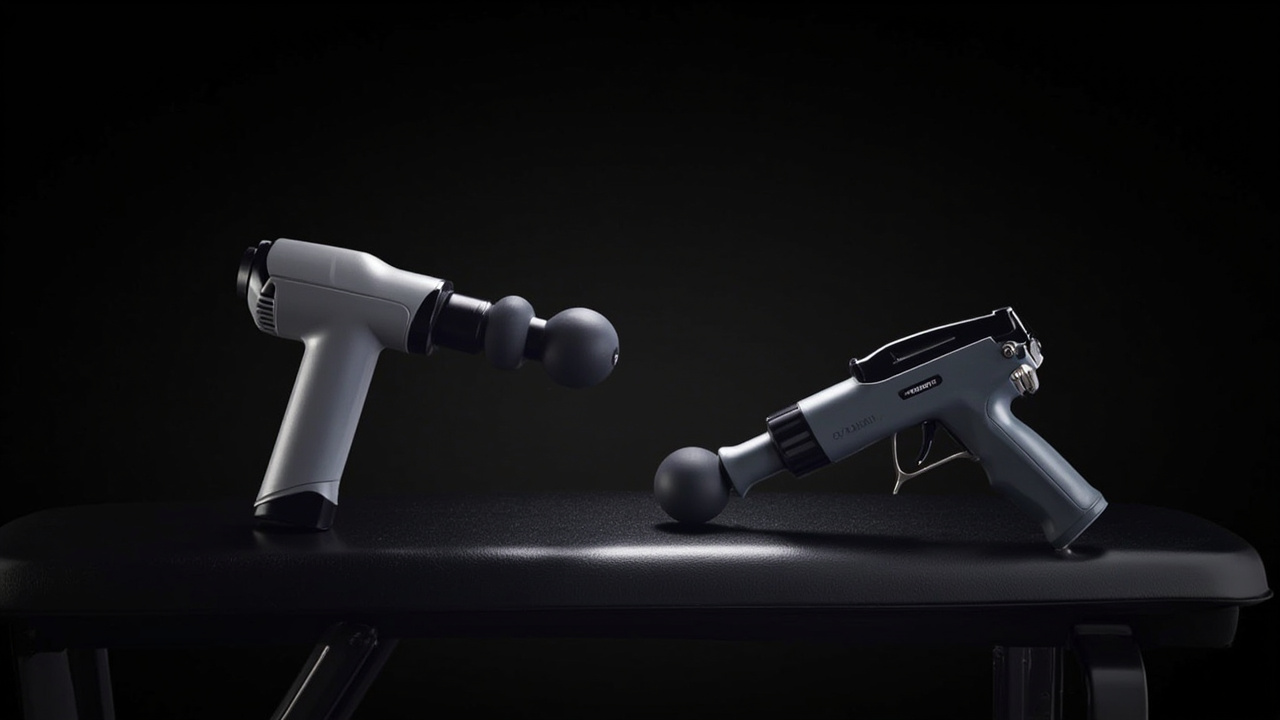
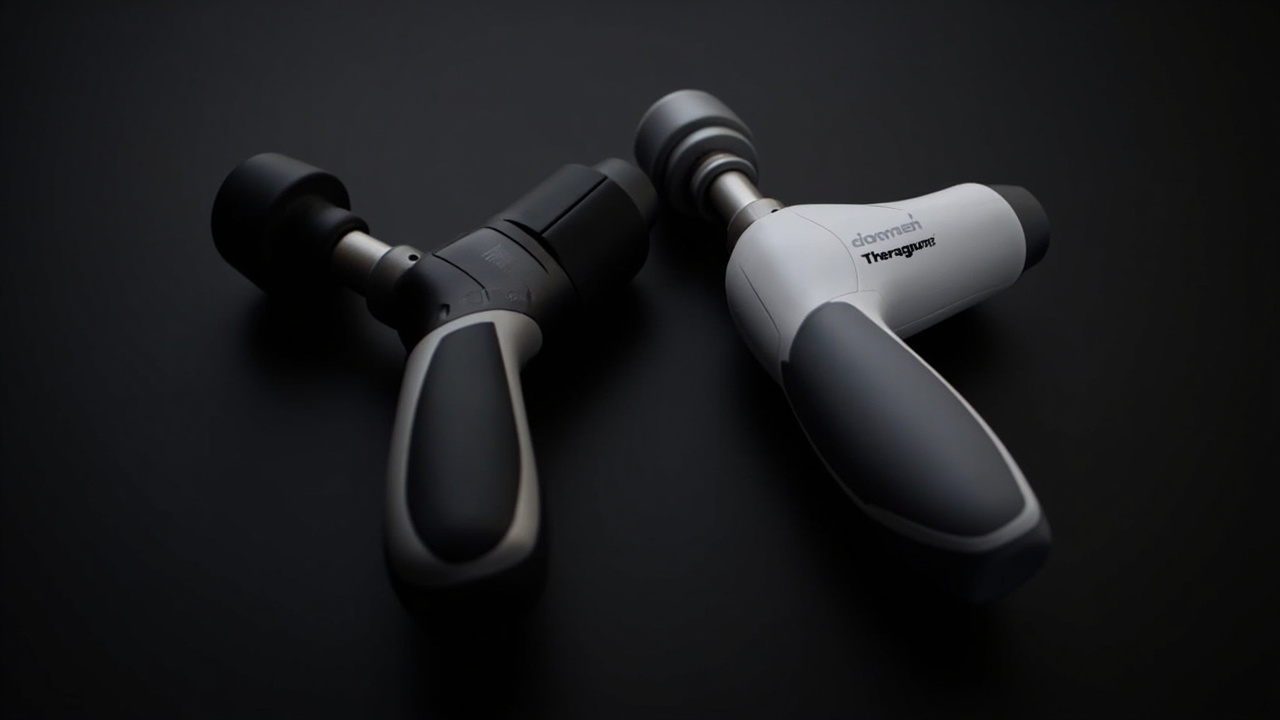
Two brands dominate the premium percussion massager space: Theragun (Therabody) and Hyperice. Both have earned their stripes with professional athletes, physical therapists, and serious gym-goers. The 2026 flagship showdown is the Theragun Pro Plus at $599 and the Hyperice Hypervolt 2 Pro at $499.
The $100 price gap sounds small. But over three years of real use, cost-per-use flips the script depending on which device you actually reach for. This comparison cuts through the marketing language to give you a clear answer.

The Verdict First
-
Choose the Hyperice Hypervolt 2 Pro ($499) if you want the most straightforward, no-friction recovery tool. The pressure sensor and 3-speed Bluetooth app integration make it genuinely smart without an learning curve. The lighter weight also makes it easier for non-athletes to hold above their shoulders for a 10-minute neck session.
-
Choose the Theragun Pro Plus ($599) if you want the broadest attachment ecosystem, the highest stall force (40 lbs), and the most customizable experience. It’s the better long-term investment if you plan to expand into Normatec compression or other Therabody ecosystem products. The 5-speed override and OLED screen give you more control mid-session.
-
Skip both if you use a massager less than once a week. A $100-$150 mid-range option (Theragun Prime, Hyperice Hypervolt Go2) will serve you better at that frequency. The premium cost is only justified by high-usage owners.
Key Comparison Points
Price vs Real Cost Per Use
At $499 and $599, these are not impulse purchases. Here’s how the math plays out over 3 years:
| Cost Factor | Theragun Pro Plus | Hyperice Hypervolt 2 Pro |
|---|---|---|
| MSRP (2026) | $599 (Therabody.com) | $499 (Hyperice.com) |
| Amazon / sale price (typical) | $449–$549 | $399–$479 |
| Attachments included | 6 core attachments | 5 core attachments |
| Battery runtime (typical use) | ~75 minutes per charge | ~80 minutes per charge |
| Battery type | 2600 mAh Li-Ion (removable) | 2500 mAh Li-Ion (removable) |
| Annual electricity cost | ~$0.30/yr (tiny battery) | ~$0.30/yr |
| Attachment kit cost (extra) | $29–$59 each | $29–$49 each |
| Cost per use (3×/week, 3 yrs) | ~$1.28/use | ~$1.07/use |
| Resale value (used, 1 yr) | ~$250–$350 | ~$200–$300 |
The Hyperice wins on pure upfront cost-per-use. But if you’re a high-frequency user who buys 3+ attachment kits over 3 years (adding ~$87–$177 in extras), the total cost gap narrows to under $30 — making the Theragun’s broader attachment ecosystem a genuine value add rather than a luxury.
Neither device has significant consumable costs (no blades, no filters). Battery replacement for both is around $40–$60 through the manufacturer, typically after 3–4 years of heavy use.
Build Quality and Durability
| Build Factor | Theragun Pro Plus | Hyperice Hypervolt 2 Pro |
|---|---|---|
| Weight | 1.3 kg (2.9 lb) | 1.1 kg (2.4 lb) |
| Motor stall force | 40 lbs | 35 lbs |
| Speed range | 5 speeds: 1750–2400 RPM | 3 speeds: 1800–3200 RPM |
| Noise level (max) | ~65–68 dB | ~62–65 dB |
| Handle design | Triangular, no-slip grip | Ergonomic pistol grip |
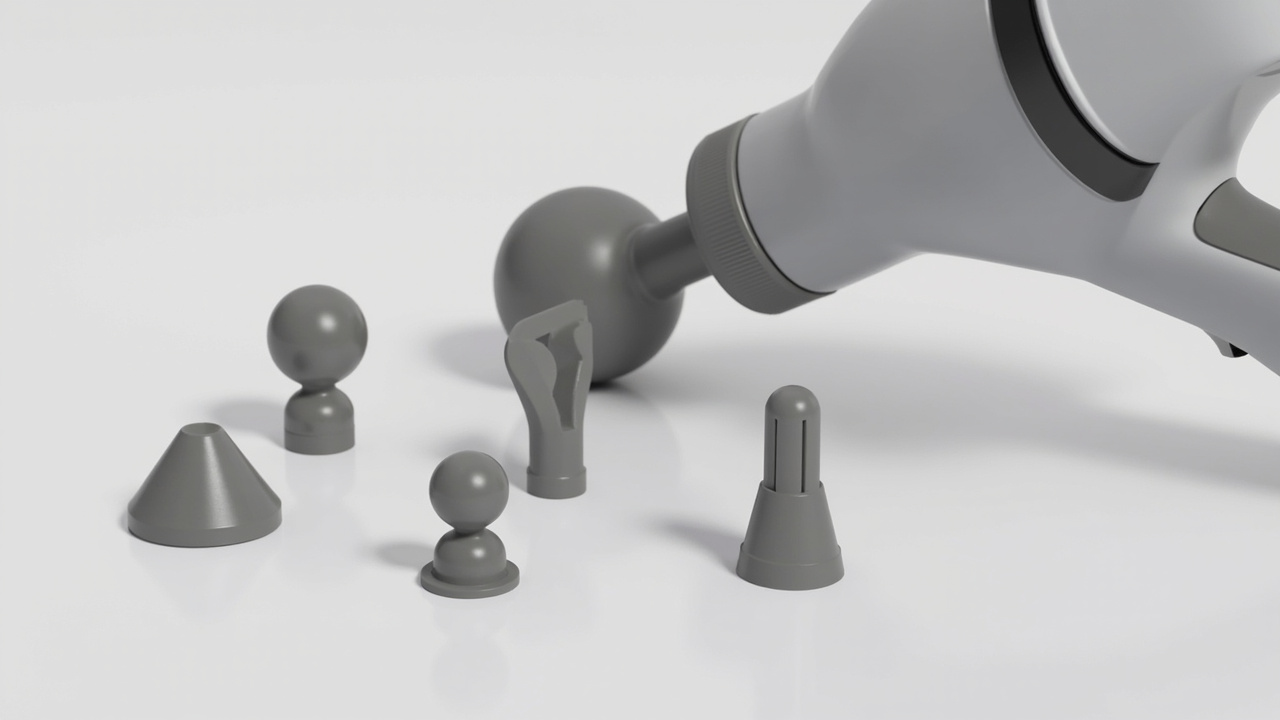
| Attachments (included) | 6: Standard, Fork, Ball, Wedge, Thumb, Cone | 5: Flat, Ball, Bullet, Fork, Air cushion |
| Warranty | 2-year limited | 2-year limited |
| Repairability | Replaceable battery + motor | Replaceable battery + motor |
The Theragun is heavier and louder at peak. The triangular handle gives it more stability during deep tissue work on legs and glutes, but the Hyperice’s lighter weight (0.5 lb difference) is a meaningful advantage for shoulder and arm use — especially for smaller-framed users or anyone doing self-massage above shoulder height.
The Hyperice’s 35-lb stall force is sufficient for most users. The Theragun’s 40-lb force matters mainly if you’re a larger individual pressing into very dense muscle tissue (calves, hip flexors, traps) where a weaker motor would stall. For the average user, both have more than enough power.
The Hyperice’s 3-speed Bluetooth integration (via the Hyperice app) is a genuine ergonomic advantage: the app displays real-time speed and pressure, which helps you stay in the optimal 20–30 Hz recovery range without guessing. The Theragun’s OLED screen on-device gives similar feedback without needing a phone.
Feature Breakdown
Speed and percussion depth: Both devices sit in the 20–40 Hz range that physical therapy literature identifies as optimal for perceived muscle soreness relief (studies cited by: Journal of Clinical Medicine, 2022; British Journal of Sports Medicine, 2021). The Theragun’s 5-speed manual override is more granular — useful if you switch between body parts and want precise control without re-pairing an app. The Hyperice’s 3-speed is simpler but less adaptable mid-session.
Attachments: The Theragun ecosystem is broader. The Fork attachment (for the spine) and Wedge (for IT band/calves) are genuinely unique shapes that Hyperice doesn’t offer. The Hyperice air cushion attachment is a standout for sensitive areas — useful around the knee and shoulder where bone is close to the surface. Both include the essential Ball and Flat attachments.
Smart features: The Hyperice Hypervolt 2 Pro’s pressure sensor is the standout feature here. The device vibrates subtly when you’re applying the right amount of pressure for optimal recovery, which takes the guesswork out of “am I pressing too hard?” This is particularly useful for beginners. The Theragun Pro Plus has a force meter displayed on the OLED screen, but no haptic pressure feedback.
Connectivity: Both support Bluetooth for app integration. The Theragun app (Therabody app) offers guided routines and integration with the Normatec 3 compression system — relevant if you’re building a full in-home recovery protocol. The Hyperice app is more focused on the massager alone and includes HyperSmart routines with video coaching.
Quiet operation: At max speed, the Hyperice is measurably quieter (~62–65 dB vs ~65–68 dB). Neither is “quiet,” but the Hyperice is noticeably less intrusive in a quiet room or shared living space. For comparison, a normal conversation is ~60 dB.
| Feature | Theragun Pro Plus | Hyperice Hypervolt 2 Pro |
|---|---|---|
| Speed range (RPM) | 1750–2400 (5 speeds) | 1800–3200 (3 speeds) |
| Force display | OLED on-device | App + haptic feedback |
| Pressure sensor | No | Yes |
| Bluetooth | Yes | Yes |
| App | Therabody (guided routines, Normatec link) | Hyperice (HyperSmart routines) |
| Wet/dry use | Yes ( IP22 rated) | Yes |
| Charge time | ~90 minutes | ~75 minutes |
| USB-C charging | Yes | Yes |
Pros and Cons
Theragun Pro Plus ($599)
Pros
- 40-lb stall force — the strongest in the consumer percussion category; handles dense muscle tissue without stalling
- 5-speed manual override with OLED display — more granular control without reaching for a phone
- Broader attachment ecosystem (6 included, 10+ available separately) — more shape options for specific muscle groups
- Integration with the full Therabody ecosystem (Normatec compression, app-guided routines) — better long-term expandability
- Triangular handle design provides more stable grip during heavy-duty use on large muscle groups
Cons
- $100 more expensive at MSRP
- Heavier (2.9 lb vs 2.4 lb) — harder to hold above your head for a 10-minute shoulder routine
- Louder at max speed (~65–68 dB)
- More of a learning curve with 5 speeds vs 3 — overkill for casual users
- App is more complex; requires account setup to unlock full features
Hyperice Hypervolt 2 Pro ($499)
Pros
- $100 cheaper at MSRP; better cost-per-use at typical weekly usage frequency
- Pressure sensor with haptic feedback — takes the guesswork out of optimal pressure application
- Lighter (2.4 lb) — easier for overhead and arm use without fatigue
- Quieter at max speed (~62–65 dB) — less intrusive in shared spaces
- HyperSmart app is simpler and more focused; video coaching adds genuine value for beginners
- Faster charge time (~75 min vs ~90 min) — minor but real convenience advantage
Cons
- 35-lb stall force — adequate for most users but may stall on very dense tissue for larger frames
- Only 3 speeds — less adaptable when switching between body parts mid-session
- Fewer included attachments (5 vs 6); narrower ecosystem for specialized shapes
- No integration with other recovery devices beyond the Hyperice app
- App support history is shorter; less track record on long-term firmware updates vs Therabody
Best For / Skip If
Best For
- Buy the Theragun Pro Plus if you are a serious athlete or gym-goer who uses a massager 4+ times per week, you want the strongest stall force available, and you may expand into the Therabody ecosystem (Normatec compression sleeves, app-guided protocols). The $100 premium pays off over 3 years if you use the extra attachments.
- Buy the Hyperice Hypervolt 2 Pro if you are a regular person with a busy life who wants a reliable, smart recovery tool without complexity, you primarily target shoulders/neck/arms, and you appreciate the pressure sensor feedback. It is the better “daily driver” for non-athletes.
Skip If
- You will use a massager less than once a week. A $120–$180 device (Theragun Prime, Renpho, HoMedics) will serve you just as well for occasional use. The premium gap does not justify itself at low frequency.
- You share a small apartment and need near-silence. Both are loud power tools — look at the quieterTheragun Mini or Hyperice Hypersphere Mini for travel/office use.
- You already own a Normatec or compression system. The Theragun ecosystem integration is the only reason to pay $100 more for the Pro Plus; without that, the Hyperice is the smarter buy.
- You have a physical injury that requires professional treatment. These are recovery tools, not medical devices. See a physical therapist first.
Bottom Line
The Hyperice Hypervolt 2 Pro ($499) is the smarter buy for most people. The $100 savings upfront, lighter weight, quieter operation, and genuinely useful pressure sensor add up to better value for the typical 3×-per-week user.
The Theragun Pro Plus ($599) earns its premium only if you push into dense muscle tissue regularly, value the broader attachment ecosystem, or already plan to expand into the Therabody recovery ecosystem. The OLED screen and 5-speed control are real advantages for power users — but overkill for casual buyers.
The real math is this: if you use your massager 3 times a week for 3 years, the Hyperice costs you roughly $1.07 per session vs $1.28 for the Theragun. That’s a $60 difference over 3 years — smaller than one extra attachment kit. Buy based on your actual usage pattern, not the sticker price. Buy smart, get more value.