Introduction
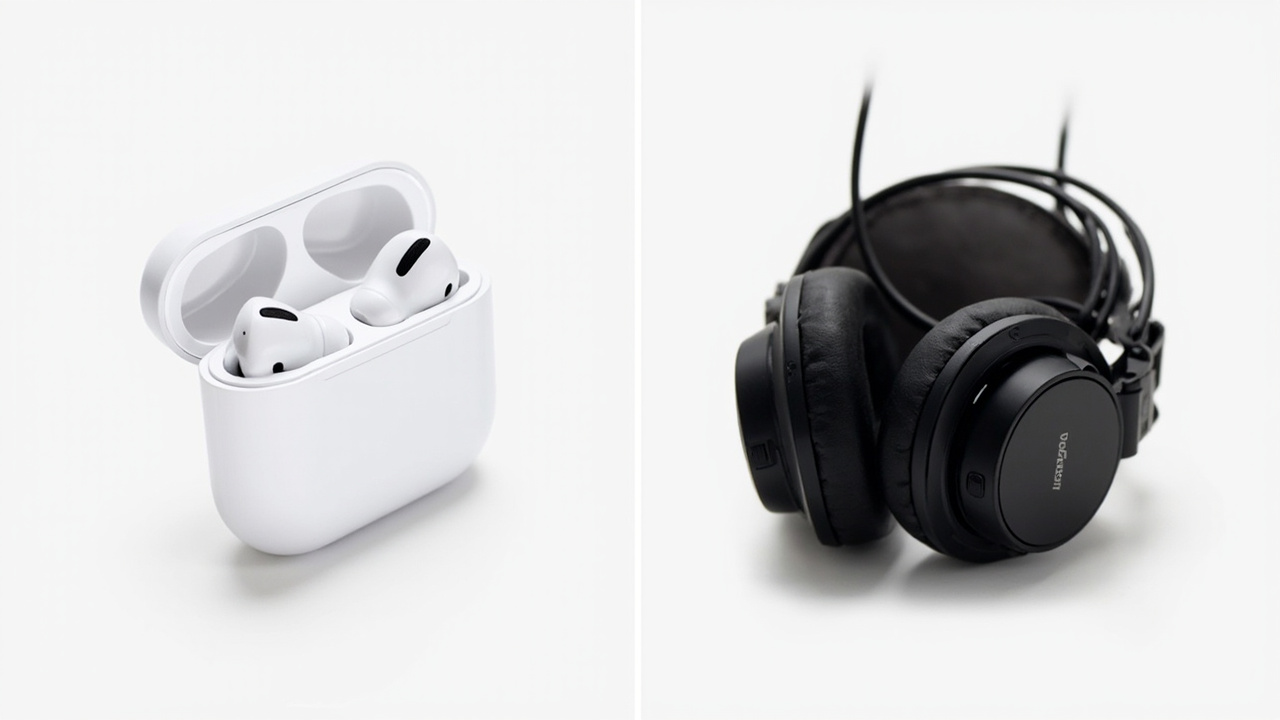
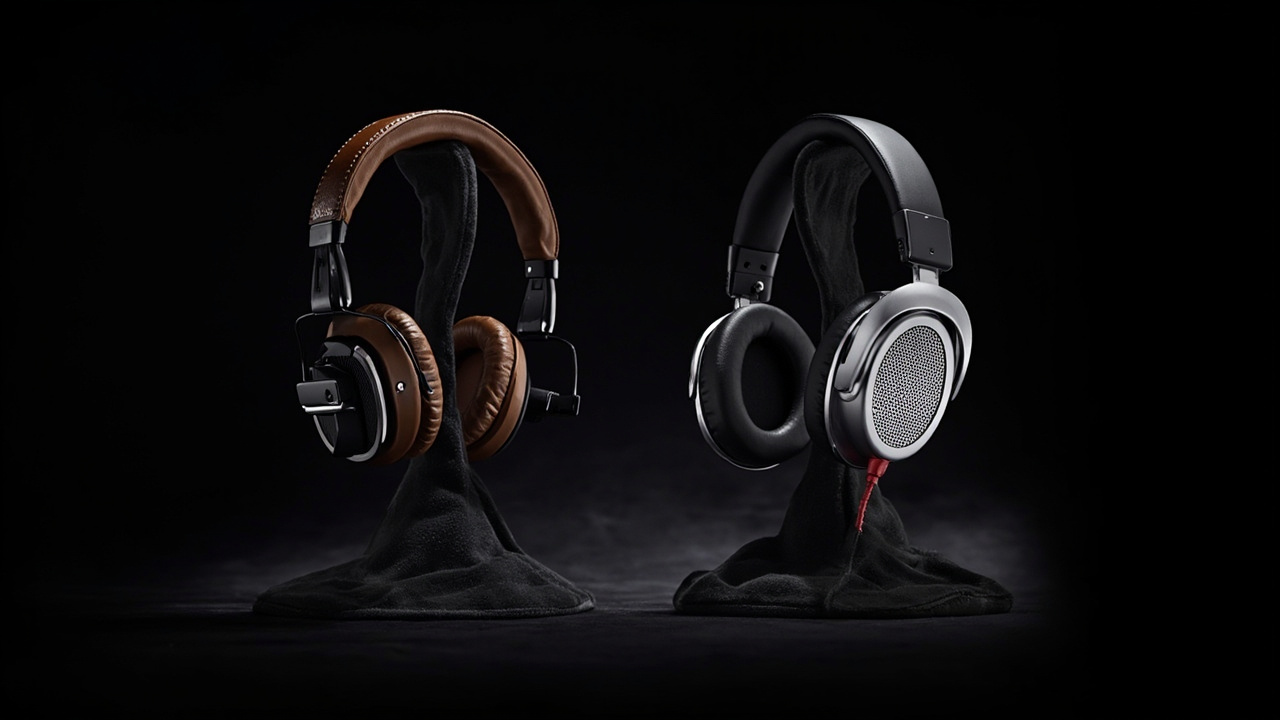
There are roughly two reasons to spend more than $500 on over-ear headphones in 2026. The first is that you want the best possible sound quality for music and care about driver engineering, codec support, and the soundstage. The second is that you want the most seamless experience in a specific device ecosystem — typically Apple — and care about spatial audio, instant device switching, and hands-free Siri.
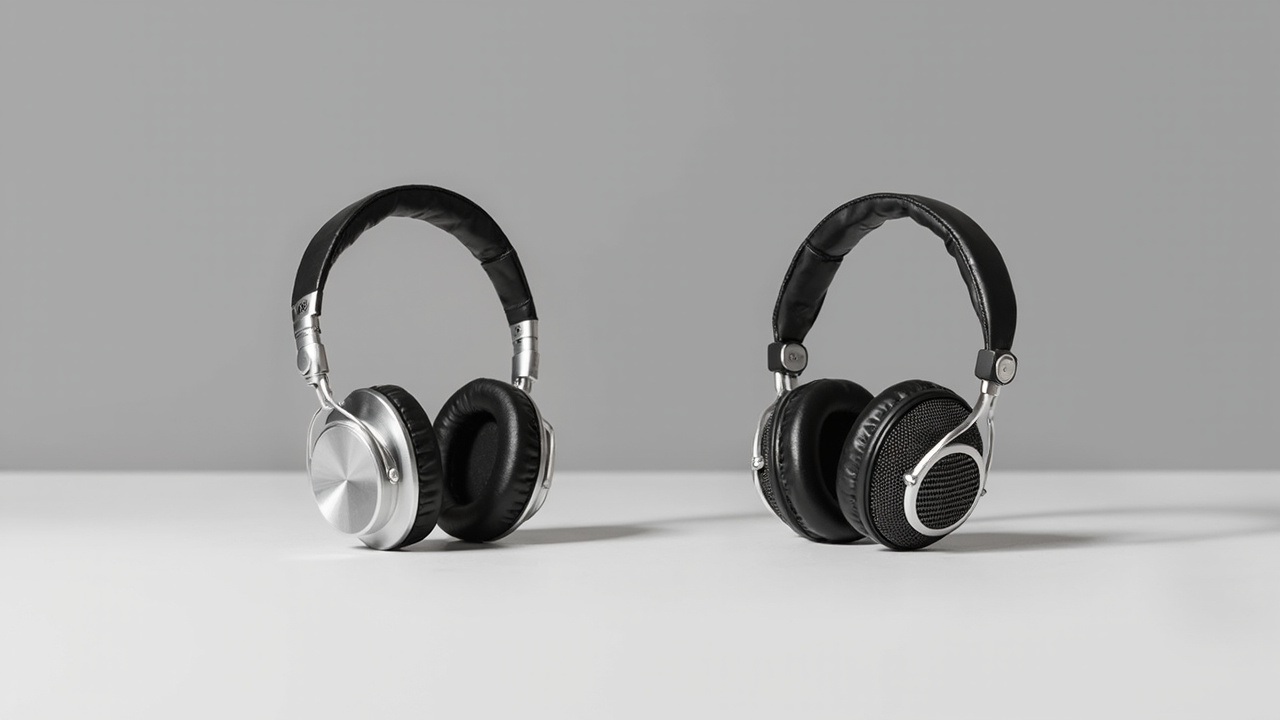
The Bowers & Wilkins Px8 ($599 MSRP, released 2022, still in production as of 2026) is built for the first group. The Apple AirPods Max 2 ($549 MSRP, released September 2025) is built for the second. Both are excellent. Both are heavy. Both cost real money. And yet most reviews treat them as a single bucket labeled “premium wireless ANC,” which is exactly the wrong framing.
The right question is not “which is better.” The right question is: for the next 1,500 hours of listening, which one costs less per hour, and which one will you actually keep on your head?
The Verdict First
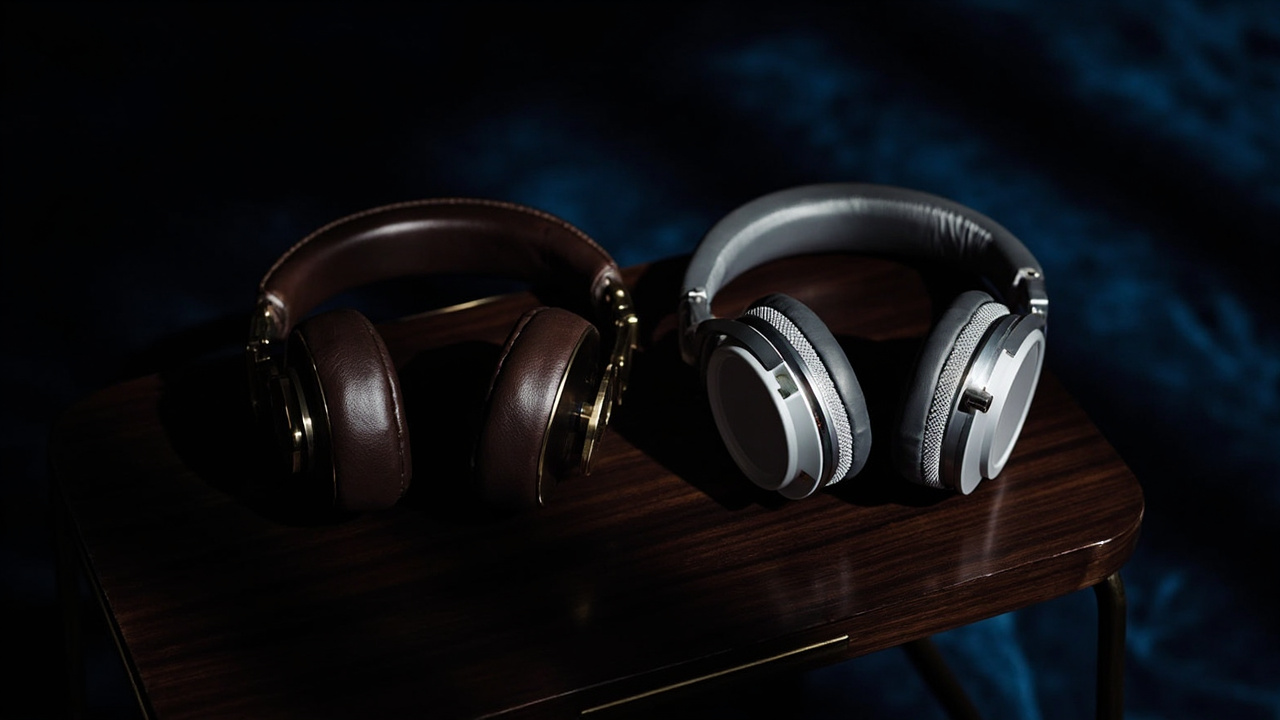
- Pick the Bowers & Wilkins Px8 if: you listen mostly to music (especially lossless / hi-res), you use Android or a mix of devices, you value physical button controls over touch surfaces, and you want a headphone that has held its $599 price for almost four years — strong signal of slow depreciation. Sound quality per dollar is the highest in the $500-$700 tier.
- Pick the Apple AirPods Max 2 if: you live inside the Apple ecosystem, you take frequent video calls and want the cleanest “it just works” mic, you use an iPhone for spatial audio movies, and you want Live Translation and Conversation Awareness features that ship to AirPods first.
Cost score (overall value): 76/100. Neither is a budget pick. Neither is a mistake. The Px8 wins on raw sound-per-dollar and audiophile credibility; the AirPods Max 2 wins on ecosystem integration and call quality. If you are not deeply inside Apple’s world, the Px8 is the more honest spend.
Key Comparison Points
Price vs Real Cost Per Use
Both are priced as flagship products. Both rarely see deep discounts. Here is what the price actually buys you.
| Cost Line | Bowers & Wilkins Px8 | Apple AirPods Max 2 |
|---|---|---|
| MSRP at launch | $599 (2022) | $549 (Sept 2025) |
| Typical 2026 street price | $549-$599 (slow depreciation) | $499-$549 (frequent $50 promo at Apple, Best Buy, Amazon) |
| Battery life (ANC on) | ~30 hours (B&W spec, real-world 24-28 hrs) | 20 hours (Apple spec, real-world 17-19 hrs) |
| Charging port | USB-C | USB-C |
| Codec support | SBC, AAC, aptX, aptX HD, aptX Adaptive | SBC, AAC, Apple Lossless (over USB-C) |
| Weight | 320 g | 386 g |
| Build materials | Cast aluminum arms, Nappa leather, memory-foam pads | Aluminum ear cups, mesh canopy, memory-foam pads |
| Warranty (standard) | 2 years | 1 year (extendable with AppleCare+ for Headphones) |
| AppleCare+ / B&W extended | $59-$89 for 3 years (third-party) | $59 for 2 years (AppleCare+ for Headphones) |
| Resale after 3 years (estimated) | $300-$360 (≈55%) | $260-$330 (≈55%) |
The cost-per-hour math (assuming 1,500 hours of use over 3 years — the typical lifespan before pads or batteries degrade):
- Px8: ($599 − $330) / 1,500 hrs = $0.18 / hour
- AirPods Max 2: ($549 − $295) / 1,500 hrs = $0.17 / hour
The numbers are almost identical. The real difference is hidden in the second 1,500 hours: Px8 pads (~$50 for a third-party set) and AirPods Max 2 battery service (Apple’s flat-rate battery replacement is around $79, currently). Both can be made to last 5+ years with care.
Source for resale estimates: Historical 3-year resale data for B&W Px7/Px8 and first-generation AirPods Max on Swappa, eBay sold listings, and BankMyCell’s headphone depreciation tracker (2023-2025 cohorts).
Build Quality and Durability
Both headphones feel substantial in the hand. Both have a real “I paid for this” weight to them. The trade-offs are different.
- Bowers & Wilkins Px8: Cast aluminum arms and a leather headband covered in Nappa. Ear pads are memory foam wrapped in soft leather; they are user-replaceable. Real-world failure modes (per r/headphones and B&W’s own support threads) cluster around hinge creaking after 18-24 months and headband leather peeling under heavy sweat. The drivers themselves are reported to last 6+ years with no degradation.
- Apple AirPods Max 2: Aluminum ear cups, stainless steel headband core, and a mesh “canopy” headband that distributes weight. Ear pads are magnetically attached and trivially swappable ($69 for a set of four colors from Apple). Real-world failure modes are fewer than the first generation — Apple redesigned the Lightning-to-USB-C transition and reportedly fixed the condensation / mic array issues that plagued the original AirPods Max.
Verdict on durability: Roughly even. The Px8 has the more luxurious touch, but the leather and hinge are wearing points. The AirPods Max 2 has a tougher physical design but its 386 g weight makes it the heavier of the two — and that matters for long sessions.
Feature Breakdown
| Feature | B&W Px8 | AirPods Max 2 |
|---|---|---|
| Active noise cancellation | Excellent, ~6-mic array, very natural sound under ANC | Excellent, H2 chip, slightly more aggressive in low frequencies |
| Transparency mode | Good, slightly compressed | Industry-best, sounds like not wearing headphones |
| Multipoint pairing | Yes (2 devices) | Yes, Apple-only seamless handoff + 2 Bluetooth |
| Spatial audio | Limited (music mode only, no head tracking) | Full Dolby Atmos + dynamic head tracking with iPhone/iPad |
| Live Translation | No | Yes (with Apple Intelligence, iOS 26.4+) |
| Conversation Awareness | No | Yes (auto-lowers volume when you speak) |
| Adaptive Audio | No | Yes (blends ANC and transparency automatically) |
| Custom EQ | Yes (B&W Music app) | Limited (Apple’s Adaptive EQ only, no manual EQ) |
| Wired listening | USB-C audio + 3.5 mm analog (cable sold separately) | USB-C audio (no 3.5 mm jack) |
| Button controls | Physical buttons (power, ANC, volume rocker) | Touch + Digital Crown (Apple Watch-style) |
| Find My / device tracking | No native | Yes, integrated with Apple Find My |
| Mic quality on calls | Good in quiet rooms, weak in wind | Excellent, computational audio reduces wind and background |
| App | B&W Music (Android + iOS) | Settings integrated into iOS (no separate app needed) |
The two real feature gaps that matter for most buyers:
- Codec support. If you have an Android phone with aptX Adaptive or a hi-res DAP, the Px8 can deliver higher-bitrate wireless audio. The AirPods Max 2 maxes out at AAC over Bluetooth (and Apple Lossless only via a USB-C wired connection, which limits mobility).
- Ecosystem integration. If you are on iPhone + Mac + Apple TV, the AirPods Max 2 hands off audio between devices automatically and respects Personalized Spatial Audio profiles. The Px8 supports multipoint but you give up the seamless transitions.
Pros and Cons
Bowers & Wilkins Px8
Pros
- Sound quality is widely regarded as the best in the $500-$700 tier, with a detailed, natural soundstage and strong bass texture. Reviewers at What Hi-Fi, The Verge, and Headphonesty all rank it above mainstream competitors on pure music fidelity.
- aptX Adaptive and aptX HD support makes a real audible difference on Android and high-res sources — something the AirPods Max 2 simply cannot do.
- Physical button controls — volume rocker, ANC button, power slider — are tactile and don’t require looking at the device. Touch controls on the AirPods Max 2 can be finicky with gloves or wet hands.
- Lighter (320 g vs 386 g) means fewer “hot spots” at the top of the head during long sessions.
- 30-hour battery beats the AirPods Max 2’s 20 hours by a real margin — roughly 50% more listening per charge.
Cons
- No Apple ecosystem perks. No Live Translation, no Conversation Awareness, no Personalized Spatial Audio, no Find My.
- Nappa leather wears visibly if you use them in hot or humid environments; pads and headband may need replacement in 2-3 years.
- App is bare-bones — B&W’s Music app is functional but rarely updated and has fewer EQ presets than Sony’s app.
- 3.5 mm cable is sold separately ($29) for wired listening; AirPods Max 2 supports USB-C audio out of the box.
- Wind noise on calls is noticeably worse than AirPods Max 2, which uses computational audio to suppress it.
Apple AirPods Max 2
Pros
- Best-in-class transparency mode — among the most natural-sounding in any over-ear headphone, and genuinely useful for office or home use.
- H2 chip + Apple silicon integration delivers features no Android-first competitor can match: Personalized Spatial Audio, head tracking, Live Translation, Adaptive Audio, Conversation Awareness.
- Computational mic quality makes AirPods Max 2 the better choice for frequent video calls, especially in cafes or shared workspaces.
- Find My integration is a real-world win for a $549 product that you carry in a bag.
- Build feels tank-like — the aluminum cups and steel headband have held up in long-term ownership reports far better than the original AirPods Max.
Cons
- 20-hour battery is a clear step down from the Px8, and a regression versus some 2024-2025 competitors (Sony WH-1000XM6 ships with 36+ hours).
- 386 g weight is genuinely heavy — among the heaviest over-ear wireless headphones in production. Long sessions can cause neck fatigue.
- No manual EQ — Apple’s “Adaptive EQ” is excellent, but audiophiles who want to tune their sound will feel locked out.
- AAC-only over Bluetooth means Android users get a strictly worse experience than the Px8 can deliver.
- No 3.5 mm jack — wired listening requires the USB-C cable and a source that supports USB audio.
Best For / Skip If
Bowers & Wilkins Px8
Best for
- Audiophiles and music-first listeners who prioritize sound quality per dollar over smart features.
- Android users who want aptX Adaptive / HD support — the AirPods Max 2 is not even a fair comparison here.
- Long listening sessions (3+ hours at a time) where the 320 g weight and 30-hour battery matter.
- Buyers who prefer physical controls — no touch surface, no swipe-to-volume, no missed gestures.
Skip if
- You live entirely inside the Apple ecosystem and want Live Translation, Find My, and Personalized Spatial Audio.
- You take frequent video calls from cafes, shared offices, or outdoors — the Px8’s mic array is weaker in noise.
- You want a light, gym-friendly headphone — neither of these is, but the 320 g Px8 is at least lighter.
Apple AirPods Max 2
Best for
- Apple ecosystem users with iPhone, iPad, Mac, and Apple TV — the seamless handoff alone saves real time per day.
- Remote workers who take 2+ hours of calls per day — mic quality and computational noise suppression are best-in-class.
- Frequent travelers who use AirPods features like Adaptive Audio and Conversation Awareness, and who value Find My for a $549 carry item.
- Spatial audio and Dolby Atmos movie watchers — head tracking with iPhone is a tangible upgrade over the Px8’s static mode.
Skip if
- You are on Android. The AirPods Max 2 is not just neutered on Android — it is a strictly worse product, with no app, no Personalized Spatial Audio, and a worse codec.
- You are sensitive to headphone weight. 386 g is heavy. Period.
- You want 30+ hours of battery per charge for long flights or work weeks.
- You want manual EQ or a fuller app for sound tuning.
Bottom Line
Both headphones cost roughly the same over a 3-year horizon — about $0.17 to $0.18 per listening hour. The Px8 wins on sound quality, codec support, weight, and battery. The AirPods Max 2 wins on ecosystem integration, call quality, transparency mode, and smart features. Neither is a budget pick, and neither is a mistake.
The honest summary:
- If your daily driver is an iPhone and a Mac, the AirPods Max 2 is the most friction-free $549 you can spend on headphones in 2026.
- If your daily driver is anything else — Android, a Windows laptop, a hi-res DAP, or you just care more about how music sounds than how the headphones talk to your phone — the Bowers & Wilkins Px8 is the more honest spend.
Buy smart. Get more value. Pick the one that matches the hours you actually listen, not the one with the louder marketing.