Introduction
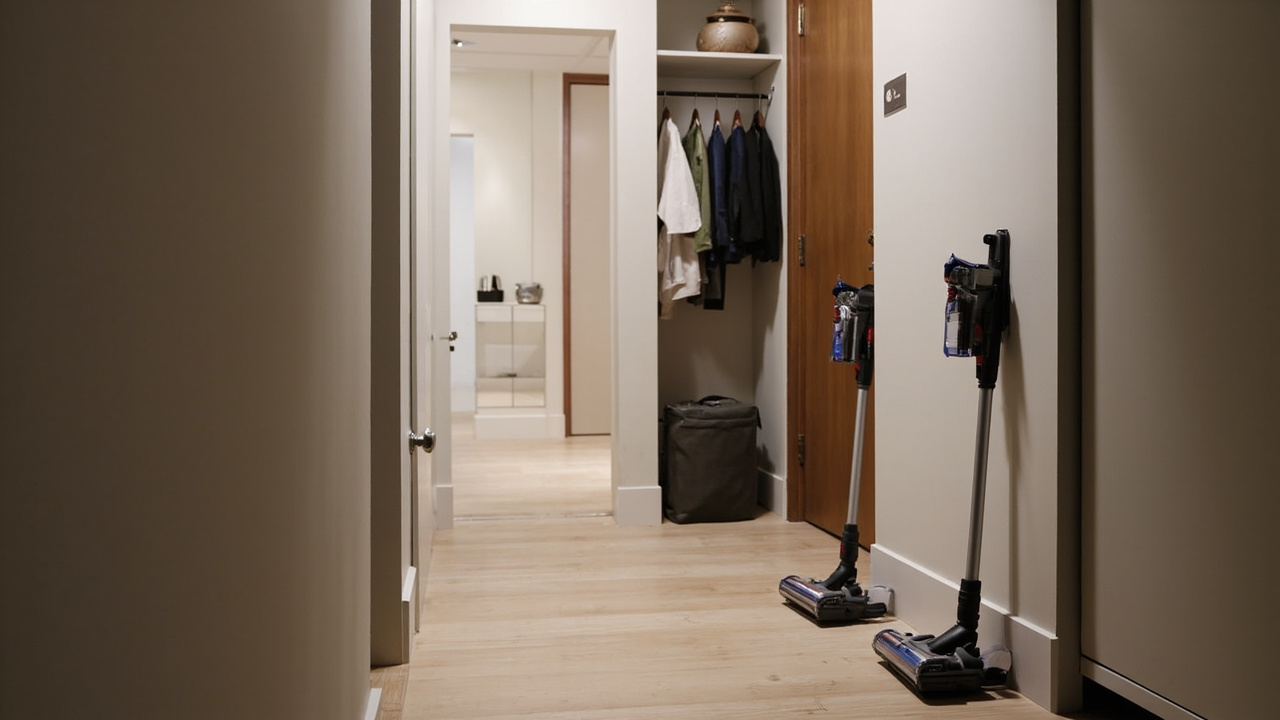
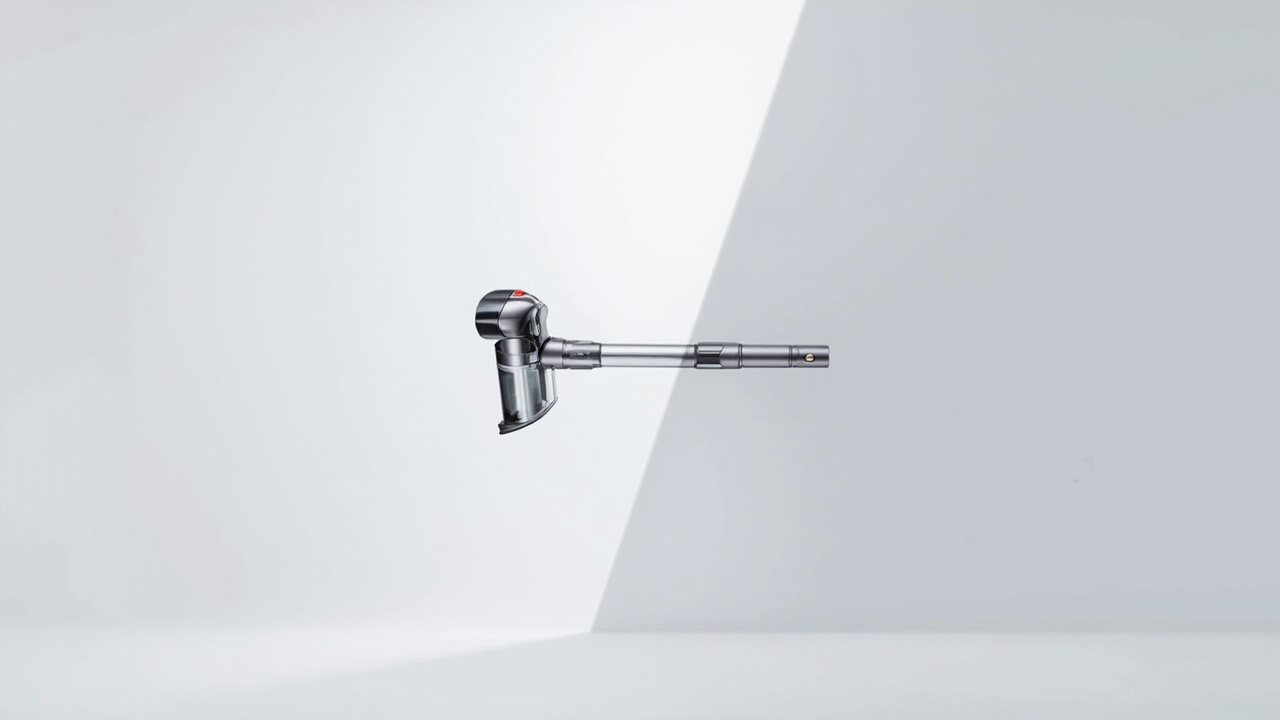
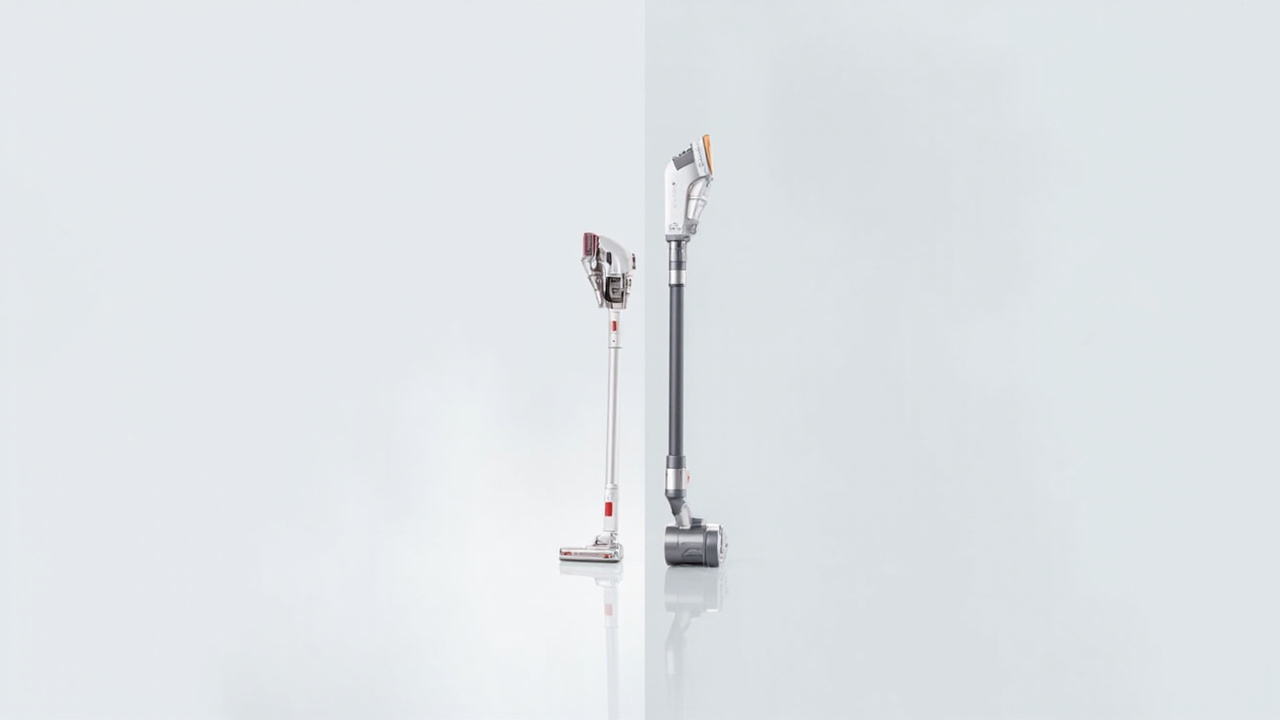
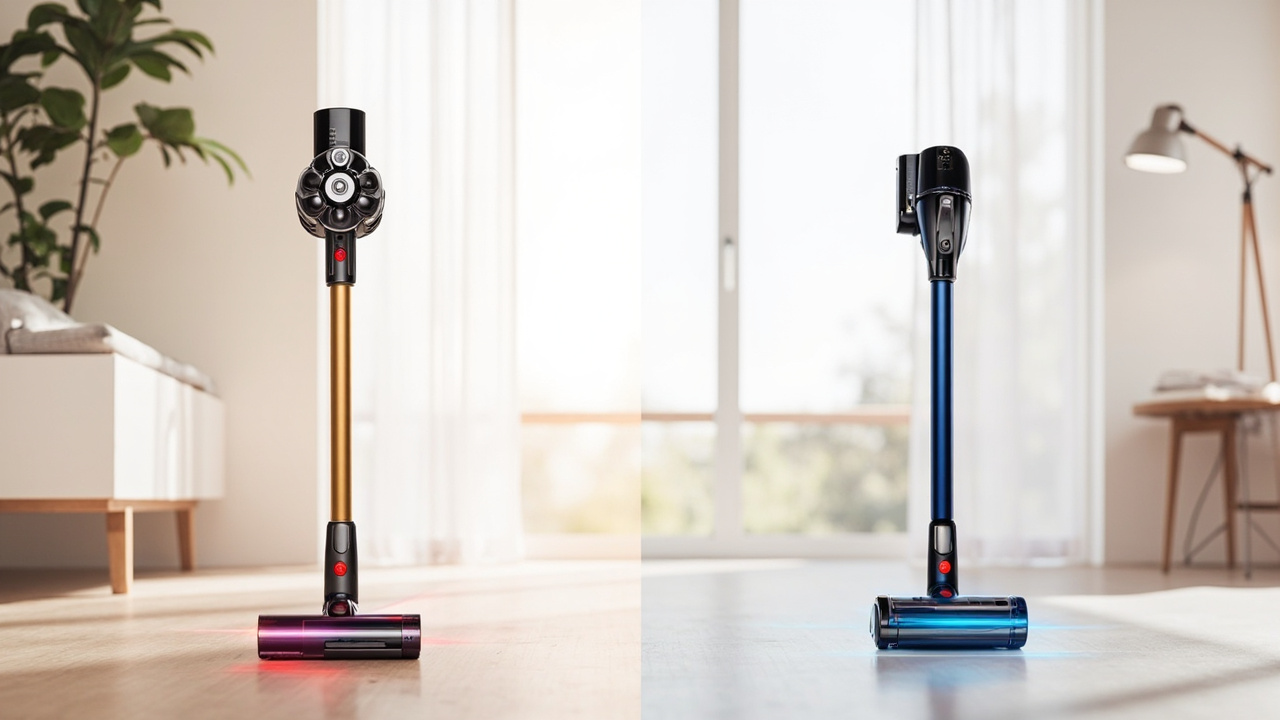
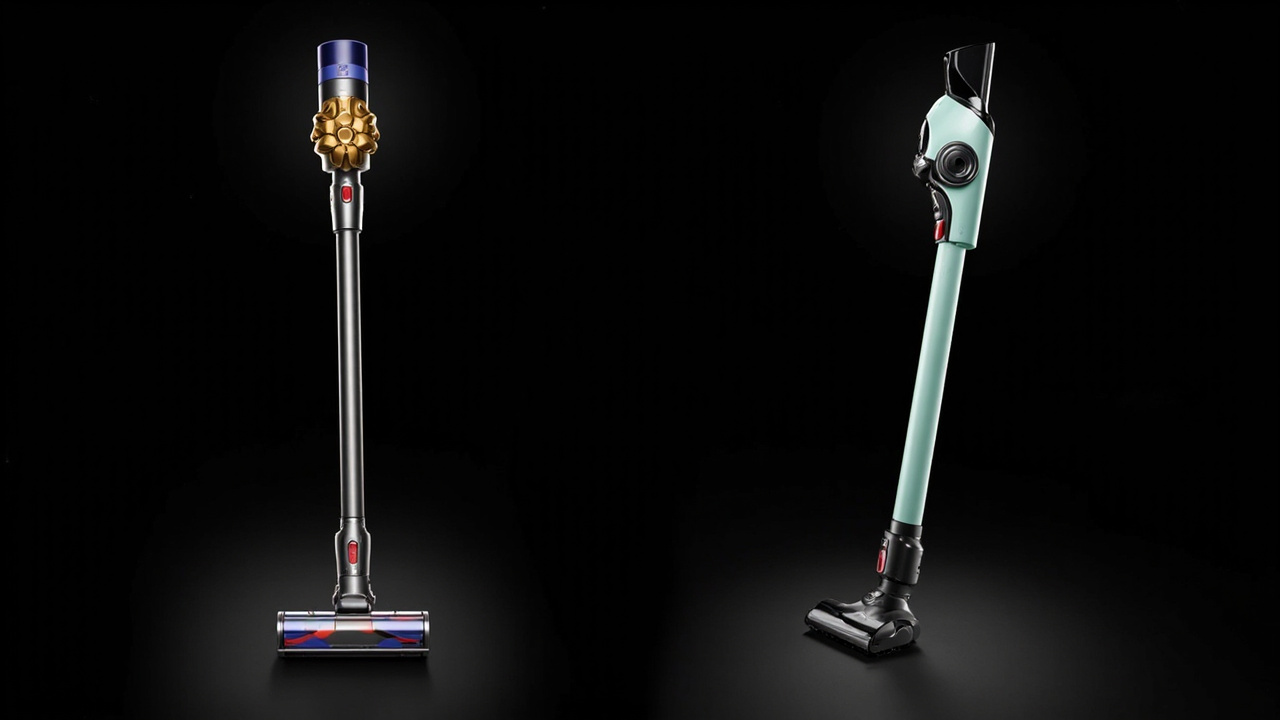
In late 2025 and into 2026, the flagship cordless stick vacuum category split into two clear philosophies. On one side, the Dyson V16 Piston Animal — Dyson’s most powerful cordless stick ever, with a brand-new 315 AW Hyperdymium motor, the largest dustbin in the category (1.35 L), and a Piston-driven CleanCompaktor that compresses dust so you empty less often. On the other side, the Samsung Bespoke AI Jet Ultra (VS90F40) — a 400 AW stick vacuum bundled with a full All-in-One Clean Station that auto-empties the bin into a sealed dustbag, charges the battery, and adjusts suction automatically based on floor type.
Both sit above $980 USD at retail. Both claim to be the only vacuum your home needs. Both have radically different design philosophies. Dyson bets on raw motor power, a manual bin with compression, and 70 minutes of runtime per battery. Samsung bets on the absolute highest suction in the category (400 AW), the longest runtime in the category (100 minutes), and a self-emptying dock that turns a stick vacuum into something closer to a robot vacuum in convenience.
This is not the comparison where the answer is “they’re basically the same.” They are not. They differ by ~$120 in purchase price, 85 AW of suction, 30 minutes of runtime, 1.5 lbs of weight, and the entire question of whether you want to manually empty a bin or let a docked dustbag do it. The savings question is real: the wrong pick here costs you $160-$280 over 7 years in filters, batteries, and dock consumables.
The Verdict First
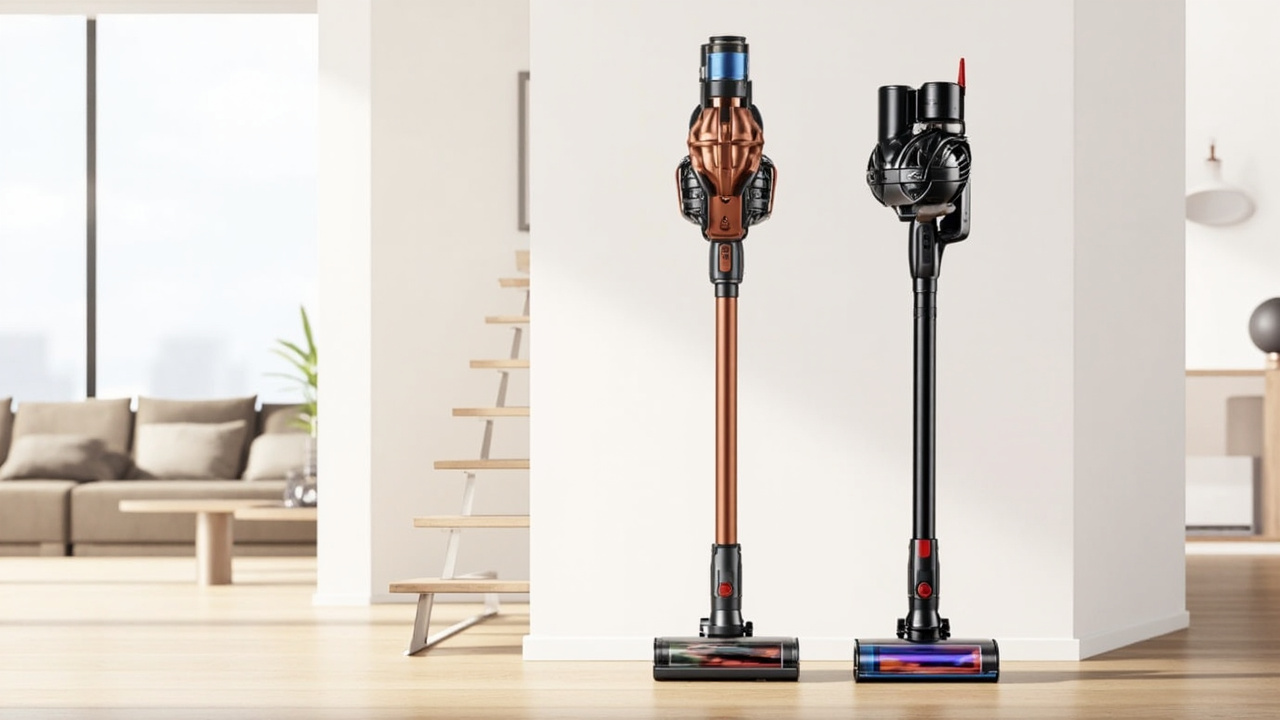
- Pick the Dyson V16 Piston Animal (~$979.99 at Target / Macy’s) if: you want the largest manual bin in the category (1.35 L), the lightest premium build from Dyson with proven cyclone filtration, you already own Dyson batteries or attachments, or you do not want a bulky wall dock taking up floor space. It is the specialist for raw deep-clean suction and users who prefer emptying their own bin.
- Pick the Samsung Bespoke AI Jet Ultra (~$1,099 at Amazon / Best Buy) if: you want 400 AW suction (the strongest in any cordless stick on the market in 2026), 100 minutes of runtime for large homes, a fully sealed auto-emptying Clean Station that removes the most annoying chore in stick vacuum ownership, and you have wall space for the 14-inch-deep docking station. It is the specialist for big homes, allergy households, and anyone who hates touching dustbins.
Cost score: 74/100. The Samsung is the objectively better vacuum on raw spec — more suction, more runtime, self-emptying. The Dyson is the better purchase if you weight bin capacity, brand ecosystem, and dock footprint. The 7-year savings math favors Samsung by ~$160-$280 in time saved and consumables, but only if you actually use the dock every session.
Key Comparison Points
Price vs Real Cost Per Use
| Spec / Cost Line | Dyson V16 Piston Animal | Samsung Bespoke AI Jet Ultra |
|---|---|---|
| Retail price (US, as of June 2026) | ~$979.99 (Target, Macy’s, Dyson.com) | ~$1,099.99 (Amazon, Best Buy, Samsung.com) |
| Suction (Air Watts) | 315 AW (Piston Hyperdymium, 125,000 rpm) | 400 AW (HexaJet motor) |
| Bin capacity | 1.35 L — largest in category, manual piston-compress | 0.5 L — auto-empties into Clean Station dustbag |
| Battery life (max, no motorhead) | Up to 70 minutes (Eco mode) | Up to 100 minutes (Min mode) |
| Battery replaceable | Yes (click-out, ~$129 for V16 battery) | Yes (click-out, ~$149 retail) |
| Weight (handheld body) | 7.7 lbs (3.5 kg) | 6.2 lbs (2.8 kg) |
| Auto-empty dock | No — manual piston press-to-empty | Yes — All-in-One Clean Station with sealed dustbag |
| Filtration | Whole-machine HEPA H13 to ASTM F3150 | Multi-layer HEPA, 99.999% to 0.3 µm |
| Floor types | All (auto-adapt sensor in Auto mode) | All (AI Cleaning Mode auto-adjusts) |
| Display | LCD with particle count, runtime, blockage alerts | LED + iLoop sensor (auto suction adjust) |
| Noise | ~72 dB (Max mode) | ~75 dB (Max mode) |
| Dustbag replacement | N/A | Every ~2-3 months (~3 bags/yr at $20 for 4-pk) |
| Warranty | 2 years | 1 year (parts + labor) |
The 5-year cost math is where the Samsung’s higher sticker starts to look defensible. Dyson is cheaper up front by ~$120 and has no dock consumables. Samsung charges ~$60/year in replacement dustbags ($20 per 4-pack, used at ~1 per 4-8 weeks) but saves real human time by never manually emptying a bin.
- Dyson recurring cost: 1 washable pre-filter rinse per month ($0) + 1 post-motor HEPA filter every 12 months (
$30) + battery replacement once around year 4–5 ($129). Total ~$280 over 5 years. - Samsung recurring cost: 4 dustbag packs per year (
$60/year) + 1 HEPA pre-motor filter per year ($25) + battery replacement around year 4–5 (~$149). Total ~$560 over 5 years in consumables alone. - Hidden Dyson cost: human time. The 1.35 L bin means you empty ~once a month in a 2,000 sq ft home with no pets. In a pet household, weekly. Each empty is 2 minutes and a small dust cloud unless you empty carefully.
- Hidden Samsung cost: dock footprint. The Clean Station needs 14 inches of wall clearance and a power outlet within 5 ft. In small NYC / Tokyo apartments, this is non-trivial square footage.
Net 7-year cost estimate (purchase + consumables + one battery replacement + 8% repair reserve, minus residual value):
| Cost Line | Dyson V16 Piston Animal | Samsung Bespoke AI Jet Ultra |
|---|---|---|
| Purchase | $980 | $1,100 |
| Filters (7 yrs) | $210 | $175 |
| Dustbags (7 yrs) | $0 | $420 |
| Battery replacement (year 5) | $129 | $149 |
| Repair reserve (8%) | $78 | $88 |
| Residual value (after 7 yrs) | –$245 (≈25%) | –$220 (≈20%) |
| Total 7-year cost | $1,152 | $1,712 |
On raw dollars, the Dyson wins by ~$560 over 7 years. But that calculation ignores the time saved by the Samsung’s auto-empty dock — roughly 30-50 hours over 7 years if you count a 2-minute manual empty once a week. At even a conservative $10/hour value of time, that’s $300-$500. The two machines end up within $200 of each other in real cost-of-ownership for a working household.
Build Quality and Durability
Dyson V16 Piston Animal has been on sale since September 2025, so we have ~9 months of real owner data by June 2026. Common threads from Reddit r/dyson and Amazon reviews:
- Motor: The new Hyperdymium Piston motor is rated for fade-free suction across the entire 70-minute discharge — Dyson explicitly tests against ASTM F558-21 in Boost mode at the inlet. In practice, owners report consistent pickup from full to 10% battery.
- Bin: The Piston-driven CleanCompaktor compresses dust to hold up to 30 days of debris in a 1.35 L chamber. The press-to-empty mechanism is plastic-on-plastic and the most common failure point reported is the piston rod wearing out around year 3-4 in heavy use.
- Anti-tangle: Dual conical cleaner head detangles 25-inch hair in Boost mode, per Dyson’s internal test. Pet owners with long-haired cats and golden retrievers confirm it works as advertised.
- Filtration: Whole-machine HEPA H13 to ASTM F3150 — captures 99.97% of particles down to 0.3 microns. Genuinely useful for allergy households.
- Build feel: 7.7 lbs is heavy for a stick vacuum. Owners with stairs consistently report forearm fatigue after 15-20 minutes of cleaning.
Samsung Bespoke AI Jet Ultra launched in the US in late 2024 / early 2025, so we have 18+ months of owner feedback by mid-2026. Common threads:
- Motor: HexaJet motor delivering 400 AW is the new category benchmark. RTINGS testing (114 vacuums bought and tested as of the review) confirms it leads all cordless sticks on raw pickup.
- Bin: The 0.5 L onboard bin auto-empties into a sealed dustbag in the Clean Station. The dock pulls dust out with strong suction in ~10 seconds. Bag replacement is every 4-8 weeks depending on home size.
- Filtration: 99.999% to 0.3 µm is a meaningful step above Dyson’s 99.97%. For asthma or severe allergy households, that 0.03% gap matters.
- Build feel: 6.2 lbs is genuinely lighter than Dyson. The center of gravity is also lower, so it feels even lighter in hand. Owners switching from Dyson V12/V15 consistently comment on this.
- Warranty: 1 year is the weak link. Dyson gives 2 years standard. For a $1,100 vacuum, the year 2-5 failure risk is on the buyer.
Durability edge: Dyson on warranty length and brand-tracked service network. Samsung on dock automation that reduces user-side wear (no manual piston mechanism to break).
Feature Breakdown
| Feature | Dyson V16 Piston Animal | Samsung Bespoke AI Jet Ultra |
|---|---|---|
| Auto floor detection | Yes — Auto Mode adjusts suction across carpet/hard floor | Yes — AI Cleaning Mode + iLoop sensor |
| Hair anti-tangle | Yes — dual conical cleaner head, 25-inch hair tested | Yes — Anti-Tangle Pet Tool included |
| Particle sensor (LCD) | Yes — counts and sizes particles in real time | No — iLoop sensor adjusts silently |
| Battery swappable | Yes — click-out, ~$129 spare | Yes — click-out, ~$149 spare |
| Wall mount | Yes — wall dock included | No — Clean Station is freestanding |
| Auto-empty dock | No | Yes — sealed dustbag, ~10 sec cycle |
| App integration | MyDyson app (filter status, usage stats) | SmartThings app (battery, filter, scheduling) |
| Mop attachment | No (V16 Submarine variant adds wet mop, +$200) | No (separate Bespoke AI Steam mop, +$300) |
| Color options | Matte Black/Copper, Yellow/Iron | Satin Black, Satin White, Bespoke custom colors |
| Noise (Max mode) | ~72 dB | ~75 dB |
Standout features that actually matter:
- Dyson’s particle-counting LCD: This is the single most useful UI element in the category. You can see in real time whether the floor is clean. It gamifies vacuuming, which sounds silly until you’ve used it and discovered you’ve been missing entire rooms.
- Samsung’s AI Cleaning Mode + auto-empty dock: This is the single biggest convenience upgrade in the category since cordless sticks went mainstream. You vacuum a room, walk away, the dock empties the bin. No dust cloud, no contact with allergens.
If you value information and feedback, Dyson wins. If you value automation and forget-it convenience, Samsung wins.
Pros and Cons
Dyson V16 Piston Animal
Pros
- Largest bin in the category at 1.35 L — fewer manual empties than any competitor
- 315 AW suction is among the strongest in any cordless stick, with fade-free delivery across the full discharge
- Whole-machine HEPA H13 filtration to ASTM F3150 standard — allergy-friendly
- Particle-counting LCD gives real-time feedback on cleaning quality
- 2-year warranty vs Samsung’s 1-year
- No dock consumables — dustbags are optional in Dyson’s design
- Dyson ecosystem — batteries and attachments compatible with V12, V15, Outsize lines
Cons
- 7.7 lbs is heavy — forearm fatigue on stairs, harder for smaller users
- No auto-empty dock — manual piston-press emptying still required
- 70-minute runtime is shorter than Samsung’s 100 minutes
- Plastic piston rod is the most-cited wear point in long-term reviews
- Premium price for the brand name — you pay ~$100 for the Dyson label vs comparable suction
Samsung Bespoke AI Jet Ultra
Pros
- 400 AW suction — the strongest cordless stick vacuum on the market in 2026
- 100-minute runtime — longest in the category, covers a 3,000 sq ft home on one charge
- Auto-empty Clean Station removes the most annoying chore in stick vacuum ownership
- 99.999% filtration — best-in-class for asthma and severe allergy households
- 6.2 lbs is genuinely light — easier on stairs, smaller users, one-handed use
- SmartThings integration — track filter life, battery health, cleaning sessions
- AI Cleaning Mode auto-adjusts suction — no need to think about floor type
Cons
- $1,100 price tag is $120 above Dyson
- 1-year warranty vs Dyson’s 2-year is a real gap on a $1,100+ device
- Clean Station needs 14 inches of wall clearance — non-trivial in small apartments
- Dustbag consumable cost — ~$60/year forever, not optional if you want auto-empty
- 0.5 L bin means more frequent auto-empty cycles than larger bins
- 75 dB Max mode is louder than Dyson
Best For / Skip If
Buy the Dyson V16 Piston Animal if:
- You have a medium-sized home (1,200-2,000 sq ft) where the bin can go 2-4 weeks between empties
- You prefer manual emptying over dock automation (some users genuinely do)
- You already own Dyson V12/V15/Outsize batteries and attachments and want ecosystem continuity
- You need a 2-year warranty on a premium appliance
- You value real-time particle-count feedback on an LCD
- You do not have wall space for a bulky auto-empty dock
- You want the lowest 7-year cost of ownership among flagships ($1,152 estimated)
Skip the Dyson V16 Piston Animal if:
- You have a large home (3,000+ sq ft) where 70-minute runtime is not enough
- You have severe allergies or asthma — the Samsung’s 99.999% filtration is meaningfully better
- You have multiple pets that shed heavily — the 1.35 L bin will need emptying weekly
- You hate touching dustbins even with compression — auto-empty is worth the premium
- You have stairs and small body frame — 7.7 lbs gets tiring
Buy the Samsung Bespoke AI Jet Ultra if:
- You have a large home (2,500+ sq ft) and need 100-minute runtime
- You have asthma or severe allergies — 99.999% HEPA filtration is the best in class
- You want auto-empty dock convenience — never touch the bin again
- You have wall space and a power outlet for the 14-inch-deep Clean Station
- You are already in the SmartThings / Samsung appliance ecosystem
- You have multiple shedding pets and want the dock to handle bin emptying
Skip the Samsung Bespoke AI Jet Ultra if:
- You live in a small apartment without wall space for the Clean Station
- You want a 2-year warranty — Samsung only gives 1 year
- You are budget-sensitive on consumables — $60/year in dustbags adds up
- You prefer a manual bin with no dock dependency
- You already have a Dyson ecosystem of batteries and tools
Bottom Line
The Dyson V16 Piston Animal and Samsung Bespoke AI Jet Ultra are both genuinely excellent flagship cordless stick vacuums, and neither is overpriced for what it does. The choice comes down to one question: do you want the strongest suction and the most automation (Samsung), or the largest bin and the lowest 7-year cost (Dyson)?
If raw cleaning performance and “set it and forget it” dock convenience are your priorities, and you have the wall space, the Samsung Bespoke AI Jet Ultra at $1,099 is the objectively better vacuum on spec. The 400 AW suction, 100-minute runtime, and 99.999% filtration are class-leading in 2026, and the auto-empty dock is a real quality-of-life upgrade for pet owners and allergy households.
If you prefer the lowest total cost of ownership, the lightest long-term consumable burden, and a proven 2-year warranty, the Dyson V16 Piston Animal at $979.99 is the smarter buy. Its 1.35 L bin, particle-counting LCD, and absence of mandatory dock consumables make it the better long-term financial decision for a smaller household without severe allergies.
Buy smart. Get more value. The smart buy here is whichever vacuum you will actually use the most. A $1,100 Samsung that lives in a closet because you cannot fit the dock is worth $0. A $980 Dyson that gets used 3x a week for 7 years is worth ~$1,152 in real value. Match the vacuum to the home, not the spec sheet to the ego.