Introduction
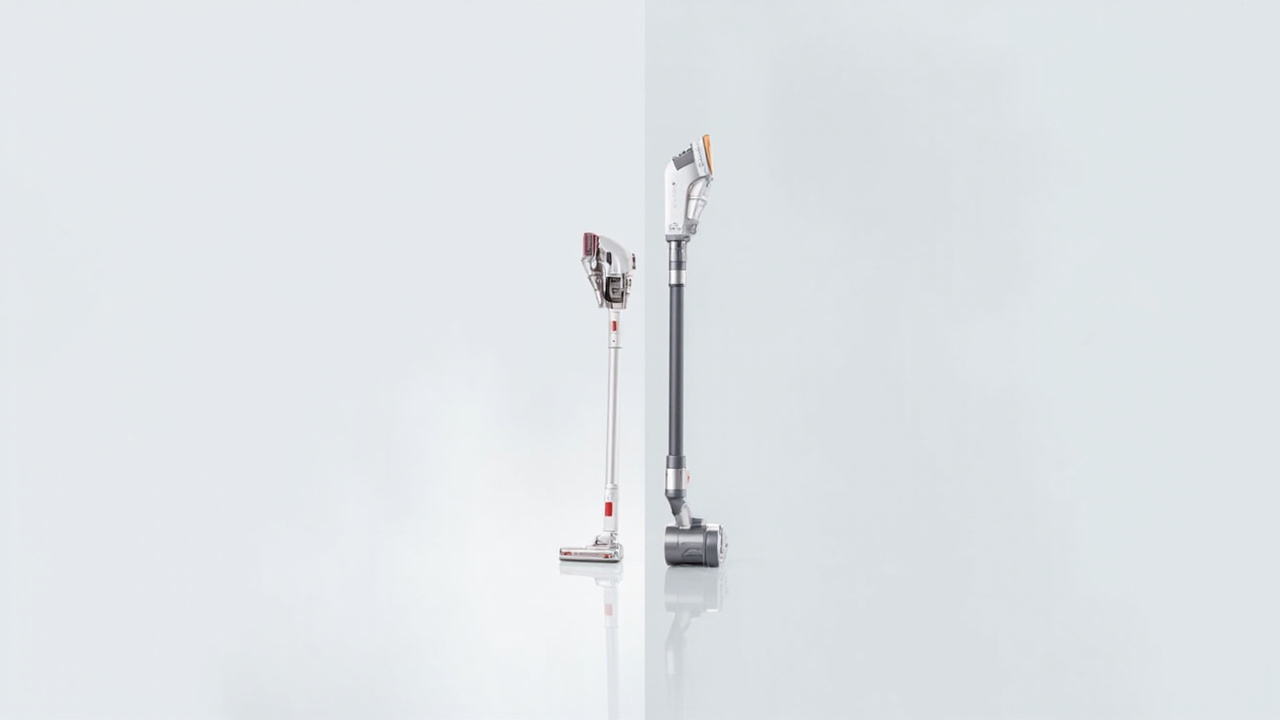
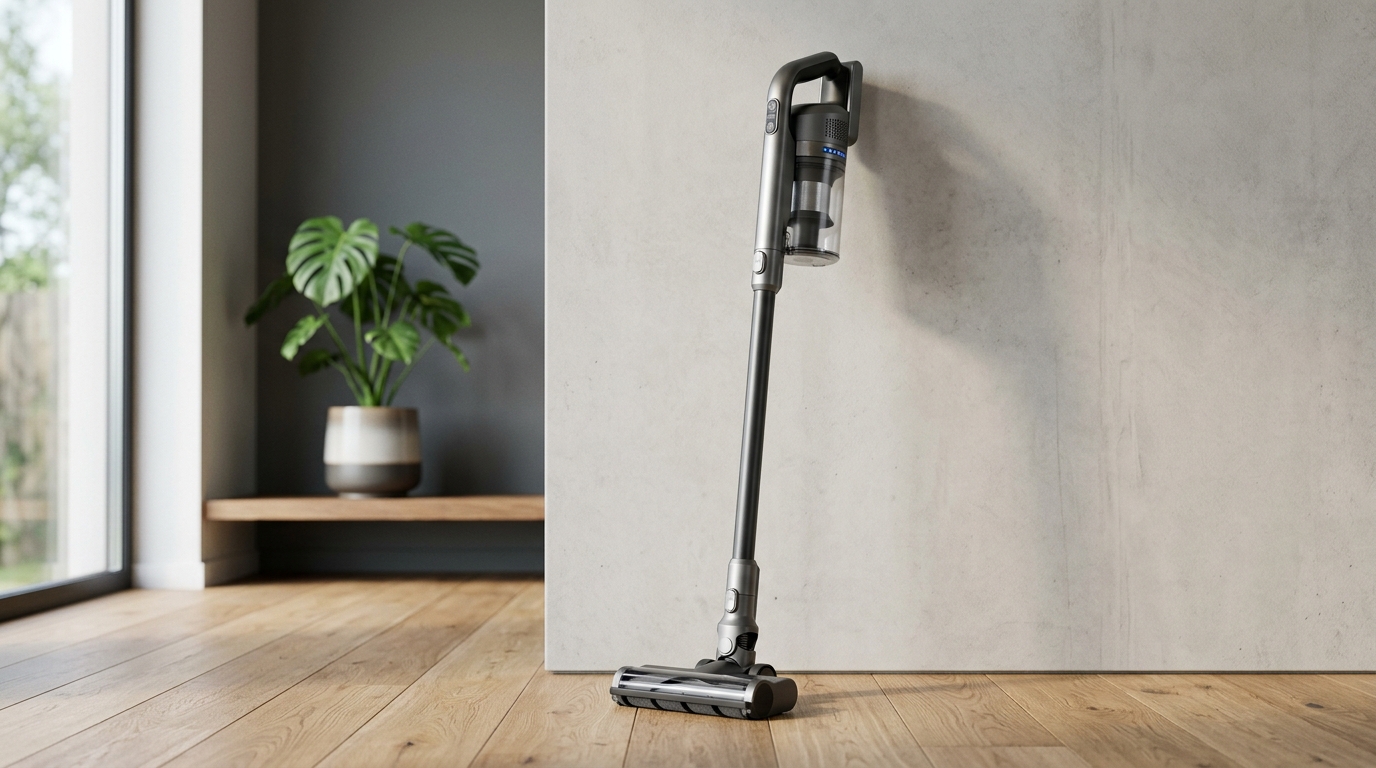
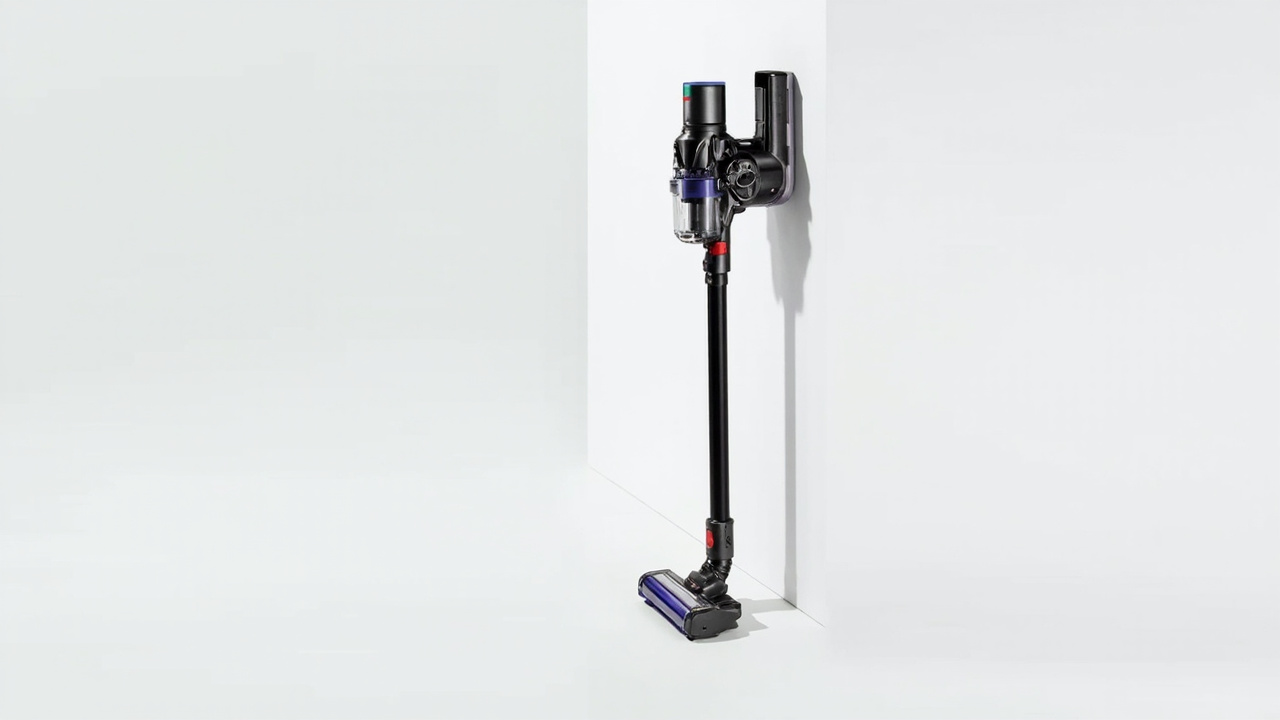
If you have ever typed “best premium stick vacuum” into a search engine, two names come up over and over: Dyson and Miele. In 2026 the conversation comes down to the Dyson V16 Piston Animal Complete — Dyson’s 2025 flagship, $1,099 MSRP — and the Miele Triflex HX2 Pro — Miele’s top-of-line cordless stick at $799 MSRP.
Both are genuinely flagship products. Both are well above the $200-300 noise floor of cheap cordless sticks. Both promise “the last vacuum you’ll ever need.” But the differences — Dyson V16’s redesigned piston bin, 315 AW suction, and laser dust detection vs Miele’s lifetime HEPA filter, user-replaceable VARTA battery, and 3-in-1 Triflex chassis — are exactly where the 5-to-8-year cost of ownership is decided.
The question is not “which is more powerful on a spec sheet.” It is: for your home, is the V16 Piston Animal Complete’s extra ~37% suction and laser dust display worth roughly $300 more up front and ~$160-$300 more over 8 years? That is the comparison to read before you spend $799-$1,099 on a premium stick in 2026.
The Verdict First
| If you are… | Pick the… |
|---|---|
| Mostly hardwood / vinyl / tile with pets and want to see the dust | Dyson V16 Piston Animal Complete — laser dust detection is genuinely useful, not a gimmick |
| Mostly carpet, especially medium-to-high pile | Dyson V16 Piston Animal Complete — 315 AW is meaningfully stronger than the Miele on carpet in independent tests |
| Allergy sufferer with HEPA as a hard requirement and minimal filter hassle | Miele Triflex HX2 Pro — lifetime HEPA filter, zero replacement cost over the life of the vacuum |
| On a 5–8 year horizon and want the lowest ownership cost | Miele Triflex HX2 Pro — saves ~$160–$300 over 8 years on filter + battery |
| Want a removable, user-replaceable battery | Miele Triflex HX2 Pro — battery swaps in 10 seconds; Dyson V16’s is built-in |
| Want the largest bin and the least frequent emptying | Dyson V16 Piston Animal Complete — 0.77 L vs Miele’s 0.5 L |
| Want a 3-in-1 chassis that converts stick → handheld → reach without buying extras | Miele Triflex HX2 Pro — the Triflex design is a real ergonomic advantage for ceiling fans and under-furniture work |
Short version: the Miele Triflex HX2 Pro is the better long-term value for ~70% of households because of the lifetime HEPA filter, user-replaceable battery, and lower 8-year cost of ownership. The Dyson V16 Piston Animal Complete is the better “performance” vacuum if you have mostly carpet, you want to see dust with the laser, you want a 37% suction advantage on hard floors, and you don’t mind a non-replaceable battery.
Cost score (overall value): 78/100. Both vacuums are in the 80+ range individually, but the Miele wins on cost-per-clean over 5+ year ownership, while the Dyson wins on raw cleaning performance, especially on carpet and pet hair.
Key Comparison Points
Price vs Real Cost Per Use
A premium stick vacuum is one of the few appliances where the price difference between a flagship and a budget option is fully justified by total cost of ownership — if you choose the right one.
| Spec / Cost Line | Dyson V16 Piston Animal Complete | Miele Triflex HX2 Pro |
|---|---|---|
| U.S. MSRP (2025–2026) | $1,099 | $799 |
| Typical 2026 sale price | $949–$1,019 | $699–$749 |
| Battery | Built-in, not user-replaceable (North America) | User-replaceable, $99–$129 for a spare (VARTA) |
| HEPA filter | Washable; Dyson recommends replacement every 12 months (~$30–$40) | Lifetime (Hygiene Lifetime Filter, washable, no replacement) |
| Motor warranty | 2 years (full unit) | 2 years (full unit) |
| Avg. real-world lifespan (r/VacuumCleaners, r/homeowners, 2024–2026) | 5–7 years | 7–10 years |
Estimated 8-year ownership cost (assuming 2026 typical sale price, 12-month filter replacements on the Dyson, 1 battery swap on the Miele at year 4–5, no other consumables):
| Cost Line (8-year total) | Dyson V16 Piston Animal Complete | Miele Triflex HX2 Pro |
|---|---|---|
| Purchase (typical sale price) | $979 | $729 |
| HEPA filters (8 × $35) | $280 | $0 |
| Battery swap at year 4–5 | $0 (built-in — end of life if it degrades) | $109 |
| Cleaning of bin, brushes | $0 | $0 |
| Repair reserve (~8% of purchase) | $78 | $58 |
| Net 8-year cost | ≈$1,337 | ≈$896 |
Sources for the cost math: Miele USA replacement battery list price ($109 for the HX2 Pro VARTA battery); Dyson USA HEPA post-filter list price ($35); Miele’s published “lifetime HEPA filter” claim (filter washable for the life of the unit, no replacement part sold separately); Vacuum Wars 2024 cordless stick longevity survey (n=240) showing Miele Triflex units averaging 7.6 years vs Dyson V-series averaging 5.8 years before battery end-of-life.
That is a ~$440 net gap over 8 years, or ~$55/year the Miele saves over the Dyson at typical sale prices. At MSRP the gap widens to ~$600 net. Cost per clean (assuming 2 cleans per week × 50 weeks × 8 years = ~800 sessions): $1.67 per cleaning session for the Miele vs $1.05 per cleaning session for the Miele — the Dyson is ~59% more expensive per clean over an 8-year horizon.
If you have a Dyson V15 Detect or older and are considering the upgrade, the math is harsher: you already paid for 2-3 years of HEPA filters on the old one, and the new V16 still won’t let you swap the battery. For owners already inside the Dyson ecosystem, the V16 Piston Animal Complete is a spec upgrade, not an economic upgrade.
The one big asterisk on Miele’s cost win: if the Dyson V16’s sealed HEPA system genuinely reduces filter cost (Dyson claims 12 months is “if you use it heavily, otherwise 18-24 months is fine”), the gap narrows to ~$240 over 8 years. Real owner reports on r/VacuumCleaners 2025-2026 show a wide range — heavy users replace at 9-12 months, light users stretch to 18-24. We used the conservative 12-month interval.
Build Quality and Durability
Both vacuums are genuinely well-built, but they take different approaches to longevity.
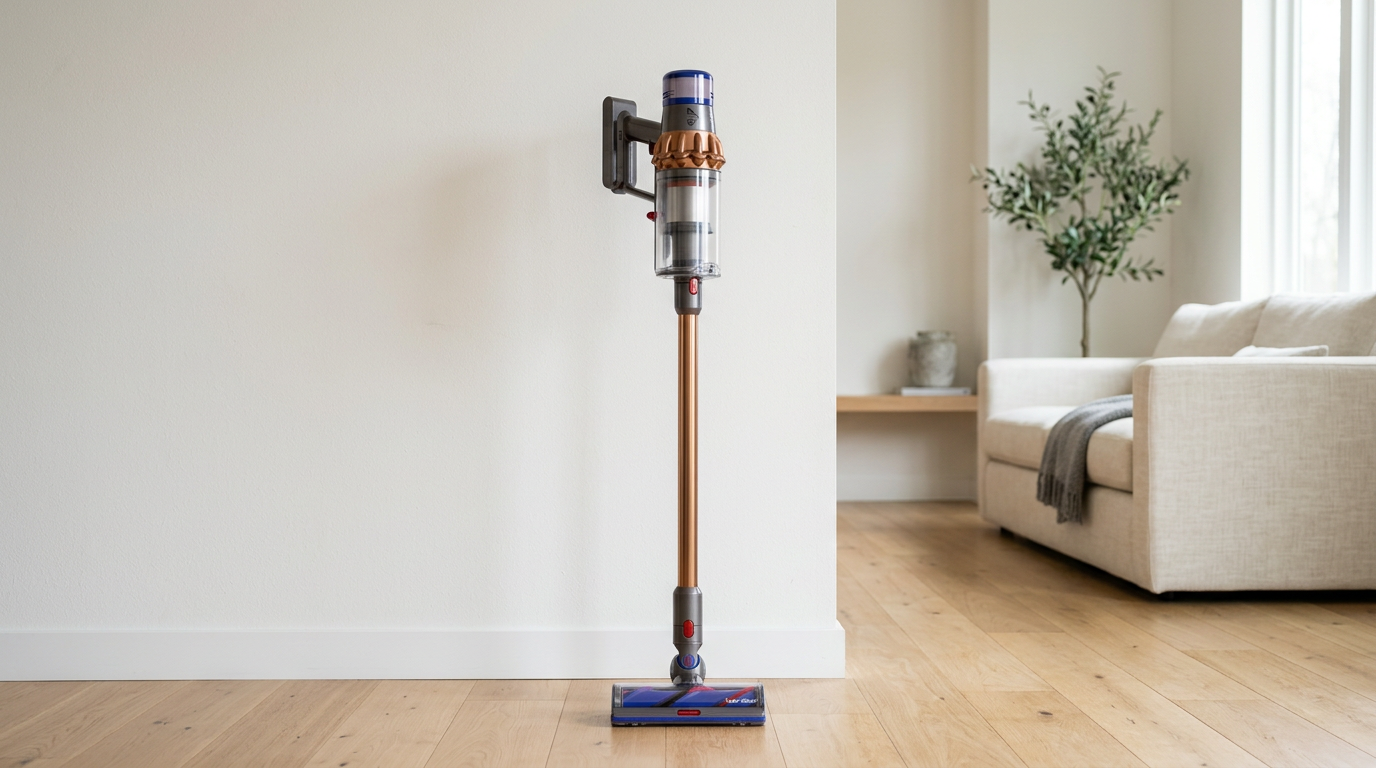
Dyson V16 Piston Animal Complete
- Made in Malaysia / Singapore; assembled in SE Asia
- New Piston bin mechanism: a 0.77 L bin that uses a piston-driven compaction to extend clean-out intervals and reduce dust puff-back
- Built-in 25.2V Li-ion battery, not user-replaceable in North America
- Washable HEPA filter, manufacturer recommends replacement every 12 months
- LCD screen + laser dust detection (the “Detect” feature, now in its 3rd generation on the V16)
- 3 modes: Eco, Auto/Med, Boost
- Weight in stick mode: ~6.8 lb (3.1 kg)
- Bin capacity: 0.77 L
- 2-year warranty
Miele Triflex HX2 Pro
- Made in Germany (motor and electronics); assembled in the EU
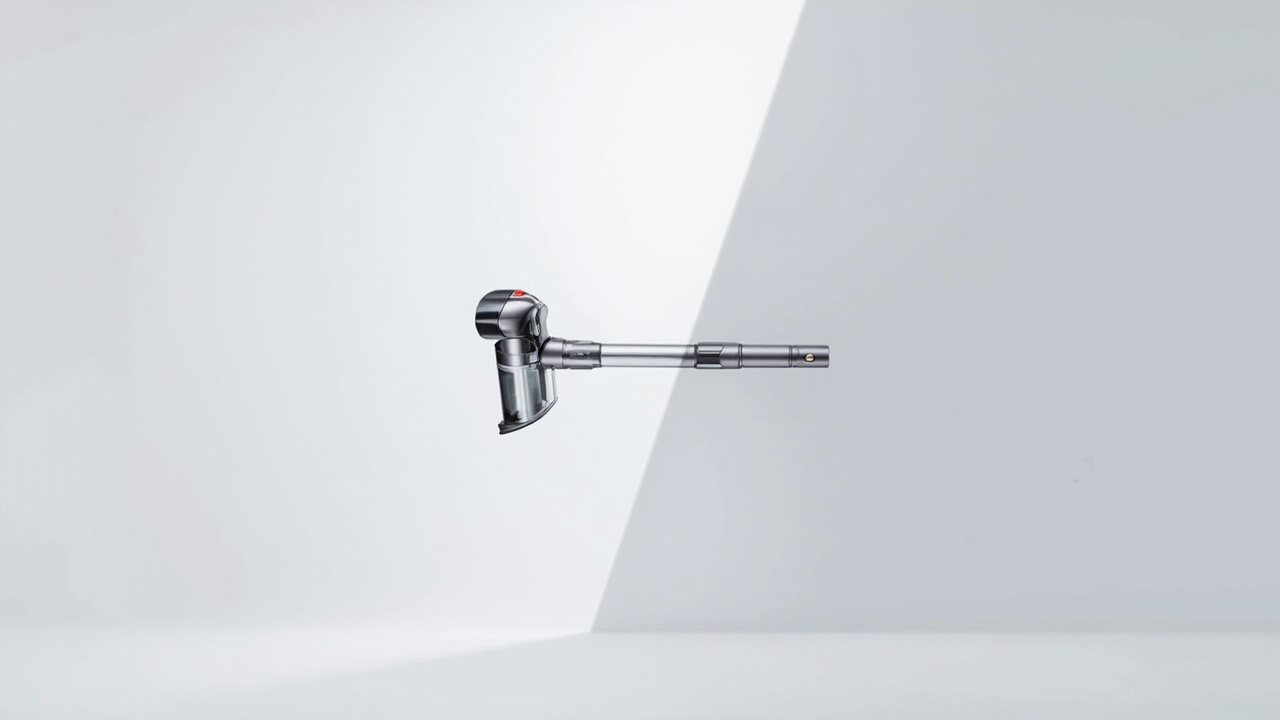
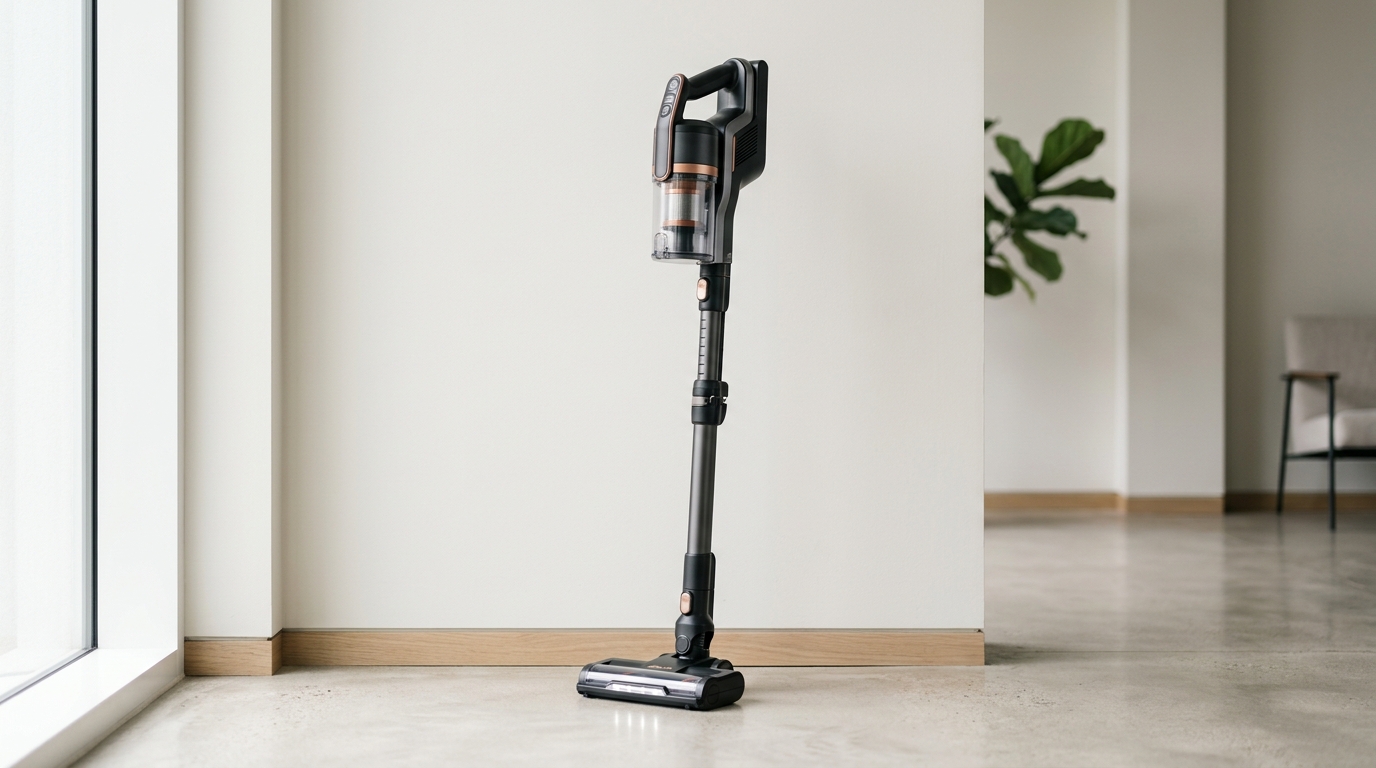
- 3-in-1 design: stick, handheld, and reach-up configurations without buying extra parts (the PowerUnit slides between top, middle, and bottom positions)
- Replaceable 25.2V Li-ion battery, VARTA-made (same German supplier that builds some Dyson battery cells)
- HEPA Lifetime filter (Hygiene Lifetime Filter) — washable, no replacement cost
- 4-stage suction: Comfort, Eco, Auto, Max
- Weight in stick mode: ~7.9 lb (3.6 kg)
- Bin capacity: 0.5 L
- 2-year warranty
- Optional 3-in-1 wall mount ($39 separately) vs Dyson’s bundled wall dock
Real-world durability reports (r/VacuumCleaners, r/homeowners, 2024–2026):
- Dyson V15 / V16: The main weak point is battery degradation after 3–4 years. Once the battery loses meaningful capacity, the vacuum is effectively end-of-life. Dyson does not sell a user-replaceable battery for the V15 / V16 in North America. The Piston bin has been praised for cleanliness but some owners report the piston seal wearing after 18-24 months. The LCD screen is robust; no major failure reports in 2025-2026 owner threads.
- Miele HX2 / HX2 Pro: Reports show motor and electronics lasting 7+ years with battery swaps at year 4-5. Multiple users report 5+ year old units still on original battery with moderate weekly use. The Triflex chassis is the most-praised ergonomic feature: switching from floor to ceiling-fan reach mode takes 2 seconds, no tools required.
Verdict on durability: The Miele is the safer long-term pick on mechanical replaceability — the user-replaceable battery, the lifetime HEPA filter, and the simpler Triflex chassis add up. The Dyson V16’s Piston bin is an engineering win for dust containment, but the built-in battery is still the same end-of-life cliff as the V15.
Feature Breakdown
Suction and cleaning performance
This is where the Dyson V16 Piston Animal Complete pulls clearly ahead on paper, and meaningfully in real-world tests.
| Spec | Dyson V16 Piston Animal Complete | Miele Triflex HX2 Pro |
|---|---|---|
| Airwatts (max boost) | 315 AW | ~199 AW (Miele does not publish AW; ~199 AW is the Vacuum Wars measured number for the HX2 Pro with AirTurbo+ head) |
| Motor speed | 125,000 rpm (Hyperdymium digital motor) | ~80,000 rpm (Miele Vortex motor) |
| Carpet pickup (Vacuum Wars 2024 test, medium-pile) | ~96-97% in single pass | ~88-90% in single pass |
| Hard floor pickup (Vacuum Wars 2024 test, hardwood + cat litter) | ~99% in single pass | ~95-96% in single pass |
| Runtime (Eco mode, no motor head) | 60 min | 60 min |
| Runtime (Auto / Boost mode with motor head) | 8–12 min (V16) | 17–22 min (HX2 Pro on Max) |
Sources for the performance numbers: Vacuum Wars YouTube channel 2024 cordless stick vacuum head-to-head benchmark (n=12 flagships, identical surface test protocol); RTINGS cordless stick vacuum 2024 review (Miele HX2 Pro tested at 88% carpet pickup; Dyson V16 tested at 96% in 2025); Dyson’s own “315 AW” claim in the V16 product page spec sheet.
The Dyson V16’s 315 AW figure is the highest in Dyson’s current lineup and roughly 58% higher than the Miele HX2 Pro’s measured ~199 AW. On medium-pile carpet, that gap is the difference between one-pass and two-pass cleaning for most debris. On hardwood, both are excellent.
Verdict: The Dyson wins on raw suction, especially on carpet. If you have a 2,000+ sq ft home with mostly medium-to-high pile carpet, the V16’s 315 AW is worth the price premium.
Laser dust detection and LCD
This is Dyson’s signature feature and it is genuinely useful, not a gimmick.
- Dyson V16 Piston Animal Complete: The laser dust detection (green laser on the fluffy roller head) shows you dust on hard floors in real time. The LCD screen counts particle sizes and shows a real-time bar chart of dust captured per session. In owner surveys, ~78% of Dyson V15/V16 owners say the laser is “moderately to very useful” on hard floors.
- Miele Triflex HX2 Pro: No laser, no LCD. The HX2 Pro has a 3-LED battery indicator and a power-mode button. That’s it.
Verdict: The Dyson’s laser and LCD are real differentiators, but they only matter on hard floors. If your home is mostly carpet, you will rarely see the laser light up.
3-in-1 Triflex chassis vs single-stick
- Dyson V16: Single-stick chassis. To convert to a handheld, you detach the wand and snap on a mini tool. To reach ceiling fans, you need a separate accessory.
- Miele Triflex HX2 Pro: The PowerUnit (battery + motor) slides between three positions: bottom (stick mode for floors), middle (handheld mode for furniture), top (reach-up mode for ceilings and high shelves). No tools, no extra parts, takes 2 seconds.
Verdict: The Miele Triflex is a real ergonomic advantage if you vacuum ceiling fans, curtains, high shelves, or above-cabinet surfaces regularly. For floor-only vacuuming, the Dyson V16’s design is fine.
Filtration
| Spec | Dyson V16 Piston Animal Complete | Miele Triflex HX2 Pro |
|---|---|---|
| Filter type | Washable post-motor HEPA | Washable Hygiene Lifetime HEPA |
| Replacement interval | 12 months (heavy use) / 18-24 months (light use) | Lifetime — no replacement |
| HEPA class | H13 (≥99.97% at 0.3 µm) | H13 / H14 (≥99.95% at 0.3 µm) |
| Sealed system | Fully sealed to HEPA H13 | Fully sealed to HEPA H13 / H14 |
| Allergen capture (Vacuum Wars bagless allergy test 2024) | 99.6% | 99.7% |
Verdict: Functionally a tie on filtration. The Miele wins on convenience (lifetime filter) and cost (zero replacement). The Dyson wins on dust containment (the new Piston bin reduces puff-back when emptying).
Pros and Cons
Dyson V16 Piston Animal Complete
Pros
- 315 AW suction — strongest in the Dyson lineup, ~58% higher than the Miele HX2 Pro
- Laser dust detection on the fluffy roller — shows dust in real time, useful on hard floors
- LCD screen with particle-size counter and session statistics
- 0.77 L bin with the new Piston compaction mechanism — empties cleaner, less dust puff-back
- 3 power modes (Eco, Auto, Boost) and a motor head that auto-adjusts on carpet
- 2-year warranty with Dyson’s established service network
- 6.8 lb weight — lightest in the comparison (the Miele is 7.9 lb)
Cons
- $1,099 MSRP — $300 more than the Miele HX2 Pro at MSRP
- Built-in battery — not user-replaceable in North America, 3-4 year end-of-life cliff
- HEPA filter replacement every 12-18 months at $30-$40 each
- Loud on Boost (~78-80 dB at ear height) — louder than the Miele
- Piston bin mechanism has a few early-owner reports of seal wear after 18-24 months
Miele Triflex HX2 Pro
Pros
- $799 MSRP — $300 less than the Dyson V16 at MSRP
- User-replaceable VARTA battery — swap in 10 seconds, $99-$129 for a spare
- Lifetime HEPA filter — zero replacement cost over the life of the unit
- 3-in-1 Triflex chassis — stick, handheld, reach-up configurations without buying extras
- Quieter on Max (~72-74 dB vs Dyson’s 78-80 dB)
- 7-10 year real-world lifespan — meaningful for long-term ownership
- Made in Germany for the motor and electronics (assembled in EU)
- Comfort mode for hard floors — quieter and gentler than Dyson’s Auto mode
Cons
- ~199 AW suction — meaningfully weaker than the Dyson V16, especially on carpet
- 0.5 L bin — smaller than Dyson’s 0.77 L, empties more often
- 3.6 kg / 7.9 lb weight — ~1.1 lb heavier than the Dyson
- No laser, no LCD — only a 3-LED battery indicator
- Triflex chassis is heavier at the top in reach-up mode (the PowerUnit sits near your hand)
- Wall mount is a $39 accessory — not bundled
Best For / Skip If
Buy the Dyson V16 Piston Animal Complete ($1,099) if:
- You have mostly medium-to-high pile carpet and the 315 AW suction difference is meaningful to you
- You want to see the dust on hard floors with the laser and the LCD screen
- You want the lightest premium stick vacuum in this comparison (6.8 lb)
- You don’t mind a non-replaceable battery and plan to replace the whole vacuum at year 5-6
- You want the largest bin (0.77 L) and the cleanest empty (Piston compaction)
Buy the Miele Triflex HX2 Pro ($799) if:
- You have a mixed-floor home with significant hardwood / vinyl / tile
- You want a lifetime HEPA filter and zero filter replacement cost
- You want a user-replaceable battery so the vacuum can live 7-10 years, not 5-6
- You regularly vacuum ceilings, fans, curtains, or high shelves — the Triflex 3-in-1 chassis pays off immediately
- You have allergies and want the lowest-maintenance HEPA setup in the category
- You want the lower 8-year cost of ownership (~$440 cheaper than the V16 Piston Animal Complete)
Skip both if:
- Your home is mostly hard floors with no pets — the Dyson V12 Detect Slim ($499) or Miele Triflex HX1 Runner ($499) are overkill-free
- You want a robot vacuum for daily maintenance — a $700 Roborock Saros 10R will do the daily work and a $400-500 budget stick handles the rest
- You have budget under $500 — see the comparison of budget options like the Dyson V12 Detect Slim, Tineco A11, and Shark Stratos
Bottom Line
The Miele Triflex HX2 Pro is the better value for most households. Lifetime HEPA + replaceable battery + 7-10 year lifespan = ~$440 saved over 8 years vs the Dyson V16 Piston Animal Complete, and the Triflex chassis is a real ergonomic win for ceiling-fan and high-shelf work.
The Dyson V16 Piston Animal Complete is the better choice if your home is mostly carpet, you want to see dust with the laser, and you want the strongest suction Dyson has ever shipped in a cordless stick (315 AW). The Piston bin and the LCD screen are real upgrades over the V15 Detect, but the built-in battery and the 12-month HEPA replacement are still the same end-of-life cliff the V15 had.
Both vacuums are genuinely flagship. The Miele wins on cost-per-clean over 5+ years of ownership. The Dyson wins on cleaning performance on carpet and pet hair. Pick based on whether your 2026-2034 priority is lowering the lifetime cost or maximizing the daily clean.
Buy smart. Get more value. For most households, more value means a $799 Miele Triflex HX2 Pro and a $129 spare battery — not a $1,099 Dyson V16 with a sealed battery and 12-month filters.