Introduction
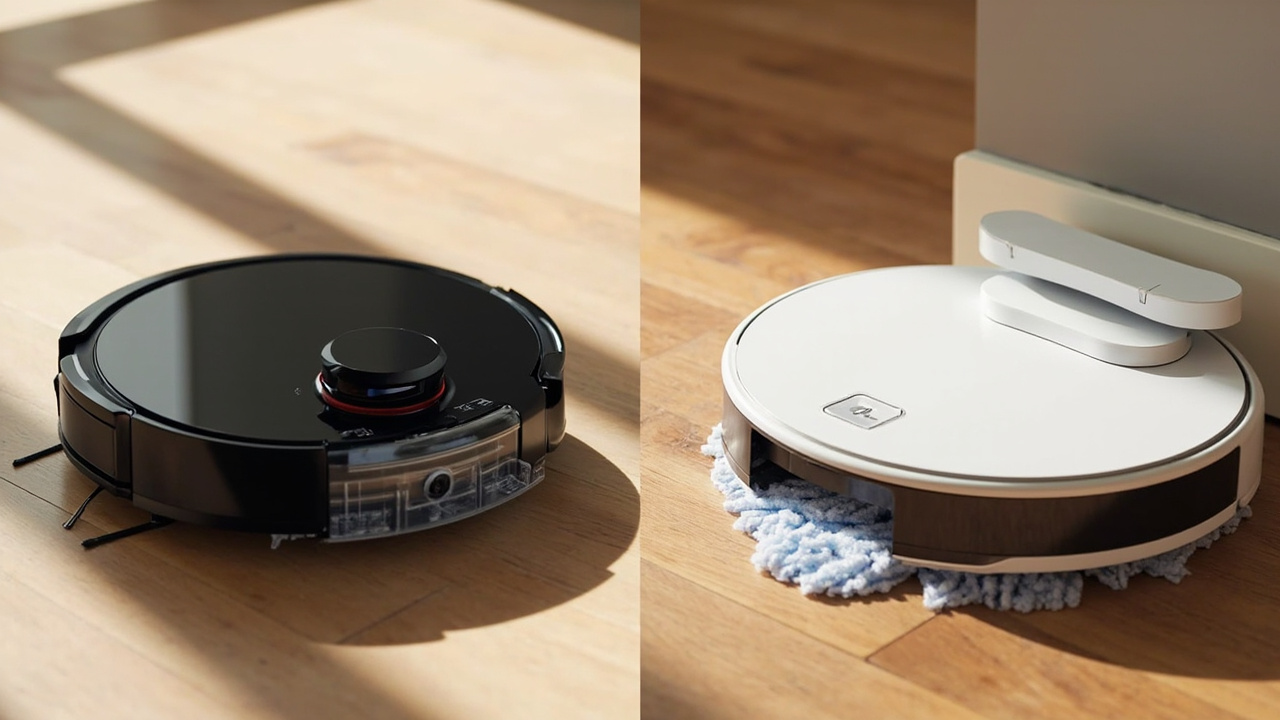
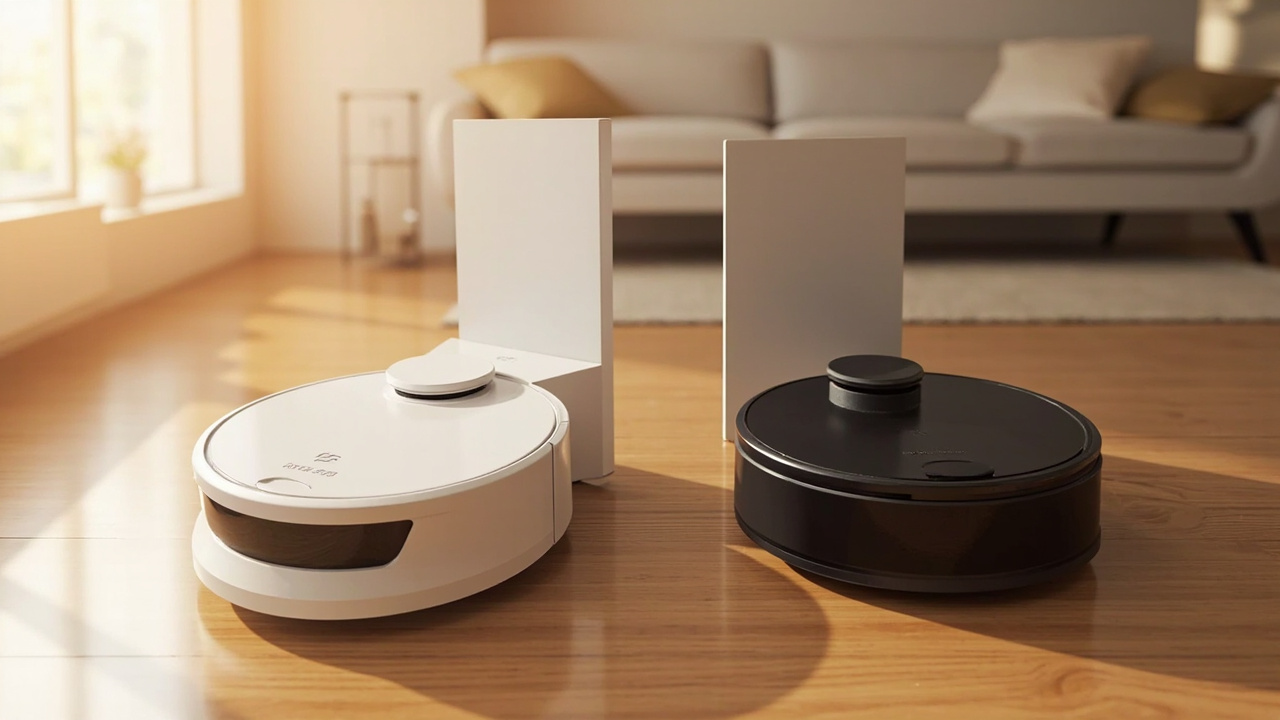
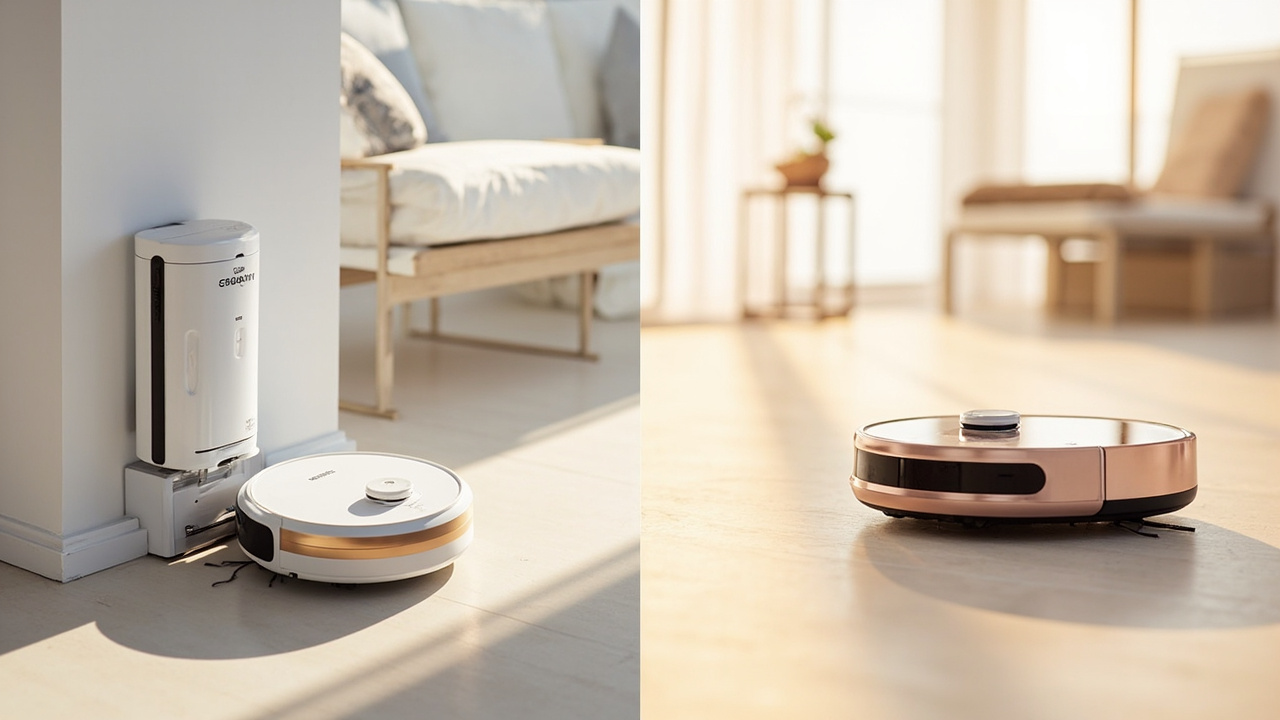
If you’re shopping for a flagship robot vacuum in June 2026, two new models dominate the conversation: the Ecovacs Deebot X11 OmniCyclone and the Roborock Saros 10R. Both launched as 2026 flagships, both sit in the $1,000-$1,600 range, and both make a strong case for “the last robot vacuum you’ll ever buy.”
The price gap between them is about $500 ($1,099.99 for the X11 vs $1,599.99 for the Saros 10R as listed on Best Buy in June 2026). That’s a real number. But the more interesting question is not “which is cheaper” — it’s “which one’s design choice will save you more money over 5 years of ownership?”
The X11’s headline feature is the first-ever bagless OMNI station on a flagship Ecovacs — no replacement dust bags, ever. The Saros 10R’s headline is the thinnest body in its class (under 3.2 inches), letting it clean under furniture most robots can’t reach. These are not just spec differences — they translate into real, ongoing savings or hidden costs.
We compared the two on current price, 5-year consumable cost, suction and mopping performance, base station design, navigation, noise, and durability.
The Verdict First
| If you are… | Pick the… |
|---|---|
| Mostly hard floors, want the lowest 5-year cost | Ecovacs Deebot X11 OmniCyclone — bagless station saves ~$50-80/year in dust bags |
| Mixed hard floor + medium-pile carpet, value low-profile design | Roborock Saros 10R — 3.14” body reaches under more furniture |
| Pet owner with heavy hair shedding | Toss-up — Saros 10R has stronger suction (22,000Pa vs 19,500Pa); X11 has a larger anti-tangle roller |
| Want the quietest dock (no auto-emptying roar) | Ecovacs X11 — the bagless cyclone system is significantly quieter than bagged auto-empty |
| Want a mop that scrubs dried stains, not just wipes | Ecovacs X11 — OZMO Roller 2.0 applies down-pressure, comparable to Roborock’s VibraRise |
| Want AI obstacle avoidance that learns your home over time | Roborock Saros 10R — ReactiveAI 3.0 is more mature than Ecovacs’ AIVI 3D |
| Plan to keep the robot 5+ years and want a sealed dustbin path | Ecovacs X11 — bagless cyclone means no recurring consumable purchases |
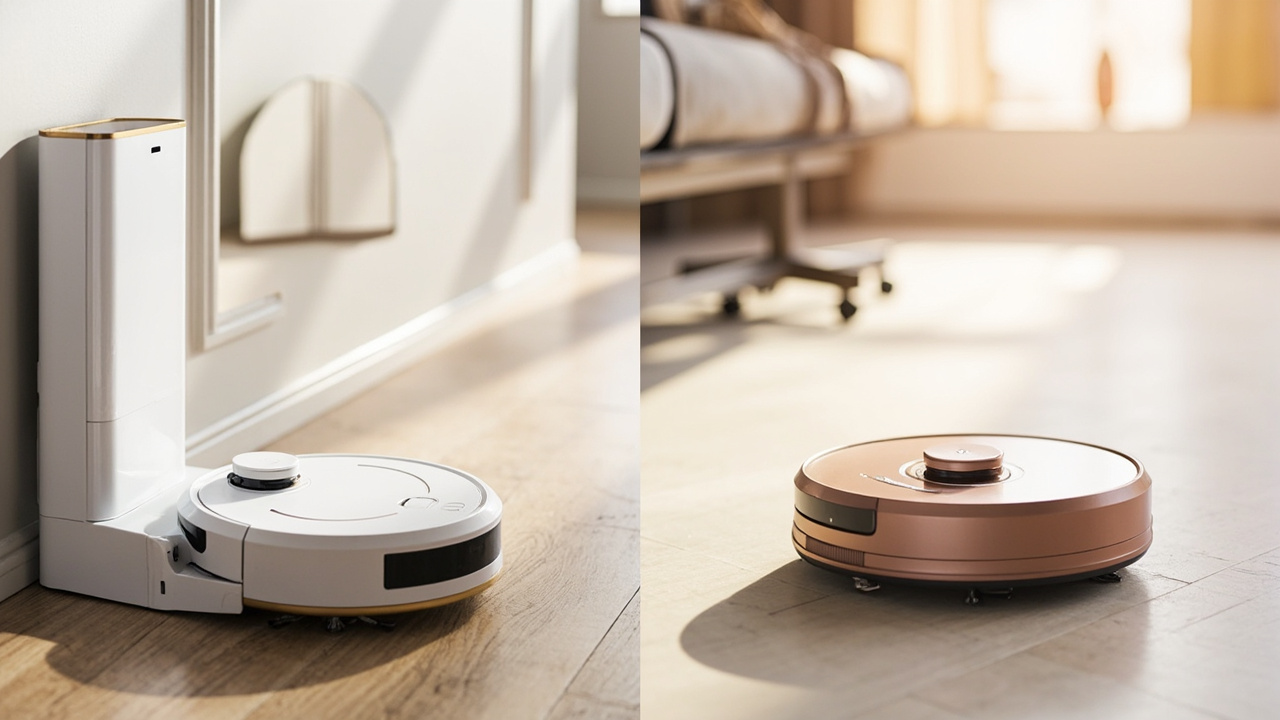
Short version: the Roborock Saros 10R is the better engineered robot for navigation, low-profile furniture access, and peak suction. The Ecovacs Deebot X11 OmniCyclone is the better long-term value because of the bagless OMNI station, lower sticker price, and quieter daily operation. For most readers, the X11 wins on cost-per-clean. The Saros 10R wins if your home is full of low-clearance furniture or you need every last Pa of suction.
Key Comparison Points
Price vs Real Cost Per Use
A premium robot vacuum is one of the few appliances where the upfront price is genuinely the smaller part of the ownership equation. Consumables — dust bags, mop pads, brushes, cleaning solution — add up over 5 years.
| Configuration | Ecovacs Deebot X11 OmniCyclone | Roborock Saros 10R |
|---|---|---|
| Best Buy price (June 2026) | $1,099.99 (was $1,400.98, save $300.99) | $1,599.99 (save $300, was $1,899.99) |
| Dust bag system | Bagless cyclone — empty bin, no replacement | Bagged auto-empty — needs replacement dust bags |
| Replacement dust bag cost | $0 (n/a) | ~$25-$35 per 6-pack on Amazon; ~$50-70/year |
| Mop pads | Washable + replaceable roller (lasts 6-12 months, ~$30) | Washable + replaceable mop pads (2 included, ~$25-35 for replacements) |
| Side brush / main brush | Standard (~$15-25 every 12-18 months) | Standard (~$15-25 every 12-18 months) |
| Cleaning solution | Ecovacs-branded, ~$20/L, optional | Roborock-branded, ~$20/L, optional |
| Self-cleaning dock water | Auto refill + auto drain (Refill & Drainage version available) | Auto refill + auto drain (Refill & Drainage version available) |
| Warranty | 1-year limited | 1-year limited |
Estimated 5-year consumable cost (excluding electricity and water):
- Ecovacs X11 → $0 dust bags + $30 mop roller (year 3) + $25 brushes = ≈$55
- Roborock Saros 10R → $50-70 × 5 years = ≈$250-350 in dust bags alone, plus $30-50 in mop pads and brushes
Total 5-year cost of ownership (sticker + consumables):
- Ecovacs X11 → $1,099.99 + $55 = ≈$1,155
- Roborock Saros 10R → $1,599.99 + $300 = ≈$1,900
That puts the Ecovacs X11 at roughly $700-750 cheaper over 5 years — and that gap widens if you keep the robot longer. The math flips in Roborock’s favor only if you specifically need its navigation or its thinner body to clean areas the X11 physically can’t reach.
Cost per clean (assuming the robot runs ~5 days/week, ~250 cleaning cycles/year):
- X11: ~$0.92 per cleaning session (year 1), drops to ~$0.10 per clean by year 3 with no consumables
- Saros 10R: ~$1.28 per clean (year 1), stays around $1.20-1.25 with bag replacements
The X11 is meaningfully cheaper per clean, and the gap compounds.
Build Quality and Durability
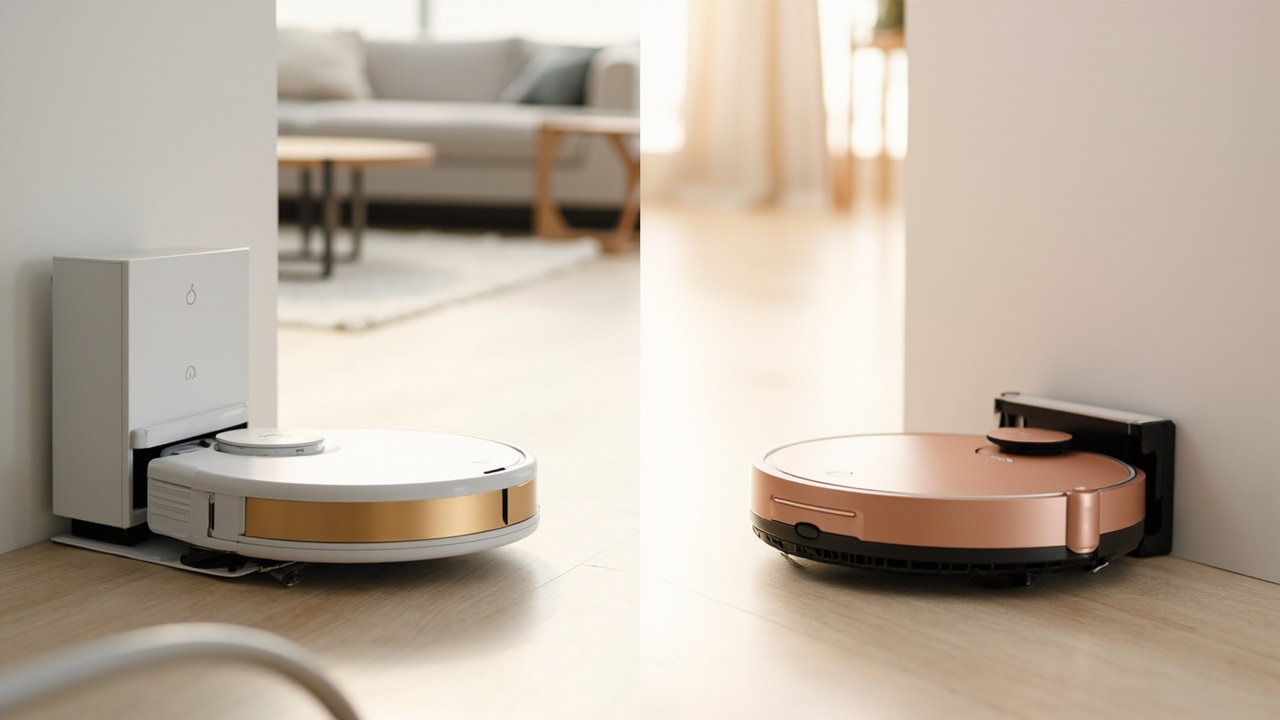
Both robots are genuinely well-built, but they take different approaches to longevity and maintenance.
Ecovacs Deebot X11 OmniCyclone
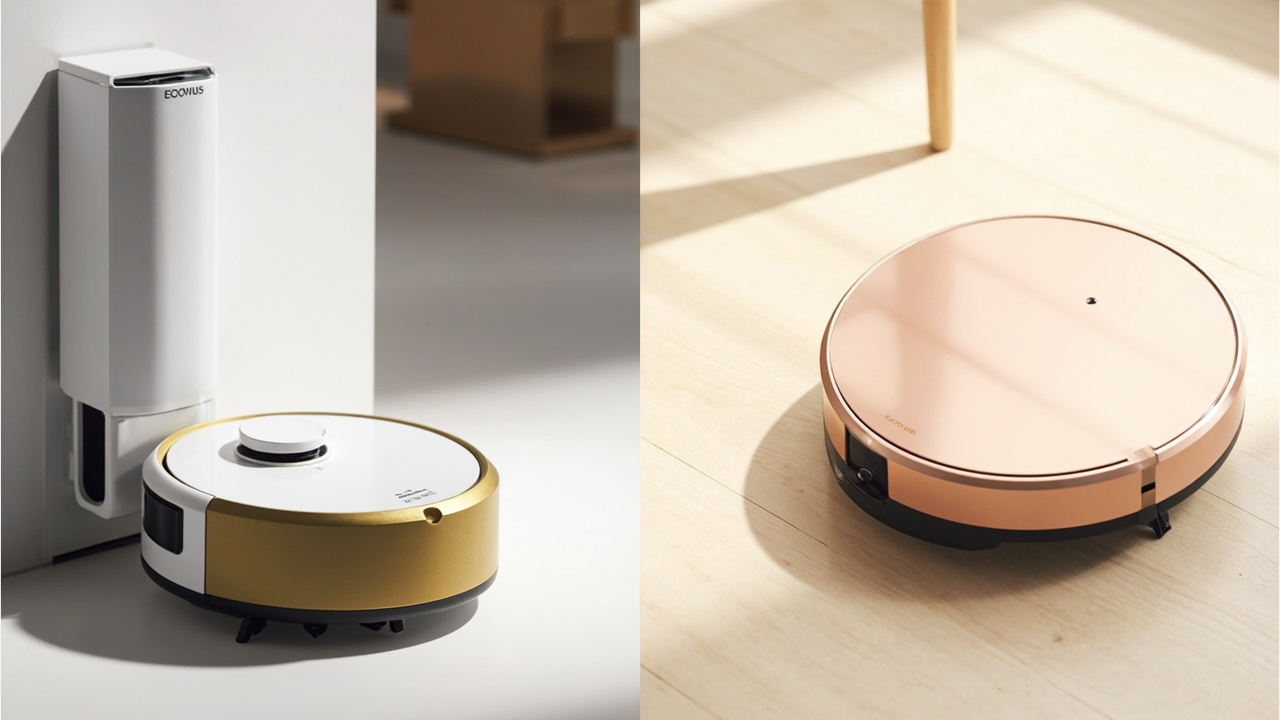
- First-ever bagless OMNI station in a flagship Ecovacs — the cyclone separator empties dust into a sealed bin you dump, no bags to buy or throw away
- 19,500Pa max suction (down from the 30,000Pa on the X9S Pro, but with better airflow optimization)
- OZMO Roller 2.0 mopping — single roller with 200 RPM rotation, applies ~1.0 kg of downward pressure
- PowerBoost Charging — charges 3× faster than previous generations, important for large homes
- TrueMapping 3.0 LiDAR + AIVI 3D camera-based obstacle avoidance
- AI-powered dirt detection — automatically re-cleans heavily soiled zones
- Mop auto-lift on carpet (~9-12 mm)
- 5,200 mAh battery
- Claimed runtime: up to 200 minutes in Eco mode
- 1-year limited warranty
Roborock Saros 10R
- Thinnest body in Roborock’s flagship line — 3.14 inches (80 mm), lets it clean under most sofas, beds, and low consoles
- Self-lifting chassis — robot lifts itself to climb over thresholds up to ~4 cm (per Roborock’s spec)
- 22,000Pa HyperForce suction
- VibraRise 3.0 sonic mopping — 4,000 RPM vibration with mop pad (not roller)
- ReactiveAI 3.0 obstacle avoidance (camera + 3D structured light)
- 6,400 mAh battery
- Claimed runtime: up to 180 minutes
- Mop auto-lift on carpet (~7-8 mm)
- Multi-function dock with auto-empty dust bag, auto water refill, auto drain (Refill & Drainage version)
- 1-year limited warranty
Real-world durability signals (r/robotvacuums, r/homeowners, Best Buy reviews):
- The Roborock Saros 10R’s thinner body means it can clean under more furniture, but the self-lifting chassis is a known wear point — Reddit reports of the lifting mechanism becoming noisy or sluggish after 18-24 months in some units.
- The Ecovacs X11’s bagless cyclone is mechanically simpler than a bagged auto-empty (no bag-change mechanism, no sealed bag path), but the cyclone separator itself needs occasional cleaning (~every 6 months, takes 2 minutes).
- Both robots’ mop systems need water-line descaling depending on local water hardness, which is normal for the category.
Winner: Tied on hardware, X11 edges on consumable simplicity.
Feature Breakdown
| Feature | Ecovacs Deebot X11 OmniCyclone | Roborock Saros 10R |
|---|---|---|
| Suction (max) | 19,500 Pa | 22,000 Pa |
| Mop system | OZMO Roller 2.0 (roller) | VibraRise 3.0 (vibrating pad) |
| Mop down-pressure | ~1.0 kg | ~600 g (sonic vibration) |
| Mop auto-lift on carpet | ~9-12 mm | ~7-8 mm |
| Dust system | Bagless cyclone | Bagged auto-empty |
| Obstacle avoidance | AIVI 3D (camera + 3D) | ReactiveAI 3.0 (camera + 3D structured light) |
| Battery | 5,200 mAh | 6,400 mAh |
| Claimed runtime | 200 min (Eco) | 180 min (Eco) |
| Body height | ~3.6 inches (91 mm) | 3.14 inches (80 mm) |
| Self-lifting chassis | No | Yes, up to ~4 cm threshold |
| Threshold climbing | ~2.0 cm | ~4.0 cm (with chassis lift) |
| App | Ecovacs Home (mature, multi-floor mapping) | Roborock / Mi Home (more polished UI) |
| Voice control | Alexa, Google, YIKO (Ecovacs built-in) | Alexa, Google, Siri Shortcuts |
| Multi-floor maps | Yes (up to 3) | Yes (up to 4) |
| No-go zones / virtual walls | Yes | Yes |
| Hot water mop wash | Yes (default) | Yes (default) |
| Hot air mop dry | Yes (default) | Yes (default) |
| Auto water refill | Yes (with Refill & Drainage version) | Yes (with Refill & Drainage version) |
| Auto drain | Yes (with Refill & Drainage version) | Yes (with Refill & Drainage version) |
| Noise (vacuum, max) | ~67 dB claimed | ~63 dB claimed |
| Noise (dock auto-empty) | ~75 dB (cyclone) | ~80 dB (bagged) |
The meaningful functional differences:
-
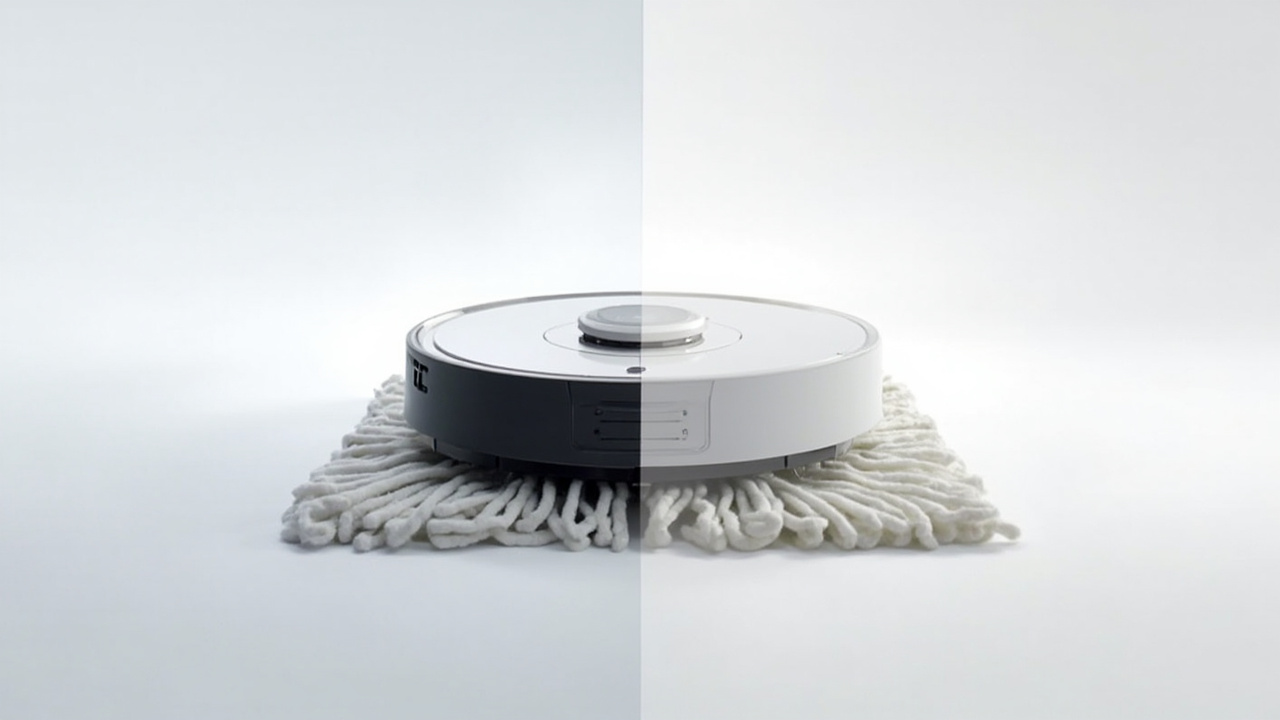
Mop type: The Ecovacs OZMO Roller 2.0 applies more physical pressure and is generally considered better for dried stains. The Roborock VibraRise sonic pad is quieter and more “scrubbing” in feel. For 80%+ of households, both are good enough.
-
Bagless vs bagged: This is the headline difference. The X11’s cyclone is quieter at the dock (~75 dB vs ~80 dB for the Saros 10R’s bagged auto-empty) and costs $0 in consumables. The Roborock is simpler to maintain (just pull the bag and throw it away) and is more hygienic for people with severe dust allergies (the bag is a sealed disposal path). The trade-off is real dollars.
-
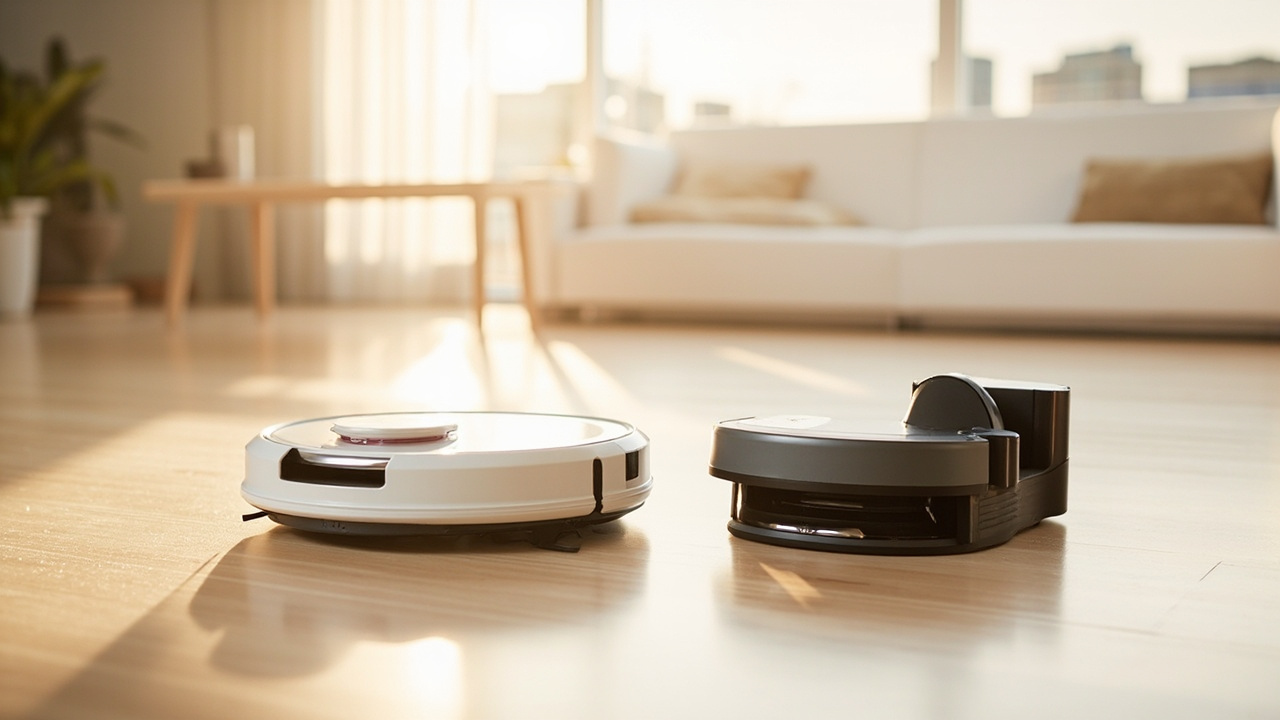
Body height: The Saros 10R’s 3.14-inch body is genuinely useful for low-clearance furniture. If your home has sofas with ~3.5 inches of clearance, the Saros 10R will fit where the X11 won’t.
-
Self-lifting chassis: The Saros 10R can climb thresholds up to ~4 cm by lifting itself, vs the X11’s standard ~2 cm. This matters for older homes with high transition strips or homes with multiple floor types separated by raised lips.
-
AI navigation: Roborock’s ReactiveAI 3.0 has more years of refinement. Ecovacs’ AIVI 3D is solid but slightly more prone to false-positive “stuck on a sock” warnings. In a controlled home with no pet toys, both work well.
Pros and Cons
Ecovacs Deebot X11 OmniCyclone
Pros
- Bagless OMNI station — first of its kind in a flagship Ecovacs, eliminates ~$50-70/year in dust bag replacements
- Lower sticker price ($1,099.99 vs $1,599.99 at Best Buy in June 2026)
- Quieter dock auto-empty (~75 dB vs ~80 dB)
- OZMO Roller 2.0 mopping is genuinely strong on dried stains
- PowerBoost Charging is fast — useful for large homes that need mid-cycle top-ups
- TrueMapping 3.0 LiDAR is accurate and reliable
- Long claimed runtime (200 min in Eco mode)
Cons
- Thicker body (~3.6”) — won’t fit under furniture with less than ~4 inches of clearance
- Slightly lower peak suction (19,500Pa vs 22,000Pa)
- AIVI 3D obstacle avoidance is good but reports more false positives than Roborock’s ReactiveAI
- Standard threshold climbing is ~2.0 cm (vs the Saros 10R’s 4.0 cm with self-lifting chassis)
- Ecovacs app is functional but less polished than Roborock’s
- Smaller user community in the US vs Roborock (less third-party accessory ecosystem)
Roborock Saros 10R
Pros
- Thinnest body in its class at 3.14 inches — cleans under sofas and beds that the X11 physically cannot reach
- Self-lifting chassis climbs thresholds up to ~4 cm — significant for older homes
- Higher peak suction (22,000Pa) for stubborn carpet debris
- ReactiveAI 3.0 obstacle avoidance is more mature and more accurate
- VibraRise 3.0 mopping is quieter in operation
- Larger 6,400 mAh battery
- Refill & Drainage version available for plumbed installations
- Polished Roborock app with mature multi-floor mapping
Cons
- Higher sticker price ($1,599.99 vs $1,099.99)
- Bagged auto-empty means ~$50-70/year in ongoing consumable purchases
- Bagged auto-empty is louder (~80 dB) than the X11’s cyclone
- Self-lifting chassis is a known wear point after 18-24 months of heavy use (per Reddit / r/robotvacuums)
- VibraRise 3.0 pad is less effective on dried stains than the X11’s roller
- Mop auto-lift is only ~7-8 mm (vs ~9-12 mm on the X11), which can leave carpet slightly damp
Best For / Skip If
Best For: Ecovacs Deebot X11 OmniCyclone
- Households with mostly hard floors (hardwood, tile, vinyl) and minimal carpet
- Mopping is a primary concern — the OZMO Roller 2.0 handles dried stains better than most competitors
- Buyers who want the lowest 5-year cost of ownership — no bag replacements
- Allergy-sensitive households who don’t want the recurring cost of dust bags (though the bagged system is technically more hygienic at disposal)
- Anyone who runs the robot 5-7 days per week and wants low ongoing maintenance
- Homes with standard threshold heights (~2 cm or less)
Best For: Roborock Saros 10R
- Homes with low-clearance furniture (sofas, beds, consoles with <3.5 inches of clearance)
- Older homes with high transition strips between rooms (the self-lifting chassis climbs ~4 cm)
- Households with medium-to-high pile carpet where the higher 22,000Pa suction matters
- Buyers who want the most mature AI navigation available
- Anyone with a severe dust allergy who prefers a sealed bag disposal path
- Multi-floor homes that benefit from Roborock’s mature multi-floor mapping
Skip the Ecovacs X11 If
- You have a lot of furniture with less than 4 inches of under-clearance (the Saros 10R is shorter)
- You have multiple high thresholds (>2 cm) between rooms
- You want the most accurate AI obstacle avoidance on the market
Skip the Roborock Saros 10R If
- You are buying for a 5+ year horizon and want to minimize ongoing consumable costs
- You have mostly hard floors and want the best mopping in the category
- You are sensitive to the auto-empty dock noise (the bagged system is louder)
- The $500 price difference matters for your budget
Bottom Line
If you are choosing between the Ecovacs Deebot X11 OmniCyclone ($1,099.99) and the Roborock Saros 10R ($1,599.99), the question is not “which is the better robot vacuum.” Both are excellent. The question is “which one’s design philosophy matches your home and your tolerance for ongoing costs?”
- Low-clearance furniture, high thresholds, severe allergies, want the most refined AI → Roborock Saros 10R.
- Mostly hard floors, want the best mopping, want the lowest 5-year cost, want a quieter dock → Ecovacs Deebot X11 OmniCyclone.
The Ecovacs X11’s bagless OMNI station saves roughly $50-70 per year in dust bag replacements, which compounds to $250-350 over 5 years — that is real money. Combined with the lower $1,099.99 sticker price, the X11 is approximately $700-750 cheaper to own over a 5-year horizon. The Roborock Saros 10R is genuinely a better-engineered robot in some dimensions (thinner body, higher suction, more mature AI), but those advantages only matter if your home specifically needs them.
For most readers — especially those with mostly hard floors, a 5+ year ownership horizon, and a preference for low-maintenance devices — the Ecovacs Deebot X11 OmniCyclone is the smarter buy.
Buy smart. Get more value.