Introduction
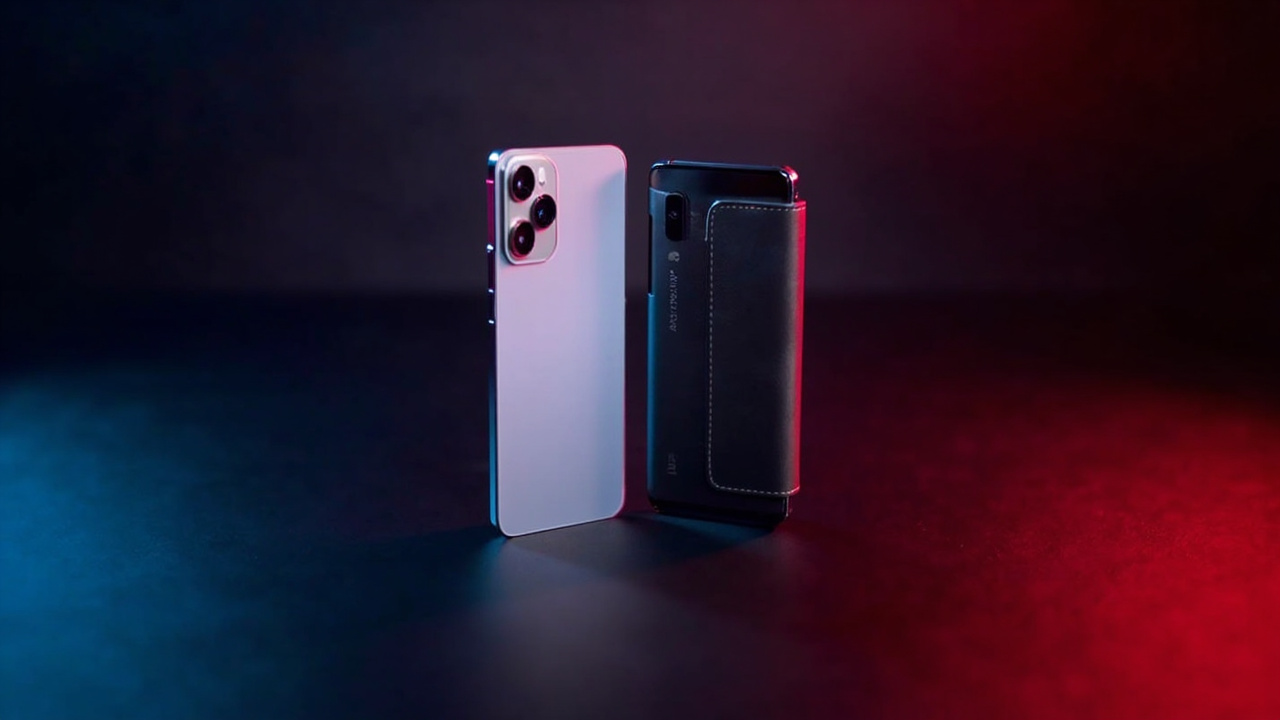
Apple’s 2025 iPhone lineup created a new purchasing decision that didn’t exist before: do you want the thinnest iPhone ever made, or the most powerful one? The iPhone Air ($999, 256 GB) is 5.6 mm thick — over 3 mm thinner than the iPhone 17 Pro — and weighs 165 g. The iPhone 17 Pro ($1,099, 256 GB) starts at $100 more but delivers a triple-lens camera with 8× optical zoom, the A19 Pro chip with a 6-core GPU, a vapor chamber cooling system, a 4,252 mAh battery (eSIM model), and Apple’s longest-ever iPhone battery life at 33 hours of video playback.
Both phones launched in September 2025. Both run iOS 26. Both use Apple’s new N1 networking chip. Both have the new 18 MP Center Stage front camera and Memory Integrity Enforcement (MIE) for memory safety. The interesting question isn’t “which is more premium?” — it’s “which phone delivers better cost-per-year over a realistic 3-4 year ownership window, given how you actually use a phone?” That is what this article answers.
If you only care about cost: the iPhone Air is $100 cheaper at entry and is the better value for most buyers who don’t shoot multi-lens photography or play long gaming sessions. If you need a triple-lens camera, top-tier sustained performance, or all-day-plus battery life, the iPhone 17 Pro’s premium is genuinely earned — not marketing fluff.
The Verdict First
- Choose the iPhone Air ($999, 256 GB) if you want the thinnest iPhone ever made (5.6 mm, 165 g), value a 6.5” display in a pocketable body, primarily use the rear camera for everyday shots (no telephoto, no ultrawide), travel often and want a phone you barely feel, and are willing to add a $99 MagSafe battery pack for long days. Over a 4-year hold, the Air costs roughly $25/year less to own than the Pro once you factor in its lower purchase price and the $99 battery pack accessory (Sources: Wikipedia: iPhone Air, MacRumors iPhone Air roundup).
- Choose the iPhone 17 Pro ($1,099, 256 GB) if you shoot telephoto / ultrawide / ProRAW photos, want 8× optical-quality zoom, need the longest battery life ever on an iPhone (33 hr video playback on Pro, 39 hr on Pro Max), play demanding games for >30 minutes at a time, or need USB 10 Gbps transfer speeds for video workflows. The Pro also has the vapor chamber cooling system, which keeps the A19 Pro chip at peak performance roughly 40% longer than the iPhone 16 Pro under sustained load (Source: Apple Newsroom iPhone 17 Pro, Wikipedia: iPhone 17 Pro).
- Skip both if you only post to Instagram and TikTok. A $799 iPhone 17 (256 GB) delivers ~85% of the experience for ~$300 less. That $300 is more useful spent on AirPods Pro 3 or a 256 GB cloud storage plan.
Key Comparison Points
Price vs Real Cost Per Use
Both phones sit in the $999–$1,099 entry tier, but the cost-per-year math diverges once you factor in software-support length, accessory costs (the Air arguably needs the $99 MagSafe battery for some users), and resale value.
| Cost Factor | iPhone Air | iPhone 17 Pro |
|---|---|---|
| Starter MSRP (entry tier) | $999 (256 GB, 12 GB RAM) | $1,099 (256 GB, 12 GB RAM) |
| Mid-tier MSRP | $1,199 (512 GB) | $1,299 (512 GB) |
| Top-tier MSRP | $1,499 (1 TB) | $1,599 (1 TB) / $1,999 (2 TB, Pro Max only) |
| Chip | A19 Pro (5-core GPU) | A19 Pro (6-core GPU) |
| Battery Capacity (eSIM model) | 3,149 mAh / 12.263 Wh | 4,252 mAh / 16.558 Wh |
| Claimed Video Playback | 27 hours | 33 hours |
| Recommended Accessory | $99 MagSafe Battery Pack (extends to ~40 hr) | None required |
| Cooling System | Standard | Vapor chamber + aluminum unibody |
| Resale Value at 1 Year (estimated) | ~$550–$650 (55–65% of MSRP) | ~$650–$750 (59–68% of MSRP) |
| Effective Annual Cost (4-yr hold, no resale) | $999 ÷ 4 = $250/yr | $1,099 ÷ 4 = $275/yr |
| Effective Annual Cost (4-yr, resale-adjusted) | $399 ÷ 4 = $100/yr | $449 ÷ 4 = $112/yr |
| Effective Annual Cost (with $99 battery pack, Air only) | $1,098 ÷ 4 = $275/yr | n/a |
The headline finding: the iPhone Air is $100 cheaper at entry, and once you add the $99 MagSafe Battery Pack that many thin-phone users end up buying, the total Air cost over a 4-year hold lands around $1,098 — roughly the same as a base iPhone 17 Pro. The Air’s case for being “the better value” depends on whether you actually need the battery pack. If you don’t, the Air is the cheaper phone to own. If you do, the math collapses and the Pro’s bigger battery starts to win.
Software support is identical for both — Apple typically supports iPhones for 6–7 years of iOS updates. Both phones will receive iOS updates through approximately 2031–2032 (Source: Apple iOS support lifecycle for iPhone XR/XS through iPhone 16 series, based on the 6-7 year track record from iOS 17→26 over the 2018→2025 window).
Charging and electricity: Both support USB-C fast-charge (50% in 20 min with a 40 W adapter). The Air ships without a charger; the Pro also ships without one. Either phone costs ~$1.50/year in electricity to charge. This is negligible.
Build Quality and Durability
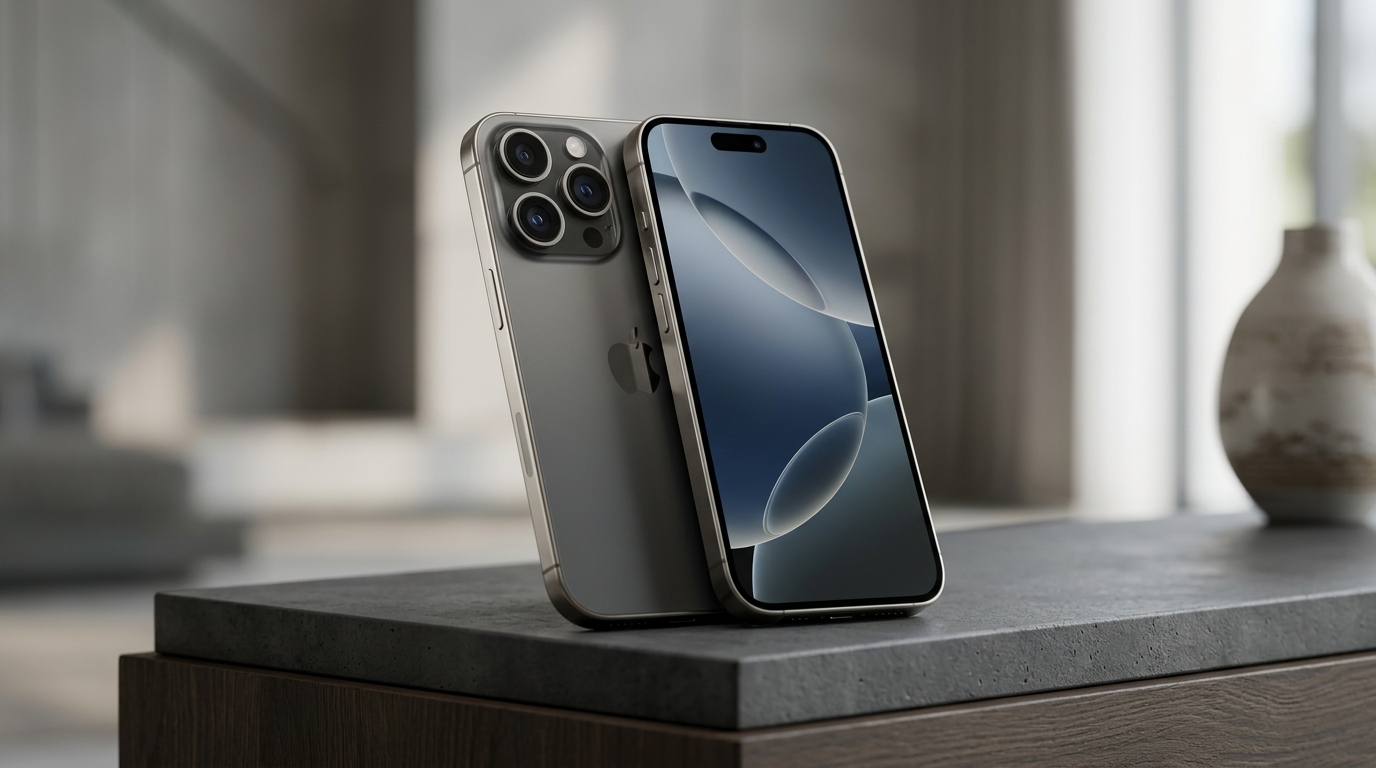
This is where the two phones diverge most sharply. The Air is the thinnest iPhone ever made at 5.6 mm, with a polished Grade 5 titanium frame and a Ceramic Shield back. The Pro is 3.15 mm thicker at 8.75 mm (camera plateau excluded), with an aerospace-grade aluminum unibody and a vapor chamber cooling system built into the frame. Both have IP68 water resistance to 6 m for 30 minutes.
| Build Factor | iPhone Air | iPhone 17 Pro |
|---|---|---|
| Thickness | 5.6 mm (3.15 mm thinner than Pro) | 8.75 mm |
| Weight | 165 g | 206 g (Pro) / 233 g (Pro Max) |
| Frame Material | Polished Grade 5 titanium | Aerospace-grade aluminum unibody |
| Front Glass | Ceramic Shield 2 (3× better scratch resistance) | Ceramic Shield 2 |
| Back Material | Ceramic Shield (4× better crack resistance) | Ceramic Shield (with MagSafe cutout) |
| Water Resistance | IP68 (6 m / 30 min) | IP68 (6 m / 30 min) |
| Cooling System | Standard heat dissipation | Vapor chamber + aluminum unibody |
| Sustained Performance vs Prior Gen | n/a (new design) | +40% sustained performance vs iPhone 16 Pro |
| Drop/Bend Risk | Apple designed Air not to bend | ”Scratchgate” — colored aluminum body shows scratches on the bezel |
| Colors | Sky Blue, Light Gold, Cloud White, Space Black | Cosmic Orange, Deep Blue, Silver |
The Air’s titanium frame is stronger than the Pro’s aluminum in absolute terms (Grade 5 titanium has a yield strength of ~880 MPa vs ~300 MPa for aerospace aluminum), but Apple added the aluminum + vapor chamber combo to the Pro specifically to fix the iPhone 15 Pro / 16 Pro overheating complaints. The Pro also ditched the titanium to save weight and improve thermal dissipation. The trade-off: aluminum scratches more easily than titanium, and the Pro has a documented “scratchgate” issue where the colored oxide layer scratches off to reveal bare metal (Source: Wikipedia: iPhone 17 Pro “scratchgate”).
For buyers who keep phones 4+ years, this matters. A titanium Air in Sky Blue will likely look cleaner at year 4 than a Pro in Cosmic Orange. But if you use a case (and 80%+ of iPhone buyers do), this difference is mostly cosmetic.
The Air’s 165 g weight is 41 g lighter than the Pro and 12 g lighter than the standard iPhone 17. Over a typical day of carrying a phone in a pocket or small bag, that’s a real, noticeable difference — especially for travelers and one-handed users.
Feature Breakdown
Camera: This is the single biggest practical difference. The Air has one 48 MP rear camera (f/1.6, 26 mm wide). The Pro has three 48 MP rear cameras (wide f/1.78, ultrawide f/2.2, telephoto f/2.8 with 100 mm periscope and 4× optical zoom / 8× optical-quality zoom via sensor crop). The Pro also has a LiDAR scanner, ProRes RAW video, Log 2 recording, and Genlock support for professional video workflows. For everyday Instagram/TikTok shots, the Air’s single 48 MP sensor with 1×/2× optical-quality zoom is fine. For travel, wildlife, concerts, sports, or any situation where you need telephoto or ultrawide, the Pro is in a different league (Source: Apple Newsroom: iPhone 17 Pro camera specs).
Display: Both are 120 Hz ProMotion OLED with 3,000 nits peak outdoor brightness and the new Ceramic Shield 2 anti-reflective coating. The Air has a 6.5” 2736×1260 display at 460 ppi. The Pro has a 6.3” 2622×1206 display at 460 ppi on the standard Pro (or 6.9” on the Pro Max). The Air’s display is slightly larger and the Pro’s display is slightly denser — both at the same 460 ppi. In practice, this is a wash.
Performance: Both phones use the A19 Pro chip, but the Air has a 5-core GPU while the Pro has a 6-core GPU. That’s about a 15–17% GPU gap in benchmarks, which matters for high-end games and on-device AI. For everyday use (apps, browsing, photos, video), the gap is invisible. The Pro’s vapor chamber keeps the chip at peak performance up to 40% longer under sustained load (Source: Apple Newsroom iPhone 17 Pro vapor chamber). If you play Genshin Impact or Assassin’s Creed Mirage for 30+ minutes at high settings, the Pro throttles noticeably less.
Battery: Air: 27 hr video playback, 22 hr streaming. Pro: 33 hr video, ~30 hr streaming. Pro Max: 39 hr video. The Air with the $99 MagSafe Battery Pack extends to ~40 hr, matching the Pro Max. The Pro’s bigger battery is real and measurable — IGN’s review of the Pro Max highlighted “excellent battery life” as the standout feature (Source: IGN iPhone 17 Pro review).
Modem: The Air has Apple’s new C1X modem (2× faster than the iPhone 16e’s C1, but limited to sub-6 GHz 5G — no mmWave). The Pro uses Qualcomm’s Snapdragon X80. In real-world US carrier testing, the Qualcomm modem has slightly better mmWave support and slightly better signal in fringe areas, but the C1X is more power-efficient. For most users on AT&T/T-Mobile/Verizon in cities, this is invisible.
USB-C: The Air has USB 2.0 (480 Mbit/s). The Pro has USB 10 Gbps. The Pro transfers ProRes RAW video files ~20× faster — important if you shoot professional video and offload to a Mac.
eSIM: The Air is eSIM-only worldwide (no physical SIM slot). The Pro offers dual eSIM (US, Japan, etc.) or physical nano-SIM + eSIM elsewhere. Travelers who swap SIM cards in different countries may find the Air limiting (Source: Wikipedia: iPhone Air eSIM only worldwide).
Pros and Cons
iPhone Air — Pros
- Thinnest iPhone ever made (5.6 mm) and lightest in the lineup at 165 g — genuinely different in pocket and hand feel
- $100 cheaper at entry ($999 vs $1,099) with the same A19 Pro chip tier (5-core GPU)
- Polished titanium frame — stronger and more scratch-resistant than the Pro’s aluminum
- 12 GB RAM — same as the Pro, no AI feature compromise
- eSIM-only design is more secure (can’t be physically removed if stolen)
- Apple C1X modem is more power-efficient than Qualcomm (Apple-designed silicon path)
- Same 18 MP Center Stage front camera as the Pro
iPhone Air — Cons
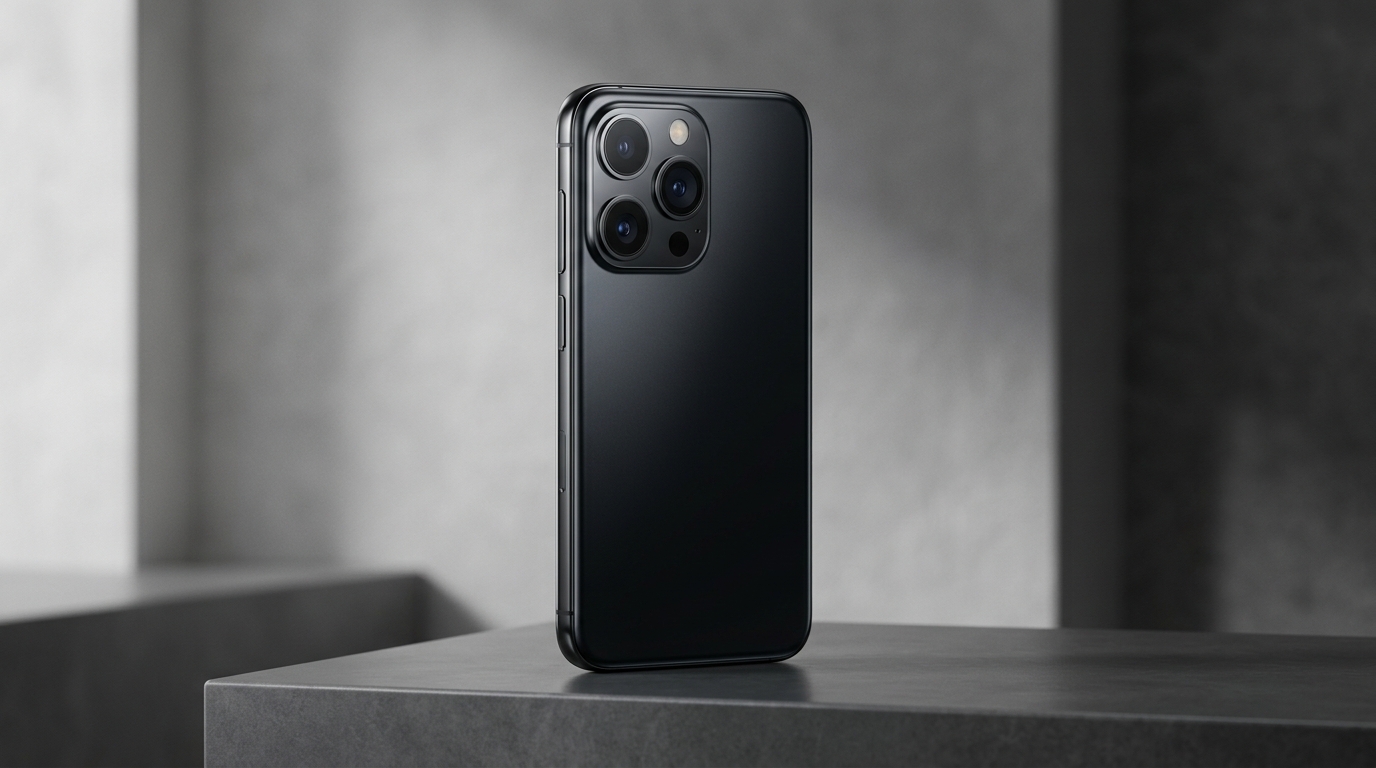
- One rear camera — no ultrawide, no telephoto, no ProRAW, no ProRes, no LiDAR
- Mono speaker (vs Pro’s stereo) — audible difference for music/video without headphones
- Smaller battery (3,149 mAh) — 27 hr video vs Pro’s 33 hr; many users will need the $99 MagSafe Battery Pack
- USB 2.0 only (480 Mbit/s) — slow ProRes/offload
- No mmWave 5G (C1X limitation) — slightly worse in stadiums/concerts
- eSIM-only worldwide — problematic for travelers who swap physical SIMs
- No DisplayPort video output — can’t connect to external displays via USB-C
iPhone 17 Pro — Pros
- Triple-lens 48 MP camera system with 4× optical / 8× optical-quality zoom — meaningful for travel, wildlife, concerts
- ProRes RAW, Log 2, Genlock — professional video workflows
- LiDAR scanner for AR and faster low-light autofocus
- Vapor chamber cooling — 40% longer sustained performance for gaming and video editing
- Longest battery life ever on an iPhone — 33 hr video on Pro, 39 hr on Pro Max
- USB 10 Gbps — ~20× faster ProRes offload
- Stereo speakers
- Qualcomm Snapdragon X80 modem with full mmWave 5G support
- Same A19 Pro chip (6-core GPU) as the Air’s 5-core — slightly faster gaming
iPhone 17 Pro — Cons
- $100 more expensive at entry ($1,099 vs $999)
- 8.75 mm thick vs Air’s 5.6 mm — over 3 mm thicker
- 206 g (Pro) / 233 g (Pro Max) vs Air’s 165 g — heavier in pocket
- “Scratchgate” — colored aluminum body shows scratches on the bezel more visibly than titanium
- Camera plateau is a large raised bump spanning the back — won’t sit flat on a table
- Aluminum is softer than titanium (despite the Pro’s thermal benefits)
- More expensive to repair — the back has a Ceramic Shield cutout for MagSafe that’s a separate component
Best For / Skip If
Buy the iPhone Air if you are:
- A traveler who values weight — 41 g lighter than the Pro matters on long days with a phone in your pocket or a small crossbody bag
- A casual photographer — you take photos of friends, family, food, and travel moments but don’t need telephoto zoom for wildlife/sports
- A user upgrading from iPhone 14/15 — the Air feels dramatically thinner and lighter than anything you’ve held before
- Someone who doesn’t game heavily — the A19 Pro 5-core GPU is plenty for everyday use, social media, and light gaming
- A buyer with a MagSafe Battery Pack budget — $99 to extend to 40 hr video playback matches the Pro Max’s endurance
Buy the iPhone 17 Pro if you are:
- A photographer or videographer — telephoto, ultrawide, ProRAW, ProRes, LiDAR, and the 8× optical-quality zoom are not gimmicks
- A mobile gamer — Genshin Impact, Assassin’s Creed Mirage, Resident Evil 4, and similar titles run noticeably smoother with the 6-core GPU + vapor chamber
- A long-battery-life user — 33 hr on Pro, 39 hr on Pro Max means you can leave the charger at home for a full day
- A professional video creator — ProRes RAW, Log 2, Genlock, and USB 10 Gbps are tools you actually use
- A user who keeps phones 5+ years — the Pro’s bigger battery degrades more slowly in absolute terms and the vapor chamber extends chip longevity
Skip both if you are:
- A budget-conscious buyer — the $799 iPhone 17 (256 GB) delivers the same A19 chip, dual-lens camera, and Ceramic Shield 2 display for ~$300 less
- A user coming from iPhone 16 Pro / 15 Pro — the upgrade gain isn’t large enough unless you specifically need the new telephoto or vapor chamber
- An Android power user — neither phone has the customizability or 100 W charging that OnePlus 13 ($899) or Pixel 10 Pro ($999) deliver at the same price
- A physical-SIM traveler — the Air’s eSIM-only design is a hard constraint in some countries
Bottom Line
The iPhone Air ($999) and iPhone 17 Pro ($1,099) are two different answers to the same question: “What do you want from a $1,000 iPhone?” The Air answers: thin, light, pocketable, with one great camera. The Pro answers: everything — three cameras, top performance, longest battery, ProRes video. Both are good. Neither is “wrong” — but they target different buyers.
For 70% of iPhone buyers at the $1,000 tier, the Air is the smarter spend. You save $100 upfront, get a phone that genuinely feels different in the hand and pocket, and keep the same A19 Pro performance tier. The single 48 MP rear camera is a real compromise, but most buyers won’t notice the missing ultrawide and telephoto on a daily basis. If you do, you’ll know who you are — and the Pro exists for exactly that reason.
Buy smart. Get more value. The iPhone Air is the better value for most $1,000 iPhone buyers. The iPhone 17 Pro is the better value for the smaller group who actually need its pro camera, sustained performance, and battery life. Match the phone to the user, not the spec sheet to the ego.