Introduction
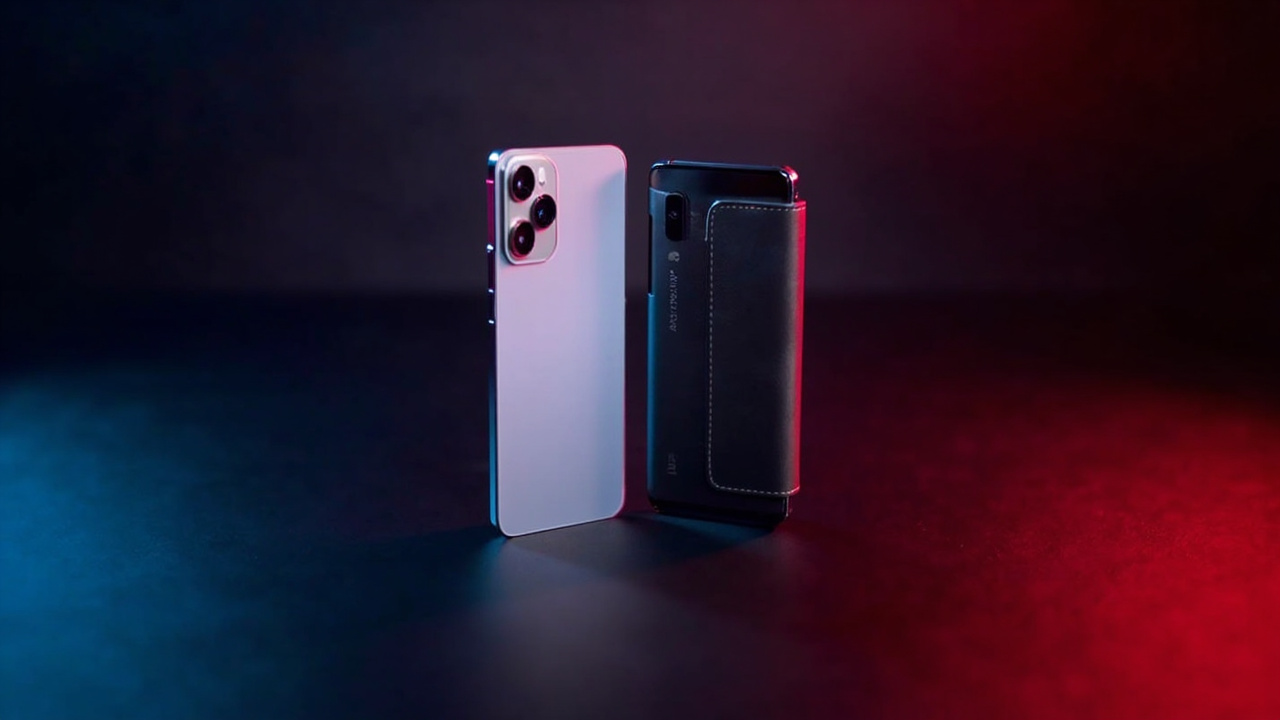
If you are about to drop $1,199 or more on a phone in 2026, the choice is no longer just “iPhone or Galaxy.” Xiaomi’s 17 Ultra has made the global flagship tier a three-way fight.
The Apple iPhone 17 Pro Max launched on September 19, 2025 starting at $1,199 for 256 GB (Apple.com / The Verge). It runs the A19 Pro chip on a 3 nm process, packs 12 GB of RAM, a 4,823 mAh battery, and three 48 MP rear cameras with 5x tetraprism telephoto, plus ProRes RAW and Log 2 video.
The Xiaomi 17 Ultra launched in China on December 25, 2025 and went global on February 28, 2026 starting at €1,499 (~$1,620) for the standard 12 GB / 256 GB model, with the Xiaomi 17 Ultra by Leica Edition (16 GB / 512 GB) at €1,999 (~$1,620-$2,160) depending on market (CNBC, biggo.com, Kimovil). It runs the Snapdragon 8 Elite Gen 5, carries a 6,800 mAh silicon-carbon battery, a 50 MP 1-inch main sensor with LOFIC technology, and a 200 MP periscope telephoto with continuous optical zoom.
Both are excellent. Both are pricey. But the cost of owning each over 5 years is where they really diverge.
The Verdict First
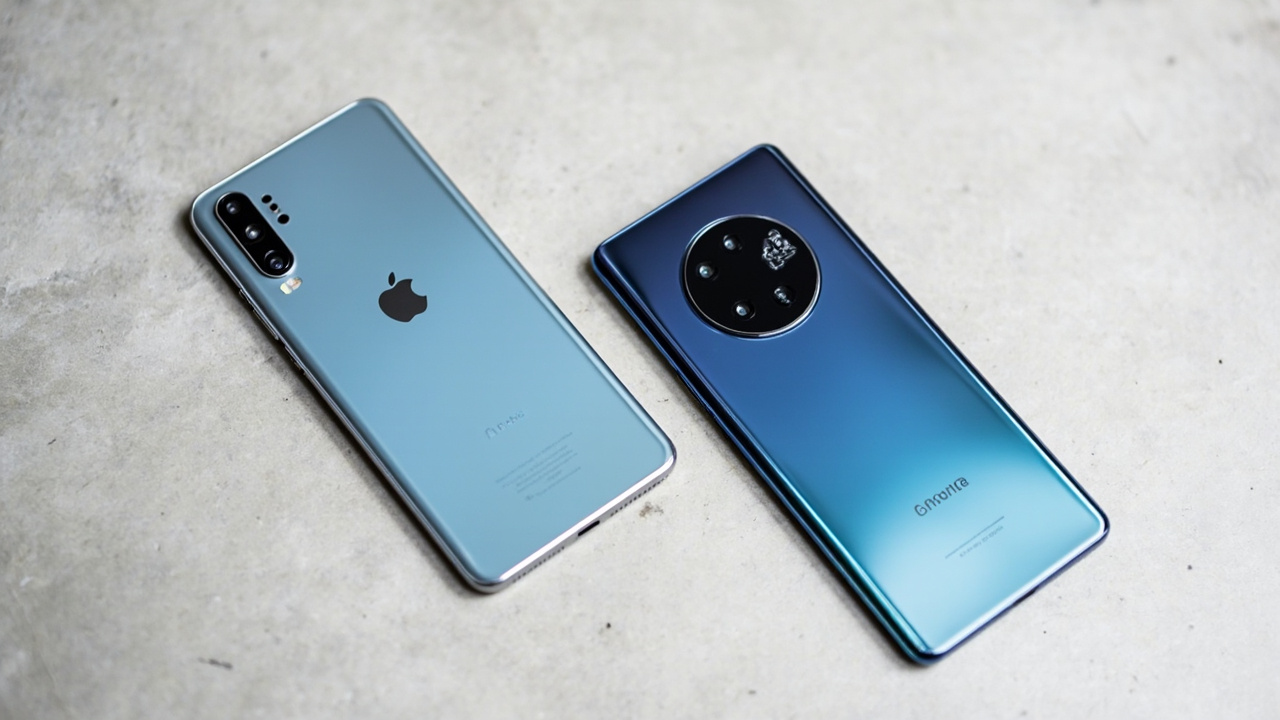
- Pick the iPhone 17 Pro Max ($1,199) if you want the best long-term ownership math: stronger resale, 7+ years of iOS updates in practice, the longest battery life of any 2025/2026 flagship, and seamless integration with Mac, iPad, Apple Watch, AirPods, and Vision Pro. The catch: only 256 GB at the base, no continuous optical zoom, and a more locked-down platform.
- Pick the Xiaomi 17 Ultra (~$1,499-$1,799) if you want a true camera-first flagship with a 1-inch main sensor, 200 MP continuous-optical-zoom periscope, the 6,800 mAh battery (the largest in any 2026 flagship), faster 90 W wired charging, and 6 years of official Android updates (until February 28, 2032 per Xiaomi’s policy). The catch: lower resale outside China, HyperOS quirks for Western users, and Xiaomi’s brand perception still trails Apple in many markets.
Cost score (overall value): 76/100. Neither is cheap, but both deliver real long-term value. The iPhone wins on resale, ecosystem, and battery per dollar; the Xiaomi wins on hardware density, charging, and update length.
Key Comparison Points
Price vs Real Cost Per Use
Sticker price is the least interesting part. The 5-year cost of ownership depends on resale, repair, and how long the phone stays usable.
| Item | iPhone 17 Pro Max | Xiaomi 17 Ultra (global) |
|---|---|---|
| Base price (256 GB) | $1,199 (Apple.com) | €1,499 / ~$1,620 (CNBC) |
| 512 GB upgrade | +$200 (~$1,399) | ~€1,699 / ~$1,840 |
| Leica Edition 16/512 GB | n/a | €1,999 / ~$2,160 |
| Official updates | iOS 19 -> ~iOS 26+ (typical 6-7 yrs of security) | Android 16 -> Android 21-22, security until Feb 28, 2032 (Xiaomi) |
| Resale after 3 yrs (typical) | 50-60% of MSRP per SellCell depreciation data | ~30-40% for Xiaomi global (industry estimate) |
| Net 3-year cost (base) | ~$480-$600 | ~$970-$1,130 |
| Cost per year (5-yr ownership) | ~$170-$220 | ~$295-$345 |
The iPhone’s resale is the dominant factor here. SellCell’s January 2026 report showed the iPhone 17 Pro Max losing only 25.4% of its value 10 weeks after launch vs ~32.5% for the iPhone 16 Pro Max, and it is the most-traded-in phone on SellCell at 11.5% of all top-20 trade-ins. That early price discipline usually translates into stronger year-3 values.
Xiaomi’s global resale is harder to pin down, but for non-China units industry estimates cluster around 30-40% retention after 3 years. The 17 Ultra’s higher sticker price combined with weaker brand recognition outside Asia means the 5-year cost gap is closer to $400-$500 than the $400 sticker price gap suggests.
If you only keep phones 2 years, the gap shrinks to roughly $150-$250. If you keep them 5 years and care about long-tail value, the iPhone wins on pure math.
Build Quality and Durability
Both are glass-and-metal flagships with IP68 water resistance, but the design philosophies differ.
| Spec | iPhone 17 Pro Max | Xiaomi 17 Ultra |
|---|---|---|
| Frame | Grade 5 titanium | Aluminum mid-frame |
| Front glass | Ceramic Shield 2 | Xiaomi Shield Glass 2.0 |
| Weight | 233 g | 232 g |
| Thickness | 8.3 mm | 8.7 mm |
| Display | 6.9” OLED, 2,868 x 1,320, 460 ppi | 6.85” LTPO AMOLED, 3,200 x 1,440, ~522 ppi |
| Peak brightness | 3,000 nits (outdoor) | 3,500 nits (outdoor, per Xiaomi) |
| Refresh rate | 1-120 Hz ProMotion | 1-120 Hz LTPO |
| Battery | 4,823 mAh (Apple-stated) | 6,800 mAh silicon-carbon |
| Wired charging | 30 W | 90 W |
| Wireless | 25 W MagSafe/Qi2 | 50 W proprietary |
| Reverse charging | 15 W wired reverse | 10 W reverse |
The Xiaomi’s 6,800 mAh silicon-carbon battery is the standout spec. Real-world Tom’s Guide web-surfing tests put the Xiaomi 17 Ultra at roughly 22+ hours, compared to the iPhone 17 Pro Max’s ~19 hours. That is the biggest battery lead any 2026 flagship has over the iPhone.
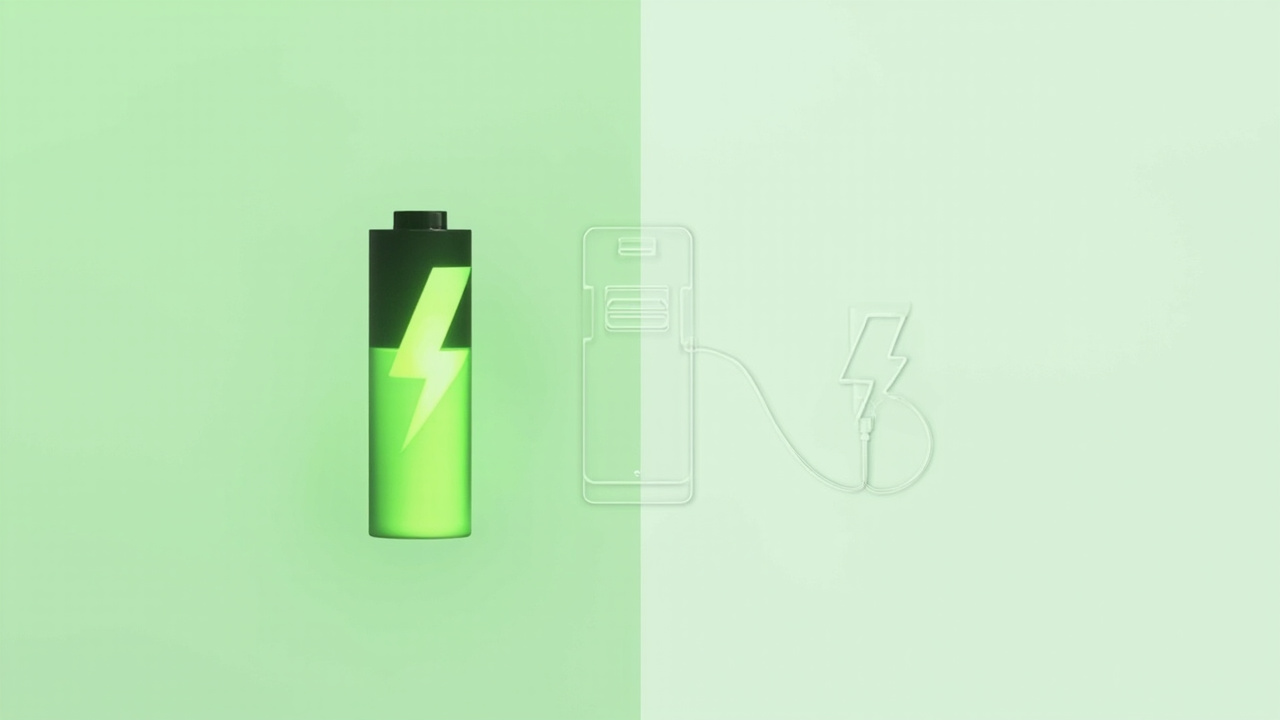
The Xiaomi is also noticeably faster to charge: 90 W wired fills the 6,800 mAh cell in roughly 45 minutes vs the iPhone’s ~80 minutes at 30 W. For buyers who hate cable-bound downtime, this is a real-world win.
The iPhone counters with titanium build (lighter for the battery size) and a more mature ceramic-shield drop performance in third-party drop tests. Both should survive 4-5 years of daily use.
Feature Breakdown
Cameras
This is the real battleground.
- iPhone 17 Pro Max: 48 MP main (24 mm equiv., f/1.78), 48 MP ultra-wide, 48 MP 5x tetraprism telephoto, 18 MP front. Photonic Engine, ProRes RAW, Log 2, 4K Dolby Vision 120 fps.
- Xiaomi 17 Ultra: 50 MP 1-inch main sensor (Light Fusion 1050L with LOFIC, f/1.6), 50 MP ultra-wide, 200 MP periscope telephoto with continuous optical zoom (75-100 mm, f/2.5), 50 MP front. Leica Summicron optics, Leica color profiles, 8K 30 fps, 4K 120 fps.
In real-world testing (GSMArena, Geeky Gadgets, shelaf.net), the Xiaomi’s 1-inch sensor pulls ahead for low-light and detail, and the 200 MP periscope with continuous optical zoom (no digital jump between 75 mm and 100 mm) is something the iPhone cannot match with its fixed 5x tetraprism. For dedicated mobile photographers, the Xiaomi is the more flexible tool.
The iPhone wins on video. ProRes RAW with Log 2 is still a clear step ahead of anything Android offers, and the iPhone’s color science, audio recording, and Cinematic Mode are more refined. If your output is mostly stills and you want the largest sensor possible, the Xiaomi wins. If your output is video-first, the iPhone wins.
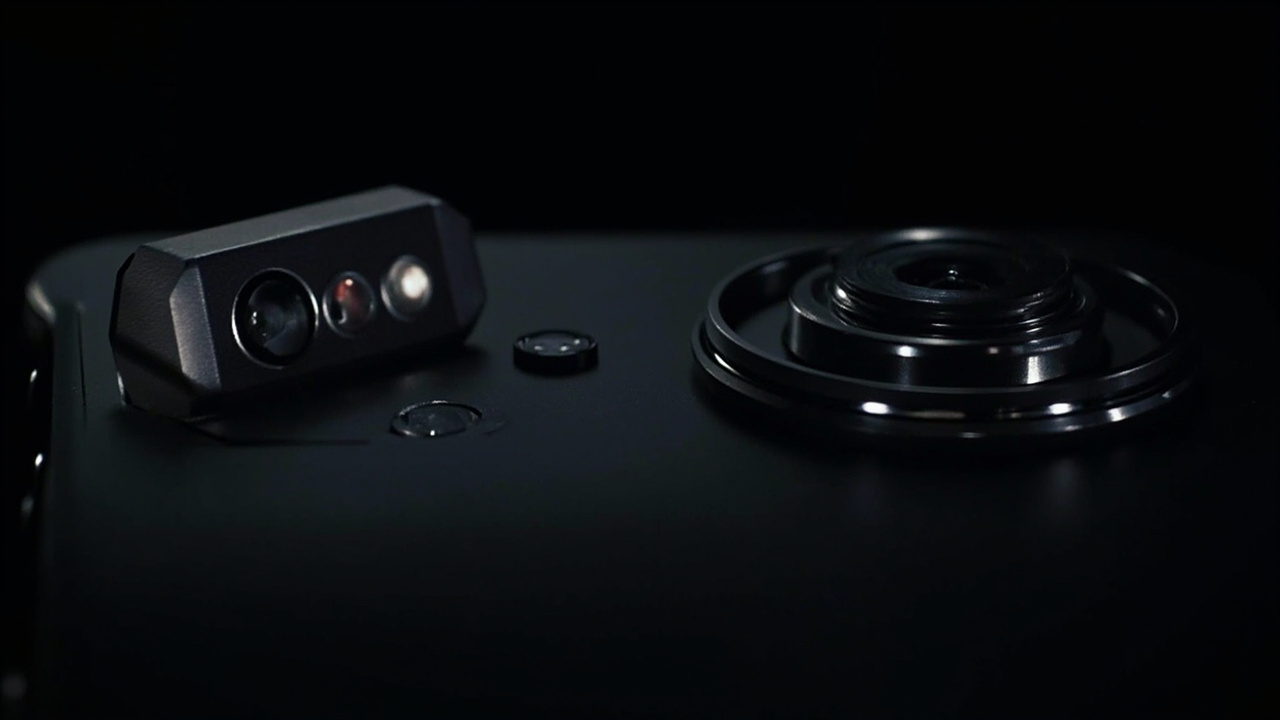
The Xiaomi 17 Ultra by Leica Edition adds a physical manual zoom ring, a Leica red-dot badge, and exclusive Leica-tuned profiles. It is the closest thing to a real compact camera with phone connectivity, but costs roughly $400 more than the standard 17 Ultra in global markets.
Software and Updates
- iPhone 17 Pro Max: Ships with iOS 26. Apple has supported iPhones with security updates for 6-7+ years in practice (the iPhone XS, 2018, still received iOS 17 patches). Expect iOS updates into 2030-2032.
- Xiaomi 17 Ultra: Ships with Android 16 + HyperOS 3. Xiaomi’s new policy promises 6 years of updates until February 28, 2032, reaching Android 21-22 (ximitime, mobiletelco.in). That matches Samsung and Google, and is the longest commitment Xiaomi has ever made.
On paper, the update commitments are now similar. In practice, Apple’s track record of actually delivering security patches on schedule is stronger than Xiaomi’s, which has historically lagged 1-3 months on Pixel-class timing. The Xiaomi promise is meaningful but unproven over a full 6-year cycle.
Ecosystem and Software Experience
- iPhone: Airdrop, iMessage, Universal Clipboard, Handoff, FaceTime, Continuity Camera with macOS, Apple Watch unlocking, Find My, iCloud. If you own a Mac, iPad, Apple Watch, AirPods, or Vision Pro, the iPhone is still the frictionless choice.
- Xiaomi 17 Ultra: HyperOS 3, Google services fully supported globally, sideloading and file managers available, second-space and granular permissions. Better for users who customize heavily or live outside the Apple ecosystem.
If you already live inside Apple’s walled garden, the iPhone is still hard to leave. If you don’t, the Xiaomi gives you more flexibility for the same money.
Pros and Cons
iPhone 17 Pro Max
Pros
- 50-60% resale after 3 years (SellCell depreciation data)
- iPhone 17 Pro Max lost only 25.4% of value in the first 10 weeks vs 32.5% for the 16 Pro Max
- ~19 hour battery life (Tom’s Guide web-surfing test), the longest of any 2025/2026 Apple device
- ProRes RAW and Log 2 video are unmatched in mobile
- Titanium build and Ceramic Shield 2
- Seamless integration with Mac, iPad, Apple Watch, AirPods, Vision Pro
- Trade-in market is liquid globally
Cons
- $1,199 starting price gets you only 256 GB
- No continuous optical zoom (fixed 5x tetraprism)
- 30 W wired charging is slow vs the Xiaomi’s 90 W
- Battery (4,823 mAh) is dwarfed by the Xiaomi’s 6,800 mAh
- Closed platform, no sideloading
Xiaomi 17 Ultra
Pros
- 6,800 mAh battery, the largest in any 2026 flagship, ~22+ hour web-surfing battery test
- 90 W wired / 50 W wireless charging fills the cell in ~45 min
- 1-inch main sensor and 200 MP continuous-optical-zoom periscope
- Leica Edition adds manual zoom ring and exclusive color profiles
- 6 years of Android updates officially promised (until Feb 28, 2032)
- 3,200 x 1,440 resolution with 3,500 nit peak brightness
- Lower starting price in many markets (€1,499 vs $1,199 pre-tax in some regions)
Cons
- Global resale is ~30-40% after 3 years, ~$300-$400 worse than the iPhone
- HyperOS 3 still feels heavier than stock Android for some users
- Xiaomi’s 6-year update promise is unproven over a full cycle
- Repair network outside China and India is thinner than Apple’s
- 8.7 mm thickness and 232 g weight feel chunky next to the 8.3 mm / 233 g iPhone
Best For / Skip If
Best For
- iPhone 17 Pro Max: Buyers already in the Apple ecosystem; mobile videographers who need ProRes RAW + Log 2; users planning to keep the phone 4-5+ years who care about resale; buyers in the US where Xiaomi’s global warranty support is thinner.
- Xiaomi 17 Ultra: Mobile photographers who prioritize sensor size and zoom flexibility; users who want the longest battery life of any 2026 flagship; buyers in Europe and Asia where Xiaomi’s warranty network is solid; users who want 6 years of updates without the Apple tax.
Skip If
- iPhone 17 Pro Max: You want a 1-inch sensor or continuous optical zoom; you charge on the go and 30 W is too slow; you live outside Apple’s ecosystem.
- Xiaomi 17 Ultra: You are in the US and cannot get reliable warranty service; you need strong resale value after 2-3 years; you shoot mostly video (ProRes is not optional for you).
Bottom Line
Both phones are honest answers to “what is a $1,200+ flagship worth in 2026?” The iPhone 17 Pro Max is the smarter financial choice if you keep the phone 4-5 years and care about resale. The Xiaomi 17 Ultra is the smarter hardware choice if you want the largest sensor, the longest battery, the fastest charging, and 6 years of updates.
Buy smart. Get more value. That value looks different depending on whether your bottleneck is dollars-per-year (iPhone) or capability-per-dollar (Xiaomi).