Introduction
The flagship Android question in 2026 is no longer “Galaxy or Pixel?” — it’s “fast-charging hardware king or AI-software king?” The OnePlus 13 launched in January 2025 at $899 with a Snapdragon 8 Elite chip, a 6,000 mAh silicon-carbon battery, and 100 W wired charging that fills the tank in 36 minutes. The Pixel 10 Pro launched in August 2025 at $999 with Google’s Tensor G5 (built on TSMC’s 3 nm node), a smaller 4,870 mAh battery, slower 30 W charging, but 7 years of guaranteed software updates through October 2032.
The interesting comparison isn’t “which is faster in benchmarks.” It’s “which phone delivers better cost-per-year over a realistic 5-year ownership window, given how you actually charge, update, and resell a phone?” That is the question this article answers.
The Verdict First
- Choose the OnePlus 13 ($899) if you prioritize battery capacity, charging speed, raw CPU/GPU performance, a larger 6.82” QHD+ display, or value hardware polish (IP69 + Crystal Shield glass). At $899 it’s also $100 cheaper at entry than the Pixel, and OnePlus’s 100 W wired charging genuinely changes daily phone behavior (Source: Wikipedia: OnePlus 13, Notebookcheck review).
- Choose the Pixel 10 Pro ($999) if you want 7 years of guaranteed Android updates (through October 2032), 16 GB of RAM for on-device Gemini AI, the cleanest Android experience with day-one Feature Drops, a 5× telephoto camera, or the first Android phone with built-in magnetic Qi2 (Pixelsnap) accessories (Source: Wikipedia: Pixel 10 Pro, Wikipedia: Google Tensor G5).
- Skip both if you only post to Instagram and TikTok. A $499 Pixel 9a or $599 OnePlus 13R delivers ~85% of the experience at half the cost. The $400–$500 saving is more useful spent elsewhere.
Key Comparison Points
Price vs Real Cost Per Use
Both phones sit in the premium tier, but their cost-per-year math diverges once you factor in software-support length, charging infrastructure (do you need to buy a fast charger?), and resale value.
| Cost Factor | OnePlus 13 | Pixel 10 Pro |
|---|---|---|
| Starter MSRP (entry tier) | $899 (12 GB / 256 GB) | $999 (16 GB / 128 GB) |
| Mid-tier MSRP | $999 (16 GB / 512 GB) | $1,099 (16 GB / 256 GB) |
| Top-tier MSRP | $1,099 (24 GB / 1 TB) | $1,449 (16 GB / 1 TB) |
| Charger in Box | Yes (100 W SuperVOOC) | No (sold separately, $25–$35) |
| Software Updates (OS) | 4 years (until ~Jan 2029) | 7 years (until Aug 2032, guaranteed) |
| Security Updates | 6 years (until ~Jan 2031) | 7 years (until Aug 2032) |
| Resale Value at 1 Year (estimated) | ~$400–$500 (45–55% of MSRP) | ~$400–$500 (40–50% of MSRP) |
| Effective Annual Cost (5-yr hold, no resale) | $899 ÷ 5 = $180/yr | $999 ÷ 5 = $200/yr |
| Effective Annual Cost (5-yr, resale-adjusted) | $449 ÷ 5 = $90/yr | $549 ÷ 5 = $110/yr |
| Effective Annual Cost (4-yr, Pixel vs OP software EOL) | $449 ÷ 4 = $112/yr | $549 ÷ 4 = $137/yr |
The headline finding: the OnePlus 13 is roughly $100 cheaper at entry, ships with a 100 W charger in the box (the Pixel doesn’t), and produces a slightly higher resale return because it undercuts the Pixel in the same year. Over a 5-year hold, the OnePlus costs about $20/year less to own ($90/yr vs $110/yr), and over a 4-year hold (when the OnePlus reaches its OS end-of-life) the gap widens to $25/year.
The Pixel’s counter-argument is the 7-year software promise. If you keep phones until they die — and Google’s Tensor G5 is the first chip on TSMC’s 3 nm node, meaning thermal headroom should be solid through 2030 — you can reasonably use a Pixel 10 Pro through 2032 without ever doing a forced upgrade. That makes the Pixel the better forced-cycle value (one purchase vs two OnePlus cycles over the same window). Source for guaranteed years: Google’s Pixel 10 launch announcement, Notebookcheck on OnePlus 13 update commitment.
Power and consumables: This is where OnePlus wins decisively. The 100 W SuperVOOC brick draws ~110 W from the wall during peak charging, but only for ~20 minutes per day. Annual charging electricity is ~$1.50 either way. The Pixel’s 30 W wired charging (no brick included) takes ~80 minutes for a full fill — meaningful if you top up between meetings.
Build Quality and Durability
This is the most surprising section: the OnePlus 13 is the more durable phone by almost every metric. It carries an IP69 rating (vs IP68 on the Pixel), meaning it can survive high-pressure, high-temperature water jets in addition to submersion. It also uses a silicon-carbon battery chemistry that has higher energy density and degrades more slowly than the lithium-ion cell in the Pixel.
| Build Factor | OnePlus 13 | Pixel 10 Pro |
|---|---|---|
| Frame Material | Aluminum | Polished aluminum |
| Front Glass | Crystal Shield (super-ceramic) | Gorilla Glass Victus 2 |
| Back Material | Glass (Black/White) or vegan leather (Blue) | Gorilla Glass Victus 2 |
| Water Resistance | IP68 + IP69 (1.5 m / 30 min + jet-resistant) | IP68 (1.5 m / 30 min) |
| Weight | 210 g (glass) / 213 g (leather) | 207 g |
| Display Size | 6.82” LTPO AMOLED, 3168×1440 | 6.3” LTPO OLED, 2856×1280 |
| Peak Brightness (claimed) | 4,500 nits | 3,300 nits |
| Pixel Density | 510 ppi | 495 ppi |
| PWM Dimming Rate | 2160 Hz (high-frequency, eye-friendly) | 480 Hz (improved from 240 Hz on Pixel 9) |
| Battery Chemistry | Silicon-carbon (6,000 mAh) | Lithium-ion (4,870 mAh) |
| Battery Cycles (rated) | ~1,600 to 80% capacity | ~1,000–1,200 (typical Li-ion) |
The OnePlus 13’s silicon-carbon battery is the single most underrated spec in this comparison. Silicon-carbon anodes can deliver higher energy density per gram and survive more charge cycles before degrading. Real-world data from Notebookcheck showed the OnePlus 13 outperforming the OnePlus 12 (which used a conventional Li-ion cell) by 15–20% in H.264 video playback runtime (Source: Notebookcheck review). For buyers who keep phones 4+ years, that battery longevity compounds into real value.
The Pixel 10 Pro’s IP68 rating covers submersion to 1.5 m for 30 minutes — identical to OnePlus’s IP68 component. But OnePlus also carries IP69, which means it can survive high-pressure, high-temperature water jets (up to 80°C / 176°F). That’s overkill for most users, but a real win for kitchen or outdoor use.
The OnePlus’s Crystal Shield glass is proprietary and lacks the public drop-test data of Gorilla Glass Victus 2. Early reviewer drop tests have been mixed; the Pixel’s Gorilla Glass has a longer track record. Treat this as roughly equal in practice until more data emerges.
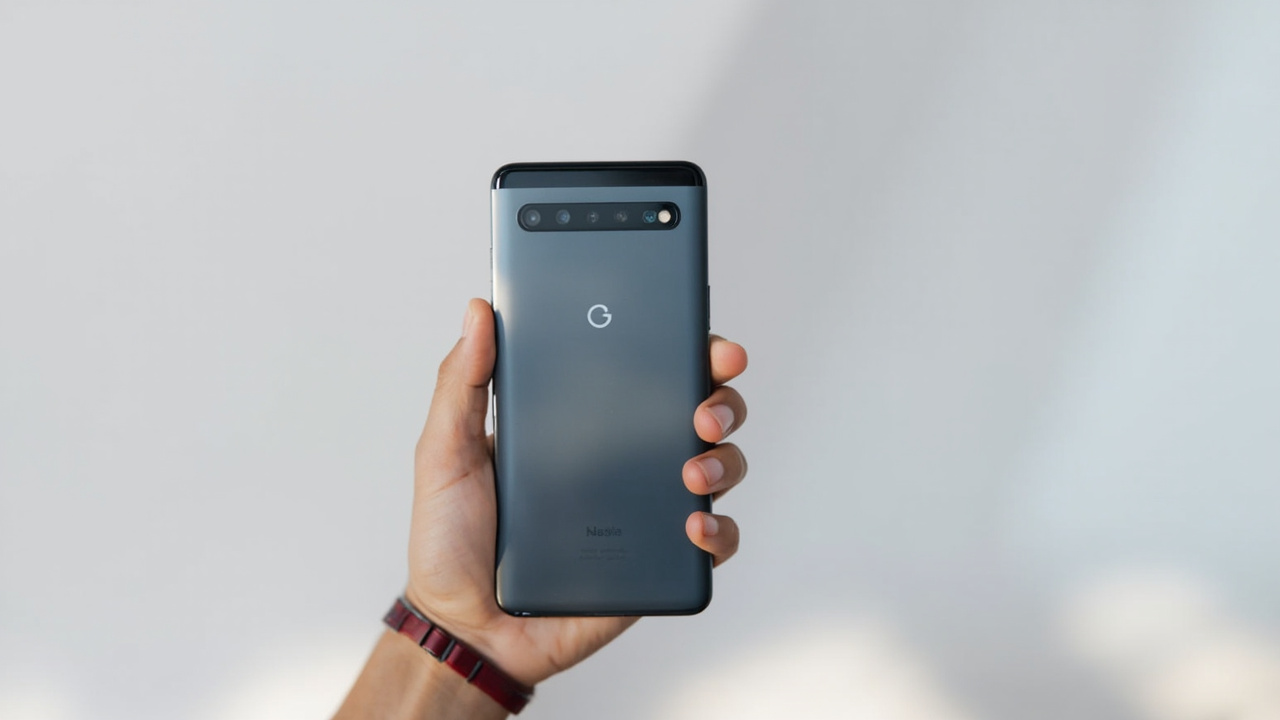
Feature Breakdown
Performance (CPU/GPU): The Snapdragon 8 Elite in the OnePlus 13 is a meaningfully faster chip than the Tensor G5 in the Pixel 10 Pro. The Snapdragon 8 Elite uses Qualcomm’s custom Oryon V2 cores (2× 4.32 GHz + 6× 3.53 GHz) paired with an Adreno 830 GPU. Benchmarks from late-2024 testing show the OnePlus 13 roughly 30–40% ahead in Geekbench 6 multi-core and 50%+ ahead in 3DMark GPU workloads versus the Tensor G5 (Source: tech-insider benchmarks). The Pixel’s Tensor G5 is built on TSMC’s N3E 3 nm node (same as Apple’s A18 Pro), so efficiency is excellent — but Google optimized for on-device AI throughput, not peak benchmark wins. The OnePlus wins for gaming and video editing; the Pixel wins for AI and language tasks.
Display: Both are LTPO OLED panels with 1–120 Hz variable refresh. The OnePlus 13 is larger (6.82” vs 6.3”), sharper (510 vs 495 ppi), and claims higher peak brightness (4,500 nits vs 3,300 nits). The Pixel’s display is more compact and easier for one-handed use. The OnePlus’s 2160 Hz PWM dimming rate is a meaningful win for users sensitive to flicker — it’s roughly 4.5× less flicker than the Pixel’s 480 Hz.
Cameras:
| Camera | OnePlus 13 | Pixel 10 Pro |
|---|---|---|
| Main | 50 MP Sony LYT-808, f/1.6, 1/1.43”, OIS | 50 MP, f/1.68, 1/1.3”, OIS |
| Ultrawide | 50 MP, f/2.0, 120° FOV | 48 MP, f/1.7, 123° FOV |
| Telephoto | 50 MP Sony LYT-600, f/2.6, 3× optical (Hasselblad tuning) | 48 MP, f/2.8, 5× optical, 100× Pro Res Zoom |
| Front | 32 MP Sony IMX615, f/2.4 | 42 MP, f/2.2, 103° FOV, AF |
The Pixel’s 5× optical telephoto (vs OnePlus’s 3×) and 100× Pro Res Zoom is a clear win for travel and wildlife photography. The OnePlus counters with Hasselblad color science that reviewers consistently describe as more natural skin tones and better white balance in mixed lighting. For video, both shoot 4K Dolby Vision HDR; the OnePlus adds 8K at 30 fps (a niche feature the Pixel 10 Pro also gained). For stills, the Pixel’s computational pipeline (Night Sight, Magic Editor, Best Take) still produces the most consistent results across conditions, but the OnePlus 13 closes the gap meaningfully versus the OnePlus 12.
Charging and connectivity:
| Charging | OnePlus 13 | Pixel 10 Pro |
|---|---|---|
| Wired Charging | 100 W SuperVOOC (100% in 36 min, brick included) | 30 W USB-PD PPS (no brick) |
| Wireless Charging | 50 W AirVOOC (with magnetic case) | 15 W Qi2 Pixelsnap (built-in magnets) |
| Reverse Wireless | 10 W | Yes (Battery Share) |
| Wi-Fi | Wi-Fi 7 | Wi-Fi 7 |
| Bluetooth | 5.4 (aptX HD, LHDC 5) | 6.0 |
| UWB | No | Yes |
| Thread Radio | No | Yes |
The OnePlus 13’s 100 W wired charging is genuinely transformative. A full fill in 36 minutes — even a 50% top-up in under 15 minutes — means most users will never run the battery to zero. The Pixel’s 30 W charging takes roughly 80 minutes for a full fill, and Google doesn’t include a brick in the box. If you already own a USB-PD PPS brick, this matters less; if you’re starting fresh, add $25–$35 to the Pixel’s real cost.
The Pixel counters with Pixelsnap magnetic alignment (the first Android flagship with built-in Qi2 magnets) and Bluetooth 6.0 (vs OnePlus’s 5.4). Pixelsnap matters if you have MagSafe accessories; Bluetooth 6.0’s Auracast support matters if you care about next-gen audio sharing.
Software and AI: This is the philosophical divide. The OnePlus 13 runs OxygenOS 15 (international) or ColorOS 15 (China) on Android 15, with Hasselblad-tuned camera processing and OnePlus’s “AI Eraser” / “AI Detail Boost” features. OnePlus promises 4 years of OS updates and 6 years of security patches through ~January 2031. The Pixel 10 Pro runs stock Android 16 with Material 3 Expressive, on-device Gemini Nano, and Gemini Live — and Google promises 7 years of OS and security updates through August 2032.
The Pixel wins on AI features that actually ship today: Call Screening, Live Translate, Magic Editor, Best Take, and on-device Gemini Nano for summarization. The Pixel also wins on day-one Android updates — OnePlus phones typically receive new Android versions 3–6 months after Pixels. The OnePlus wins on charging speed, performance, and battery life. The trade-off is real: OnePlus is the hardware-and-power phone, Pixel is the software-and-AI phone.
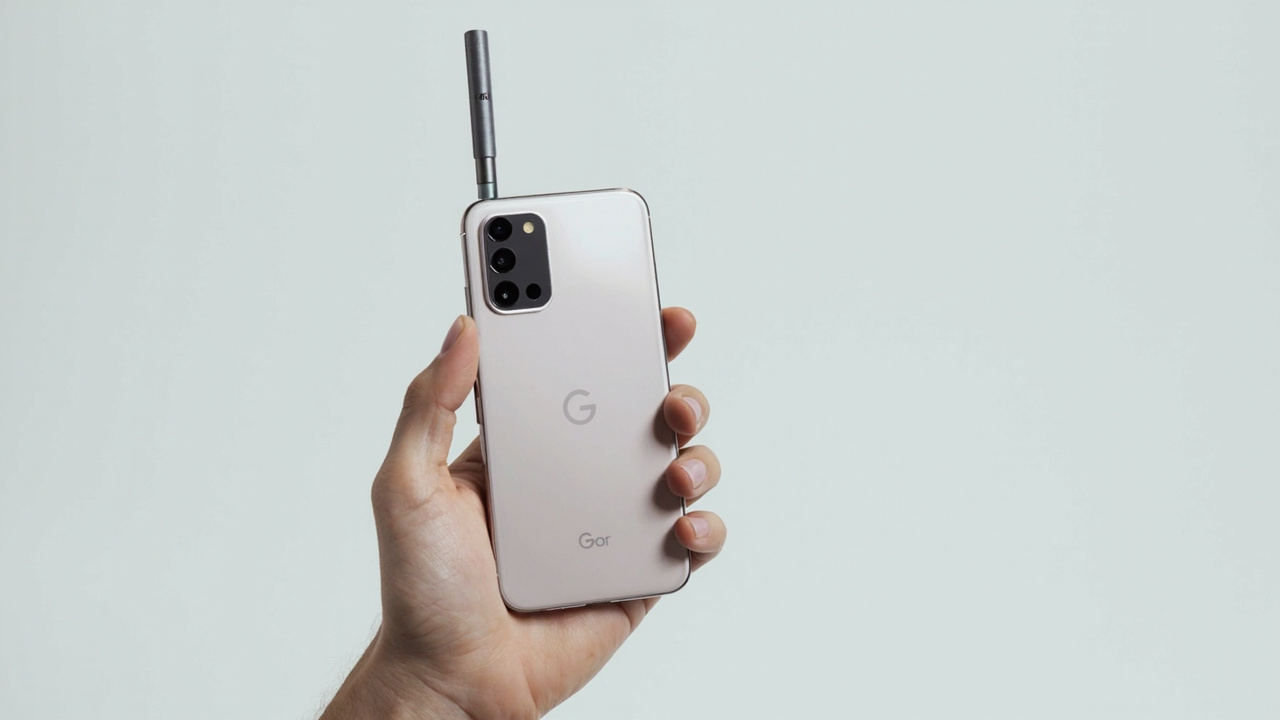
Pros and Cons
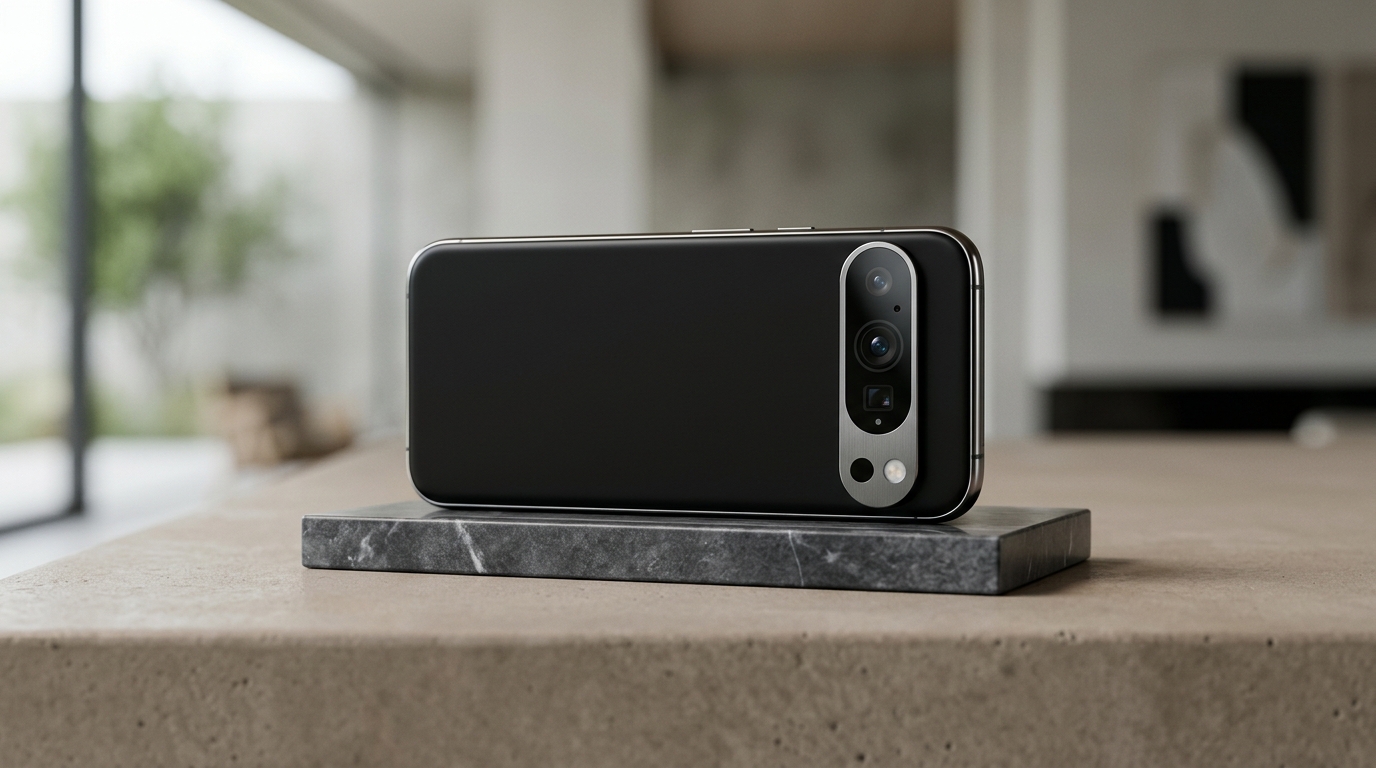
OnePlus 13 ($899)
Pros
- $100 cheaper at entry tier ($899 vs $999) and includes 256 GB storage (Pixel gives 128 GB)
- Snapdragon 8 Elite is meaningfully faster than Tensor G5 — 30–40% in CPU, 50%+ in GPU benchmarks
- 6,000 mAh silicon-carbon battery with 1,600-cycle durability rating
- 100 W SuperVOOC wired charging (100% in 36 min) with brick included
- 50 W AirVOOC wireless charging (faster than Pixel’s 15 W Qi2)
- 6.82” QHD+ LTPO display at 4,500 nits peak brightness and 510 ppi — bigger, sharper, brighter
- IP68 + IP69 dust/water resistance (jet-resistant)
- 2160 Hz PWM dimming — 4.5× less flicker than Pixel, meaningful for sensitive users
- 100 W SuperVOOC brick included in box (Pixel doesn’t include one)
- Up to 24 GB RAM / 1 TB storage configuration available
- Hasselblad-tuned color science with strong low-light and portrait performance
Cons
- Only 4 years of OS updates (until ~Jan 2029) vs Pixel’s 7 years
- OxygenOS has more pre-installed bloatware than stock Pixel Android
- 3× optical telephoto (vs Pixel’s 5×) — less reach for travel photography
- No UWB chip — limits digital car key and precise tracking use cases
- Bluetooth 5.4 (vs Pixel’s 6.0) — no Auracast support
- No built-in magnetic alignment — needs a magnetic case for Qi2-style accessories
- Heavier (210 g vs 207 g) and larger (6.82” vs 6.3”) display
- Hasselblad color science is opinionated — some users prefer Pixel’s neutral processing
Pixel 10 Pro ($999)
Pros
- 7 years of guaranteed OS and security updates (until August 2032) — first Android phone to formally promise this
- 16 GB RAM (vs OnePlus 13 base 12 GB) — future-proofs for on-device AI
- Tensor G5 built on TSMC’s 3 nm node — better thermals and efficiency than older Tensor chips
- Built-in Pixelsnap magnets (Qi2) — first Android flagship with MagSafe-style alignment
- 5× optical telephoto + 100× Pro Res Zoom for long-range photography
- Stock Android 16 with Material 3 Expressive — cleanest, fastest-updated Android experience
- Gemini Nano on-device + Gemini Live for AI features (Call Screening, Live Translate, Magic Editor)
- UWB chip + Thread Radio for smart-home integration
- Bluetooth 6.0 with Auracast support
- Day-one Android updates (no 3–6 month delay like OnePlus)
- Cleaner software experience with no bloatware
Cons
- $100 more expensive at entry tier ($999 vs $899)
- Only 128 GB storage at the entry tier (OnePlus gives 256 GB for the same money)
- Tensor G5 trails Snapdragon 8 Elite by 30–40% in CPU and 50%+ in GPU benchmarks
- Smaller 4,870 mAh battery (vs OnePlus’s 6,000 mAh) and slower 30 W wired charging
- No charger included in the box (add $25–$35 for a USB-PD PPS brick)
- 15 W Qi2 wireless charging is meaningfully slower than OnePlus’s 50 W AirVOOC
- IP68 rating limited to 1.5 m depth (OnePlus adds IP69 jet resistance)
- Lower peak brightness (3,300 nits vs 4,500 nits) and smaller 6.3” display
- Lower resale value (~40–50% of MSRP after 1 year vs OnePlus’s 45–55%)
- 480 Hz PWM dimming is better than Pixel 9 but still 4.5× more flicker than OnePlus
Best For / Skip If
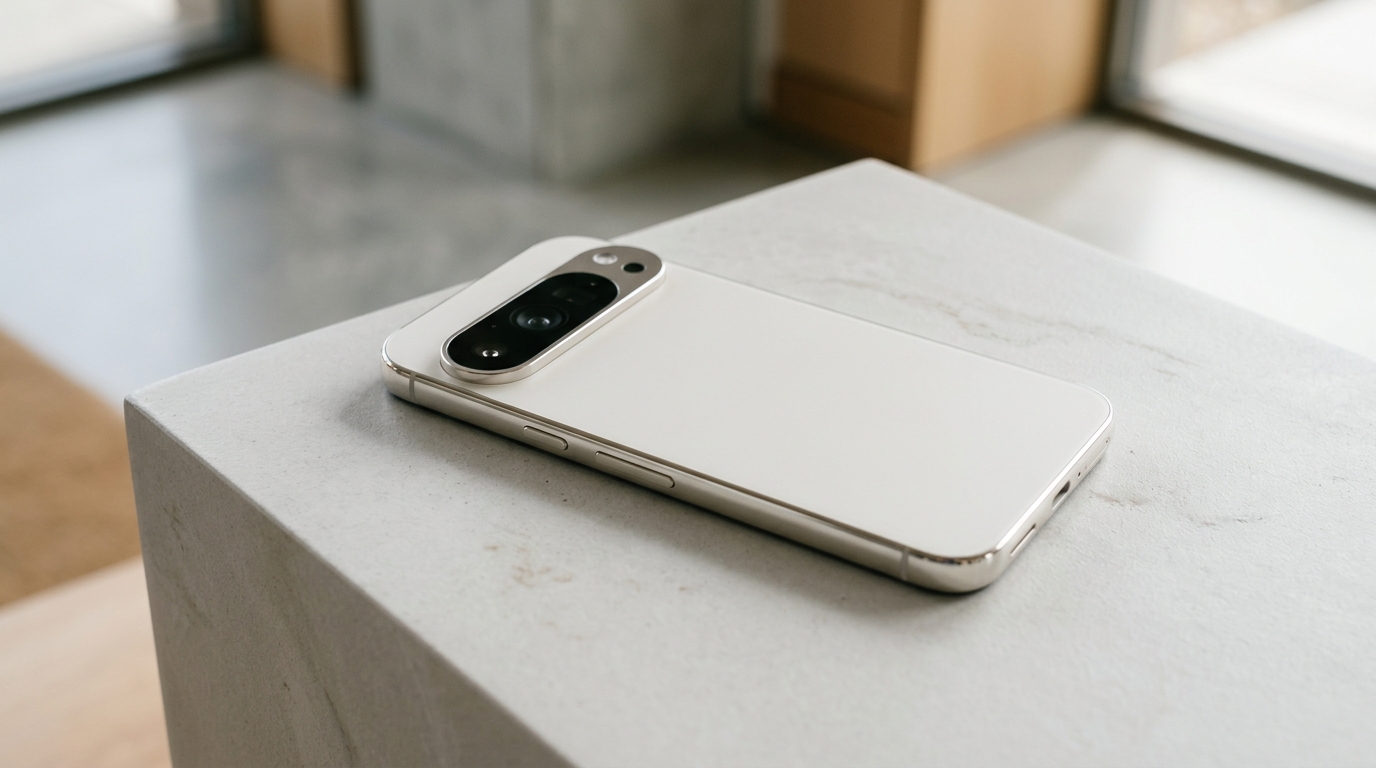
Best For
- Buy the OnePlus 13 if you value charging speed above all else (100 W SuperVOOC is genuinely transformative), you play demanding mobile games (Snapdragon 8 Elite + Adreno 830 is the fastest Android GPU in 2026), you want the largest, brightest, sharpest display in this price range (6.82” QHD+ at 4,500 nits), you keep phones 3–4 years and want maximum hardware-per-dollar today, you travel frequently and need a 3× Hasselblad-tuned camera that excels in mixed lighting, or you’re sensitive to display flicker (the 2160 Hz PWM is the most eye-friendly in the industry).
- Buy the Pixel 10 Pro if you keep phones 5+ years and want guaranteed updates through 2032, you use AI features weekly (Call Screening, Live Translate, Magic Editor are Pixel exclusives that work today), you shoot travel or wildlife photos and need 5× telephoto reach, you’ve been waiting for an Android phone with built-in magnetic accessories (Pixelsnap), or you want day-one Android updates and the cleanest software experience available.
Skip If
- You only post to Instagram and TikTok. The $499 Pixel 9a or $599 OnePlus 13R delivers ~85% of the photo quality and 70% of the performance at half the cost. The cost-per-use math doesn’t justify $900–$1,000 if you don’t push the hardware.
- You’re upgrading from a 2023–2024 flagship. If you have a Pixel 8 Pro or OnePlus 12, the generational improvements are incremental (mainly the OnePlus’s silicon-carbon battery and the Pixel’s Tensor G5 efficiency). Wait one more cycle.
- You need MagSafe-grade wireless charging speed. The OnePlus’s 50 W AirVOOC requires OnePlus’s own magnetic case ($30–$50) to hit full speed; third-party MagSafe chargers max out at 15 W on either phone. The “magnetic wireless” ecosystem is still a Pixel-only advantage if you want built-in magnets at Qi2 speeds.
- You’re locked into Samsung or Apple. Switching ecosystems means re-buying apps, re-pairing accessories (Galaxy Watch, AirPods), and re-learning the OS. The $100 saving on the OnePlus will be eaten by accessories within 6 months.
Bottom Line
If you want the fastest charging, longest battery life, biggest display, and best performance-per-dollar in 2026 — and you’re happy with 4 years of software updates — the OnePlus 13 ($899) is the right spend. It includes a 100 W brick, 256 GB of storage at entry, and a Snapdragon 8 Elite chip that beats the Tensor G5 in every CPU and GPU benchmark. The 6,000 mAh silicon-carbon battery and IP69 rating are real hardware wins that compound over a 3–4 year ownership window.
If you want the best software experience, longest update promise, and strongest AI features in 2026 — and you’re willing to pay $100 more for a smaller battery and slower charging — the Pixel 10 Pro ($999) is the right spend. It guarantees 7 years of updates through August 2032, ships 16 GB of RAM for on-device AI, and is the first Android phone with built-in magnetic Qi2 (Pixelsnap) accessories. The 5× telephoto and clean stock Android are real, durable wins.
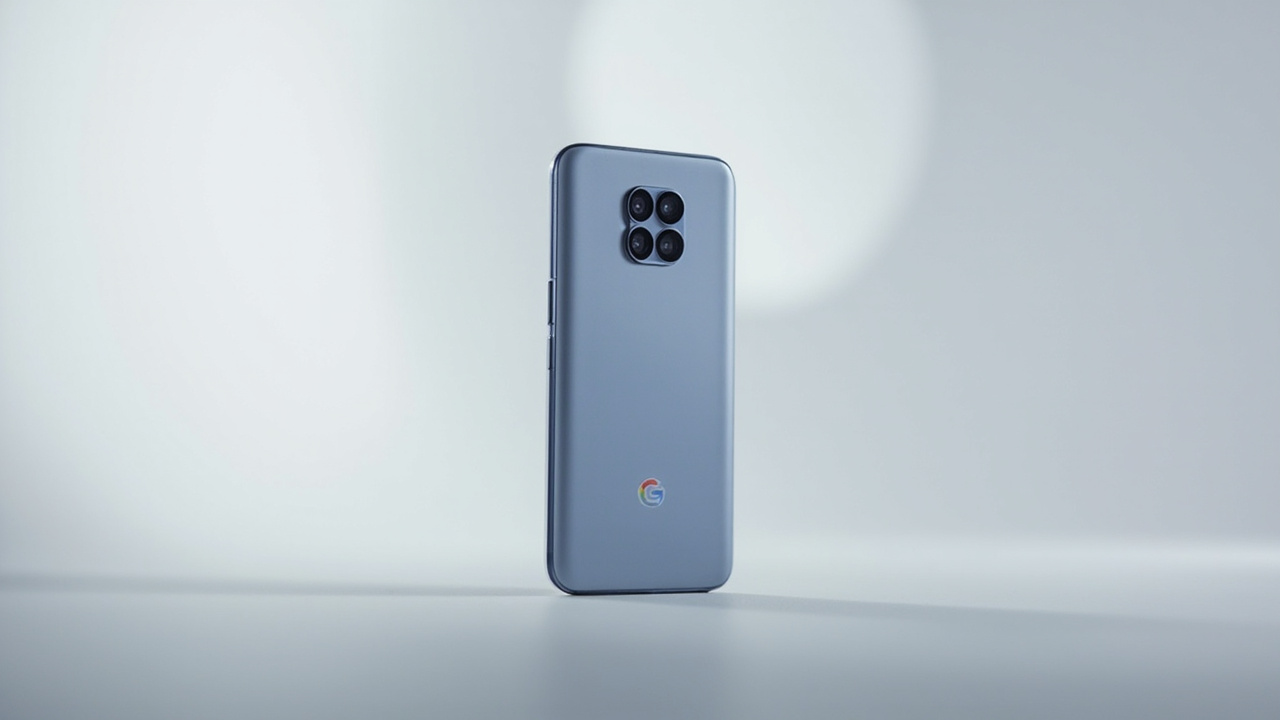
Real value here isn’t the lower sticker price — it’s the resale-adjusted cost-per-year combined with software-support length. If you upgrade every 3–4 years, the OnePlus 13 wins by ~$20–$25/year. If you keep phones 6–7 years and want one forced-cycle purchase, the Pixel 10 Pro’s guaranteed updates through 2032 win by ~$15–$20/year. Either way, do not pay MSRP: both phones see $80–$150 trade-in discounts or carrier bill credits at major US carriers. Buy smart, get more value.