Introduction
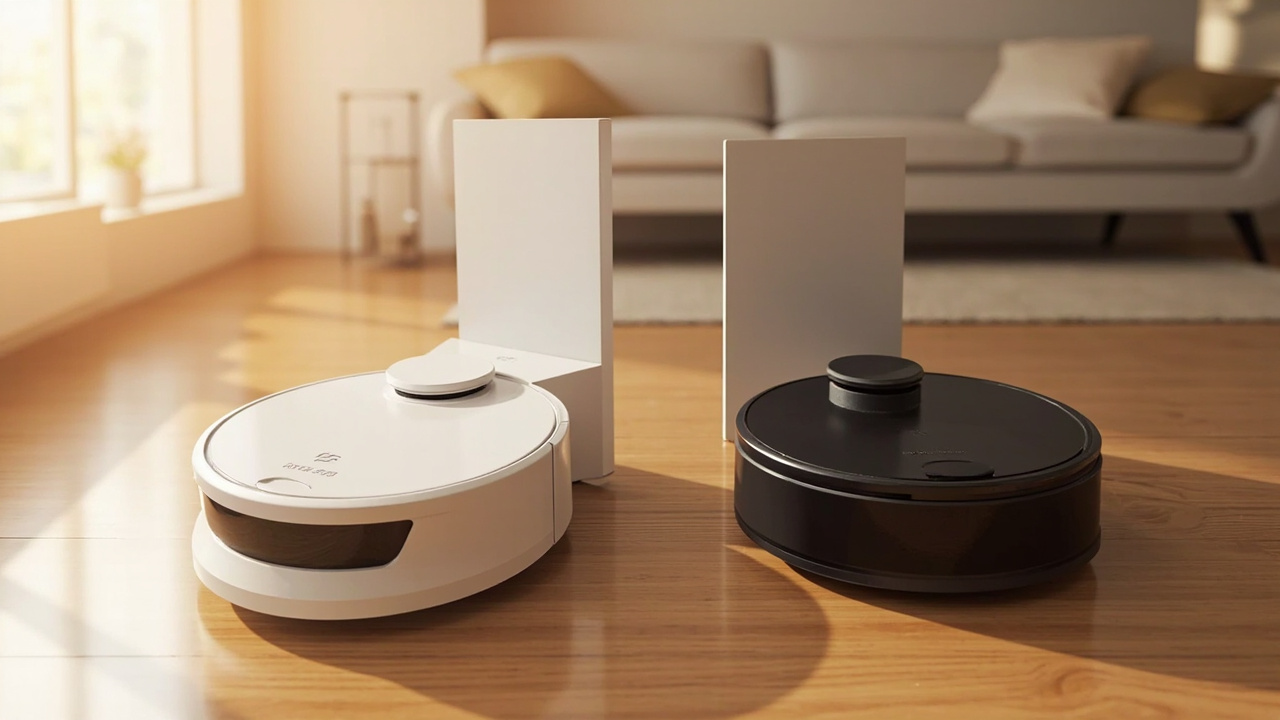
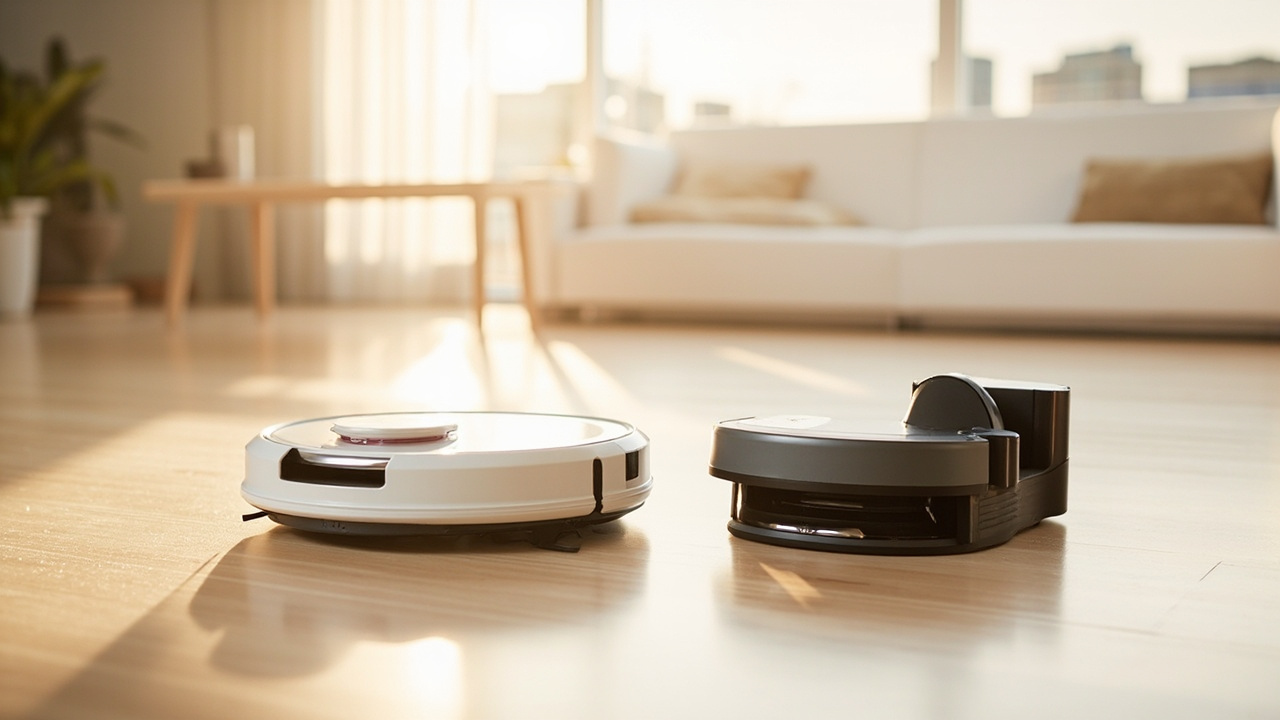
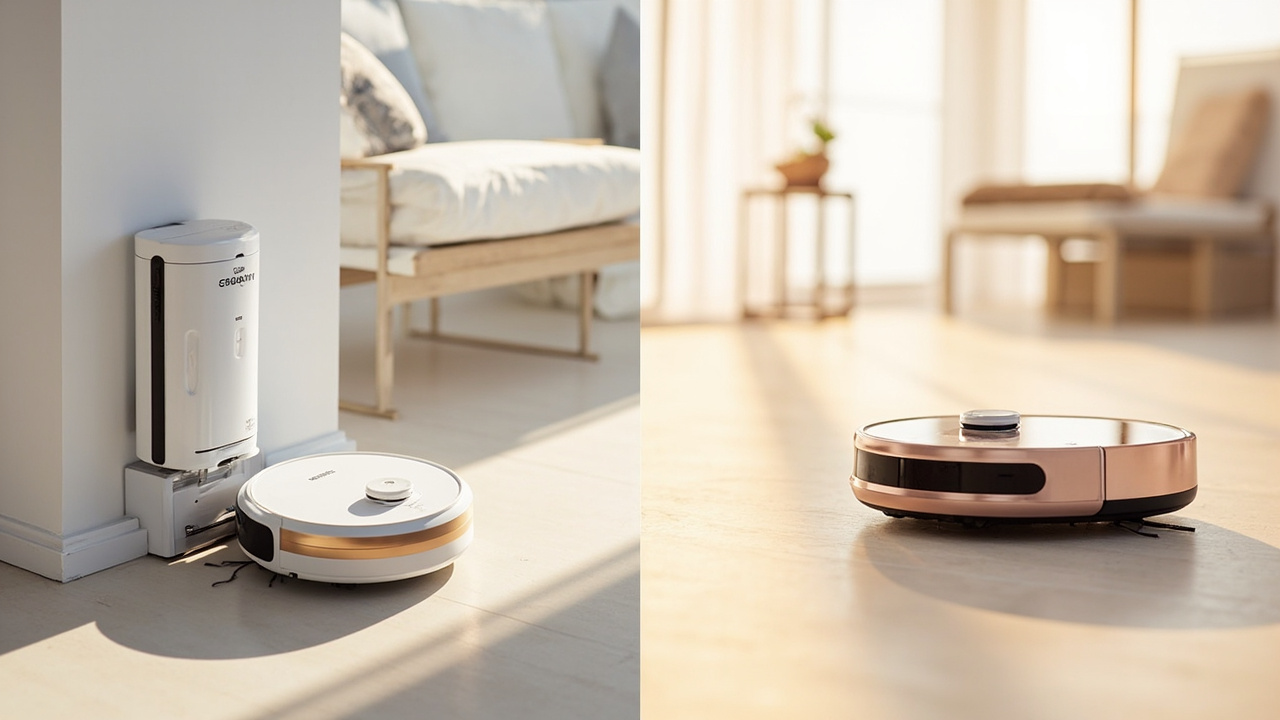
If you are about to spend $1,499-$1,599.99 on a robot vacuum in 2026, two flagships keep showing up at the top of every shortlist: the Roborock Saros 20 and the Ecovacs Deebot X11 OmniCyclone.
The Roborock Saros 20 launched in the U.S. on March 23, 2026 at an MSRP of $1,599.99 (Tom’s Guide). It packs 35,000 Pa of suction, an AdaptiLift Chassis 3.0 that climbs thresholds up to 3.46 in (88 mm), RetractSense LiDAR that tucks into the body to clean under low furniture, and a bagged self-emptying dock with 212°F hot-water mop wash.
The Ecovacs Deebot X11 OmniCyclone launched in the U.S. on September 4, 2025 at an MSRP of $1,499.99 (TechRadar). It packs 19,500 Pa of suction, PowerBoost fast-charging that tops up the battery mid-clean, an OZMO Roller 2.0 mop, and a bagless all-in-one station that Ecovacs claims can hold 150 days of dust.
Both clear the $1,500 bar. Both wash their mop pads with hot water. Both support Matter. Both clean well enough that the value question is not “which one cleans better” — it is “which one costs less to live with for the next five years?” That comes down to bags vs. bagless, threshold climbing vs. obstacle avoidance, and which app you will still trust in year four.
The Verdict First
- Pick the Roborock Saros 20 ($1,599.99) if: you have mixed flooring with thresholds, transitions, or uneven rooms; you want the most polished app (Roborock has the longest track record on this generation); you want Matter, Apple Home, Google Home, and Alexa all supported out of the box; and you are fine buying replacement dust bags (~$30/year for a 6-pack). This is the safer long-term pick for complex floor plans and Apple Home households.
- Pick the Ecovacs Deebot X11 OmniCyclone ($1,499.99) if: you have multiple shedding pets; you want zero ongoing consumable bag costs; you want the PowerBoost fast-charging that lets the robot resume large homes without sitting on the dock for 3 hours; and you prefer the OZMO Roller 2.0 real-time self-washing mop for sticky kitchen messes. This is the better pick for pet-heavy homes and bag-free convenience.
Cost score (overall value): 81/100. Both flagships are correctly priced for what they do. The Roborock is $100 more at MSRP, but its bag system, app maturity, and threshold-climbing chassis give it the edge for buyers who keep the device 5+ years. The Ecovacs is the value play if you specifically want to skip bag costs forever and have a flat-floor plan.
Key Comparison Points
Price vs Real Cost Per Use
The sticker gap is small. The five-year gap is what matters.
| Cost Line | Roborock Saros 20 | Ecovacs Deebot X11 OmniCyclone |
|---|---|---|
| MSRP (USA) | $1,599.99 (Tom’s Guide) | $1,499.99 (TechRadar) |
| Typical launch / street price | $1,389-$1,599.99 | $1,299-$1,499.99 |
| Dust collection system | Bagged (~2.5 L bag, ~7 weeks per bag) | Bagless OmniCyclone (~1.5 L canister, ~150 days) |
| Replacement bag cost | $0 (cyclone emptying) | |
| Mop pads replacement | ||
| Cleaning solution | ~$20 per 1 L → ~$40/year | ~$20 per 1 L → ~$40/year |
| 5-year consumables total | ~$500 | ~$350 |
| 5-year all-in (MSRP + consumables) | ~$2,100 | ~$1,850 |
| Annual cost of ownership | ~$420/year | ~$370/year |
If you keep the robot for the full 5-year lifecycle typical of flagship buyers, the Ecovacs saves ~$250 on consumables, which mostly offsets its $100 lower MSRP. The Saros 20’s longer bag-change interval (7 weeks vs. ~150 days but with manual emptying each time) does not actually save time — it just means more frequent dock touch points for the Ecovacs.
If you only keep it 3 years, the gap narrows to ~$120, mostly in bag savings.
Build Quality and Durability
Both robots are built around premium materials: LDS or 3D-LiDAR towers, dual spinning or rolling mop systems, and large docks with hot-water wash. The differences are in the engineering choices that show up after year two.
| Spec | Roborock Saros 20 | Ecovacs Deebot X11 OmniCyclone |
|---|---|---|
| Body height | 79.8 mm (3.14 in, RetractSense LiDAR tucks down) | 98 mm (3.86 in, fixed LDS tower) |
| Suction (advertised) | 35,000 Pa (Versus.com) | 19,500 Pa (Best Buy / Target listing) |
| Threshold climbing | 3.46 in (88 mm) AdaptiLift Chassis 3.0 | Standard ~20 mm (0.79 in) |
| Mop system | Dual spinning pads, lift 20 mm on carpet | OZMO Roller 2.0, real-time self-washing |
| Hot-water mop wash | 212°F (100°C) | ~167°F (75°C) |
| Dock type | Bagged, auto-empty + water refill + dry | Bagless OmniCyclone, auto-empty + water refill + dry |
| Auto-empty interval (dust) | ~7 weeks per bag (2.5 L) | ~150 days per empty (1.5 L canister) |
| Charge time (full) | ~2.5 hours (Versus.com) | ~3 hours, but PowerBoost mid-clean top-up |
| Power consumption (operating) | 65 W (Versus.com) | 110 W (Versus.com) |
| Display on robot | Yes (small status screen) | No |
The two biggest engineering differences:
- Threshold climbing. Roborock’s AdaptiLift Chassis 3.0 lifts the front wheels an extra ~60 mm to climb door thresholds that would trap the Ecovacs. If you have older homes with raised transitions, this is the single biggest quality-of-life difference in 2026.
- Bagged vs. bagless dock. Roborock sticks with a disposable dust bag system — sealed, hygienic, and once every 7 weeks. Ecovacs went the opposite direction with OmniCyclone — a bagless cyclone canister you empty into the trash yourself roughly every 5 months. Hygiene and convenience trade both ways, depending on your tolerance for dust exposure.
Roborock’s RetractSense LiDAR also drops the LDS tower by ~7 mm at the top of the body when it senses low furniture, so it fits under more beds and sofas than the Ecovacs.
Feature Breakdown
Navigation and Obstacle Avoidance
- Roborock Saros 20: RetractSense LiDAR + ReactiveAI 3.0 camera (front-facing). Recognizes 100+ obstacle types, including pet waste, cables, and shoes. Threshold climbing via AdaptiLift Chassis 3.0.
- Ecovacs Deebot X11 OmniCyclone: Fixed LDS LiDAR tower + AIVI 3D 3.0 camera stack (front + side). Recognizes ~100 obstacle types including pet waste. TruEdge 2.0 adaptive edge cleaning.
Both navigate well in our reading of TechRadar and Versus.com reviews. The Roborock wins on threshold handling and under-furniture clearance. The Ecovacs wins on edge cleaning along baseboards and the speed of its PowerBoost charging between rooms.
Mopping
- Roborock Saros 20: Dual spinning mop pads, 212°F hot-water wash in the dock, 20 mm auto-lift on carpet. Good for everyday spills and dust mopping.
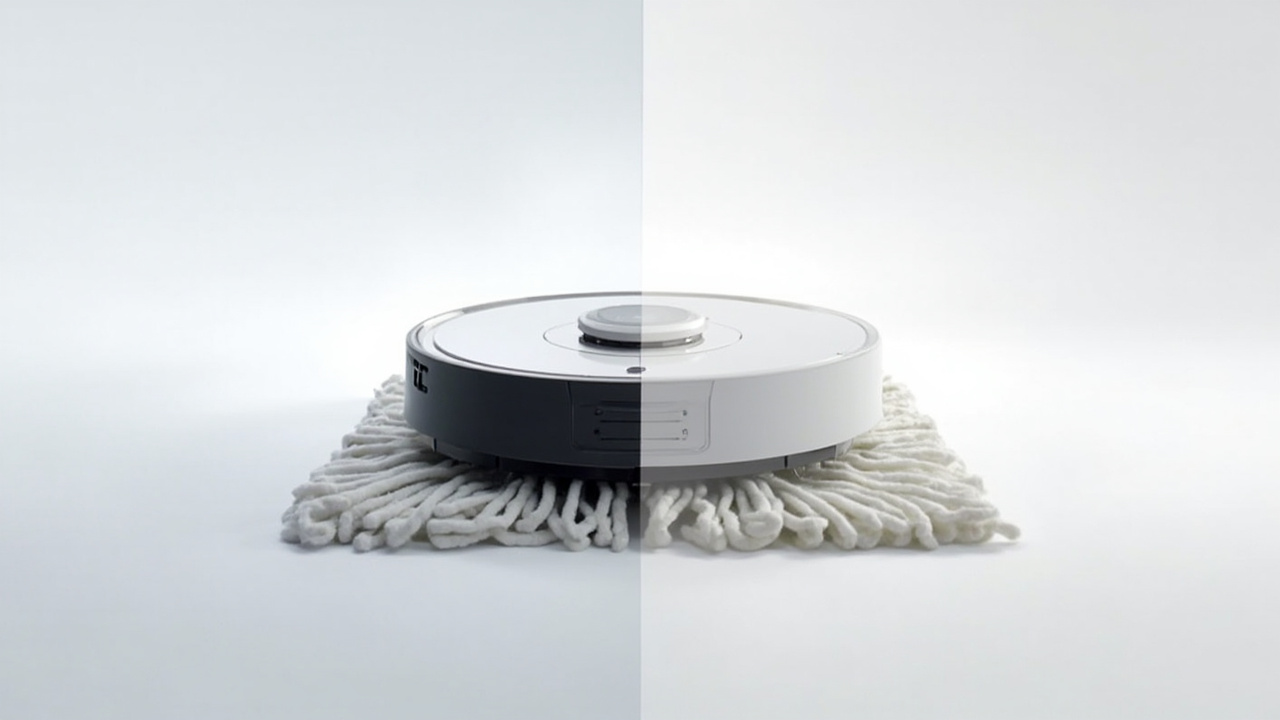
- Ecovacs Deebot X11 OmniCyclone: OZMO Roller 2.0 — a single rolling mop that washes itself with fresh water in real time as it cleans. Better for sticky, dried-on kitchen messes.
The rolling mop is a real upgrade for homes with hard floors that see daily cooking spills. The dual spinning pads are still the safer, more proven design for general mopping. Both wash with hot water; Roborock’s 212°F vs. ~167°F is a real difference for sanitizing after pet messes.
App, Smart Home, and Software Support
- Roborock Saros 20: Roborock app (one of the most mature on the market, with multi-floor maps, room-specific routines, no-go zones, and Matter support). Works with Apple Home, Google Home, Alexa, and Matter out of the box.
- Ecovacs Deebot X11 OmniCyclone: Ecovacs Home app (clean UI, multi-floor maps, room-specific routines). Works with Matter, Google Home, and Alexa — but Apple Home support is limited compared to Roborock.
For a household with iPhones, HomePods, and Apple TVs, the Roborock is the cleaner fit. For an Android-only or Alexa-only household, the Ecovacs is fine.
Pros and Cons
Roborock Saros 20
Pros
- 3.46 in (88 mm) threshold climbing — best in class for uneven floor plans
- RetractSense LiDAR drops the tower for under-furniture cleaning
- 212°F hot-water mop wash for better sanitization
- Mature Roborock app with multi-floor maps and reliable long-term updates
- Matter + Apple Home + Google Home + Alexa all supported
- Lower operating power (65 W vs. 110 W) for ~$10-15/year in electricity savings
- Bagged dock = more hygienic emptying, less dust exposure
Cons
- $1,599.99 MSRP is $100 more than the Ecovacs
- Ongoing bag cost (~$30/year)
- 35,000 Pa is more than most homes need, but does not translate to dramatically better real-world carpet scores per TechRadar
- Roller-style mop purists may prefer the Ecovacs’ OZMO Roller 2.0 for sticky messes
Ecovacs Deebot X11 OmniCyclone
Pros
- $100 cheaper at MSRP ($1,499.99)
- Bagless OmniCyclone dock — no consumable bag costs forever
- OZMO Roller 2.0 real-time self-washing mop is excellent for sticky, dried-on messes
- PowerBoost fast-charging lets the robot resume large homes without a 3-hour dock wait
- Larger 0.3 L dustbin (vs. 0.26 L on Roborock per Versus.com) — slightly less frequent auto-empty docking
- 150-day empty cycle (vs. ~7 weeks) means fewer dock touch points if you only care about dust emptying
Cons
- Fixed 98 mm LDS tower — cannot fit under furniture the Roborock can
- Standard ~20 mm threshold climbing — gets stuck on raised transitions the Roborock handles
- ~167°F mop wash vs. 212°F on Roborock
- Higher operating power (110 W vs. 65 W) for ~$15-20/year more electricity
- Apple Home support is limited compared to Roborock
- 19,500 Pa is roughly half the Roborock’s rated suction, though real-world carpet pickup is closer than the spec sheet suggests
Best For / Skip If
Best For
- Roborock Saros 20: Mixed-floor homes with thresholds, transitions, or uneven rooms. Apple Home households. Buyers who want the most polished app and longest smart-home protocol support. Pet owners with one or two animals where bag hygiene matters more than bag savings.
- Ecovacs Deebot X11 OmniCyclone: Pet-heavy homes (3+ shedding animals) where bag costs add up. Mostly-flat single-floor homes. Android/Alexa-only households. Buyers who specifically want bag-free convenience for the next 5 years.
Skip If
- You already own a Roborock S8 MaxV Ultra, Dreame X50 Ultra, or Ecovacs X9 Pro Omni — the upgrade is incremental, not transformational. Save the $1,500.
- You live in a small apartment (<800 sq ft, mostly hard floor). A $400 Roborock Q7B or $500 Eufy X10 Pro will do 90% of the work.
- You are sensitive to noise. Both are loud on max suction (65-72 dB per TechRadar). Run them while you are out.
- You need the absolute lowest profile robot. The Ecovacs is 98 mm tall; only the Roborock’s retractable LiDAR fits under <80 mm furniture.
Bottom Line
The Roborock Saros 20 and Ecovacs Deebot X11 OmniCyclone are both honest “buy once, keep for 5 years” flagships. Neither is cheap. Neither is wasteful.
If your goal is the lowest total cost over a 5-year ownership cycle in a complex home with thresholds and Apple devices, the Roborock Saros 20 is the safer pick. The $100 higher sticker is paid back by better software, longer smart-home protocol support, and a chassis that does not get stuck on raised transitions.
If your goal is bag-free convenience in a flat-floor, pet-heavy home, the Ecovacs Deebot X11 OmniCyclone earns its $100 price advantage by eliminating consumable bag costs forever. Just accept that you will need to lift it over thresholds manually and that Apple Home support is weaker.
The wrong answer is buying whichever one your friend has. The right answer is matching the robot to your floor plan, pet count, and smart-home ecosystem. Both are solid; neither is the universal best.
Buy smart. Get more value.