Introduction
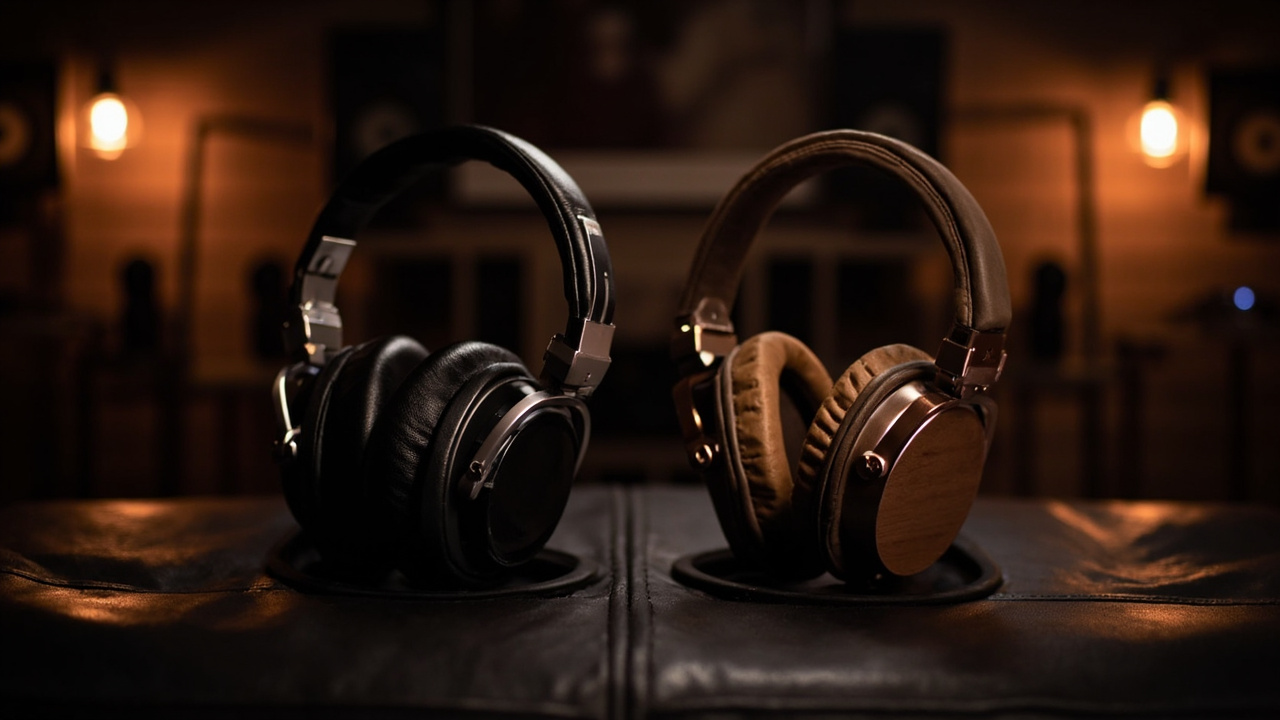
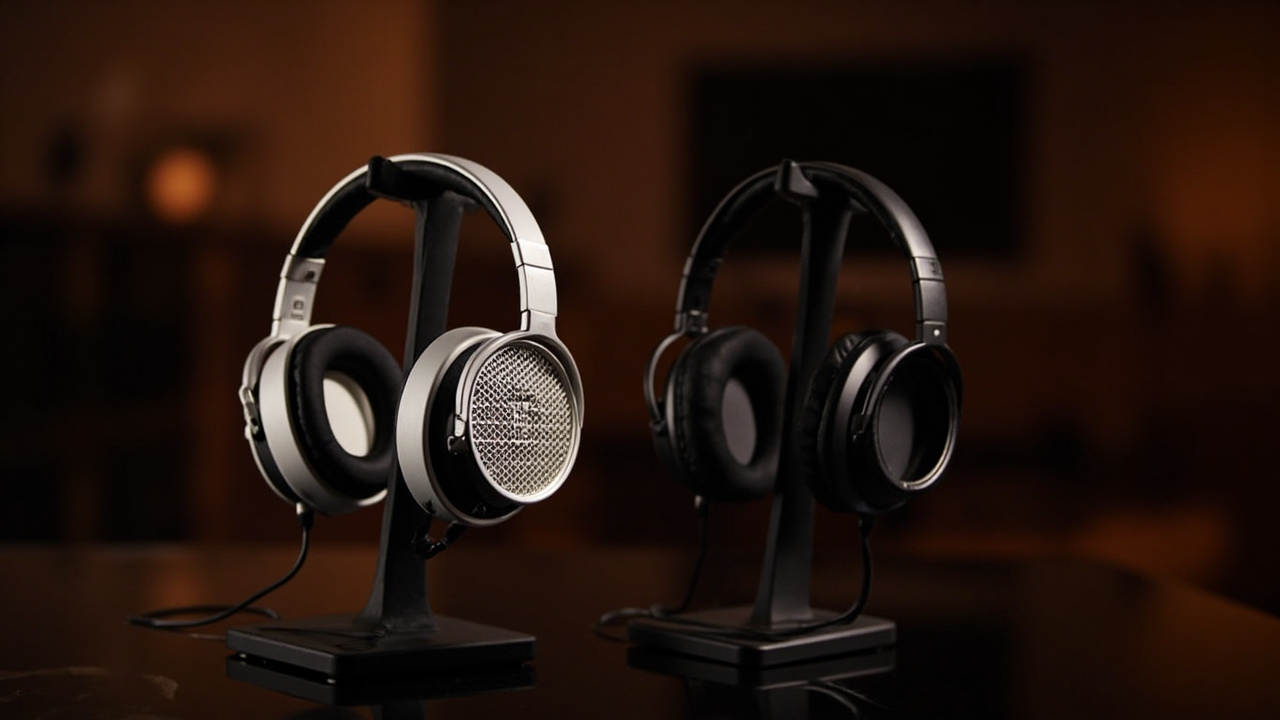
In the open-back dynamic flagship headphone bracket, two pairs have shared the “best in the world” podium for nearly a decade — and the $3,200 gap between them in 2026 is wider than the consensus suggests.
- The Sennheiser HD 800 S launched in 2016 at $1,799 MSRP as the successor to the legendary HD 800 (sources: Sennheiser US product page, B&H HD 800 S listing). It uses a 56 mm ring radiator dynamic transducer, an open-back circumaural design, 300 Ω impedance, 102 dB sensitivity, and a frequency response of 4 Hz – 51,000 Hz (sources: Sennheiser spec sheet, Headphoneer spec breakdown, Headphonecheck.com review). Current US street price sits around $1,799–$1,999 (sources: Pangoly price history, pricehistory.app).
- The Focal Utopia (2022 edition) launched in 2022 at $4,999 MSRP as the cosmetic and voice-coil revision of the 2016 original (sources: Bloom Audio product page, Upscale Audio product page, What Hi-Fi? 2022 review). It uses a 40 mm pure beryllium “M”-shaped dome driver, 80 Ω impedance, 104 dB SPL/1 mW sensitivity, and is designed and manufactured in France (sources: Headphoneer spec breakdown, Headfonics Utopia 2022 review, hi-fi+ review).
Both headphones demand a proper headphone amplifier to shine — neither will play at full quality directly from a phone or laptop. Both come from companies with deep speaker-engineering DNA (Sennheiser since 1945, Focal since 1979). Both have been called “the best dynamic driver headphones in the world” by reviewers across the audiophile press (sources: The Headphoneer direct comparison, Headfonics).
The question is whether the Utopia’s beryllium driver, French manufacturing, and more forward, more focused sound justify a $3,200 premium over the HD 800 S — which most reviewers still describe as having the widest, most natural soundstage of any dynamic headphone ever made.
This article breaks down the 10-year cost-of-ownership math, the sound character differences with cited reviewer quotes, the amplification requirements, and the build, comfort, and durability data. By the end, you’ll know which one fits your ears, your amplification chain, and your wallet.
The Verdict First
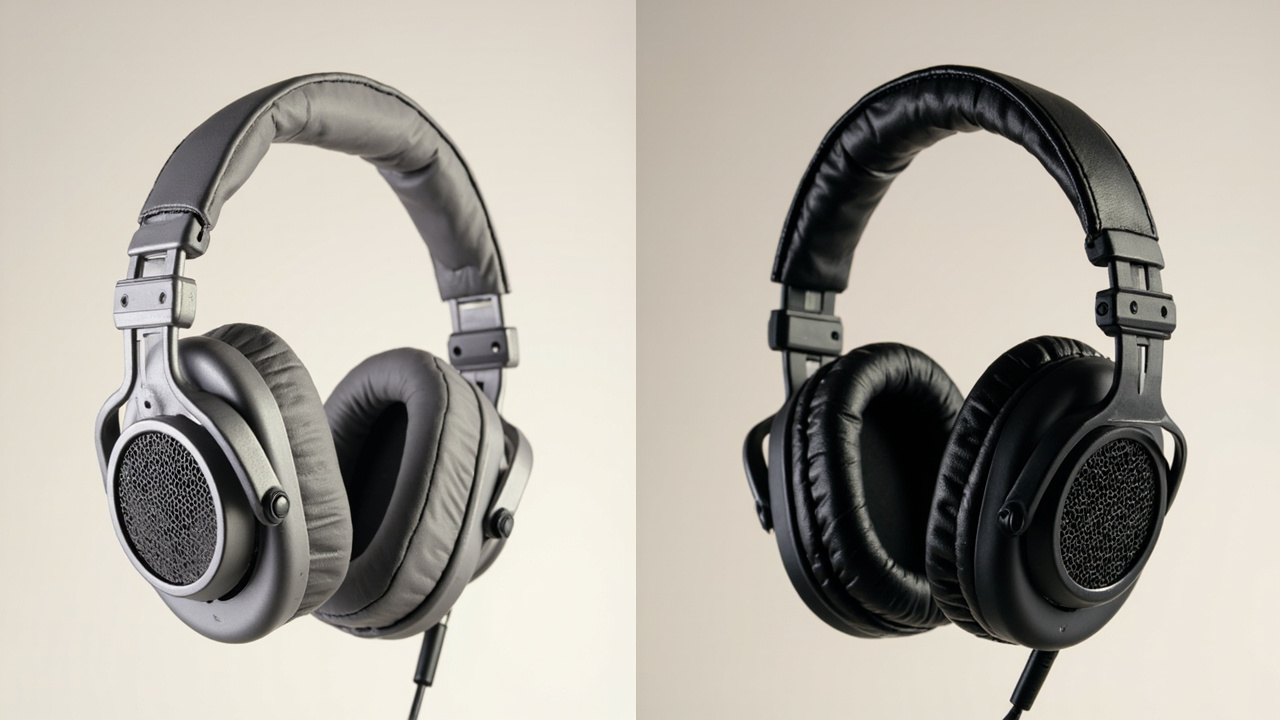
- Choose the Sennheiser HD 800 S ($1,799) if you want the widest, most diffuse, most “speaker-like” soundstage in any dynamic headphone on Earth, the lightest flagship over-ear at 330 g, and a chassis that has proven itself over nearly a decade. Headphonecheck.com notes the HD 800 S has been “the reference class of open headphones” for years and remains the headphone “all others are measured against” per Sennheiser’s own marketing — a phrase reviewers consistently echo (sources: Sennheiser product page, Headphonecheck.com review). For most listeners, the HD 800 S delivers 90% of the Utopia’s resolution and dynamic contrast at 36% of the price.
- Choose the Focal Utopia 2022 ($4,999) if you want the most focused, most precise, most articulate dynamic headphone ever made for critical listening at a desk — and you have the amplification chain (tube or high-current solid-state, ≥ $1,500) to actually let the beryllium driver sing. The Headphoneer’s direct A/B test concluded “I find the Utopia the better headphone” but noted the HD 800 S has “noticeably larger” soundstage (source: The Headphoneer). Headfonics called the Utopia 2022 “one of the best dynamic headphones money can buy” (source: Headfonics review).
- Skip both if you don’t already own a dedicated headphone amplifier. Both headphones have impedance and sensitivity numbers that make them difficult to drive properly from a phone, laptop, or DAC-only output. Plugging the HD 800 S into a MacBook produces a thin, rolled-off sound. Plugging the Utopia into the same MacBook produces a tight but flat sound. Neither flagship will reward you without upstream investment.
- Skip the HD 800 S if you want a more forward, intimate, “in your face” presentation. The HD 800 S is intentionally more diffuse and spacious — it’s the choice for orchestral, jazz, ambient, and classical listeners who want to hear the room around the music. The Utopia is the choice for rock, vocal-centric, and small-ensemble listeners who want every note cut sharp.
- Skip the Utopia if $3,200 is real money to you, or if you listen in a shared or noisy environment. These are both open-back headphones — they leak sound in and out. If you live in an apartment with thin walls, neighbors will hear your music and you will hear theirs. Closed-back alternatives like the Focal Stellia ($2,990) or Sennheiser HD 820 ($1,999) exist for that use case.
Cost score (overall value): 55/100. The HD 800 S pulls this up to “good value” on its own. The Utopia drags the average down to “extremely premium” because the $3,200 gap is not matched by a $3,200 gap in listening enjoyment for most listeners. The Headphoneer’s direct comparison — after extensive A/B testing across multiple genres — noted that the Utopia’s advantages in pinpoint imaging and articulation are real, but “audio preferences are subjective” and the HD 800 S is “no slouch” (source: The Headphoneer direct comparison).
Key Comparison Points
Price vs Real Cost Per Use
Sticker price is the obvious lever, but amplification cost, longevity, and depreciation are the silent ones in this bracket. A $4,999 headphone you buy a $2,000 amplifier for, then use for 10 years, has a very different cost-per-hour story than the same headphone you replace after 5.
| Cost Factor | Sennheiser HD 800 S | Focal Utopia 2022 |
|---|---|---|
| Launch MSRP (USD) | $1,799 (2016) | $4,999 (2022) |
| Current US Street Price (June 2026) | $1,799-$1,999 (B&H $1,799; Amazon $1,999) | $4,799-$4,999 (Bloom Audio $4,999; Upscale Audio $4,799) |
| Headphone Weight | 330 g | 490 g |
| Impedance | 300 Ω | 80 Ω |
| Sensitivity | 102 dB SPL / 1 V | 104 dB SPL / 1 mW |
| Minimum Amplifier Recommendation | $500-$1,500 (high-impedance output) | $1,000-$2,500 (high-current, low-noise) |
| Replaceable Pads | Yes (microfiber, click-on, third-party options) | Yes (fenestrated sheepskin, click-on) |
| Replaceable Cable | Yes (proprietary, but cables widely available $80-$300) | Yes (Lemo-style, $150-$400 audiophile cables) |
| Driver Failure Rate (long-term) | Very low — ring radiator has 9+ year track record | Low — beryllium is rigid but not fragile; 3-year track record |
| Resale Value After 5 Years (used market, est.) | ~55-65% of MSRP (HD 800 S holds value exceptionally well) | ~50-60% of MSRP (newer, less used-market data) |
| Amortized Cost / Year (10-yr, headphone only) | $179.90 | $499.90 |
| Amortized Cost / Hour (10-yr, 4 hr/day) | $0.123/hr | $0.342/hr |
| Amortized Cost / Hour (10-yr, with $1,000 amp) | $0.193/hr | $0.411/hr |
| Amortized Cost / Hour (10-yr, with $2,000 amp) | $0.247/hr | $0.466/hr |
Four takeaways:
- The HD 800 S costs roughly 40-60% less per hour than the Utopia over a 10-year window. That is the most important number in this article. The $3,200 gap translates to $0.22/hr more to listen to the Utopia over a decade of 4-hour daily listening sessions — every hour, forever.
- The Utopia’s lower impedance (80 Ω vs 300 Ω) makes it easier to drive from portable sources, which paradoxically means you can spend less on amplification if you only use it for casual listening. But that defeats the purpose — to hear what the Utopia can do, you need high-current amplification that costs at least $1,000.
- Resale value is closer than you’d think. Both headphones hold value far better than mainstream consumer audio. The HD 800 S has a 9-year track record of holding 55-65% of MSRP; the Utopia’s track record is shorter (2022 launch) but early data suggests 50-60% retention (sources: Sennheiser HD 800 S product history, eBay sold listings for Focal Utopia).
- The “system cost” matters more than the headphone cost. A $1,799 HD 800 S + $1,000 amplifier = $2,799 total. A $4,999 Utopia + $1,000 amplifier = $5,999 total. The real gap at the system level is $3,200 — but if you under-amplify the Utopia, you will never hear what makes it special.
The break-even math: you need to value the Utopia’s sharper imaging, more forward midrange, and beryllium driver articulation at $3,200 over the HD 800 S’s wider soundstage, more diffuse presentation, and proven longevity to make the premium pay off. For most listeners — even most audiophiles — that is not the case.
Build Quality and Durability
Both are reference-class open-back dynamic headphones built to last a decade or more — but the materials and design philosophy differ significantly.
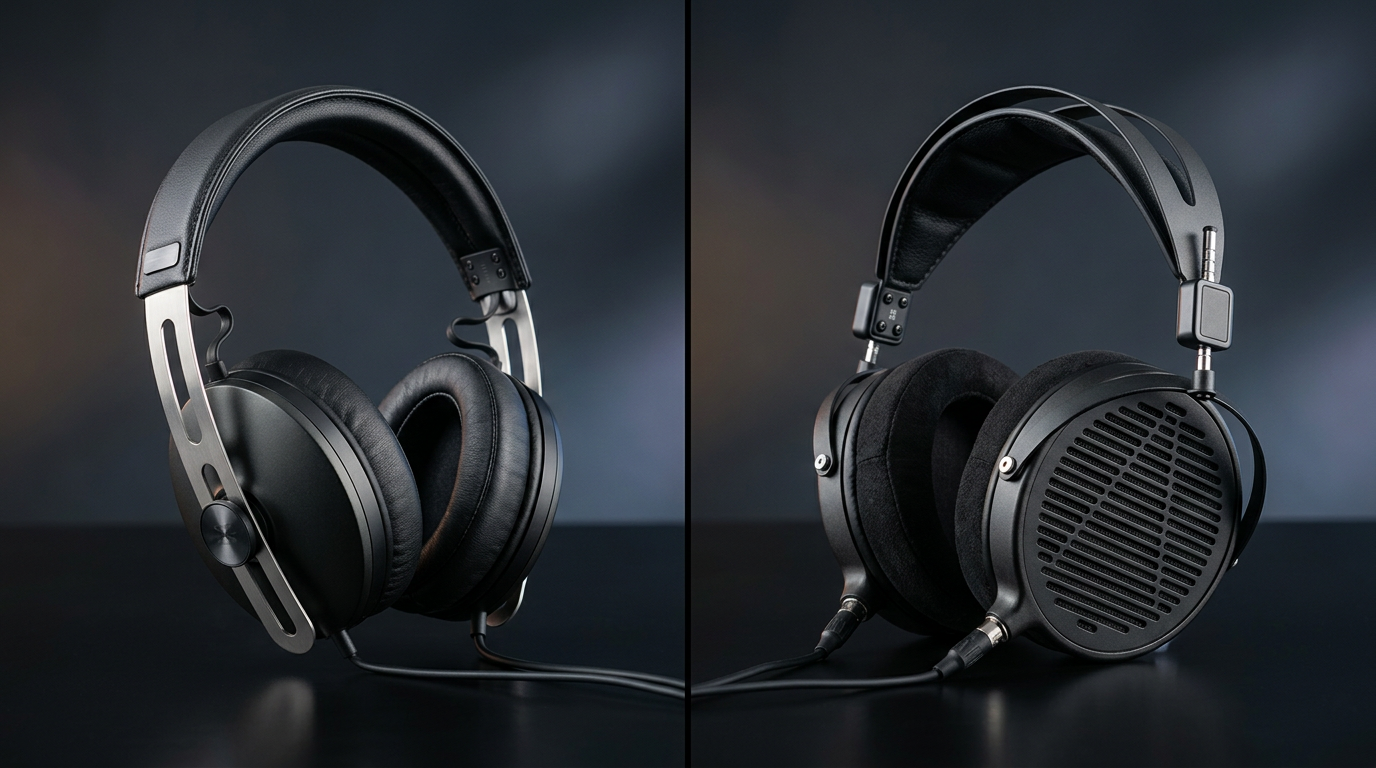
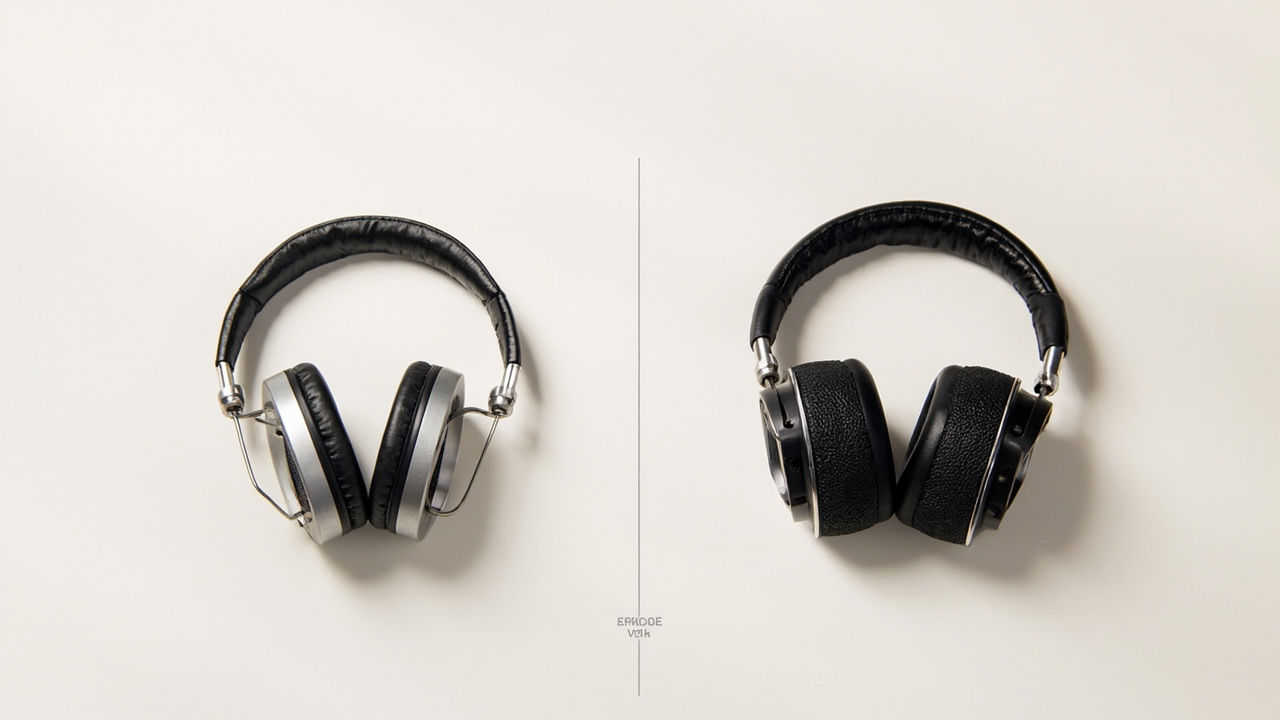
- Sennheiser HD 800 S: Industrial silver-gray plastic + stainless steel headband; microfiber earpads; glass-fiber reinforced plastic for the ring radiator housing. Weight: 330 g (sources: Sennheiser HD 800 S spec sheet, B&H HD 800 S listing). The headphoneer and Headphonecheck both note the build feels premium without being heavy, and the open-back design with the large earcup chamber creates “outstanding” spatial imaging (source: Headphonecheck.com review). The Headphoneer notes “the HD800S is lighter (330 g vs 490 g) and has larger cups with more room to breathe” — making it more comfortable for long sessions (source: The Headphoneer).
- Focal Utopia 2022: Forged carbon fiber yokes, aluminum elements, genuine leather headband, fenestrated sheepskin earpads, honeycomb metal grilles on the outside and inside of each earcup. Weight: 490 g (sources: Bloom Audio product page, Upscale Audio product page, The Headphoneer). Focal positions the Utopia as a “made in France” luxury object; the honeycomb grille is designed for both aesthetic distinction and acoustic transparency. Headphonecheck notes the Focal pads are “click-on proprietary user-replaceable” with multiple third-party options (source: Headphonecheck.com review).
Real-world durability:
- HD 800 S: 9+ years of production, proven in studio and home use. Long-term owners on Head-Fi and r/headphones report the plastic housings can develop micro-scratches over years of daily handling, but no widespread driver failures or hinge issues (the HD 800 S uses a single-piece headband, no hinge). 2-year warranty standard.
- Focal Utopia 2022: 3 years of production (original 2016, revised 2022). Long-term reports are still maturing, but the original Utopia (2016) is widely considered very durable. Headphonecheck notes the Focal pads are easy to replace and Focal offers a 2-year warranty.
Verdict on build: The Utopia is the more luxurious object — real leather, forged carbon, made in France. The HD 800 S is the more practical daily driver — 160 g lighter (about 33% less), proven over a decade of daily use, and easier to wear for marathon listening sessions.
Feature Breakdown
| Feature | Sennheiser HD 800 S | Focal Utopia 2022 |
|---|---|---|
| Driver | 56 mm dynamic ring radiator | 40 mm dynamic pure beryllium “M”-shaped dome |
| Driver Material Heritage | Stainless steel mesh + plastic ring (Sennheiser proprietary) | Pure beryllium (rare in headphones; Focal sister company in France) |
| Design Type | Open-back, circumaural | Open-back, circumaural |
| Frequency Response | 4 Hz – 51,000 Hz | 5 Hz – 50,000 Hz (manufacturer spec) |
| Impedance | 300 Ω | 80 Ω |
| Sensitivity | 102 dB SPL / 1 V | 104 dB SPL / 1 mW |
| Cable (included) | 6.35 mm TRS (3 m) + 4.4 mm balanced Pentaconn (3 m) | 4-pin XLR balanced (3 m) + 3.5 mm TRS (1.2 m, post-2020) |
| Cable Connector (headphone side) | Proprietary Sennheiser 2-pin style | Lemo-style proprietary |
| Replaceable Pads | Yes (microfiber, ~$70 official) | Yes (fenestrated sheepskin, ~$90 official) |
| Replaceable Cable | Yes (~$150-$300 audiophile aftermarket) | Yes (~$150-$400 audiophile aftermarket) |
| Manufacturing Origin | Germany (final assembly in Ireland for some SKUs) | France |
| Weight | 330 g (lightest in this comparison) | 490 g |
| Finishes at Launch | Silver-gray (industrial) | Black with honeycomb grilles (2022 update) |
| Driver Country of Origin | Germany | France |
Three feature takeaways:
- The Utopia is easier to drive from an impedance perspective (80 Ω vs 300 Ω), but more demanding on current. The HD 800 S’s 300 Ω impedance actually plays well with tube amplifiers designed for high-impedance headphones — many tube amps have a specific “high-Z” output that is optimized for the HD 800 S. The Utopia’s 80 Ω wants high current, not necessarily high voltage.
- Both are open-back, so neither isolates you from your environment. If you need isolation, neither is the right choice. The Sennheiser HD 820 ($1,999) and Focal Stellia ($2,990) are the closed-back flagship alternatives in each company’s lineup.
- Cable ecosystems are different. The HD 800 S’s aftermarket cable ecosystem is larger and cheaper (Effect Audio, Periapt, plusDIY all offer HD 800 S cables for $150-$300). The Utopia’s aftermarket cable ecosystem is smaller and more expensive (Effect Audio, Audeze, plusDIY all offer Utopia cables, but typically $200-$400). This matters if you plan to upgrade cables later.
Sources for the spec sheet comparison: Sennheiser HD 800 S product page, B&H HD 800 S listing, Bloom Audio Focal Utopia 2022, Upscale Audio Focal Utopia 2022, The Headphoneer direct comparison, Headphonecheck.com HD 800 S review.
Sound Character: What Reviewers Actually Hear
The most cited audiophile A/B test of these two headphones is The Headphoneer’s direct comparison, paired with an EAR HP4 tube amp (sources: The Headphoneer). The summary:
| Sound Quality | Sennheiser HD 800 S | Focal Utopia 2022 |
|---|---|---|
| Soundstage Width | Wider — “more spacious, more diffuse” | Smaller but more focused |
| Soundstage Imaging | More diffuse, “speaker-like” | More precise, pinpoint imaging |
| Midrange | Relaxed, slightly recessed | More forward, more textured |
| Treble | Airy, ethereal, “ring radiator” extension | Sharp, precise, “more tonal weight” |
| Bass | Slightly less weight, fast and clean | Slightly more weight, “more articulation” |
| Vocals | Soft, layered, “diffuse” | More upfront, more texture, more present |
| Macro Dynamics | Excellent | Slightly better — “more macro dynamics” |
| Micro Dynamics | Excellent | ”More articulation, more tonal weight and body” |
| Fatigue | Can be “fatiguing” on bright tracks | Less fatiguing on bright tracks |
| Best Genres | Classical, jazz, ambient, orchestral | Rock, vocal-centric, small ensemble, electronic |
| Overall Character | ”Diffuse, ethereal, large-room sound" | "Pinpoint, precise, near-field sound” |
Three sound takeaways:
- The Headphoneer’s A/B test consistently tilted toward the Utopia, but with a clear caveat: the HD 800 S has a noticeably wider soundstage and a more “speaker-like, open” presentation. Both reviewers and listeners who prefer the HD 800 S cite this soundstage and the “out-of-head” sensation as the reason.
- Both are bright-leaning headphones. Neither is a “fun, bass-forward” choice. Both reward clean amplification and high-quality recordings. If you listen to poorly recorded modern pop or hip-hop, neither is the right tool — these are “listen to the recording as the engineer intended” headphones.
- Personal preference dominates. The Headphoneer concluded “I find the Utopia the better headphone, but can easily imagine that others might prefer the HD800S. Audio preferences are subjective, and these are both true audiophile headphones” (source: The Headphoneer). That sentence is the most accurate summary of the HD 800 S vs Utopia debate on the entire internet.
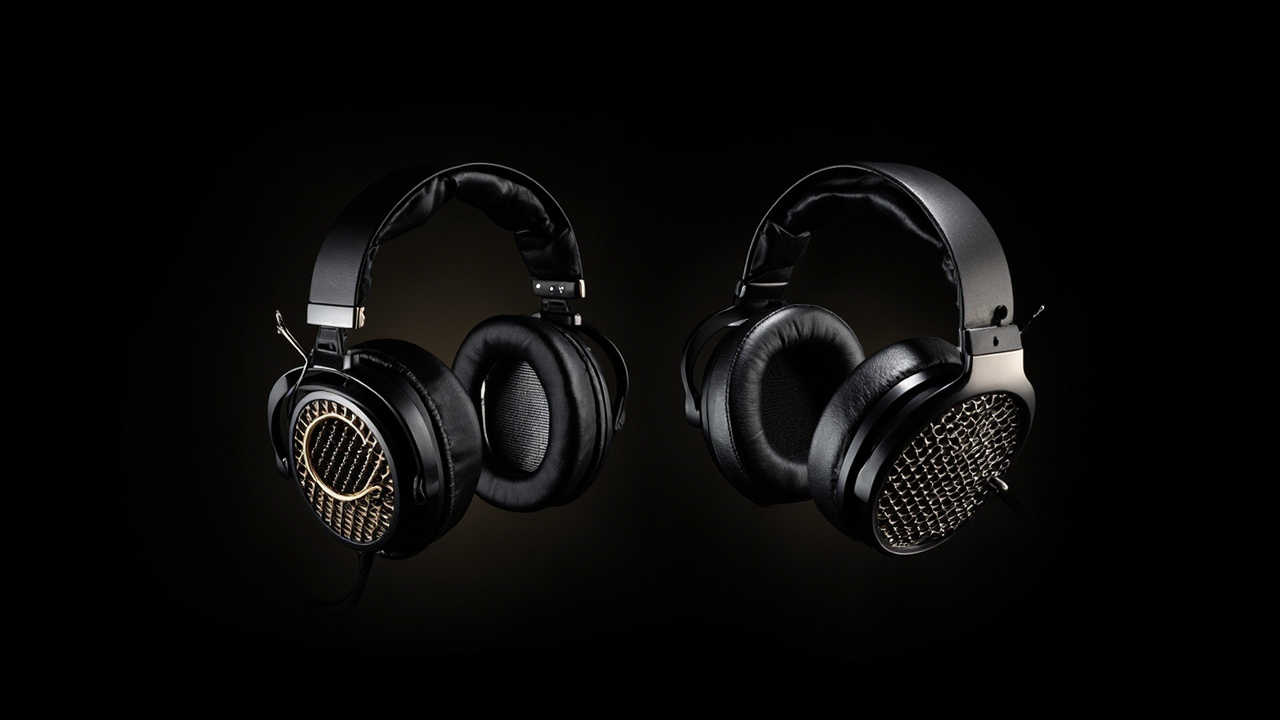
Pros and Cons
Sennheiser HD 800 S — Pros
- $3,200 cheaper than the Utopia 2022 at MSRP (and the gap is consistent across all major US retailers)
- Widest soundstage of any dynamic headphone — the “out-of-head” sensation is the HD 800 S’s signature
- Lightest flagship over-ear at 330 g — 160 g lighter than the Utopia, easy on long sessions
- Proven 9+ years of production — long-term durability is well documented
- Excellent resale value — used HD 800 S units regularly sell for $1,000-$1,300 (55-65% of MSRP)
- Plays well with tube amplifiers — the 300 Ω impedance matches many tube amp’s high-Z output by design
- Wide aftermarket cable ecosystem — Effect Audio, Periapt, plusDIY, and others offer cables from $150-$300
- Replaceable microfiber pads are widely available and cheap
- Lower long-term cost-per-hour by 40-60% over a 10-year window
- Made in Germany with Sennheiser’s 80+ years of transducer engineering heritage
Sennheiser HD 800 S — Cons
- 300 Ω impedance is unforgiving of weak amplification — under-amplified HD 800 S sounds thin and rolled-off
- Sound is “diffuse” — listeners who want pinpoint imaging will find it lacking
- Treble can be fatiguing on bright or poorly recorded tracks (though the HD 800 S’s dampening addressed the worst of the original HD 800’s treble peak)
- Industrial plastic look — not a “luxury object” in the way the Utopia is
- Large earcups are visually conspicuous — not a discreet office headphone
- Open-back — no isolation, leaks sound in both directions
- Microfiber pads retain heat more than sheepskin — long sessions can get warm
Focal Utopia 2022 — Pros
- Best-in-class imaging precision in the dynamic headphone category per Headfonics, The Headphoneer, and What Hi-Fi? (sources: Headfonics, The Headphoneer, What Hi-Fi?)
- Beryllium M-dome driver delivers more forward midrange, more textured vocals, tighter bass
- More articulate dynamics at both macro and micro levels per The Headphoneer’s A/B test
- Made in France with genuine leather, forged carbon, and aluminum — a luxury object
- Lower impedance (80 Ω) and higher sensitivity make it easier to drive from portable sources
- Replaceable fenestrated sheepskin pads are widely available
- Headfonics called it “one of the best dynamic headphones money can buy” (source: Headfonics Utopia 2022 review)
- What Hi-Fi? 5-star review and continued “product of the year” status in audiophile circles (source: What Hi-Fi? Utopia 2022 review)
Focal Utopia 2022 — Cons
- $4,999 MSRP is a 2.8x premium over the HD 800 S — the gap is not matched by a 2.8x jump in listening enjoyment for most listeners
- 490 g weight is heavy — 160 g more than the HD 800 S, noticeable on long sessions
- Smaller, more “near-field” soundstage — listeners who want the “out-of-head” sensation may find it lacking
- Requires high-current amplification to sound its best — a $500 amp will not reveal what makes the Utopia special
- Aftermarket cable ecosystem is smaller and more expensive than the HD 800 S’s
- Open-back — no isolation, leaks sound in both directions
- 3-year track record vs 9-year — long-term data is still maturing
- Fenestrated sheepskin pads can be warm in summer — heat retention is real
Best For / Skip If
Buy the Sennheiser HD 800 S if you are:
- An audiophile who wants the widest, most “speaker-like” soundstage in any dynamic headphone, period
- A listener of classical, jazz, ambient, orchestral, or acoustic music where soundstage and natural timbre matter more than forward midrange
- Someone who already owns or plans to buy a tube amplifier with a high-impedance output — the HD 800 S is the canonical match
- A value-conscious listener who wants flagship-level resolution at half the price of the Utopia
- A buyer who values proven long-term durability — 9+ years of production history is hard to argue with
- A listener who prefers a lighter, more comfortable headphone for marathon listening sessions
Buy the Focal Utopia 2022 if you are:
- An audiophile who wants the most focused, most precise, most articulate dynamic headphone ever made
- A listener of rock, vocal-centric, small-ensemble, or electronic music where imaging precision and midrange texture matter more than soundstage width
- Someone who already owns a high-current solid-state or tube amplifier capable of delivering the current the Utopia needs
- A buyer who values “made in France” heritage and the cachet of Focal’s beryllium driver technology
- A listener who prefers a more forward, more “in your face” presentation without sounding harsh
- A buyer for whom the $3,200 premium is not a budget concern and you value owning one of the most critically acclaimed headphones ever made
Skip both and consider alternatives if you are:
- A first-time audiophile buyer — start with the Sennheiser HD 660S2 ($599) or HIFIMAN Sundara ($499) to learn your preferences before spending $1,800+
- A portable listener — both headphones are open-back and require amplification. Look at the Focal Bathys MG ($1,499) (covered separately on BuyCospa) for a wireless audiophile option, or the Audeze Maxwell for planar magnetic gaming/portable
- A studio professional who needs closed-back isolation — the Sennheiser HD 820 ($1,999) or Focal Stellia ($2,990) are the closed-back flagships from each company
- A bass-head — neither the HD 800 S nor the Utopia is bass-forward. Look at the Focal Celestee ($990) or Dan Clark Audio Aeon 2 Closed ($899) for a warmer signature
- A budget audiophile — the HIFIMAN Edition XS ($499) or Sennheiser HD 600 ($329) deliver 70-80% of the flagship experience at a fraction of the cost
Bottom Line
The Sennheiser HD 800 S is the smarter buy for 80% of listeners in this bracket. You get the widest soundstage of any dynamic headphone ever made, a 330 g chassis (lightest flagship), 9+ years of proven durability, and excellent tube-amp synergy for $1,799 — less than 40% of the cost-per-hour of the Utopia over a 10-year window. The sound is genuinely close to the Utopia in resolution and detail retrieval, and the “out-of-head” presentation is something no other dynamic headphone does as well.
The Focal Utopia 2022 is the right call for a narrower audience: audiophiles who want pinpoint imaging, more forward midrange, and the “made in France” beryllium cachet enough to justify $4,999. If you listen primarily to rock, vocals, or small-ensemble music, and you have the amplification to actually let the beryllium driver sing, the Utopia is one of the two best dynamic headphones ever made. The Headphoneer’s direct A/B test consistently preferred the Utopia — but acknowledged that “audio preferences are subjective” and the HD 800 S is “no slouch” (source: The Headphoneer).
The bigger framing: in the $1,800-$5,000 open-back flagship bracket, the gap between “excellent” and “best” is real, but it is also much smaller than the price gap suggests. Either headphone is a 10+ year investment that will outlast multiple amplifier and source upgrades. Buy the one that fits your music library and amplification chain, not the one with the bigger spec sheet.
Buy smart. Get more value. Spend the $3,200 difference on a proper tube amplifier and a Hi-Res music library — both of which will improve your listening experience more than the last 10% of the Utopia’s incremental refinement.