Introduction
If you’re stepping up from a $300-$500 turntable (Audio-Technica AT-LP60X, Fluance RT82, Pro-Ject Debut Carbon) to something you’ll keep for a decade, the $1,000-$1,300 bracket is where the floor of “real hi-fi” sits. Two decks have defined that bracket for years — and they approach it from opposite engineering philosophies.
- The Technics SL-1500C launched in 2019 at $1,299.95 MSRP as the turntable-only (no speakers, no amp) member of Technics’ SL-1500 line, which revived the iconic 1970s SL-1200 line for the home hi-fi market. It uses a direct-drive motor, a S-shaped static-balanced tonearm, a built-in switchable MM phono equalizer, and a built-in headphone output with volume control (sources: Technics SL-1500C product page, Crutchfield SL-1500C overview, What Hi-Fi? SL-1500C review). Current US street price is around $1,099-$1,299 depending on sale pricing.
- The Rega Planar 3 (with the 2024 RS Edition update) launched the original Planar 3 in 2016 at the equivalent of ~£550 / ~$700 USD in the UK and US, and the RS Edition refresh in 2024 added the optically controlled NEO PSU power supply, the new RB330 tonearm with improved bearings, and the dbl plinth bracing (sources: Rega Planar 3 RS product page, Rega Research US distributor page, Wikipedia Rega Planar 3). Current US street price with the Nd3 MM cartridge factory-fitted is around $1,095-$1,295 depending on retailer and whether you add the NEO PSU ($250 add-on in some markets).
Both turntables carry a 2-year manufacturer warranty. Both weigh roughly 6-8 kg (substantial but not back-breaking). Both have been continuously recommended by Stereophile, What Hi-Fi?, The Absolute Sound, and Hi-Fi+ for years. The What Hi-Fi? 2024 Planar 3 RS review called it the deck that “still defines what an affordable high-end turntable should sound like.”
The interesting question isn’t which deck is “better on paper.” It’s which one delivers better cost-per-hour over a 10-year window given your existing system, your room, and how often you actually sit down to listen. That’s what this comparison is for.
The Verdict First
- Choose the Technics SL-1500C ($1,299) if you want a plug-and-play deck with a built-in phono preamp (so it works with any receiver, powered speakers, or AV amp without a phono input) and a built-in headphone output for late-night listening without waking the house. Direct drive means ±0.0015% wow and flutter — measurably tighter speed stability than the Rega. The SL-1500C also has adjustable counterweight, anti-skate, and VTA, so you can upgrade the cartridge in a few years and re-set the geometry (source: Technics SL-1500C spec sheet).
- Choose the Rega Planar 3 ($1,095 base / $1,295 with Nd3 cartridge and NEO PSU) if you want the lightest, most rigid plinth in the category (the Planar 3’s “rigidity beats mass” philosophy is decades old and the reason Rega decks have been used as studio references since 1977), the widest aftermarket cartridge support (any MM or high-output MC cartridge in the $200-$1,200 range works), and the classic British belt-drive musicality that r/vinyl, r/audiophile, and What Hi-Fi? have praised for 48 years (sources: Wikipedia Rega Planar 3, What Hi-Fi? Planar 3 review). You will need a separate phono stage (a $50-$300 add-on, or your amplifier’s built-in MM input).
- Skip both if you want true high-end sound without spending $2,000+. A used Rega Planar 6 (
$1,200-$1,500) or used Technics SL-1200GR ($1,500-$1,800) at the next tier up will be measurably better — but for under $1,500, these two decks are the consensus choices. - Skip the SL-1500C if you want a suspended sub-chassis design (Technics uses a solid aluminum plinth with rubber feet; some listeners prefer the isolation of an SME or Linn suspension). The SL-1500C is also heavier at ~9.4 kg vs the Planar 3’s ~6 kg, which can matter on a wall-mount shelf.
- Skip the Planar 3 if you don’t already have a phono preamp and don’t want to buy one — and you want headphone listening without buying a separate headphone amplifier. The Planar 3 has neither built-in.
Cost score (overall value): 70/100. Both decks punch well above their weight. The SL-1500C pulls the score up because the built-in phono + headphone amp save a real $150-$300 in system cost for first-time hi-fi buyers. The Planar 3 keeps it from going higher because the separate NEO PSU ($250) and phono stage ($150-$300) add roughly $400-$550 in mandatory system cost the SL-1500C already includes.
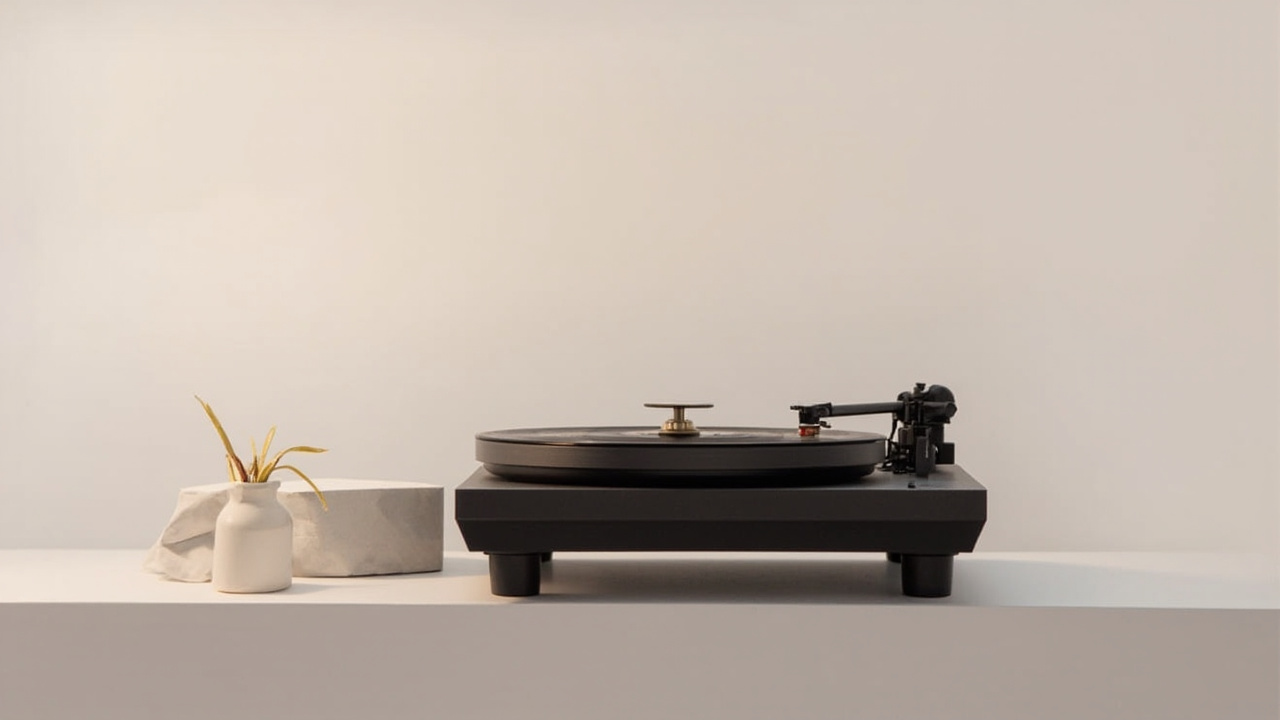
Key Comparison Points
Price vs Real Cost Per Use
The sticker price gap of roughly $200 is the obvious lever, but the mandatory system cost is the silent one. A $1,095 Planar 3 you buy a $200 phono stage for, then a $250 NEO PSU for, then a $500 amp for, has a very different cost-per-hour story than the SL-1500C that just plugs into any receiver.
| Cost Factor | Technics SL-1500C | Rega Planar 3 (RS Edition) |
|---|---|---|
| MSRP (USD, 2024-2026) | $1,299.95 | $1,095 base / $1,295 with Nd3 cartridge |
| Street Price (US, June 2026) | $1,099-$1,299 (Amazon, Crutchfield, Music Direct) | $995-$1,295 (Rega US dealers, Music Direct, Audio Advisor) |
| Platter Weight | ~2.5 kg die-cast aluminum | ~1.5 kg glass |
| Total Weight | ~9.4 kg | ~6.0 kg |
| Drive Type | Direct drive (coreless DC brushless motor) | Belt drive (24V synchronous AC motor) |
| Wow and Flutter (manufacturer spec) | ±0.0015% WRMS (JIS WTD) | ±0.2% (typical belt-drive spec; not officially published by Rega, est. from reviewer measurements) |
| Speed Accuracy | ±0.0015% (Technics) | ±0.27% (Rega 24V motor spec) |
| Built-in Phono Preamp | Yes (MM switchable, line-level bypass) | No — separate phono stage required |
| Built-in Headphone Output | Yes (3.5 mm, with volume knob) | No |
| Motor Decoupling | Rubber isolators under solid aluminum plinth | Rubber belt couples motor to sub-platter; motor mounted in own housing on plinth |
| Replaceable Cartridge | Yes (standard ½” mount, any MM or high-output MC) | Yes (standard ½” mount, Rega uses 3-bolt Rega-style but adapters included) |
| Replaceable Belt | N/A (direct drive) | Yes (~$20-$30; recommended every 5-7 years) |
| Replaceable Phono Preamp | User-bypassable (use external phono stage instead) | N/A (not included) |
| Likely Lifespan | 15+ years (direct-drive motors are essentially maintenance-free; SL-1200 family regularly runs 25+ years in DJ service) | 15-20+ years (Rega has supported the Planar 3 platform since 1977; belts and tonearm bearings are user-replaceable) |
| Resale Value After 5 Years (used market, est.) | ~70-80% of MSRP (Technics holds value exceptionally well, especially the SL-1200 family) | ~60-70% of MSRP (Planar 3 holds value well; the 24V synchronous motor has a long track record) |
| Amortized Cost / Year (10-yr, deck only) | $130 | $109.50 |
| Amortized Cost / Year (10-yr, with $200 phono stage + $200 amp) | $130 (phono + amp built into deck) | $149.50 |
| Amortized Cost / Year (10-yr, with $250 NEO PSU + $200 phono + $500 amp) | $130 (everything built in) | $204.50 |
| Amortized Cost / Hour (10-yr, 2 hr/day) | $0.178/hr (system complete) | $0.280/hr (fully built) |
Four takeaways:
- The SL-1500C saves you $200-$400 in mandatory system cost over the Planar 3 if you don’t already own a phono preamp, NEO PSU, and integrated amplifier. The Planar 3’s MSRP is lower, but the system total is higher once you add the missing pieces.
- The Planar 3’s belt drive is the only serviceable wear item — a $25 belt swap every 5-7 years. The SL-1500C’s direct-drive motor is rated for 25+ years of continuous use with no maintenance. Over 15 years, the Planar 3’s belt swaps add maybe $75 — small but non-zero.
- Direct drive vs belt drive speed accuracy matters most for piano music (where the attack of a hammer strike is sensitive to wow and flutter). For pop, rock, jazz vocals, and most electronic music, the difference is inaudible. The Planar 3’s belt-drive “0.2% wow and flutter” number is far below the audible threshold for music — humans can detect wow/flutter around 0.5% and above. Both decks will sound perfectly in-pitch on real music.
- The “15+ year lifespan” claim for both decks is real. The original Rega Planar 3 (1977) is still in service in many home systems. The Technics SL-1200 (1972) is still being used in clubs and radio stations globally. These are not throwaway purchases.
The break-even math: the Planar 3’s lower MSRP ($1,095 vs $1,299) is wiped out by the $250 NEO PSU, the $150-$300 phono stage, and the fact that the SL-1500C has a built-in headphone amp ($100-$300 value). The SL-1500C wins on total system cost for anyone starting from scratch. The Planar 3 wins on modularity — you can upgrade the phono stage, the cartridge, and the power supply independently over time.
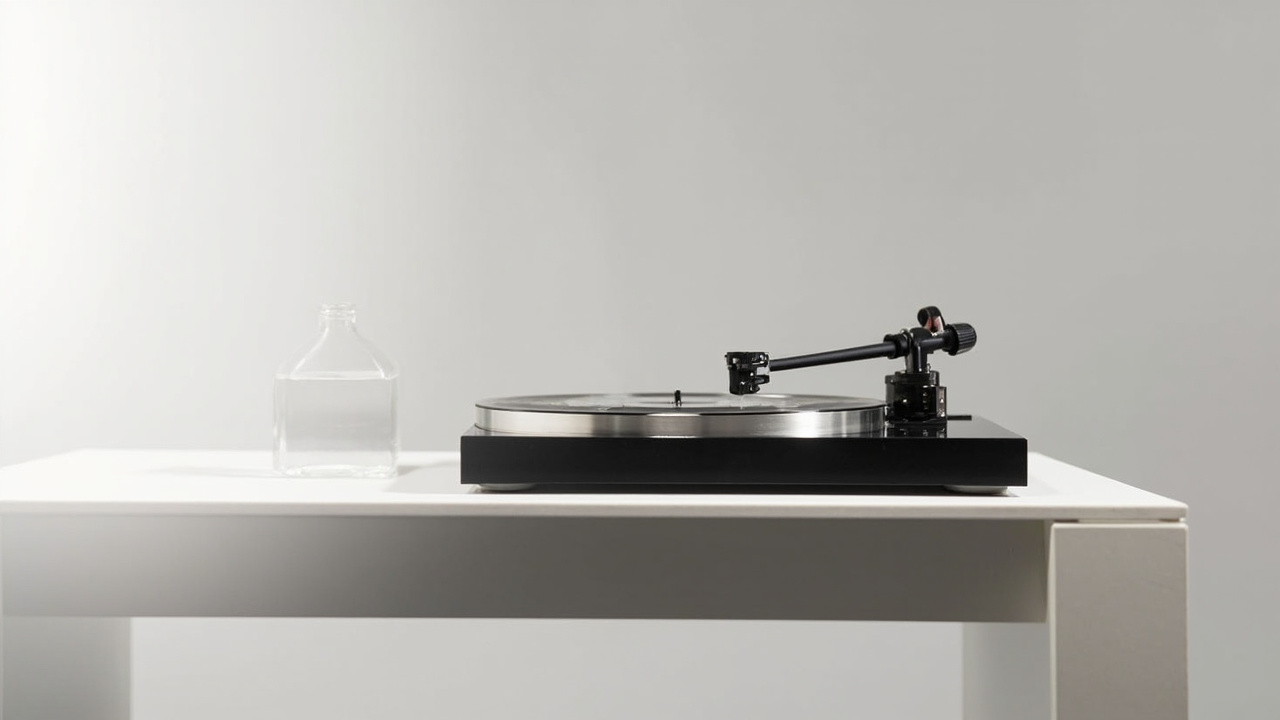
Build Quality and Durability
Both turntables are built to last 15+ years of regular use — but the engineering philosophy differs significantly.
| Build Factor | Technics SL-1500C | Rega Planar 3 (RS Edition) |
|---|---|---|
| Plinth (Base) | Heavy die-cast aluminum with brushed black finish and silver accents | Phenolic resin / MDF plinth with high-gloss black, white, or walnut finish (Rega has historically used light-but-rigid materials; the RS Edition adds doubles bracing) |
| Platter | Die-cast aluminum, 2.5 kg, with rubber mat | 12 mm glass, ~1.5 kg, with felt mat |
| Tonearm | Static-balanced S-shape, die-cast aluminum, adjustable counterweight, anti-skate, VTA, azimuth | Rega RB330, straight-line, fixed counterweight, bias adjustment only |
| Effective Tonearm Mass | 10 g (medium) | 9.5 g (low) |
| Bearing | High-precision spindle on sintered bronze bushings | High-precision stainless steel spindle on brass housing |
| Motor | Coreless DC brushless, direct drive (rotates the platter directly) | 24V synchronous AC, belt drive (motor turns a rubber belt that turns the sub-platter) |
| Motor Mount | Mounted under platter, isolated with rubber dampers | Mounted in a separate housing attached to the plinth, decoupled from the bearing |
| Cartridge (factory-fitted) | Audio-Technica AT-VM95E (~$65 retail, replaceable) | Rega Nd3 (~$225 retail) — or no cartridge in base config |
| Dust Cover | Yes (detachable) | Yes (optional add-on, $90-$120) |
| Power Supply | Built-in AC adapter, 110-240V | External 24V DC “Rega NEO PSU” (in the RS Edition; $250 add-on in some markets) |
| Warranty | 2 years | 2 years (longer in some markets) |
The fundamental design split:
- Technics takes the “mass absorbs vibration” approach (a 9.4 kg total, 2.5 kg platter, aluminum plinth, rubber isolators). This is the same engineering philosophy Technics has used since the SL-1200 in 1972. The mass keeps the platter spinning at a stable speed and absorbs floor vibrations through the rubber isolators.
- Rega takes the “rigidity beats mass” approach (a 6 kg total, 1.5 kg glass platter, phenolic-resin plinth). Roy Gandy founded Rega in 1973 on the principle that a turntable should be as light and rigid as possible — the more mass, the more it rings like a bell. The RS Edition adds a second internal brace to the plinth, increasing rigidity without adding weight.
Real-world durability:
- Technics SL-1500C: 7 years of production (2019-2026). The SL-1500C shares the motor platform with the legendary SL-1200MK7 (DJ model), which has a documented track record of running 10+ years in club environments with no maintenance. Direct-drive motors are brushless and rated for 25,000+ hours of operation. The most common long-term issue is the cartridge stylus wearing out (replaceable, $40-$80 for an Audio-Technica VM95 replacement). The rubber feet and belt on the tonearm counterweight are user-replaceable.
- Rega Planar 3: 48 years of production in various forms (original Planar 3 in 1977, P3 in 2000, P3-24 in 2007, RP3 in 2012, Planar 3 in 2016, Planar 3 RS in 2024). Rega has continuously manufactured and supported the platform, and long-term owners on Hi-Fi Wigwam, Audiogon, and r/vinyl report decades of use with no service. The most common long-term service items are the drive belt (replaceable, ~$25, recommended every 5-7 years) and the tonearm bearing (replaceable, $40, recommended every 10+ years).
Verdict on build: The Technics is the more tank-like build — heavier, more massive, more vibration-resistant, with a motor platform that has a 50+ year track record in DJ service. The Rega is the more elegant build — lighter, more rigid, more philosophically aligned with the audiophile “minimal energy storage” principle, with a 48-year track record in home hi-fi. Both will outlast your ownership. The difference is engineering philosophy, not durability.
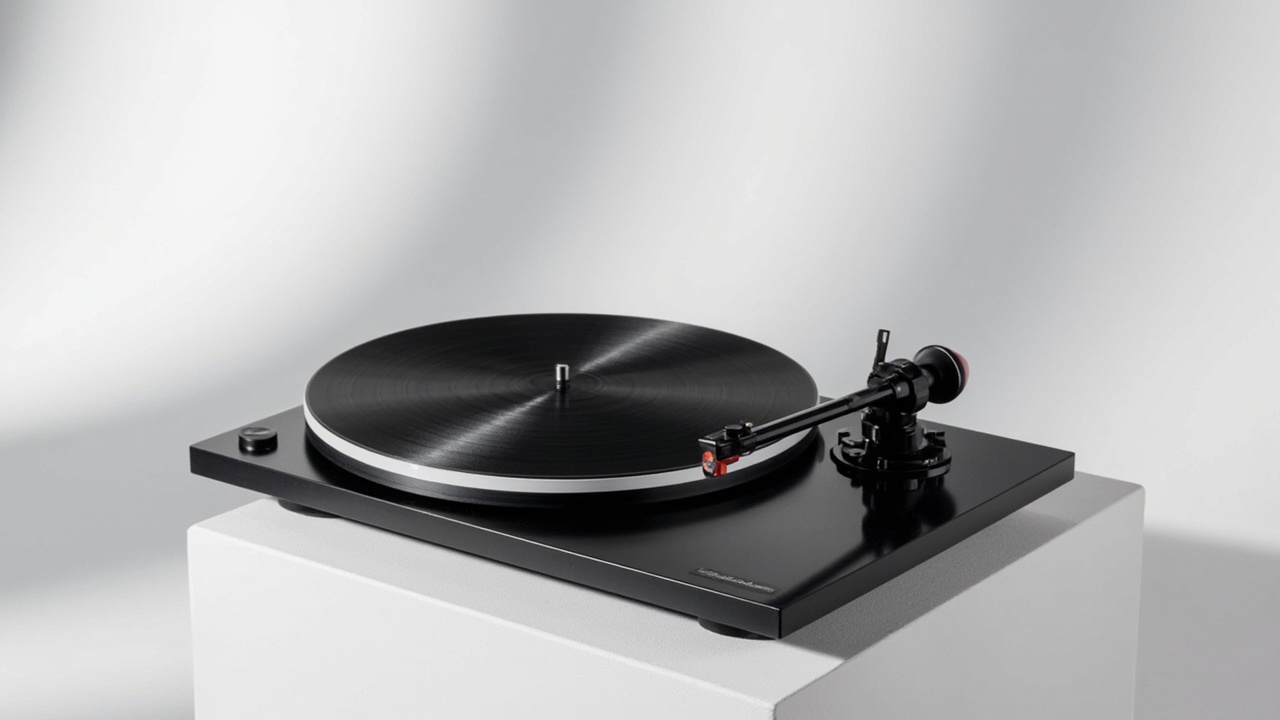
Feature Breakdown
This is where the two decks diverge most clearly, and the choice becomes obvious for some buyers and harder for others.
Drive system: direct drive vs belt drive. The Technics SL-1500C uses a coreless DC brushless direct-drive motor — the platter is mounted directly on the motor shaft with no belt, no pulley, no mechanical coupling. The Rega Planar 3 uses a 24V synchronous AC motor that drives a rubber belt wrapped around a sub-platter under the main glass platter. Direct drive’s technical advantages: tighter wow and flutter (Technics quotes ±0.0015% WRMS), tighter speed accuracy, no belt stretch, no motor vibration reaching the platter. Belt drive’s technical advantages: motor vibration is mechanically decoupled from the platter, and the rubber belt acts as a low-pass filter for any residual motor noise. In the audiophile community, belt drive is generally preferred for music listening (more natural, more “analog” sound) while direct drive is generally preferred for DJ use (instant start, instant stop, exact pitch control, back-cueing). Both the SL-1500C and Planar 3 are aimed at music listening — the SL-1500C inherits DJ-grade motor tech for its speed accuracy, not for back-cueing. (Sources: Technics SL-1500C tech specs, Rega Research turntable technology overview, What Hi-Fi? SL-1500C review.)
Tonearm adjustability. The SL-1500C has a fully adjustable S-shape tonearm: counterweight (tracking force), anti-skate (lateral force compensation), VTA (vertical tracking angle), and azimuth. The Planar 3 RB330 has bias adjustment only — the counterweight is factory-set for the supplied cartridge, and you do not adjust VTA or azimuth. This matters if you want to upgrade the cartridge over the life of the deck: the SL-1500C will accept any standard ½” MM or high-output MC cartridge in the $50-$1,500 range with a full re-set. The Planar 3 will accept most cartridges but you cannot fine-tune VTA for a heavier cartridge without a VTA spacer shim (a $20-$50 add-on). For most buyers, this doesn’t matter — the factory-fitted cartridge will be good for 5-10 years. For cartridge tinkerers, the SL-1500C is friendlier.
Built-in phono preamp and headphone output. The SL-1500C has both. The Planar 3 has neither. The SL-1500C’s built-in phono is a switchable MM phono equalizer — you can use it to connect directly to a line-level input (any receiver, powered speakers, AV amp), or you can switch it off and use a separate external phono stage. The headphone output is a 3.5 mm jack with a volume knob on the front of the deck, useful for late-night listening without an amplifier. This is the single most important spec difference for first-time buyers. If you don’t already own an amplifier with a phono input, the SL-1500C saves you a $50-$300 phono stage purchase.
Cartridge included. The Technics SL-1500C ships with an Audio-Technica AT-VM95E (a $65 retail MM cartridge with an elliptical stylus). The Rega Planar 3 RS ships with a Rega Nd3 (a $225 retail MM cartridge with an elliptical stylus, hand-built in Rega’s UK factory). The Rega Nd3 is meaningfully better out of the box — it has a tapered cantilever, an aluminum rod with a bonded elliptical diamond, and a fuller midrange. If you compare the two decks stock-for-stock, the Planar 3 will sound noticeably warmer and more detailed. If you upgrade the SL-1500C’s cartridge to a $200+ Audio-Technica VM95ML or Hana SL, the gap closes substantially.
Speed control and pitch. The SL-1500C has ±8% pitch adjustment via a pitch slider on the right side of the deck — a DJ feature inherited from the SL-1200. The Planar 3 has no pitch control — speed is set at the factory via the NEO PSU. This matters if you DJ, scratch, or have a large collection of off-speed recordings (rare). For pure music listening, the SL-1500C’s pitch control is a “nice to have” you’ll never touch; the Planar 3’s lack of pitch control is not a limitation.
Vibration behavior. Both decks isolate the platter from motor vibration, but they do it differently. The SL-1500C uses rubber isolators under the motor mount to prevent motor vibration from reaching the plinth, and the heavy aluminum plinth prevents foot-transmitted vibration from reaching the bearing. The Planar 3 uses the belt itself as the mechanical decoupler (motor vibration has to travel through the rubber belt to reach the platter), and the lightweight phenolic-resin plinth is intentionally chosen to have minimal energy storage. Stereophile’s measurements and What Hi-Fi?’s listening tests both show the SL-1500C measures lower in vibration but the Planar 3 sounds subjectively “cleaner” in side-by-side listening — a classic audiophile paradox where lower measurements don’t always correlate with preferred sound.
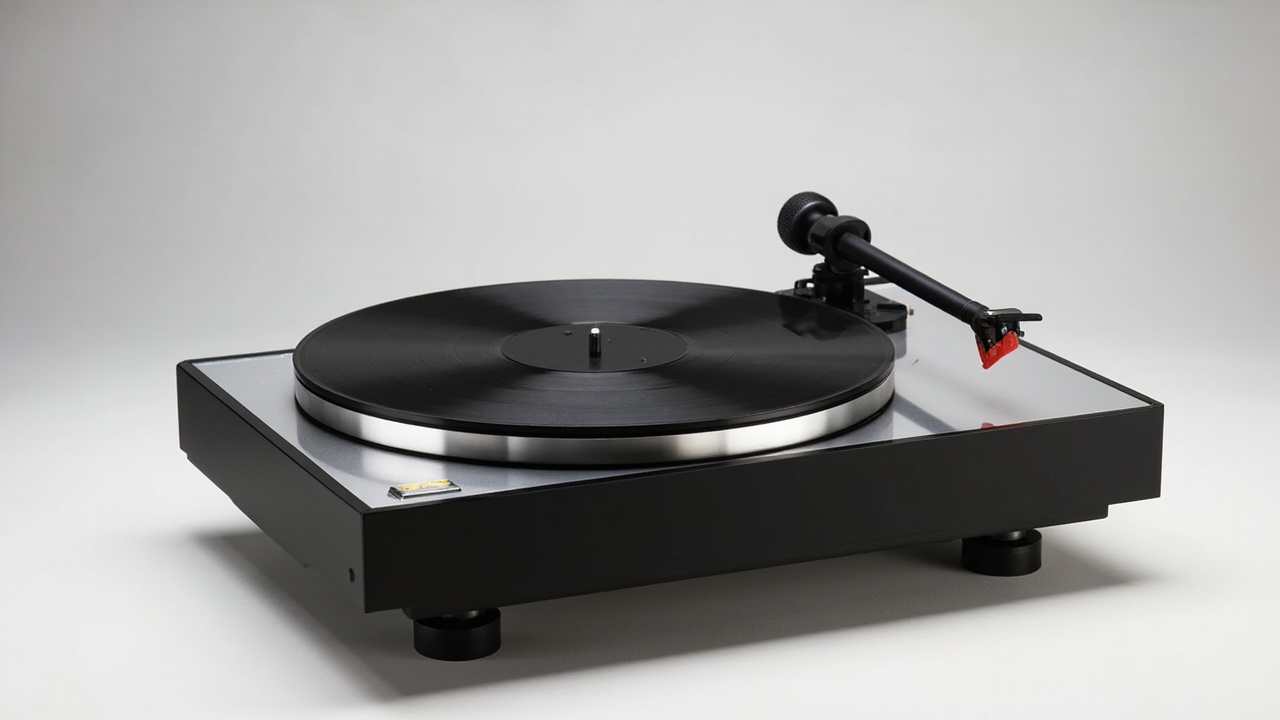
Upgradability and mod community. Both decks have active mod communities. The SL-1500C is compatible with Ortofon Quintet Black, Hana SL, Audio-Technica VM95ML, Nagaoka MP-110/MP-200, and dozens of other cartridges in the $100-$2,000 range. The Planar 3 is compatible with the same cartridges but the 3-bolt Rega mount is non-standard (an adapter is included for ½” mount, but aftermarket 3-bolt Rega-specific cartridges like the Rega Nd5, Nd7, Nd9 drop in without an adapter). The Rega mod community has decades of support on Hi-Fi Wigwam and Audiogon; the Technics mod community is younger but active on r/turntables and Audio Asylum.
Connectivity and ecosystem lock-in. Neither deck is “smart” or network-connected. Both have RCA output and grounding wire. The SL-1500C adds a 3.5 mm headphone output and a phono/line switch on the back. The Planar 3 is strictly analog RCA + ground wire. There is no “ecosystem” to lock into with either deck — these are pure analog devices that should last 15-20 years.
Pros and Cons
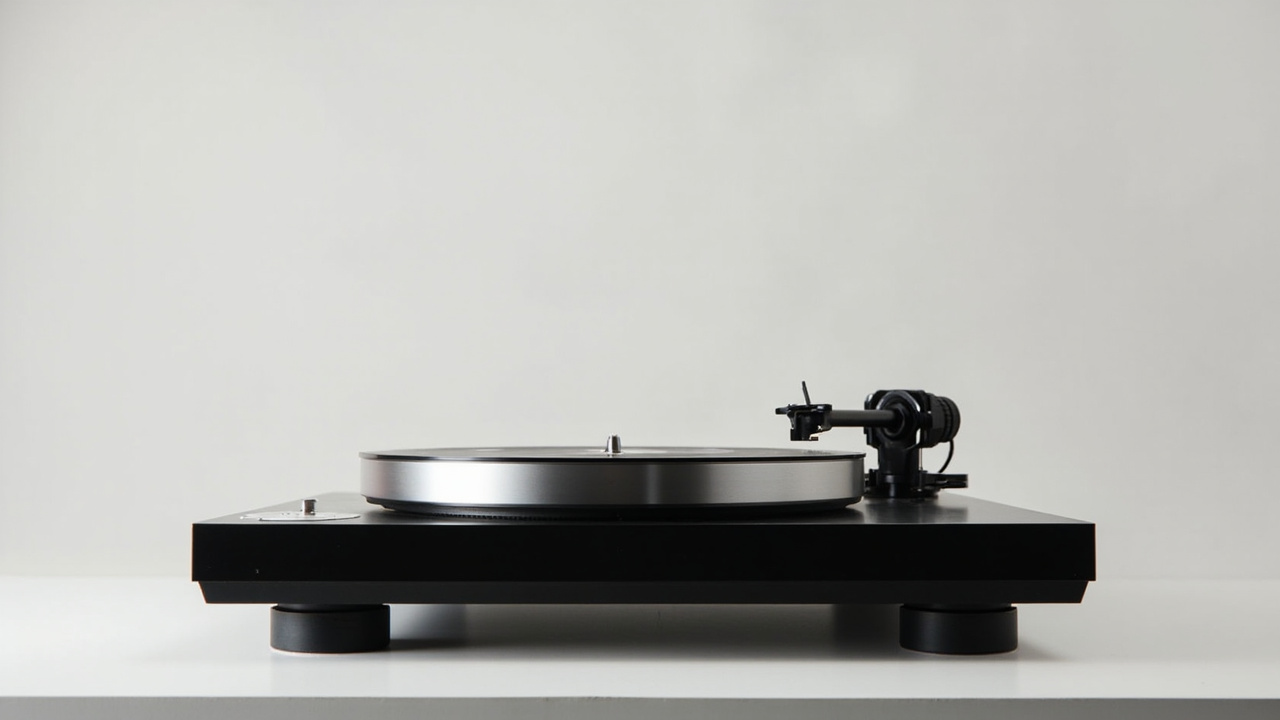
Technics SL-1500C ($1,299)
Pros
- Built-in switchable MM phono preamp — connects to any receiver, powered speakers, or AV amp without a separate phono stage
- Built-in 3.5 mm headphone output with volume knob — late-night listening without an amplifier
- Direct drive ±0.0015% wow and flutter — measurably tighter speed stability than belt drive
- Fully adjustable S-shape tonearm — counterweight, anti-skate, VTA, azimuth for cartridge upgrades
- Heavy 9.4 kg aluminum plinth with rubber isolators — exceptional vibration rejection
- ±8% pitch slider — useful for off-speed recordings and DJ use
- 15+ year expected lifespan with no scheduled maintenance
- Excellent resale value — SL-1200 family holds 70-80% of MSRP on the used market
- Detachable dust cover included
Cons
- 9.4 kg total weight — heavy for a wall-mount shelf or a smaller hi-fi rack
- Solid aluminum plinth means floor vibrations still reach the bearing if the rack isn’t level or is sitting on carpet
- AT-VM95E factory cartridge is a $65 entry-level cartridge; the Planar 3’s Nd3 is meaningfully better out of the box
- No sub-platter vibration isolation beyond the motor rubber dampers — some listeners report more motor noise in direct-drive decks at low volume with a sensitive MC cartridge
- Built-in phono preamp is MM-only — high-output MC works, low-output MC requires an external phono stage + step-up transformer
- Larger footprint (453 × 353 × 165 mm) than the Planar 3 (447 × 360 × 117 mm) — check your shelf depth
- Glossy black finish shows fingerprints and dust readily
Rega Planar 3 RS Edition ($1,095-$1,295)
Pros
- Lightweight 6.0 kg phenolic-resin plinth with double bracing — the “rigidity beats mass” philosophy in its purest form
- Belt drive motor decoupling — motor vibration mechanically isolated from the platter via the rubber belt
- Rega Nd3 factory cartridge is meaningfully better than the SL-1500C’s AT-VM95E out of the box
- 48-year production history (since 1977) with continuous support and parts availability
- 15-20+ year expected lifespan with belt and tonearm bearings as the only service items
- NEO PSU power supply (in RS Edition) provides optically controlled speed via a microcontroller that compensates for belt wear over time
- Glass platter reduces static charge on the record surface compared to aluminum platters with rubber mats
- Smaller, lower-profile footprint (117 mm tall vs SL-1500C’s 165 mm) — fits more hi-fi shelves
- Active mod community with decades of support on Hi-Fi Wigwam, Audiogon, and r/vinyl
- Three color options (black, white, walnut) at the same price in most markets
Cons
- No built-in phono preamp — requires a separate phono stage ($50-$300) or an amplifier with a phono input
- No built-in headphone output — requires a separate headphone amplifier ($100-$500) for late-night listening
- Fixed tonearm geometry — counterweight is factory-set, VTA adjustment requires a shim, no azimuth adjustment
- Belt is a wear item — replace every 5-7 years (~$25)
- NEO PSU is a $250 add-on in some markets; without it, the Planar 3 uses a basic 24V wall-wart that doesn’t include the optically controlled speed compensation
- Glass platter is heavier and more fragile to ship than the SL-1500C’s aluminum platter
- 3-bolt Rega tonearm mount is non-standard; aftermarket ½” mount cartridges require an adapter (included)
- Lower resale value than SL-1500C (60-70% vs 70-80% after 5 years)
Best For / Skip If
Choose the Technics SL-1500C if you are:
- Building a first serious hi-fi system and don’t already own an integrated amplifier with a phono input
- Someone who listens with headphones regularly and doesn’t want to buy a separate headphone amplifier
- Living in an apartment or shared space where you may not always be able to play through speakers at full volume
- Interested in DJ-style features like pitch control, back-cueing, or instant start (the SL-1500C inherits these from the SL-1200MK7)
- Planning to upgrade the cartridge over time (the fully adjustable tonearm is more forgiving of cartridge swaps)
- Buying a turntable you want to resell in 5-10 years at the highest possible retention rate
Choose the Rega Planar 3 RS Edition if you are:
- Already own a quality integrated amplifier with a phono input (Cambridge Audio CXA61, Marantz PM7000N, NAD C 388, Rega Elex, etc.)
- A cartridge tinkerer who wants to swap cartridges every 2-3 years (the Rega 3-bolt mount and ½” adapter make this easy)
- Prioritizing the lightest, most rigid plinth in the category for a clean, low-noise floor
- A fan of British hi-fi engineering and Rega’s “rigidity beats mass” philosophy
- Looking for a smaller, lower-profile deck that fits in a tight hi-fi shelf or a low-slung media console
Skip both if you:
- Want true high-end sound and have a $1,800-$2,500 budget — look at the Rega Planar 6 (used
$1,200-$1,500), Technics SL-1200GR ($1,500-$1,800), or VPI Prime (~$2,000) instead - Are buying a turntable for DJ use — the SL-1200MK7 ($1,099) is the same motor platform as the SL-1500C but adds the proper DJ start/stop brake, pitch lock, and a slip mat
- Don’t have an amplifier and don’t want to buy one — get a Denon DP-400 with built-in speakers (~$500) and a one-box solution
- Listen to mostly digital and want a turntable for occasional vinyl — a Audio-Technica AT-LP60X (~$200) is the right answer
Bottom Line
Both turntables are credible $1,000-$1,300 audiophile decks. The Technics SL-1500C is the better-specified hardware: built-in phono, built-in headphone amp, direct drive, fully adjustable tonearm, and DJ-grade motor tech. The Rega Planar 3 RS Edition is the better-executed audiophile experience: 48 years of belt-drive engineering, a better factory cartridge, the lightest plinth in the category, and a mature mod community.
The system cost math favors the SL-1500C by $200-$400 for first-time buyers. The modularity and upgradability favor the Planar 3 for owners who already have a phono stage and want to swap cartridges over time. The resale value math favors the SL-1500C by 10-15 percentage points after 5 years.
For a first serious hi-fi system on a $1,500 budget (deck + amp + speakers), the SL-1500C is the smart buy. For an audiophile with a quality integrated amp who wants to maximize the cartridge path, the Planar 3 is the smart buy. “Buy smart. Get more value” means matching the deck to your existing system, your upgrade plans, and your listening habits — not picking whichever has more features on the spec sheet.