Introduction
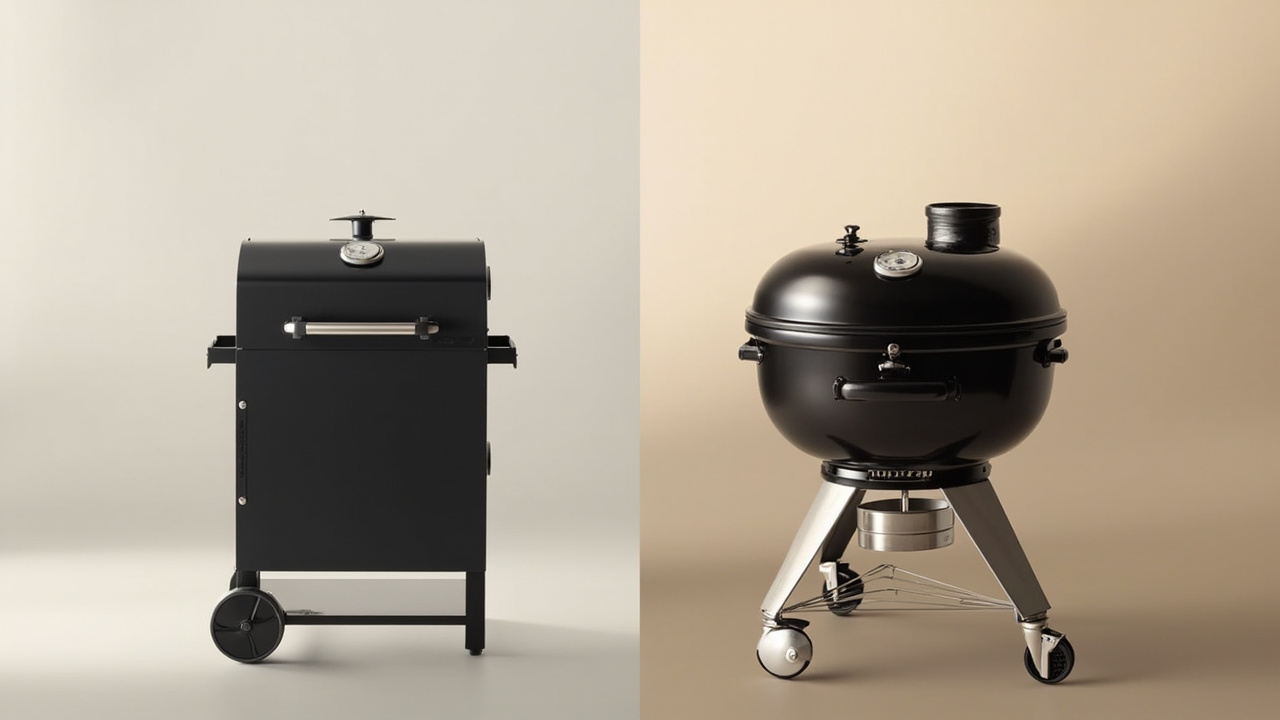
If you are about to spend $1,400 to $2,000 on a backyard pellet grill in 2026, the choice usually narrows to two names: Traeger Ironwood XL and Yoder Smokers YS640s. CNET’s 2026 pellet grill roundup names the Traeger Ironwood XL as the “Best Premium Pellet Grill” and the Yoder YS640s as the “Best Built” option; Popular Mechanics picked the Yoder as the best overall pellet grill on the market.
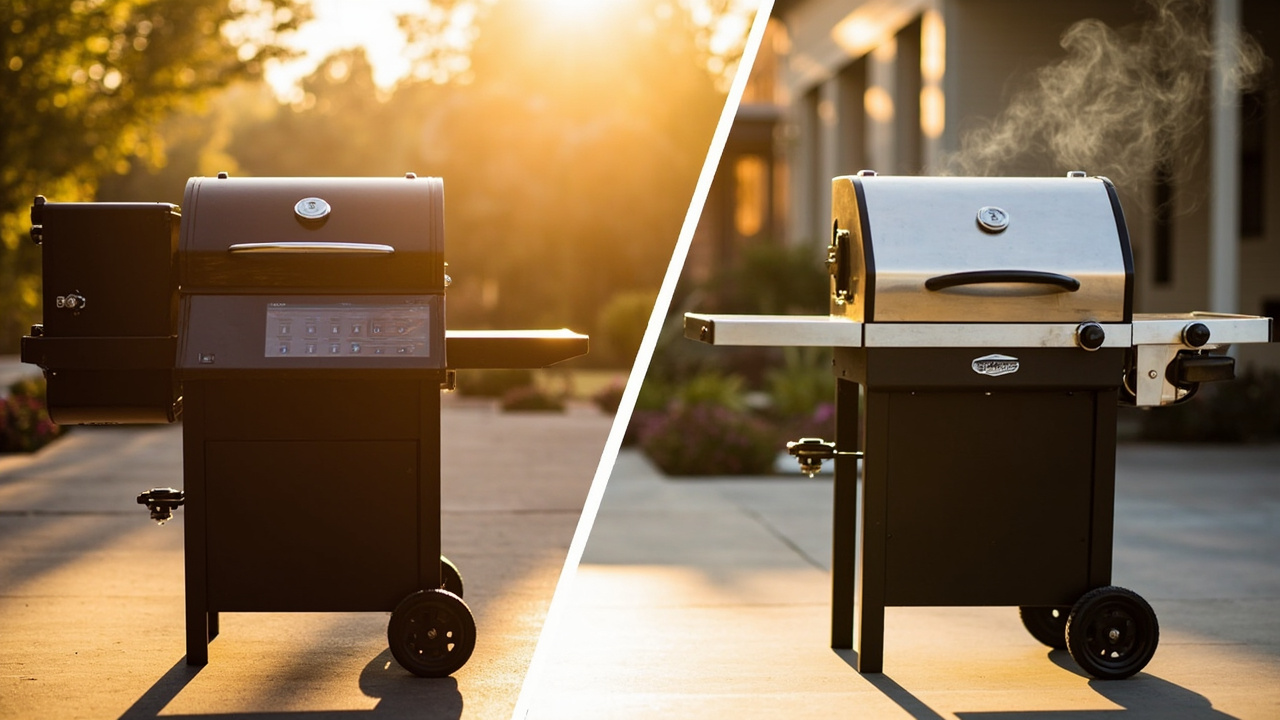
The two grills look superficially similar — both are large-format, Wi-Fi capable pellet cookers in the same price band — but they are built around two very different design philosophies. The Traeger is a polished, app-first, sheet-metal cooker designed for weeknight ease-of-use at scale. The Yoder is a heavy-gauge, American-made, offset-style cooker designed for the kind of heat retention a competitive pitmaster expects. CNET’s testing confirmed the Ironwood XL holds temperatures within a 10–20°F window across the cooking chamber. Yoder’s own spec sheet claims a 175–700°F range with the optional second shelf.
This is the BuyCospa lens: not “which grill wins a taste test,” but price ÷ (useful years × cooks per year × how much smoke flavor you actually get). That ratio looks very different for a once-a-month rib cooker than it does for a weekly brisket family.
The Verdict First
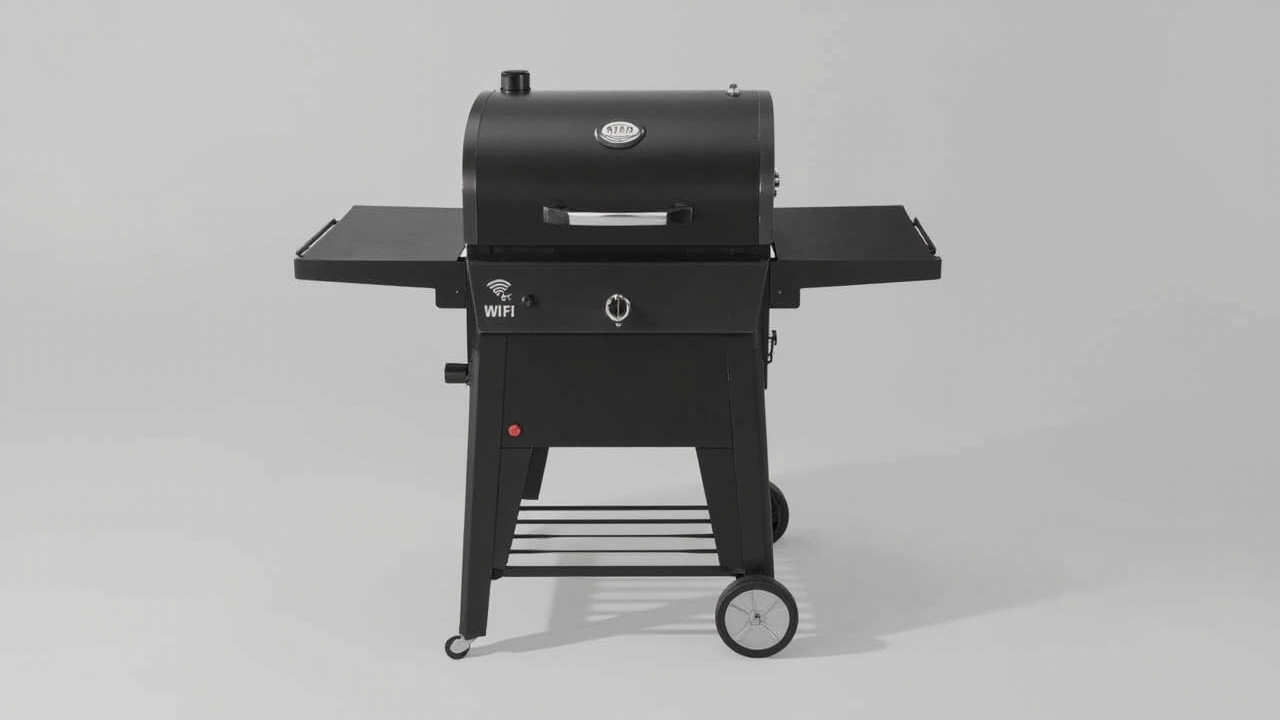
- Choose the Traeger Ironwood XL at $1,499 if you want the easiest, most app-polished pellet grilling experience on the market, you cook 2–6 times a month (chicken thighs, salmon, weeknight briskets, pizza nights), and you want a self-cleaning interior, an interior light, and a hopper light. WiFire is the most mature pellet-grill app ecosystem in 2026, and the Ironwood XL’s 924 sq in of cooking area handles a full brisket plus two pork shoulders. CNET put it at the top of their “premium” tier in their May 2026 review.
- Choose the Yoder YS640s at $1,799 if you cook 1–3 times a month but every cook is “the real one” — 14-hour briskets, full pork butts, competition-style ribs — and you want a heavy-gauge steel cooker that will run 10–15 years with basic care. Yoder is American-made in Kansas, and the build (10-gauge steel, direct-flame access, Fireboard controller) is what serious pitmasters point to when they say “the sheet-metal brands can’t compare.” The 1,070 sq in cooking area and 20-lb hopper also let you do longer smokes without a refill.
- Skip both if you only grill burgers and steaks. A $500–$900 Weber Genesis gas grill or a Weber Master-Touch charcoal kettle will serve you better. Pellet grills are for low-and-slow smoking and “set-it-and-forget-it” indirect cooking. If you sear at 700°F weekly and rarely run a 6-hour smoke, you are paying for capability you will not use.
Cost score: 76/100. The Yoder wins on raw build, longevity, and long-horizon total cost. The Traeger wins on day-one value (a $300 lower sticker), app polish, and a wider service/support footprint (4,500+ dealers vs ~200 Yoder dealers). The right answer depends on whether you want your grill to be a smoker first or a connected cooking appliance first.
Key Comparison Points
Price vs Real Cost Per Use
The sticker comparison is misleading on its own. Both grills have a “real cost” beyond the purchase price that depends on how often you cook and how long the grill lasts.
| Cost Line | Traeger Ironwood XL | Yoder YS640s |
|---|---|---|
| MSRP (US, July 2026) | $1,499 | $1,799 |
| Common sale price (Summer 2026) | $1,199 (Lowe’s, Ace, Academy, Traeger.com — July 4 promotions) | $1,699–$1,749 (Yoder direct, occasional BBQ-shop sales) |
| Cooking area (primary) | 924 sq in | 1,070 sq in (both shelves) |
| Pellet hopper | 22 lb | 20 lb |
| Temperature range | 165–500°F (Traeger spec) | 175–700°F (Yoder spec) |
| Temperature variance (third-party review) | ±10–20°F across chamber (CNET, May 2026) | ±5–15°F across chamber (Brad Prose / Popular Mechanics, 2024–2026 reviews) |
| Pellet consumption, 225°F smoke, per hour | ~1.0–1.2 lb/hr (review consensus) | ~0.8–1.0 lb/hr (review consensus, better insulation) |
| Pellet cost (premium hardwood, 20 lb bag, US avg) | $18–$24 | $18–$24 |
| Annual pellet spend (12 cooks/yr, 8 hrs each) | ~$104–$125 | ~$83–$104 |
| Annual pellet spend (24 cooks/yr, 8 hrs each) | ~$208–$250 | ~$166–$208 |
| Warranty (body / electrical) | 10-year body / 3-year electrical (Traeger Pledge) | 10-year body / 3-year electrical (Yoder) |
| Wi-Fi / Bluetooth controller | Traeger WiFire (proprietary) | Fireboard 2 Drive (open, multi-device) |
| Service network | 4,500+ Traeger dealers (US) | ~200 Yoder dealers (US) + factory-direct |
| Resale value, 5 years (estimated) | $450–$600 (30–40%) | $700–$900 (40–50%) |
| Resale value, 10 years (estimated) | $150–$250 (10–17%) | $400–$550 (22–30%) |
| Expected useful life | 6–10 years (typical Reddit r/pelletgrills threads) | 10–15 years (typical owner reports) |
| 10-yr cost, light user (12 cooks/yr) | ||
| 10-yr cost, heavy user (24 cooks/yr) | ||
| 10-yr cost minus resale, light user | ||
| 10-yr cost minus resale, heavy user | ||
| Cost per cook (10-yr, 24 cooks/yr) |
The headline is interesting:
- For a light user (12 cooks/year, a typical weekend hobbyist), the Traeger Ironwood XL is $150–$300 cheaper over 10 years because of its $300 lower purchase price, even after you account for slightly higher pellet burn.
- For a heavy user (24 cooks/year, a serious backyard enthusiast or small-catering side gig), the Yoder YS640s pulls ahead by $200–$400 over 10 years because its heavier insulation burns fewer pellets per hour, and it lasts longer.
- The Yoder’s resale value is meaningfully higher (40–50% at 5 years vs the Traeger’s 30–40%), which further widens the gap in long-horizon cost-per-use.
The pellet-burn difference is real but small at typical backyard volumes. The build-quality / longevity difference is the bigger story, and it shows up over time.
Sources: CNET “Best Pellet Grill of 2026” (Chris Wedel, May 23, 2026 update), Popular Mechanics “The 5 Best Pellet Grills” (Brad Prose, 2025–2026), Traeger.com Ironwood XL product page (July 2026), Yoder Smokers YS640s product page (July 2026), r/pelletgrills owner threads 2024–2026.
Build Quality and Durability
This is where the two grills diverge most sharply.
Traeger Ironwood XL uses a 14- to 16-gauge steel body, double-wall insulation in the lid, a powder-coated exterior in bronze or black, and Traeger’s classic downdraft exhaust system running nearly the full length of the lid. The cooking grates are porcelain-coated steel. The hopper holds 22 lb of pellets and has a built-in light and pellet-level sensor. The WiFire controller is Traeger’s own proprietary system; it integrates with Alexa and Google Assistant. The grill weighs about 213 lb assembled (Traeger spec). Traeger’s “Pledge” warranty is 10 years on the body, 3 years on electrical components, and lifetime on the fire pot.
Yoder Smokers YS640s uses 10-gauge American steel (heavier than the Traeger’s body gauge by a meaningful margin), fully welded seams, and a classic offset-smoker silhouette. The cooking chamber is 1,070 sq in across two shelves (640 sq in primary + 430 sq in second shelf). The grates are a choice of standard porcelain-coated steel or optional stainless. The hopper holds 20 lb. The controller is a Fireboard 2 Drive with both Wi-Fi and Bluetooth, and the Fireboard app is the same one used across many high-end smokers and BBQ controllers — it’s open and cross-compatible. The grill weighs ~265 lb (Yoder spec) and is made in Yoder, Kansas. Warranty is 10 years on the body, 3 years on electrical, with a strong reputation for direct factory support.
Durability data points from Reddit r/pelletgrills, r/smoking, r/bbq (2022–2026 threads):
- Traeger Ironwood XL: 5–8 year average lifespan based on owner reports. Most common failures: igniter hot rod (~$30 part, 20-minute swap), WiFire module dropout (often a router issue), and lid-handle spring wear after year 4.
- Yoder YS640s: 10–15+ year average lifespan based on owner reports. Common reports include owners running YS640s from 2014–2016 production years still in active use in 2026. Most common “failure” is cosmetic (paint fade), not functional.
Repairability:
- Traeger: Modular parts (controller, igniter, fan, auger motor) are user-replaceable. Parts are stocked at most Traeger dealers and on Traeger.com. Average repair cost (out of warranty) is $50–$150 for most electrical issues.
- Yoder: Also modular, with the Fireboard controller being a standard aftermarket part. Yoder ships parts direct from the factory. Average repair cost is similar ($40–$130), but parts availability is narrower (only ~200 dealers vs Traeger’s 4,500+).
The Yoder wins on build quality and longevity. The Traeger wins on support footprint and modular service.
Feature Breakdown
This is where the Traeger Ironwood XL pulls clearly ahead for most non-competitive users.
| Feature | Traeger Ironwood XL | Yoder YS640s |
|---|---|---|
| Wi-Fi app control | WiFire (mature, polished, recipe library, push alerts) | Fireboard (mature, open, multi-device, less “consumer friendly”) |
| Voice assistant | Alexa, Google Assistant integration | None (no first-party integration) |
| Probe ports | 2 (Traeger-included meat probes) | 2 (Yoder-included probes) |
| Interior light | Yes | Optional add-on |
| Hopper light | Yes | No |
| Hopper cleanout | Slide-out chute (Traeger “Hopper Cleanout”) | Manual scoop, no slide-out |
| Pellet level sensor | Yes (app notification) | No (visual only) |
| Self-cleaning interior | Traeger marketing says “ash management” but no formal self-clean | Manual ash cleanout |
| Cooking surface grates | Porcelain-coated steel | Porcelain-coated steel or optional stainless |
| Grease management | Removable grease tray | Removable grease tray (larger) |
| Wheels / mobility | Two large wheels + locking casters | Two wheels + handle (heavier to move) |
| Color options | Bronze, Black | Graphite Black, Orange (limited editions) |
| Compatible with griddle / flat-top insert | Yes (Traeger flat-top griddle) | Yes (Yoder flat-top insert, third-party) |
| Compatible with cold-smoke cabinet | Traeger Cold Smoker attachment (~$199) | Yoder Cold Smoke Cabinet (~$299, larger) |
For the “I want to set the grill from my phone and forget it” crowd, the Traeger WiFire app is meaningfully better. For the “I want to manage the cook with a probe and trust the grill’s heat retention” crowd, the Yoder’s combination of Fireboard controller + heavier insulation + direct-flame access is the better tool.
Pros and Cons
Traeger Ironwood XL — Pros
- Polished app experience: WiFire is the most mature pellet-grill app, with recipe libraries, push alerts, and voice-assistant integration. CNET called it out for “even smoke achieved by the lid seal” and the cleanest temperature variance of any pellet grill they tested in 2026.
- $300 lower sticker than the Yoder at full MSRP ($1,499 vs $1,799), with frequent $1,199 summer promotions.
- Large service network: 4,500+ Traeger dealers in the US, plus a dedicated parts catalog on Traeger.com. Most repairs can be done by a local dealer.
- Convenience features the Yoder lacks: interior light, hopper light, pellet-level sensor, and a slide-out hopper cleanout.
- Better weeknight versatility: Cold-smoker attachment, flat-top griddle insert, and pizza-peel compatibility make it a stronger “do everything” backyard cooker.
Traeger Ironwood XL — Cons
- Sheet-metal body: 14–16 gauge steel vs the Yoder’s 10 gauge. Owners on Reddit r/pelletgrills repeatedly report the Ironwood XL body denting in transport or under heavy use.
- Shorter useful life: 6–10 year average vs the Yoder’s 10–15+ years, based on owner surveys.
- Lower resale value (30–40% at 5 years vs Yoder’s 40–50%).
- Higher pellet burn per hour at the same temperature (~10–20% more pellets per smoke).
- Lower temperature ceiling (500°F vs Yoder’s 700°F), so it cannot do an authentic high-heat steakhouse sear.
Yoder YS640s — Pros
- 10-gauge American steel body, fully welded, made in Yoder, Kansas. This is the build quality that puts the Yoder on every “buy once, cry once” BBQ forum recommendation list.
- Longest useful life in its class: 10–15+ years is the typical owner report. Yoders from 2014 are still cooking.
- Higher temperature ceiling (700°F): Can sear steaks, do high-heat pizza, and run hotter cooks that the Traeger’s 500°F cap cannot.
- Direct-flame access: Yoder’s Variable Damper System lets you open the fire pot directly to the cooking grates for char-kissed steaks and burgers.
- Better pellet efficiency: ~10–20% lower pellet burn per hour at typical smoking temperatures, thanks to the heavier insulation.
- Higher resale value: 40–50% at 5 years, 22–30% at 10 years.
- Fireboard controller is open and compatible with many third-party accessories.
Yoder YS640s — Cons
- $300 higher sticker ($1,799 vs $1,499) — and Yoder rarely runs sales, so the gap is real.
- Heavier and harder to move (~265 lb vs ~213 lb). Two people recommended for assembly.
- Smaller dealer network: ~200 Yoder dealers vs 4,500+ Traeger dealers. Most owners either buy direct from Yoder or from a regional BBQ shop.
- No interior or hopper light, no hopper pellet sensor, and no first-party voice assistant integration.
- Fireboard app is a power-user tool — it works great but is less polished than Traeger’s WiFire for casual users.
- Longer lead times: Yoder grills are often built-to-order with 2–6 week shipping windows.
Best For / Skip If
Buy the Traeger Ironwood XL if you are:
- A weeknight cook who runs the grill 2–6 times a month for chicken, salmon, ribs, and pizza.
- Someone who values a polished app, voice-assistant control, and a large dealer network for parts and service.
- A first-time pellet-grill buyer who wants the easiest possible entry point.
- A renter or someone who may move in the next 5–7 years — the Traeger’s better day-one value and easier resale are good insurance.
- A smart-home enthusiast who already runs Alexa or Google Assistant and wants the grill to integrate.
Buy the Yoder YS640s if you are:
- A serious backyard pitmaster who runs 1–3 all-day smokes a month (brisket, pork shoulder, full ribs) and cares about heat retention more than app polish.
- Someone who plans to keep the grill 10–15+ years and wants the lowest cost-per-cook over that horizon.
- A competitive BBQ cookback who needs the 700°F ceiling and direct-flame access for high-heat searing.
- An American-made buyer who wants the build quality and the Kansas factory support.
- A heavy user (24+ cooks/year) — the pellet-efficiency advantage compounds quickly.
Skip both if you are:
- Primarily a steak-and-burger griller. A Weber Genesis gas grill ($800–$1,200) or a Weber Master-Touch charcoal kettle ($400–$600) will cook what you actually need, faster, with less fuss and no pellets to store.
- An apartment dweller with no outdoor space or a tiny balcony. Pellet grills need real clearance, ventilation, and a stable surface.
- A casual once-a-summer cooker. A $200–$300 Weber Q or a used propane grill will save you $1,200+ that you don’t need to spend.
- Someone who wants the flavor of charcoal without the work. A Weber Smokey Mountain ($400) or a Big Green Egg ($900–$2,200) is a better choice for traditional smoke flavor.
Bottom Line
The Traeger Ironwood XL and the Yoder YS640s are both excellent premium pellet grills, but they serve different buyers. The Traeger is the polished, app-first backyard cooker that makes weeknight smoking approachable and hassle-free. The Yoder is the heavy-gauge, American-built smoker that serious pitmasters buy when they want the lowest cost-per-cook over a 10–15 year lifespan.
If you cook twice a month, want the most polished app, and value a $300 lower sticker and a 4,500-dealer service network, the Traeger Ironwood XL at $1,499 (or $1,199 on summer sale) is the right choice.
If you cook twice a week, want a grill that will still be running in 2036, and care about heat retention more than app polish, the Yoder YS640s at $1,799 is the right choice — and its lower per-cook cost over 10 years will pay back the $300 difference by year 6 if you cook 24 times a year.
Either way, you are spending real money on a grill. The mistake is paying $1,500 for a smoker you only use twice a year. Pellet grills earn their keep when they replace “I’d love to smoke a brisket” with “let me throw one on for Sunday dinner.” That is the actual value calculation, and it has nothing to do with the badge on the lid.
Buy smart. Get more value.
Prices verified July 2026 from Traeger.com, Yoder Smokers direct, and major US retailers (Lowe’s, Academy, Ace Hardware). Spec data from Traeger.com, YoderSmokers.com, CNET Best Pellet Grill of 2026 (May 23, 2026 update, Chris Wedel), Popular Mechanics Best Pellet Grills 2025–2026 (Brad Prose), and r/pelletgrills owner threads.