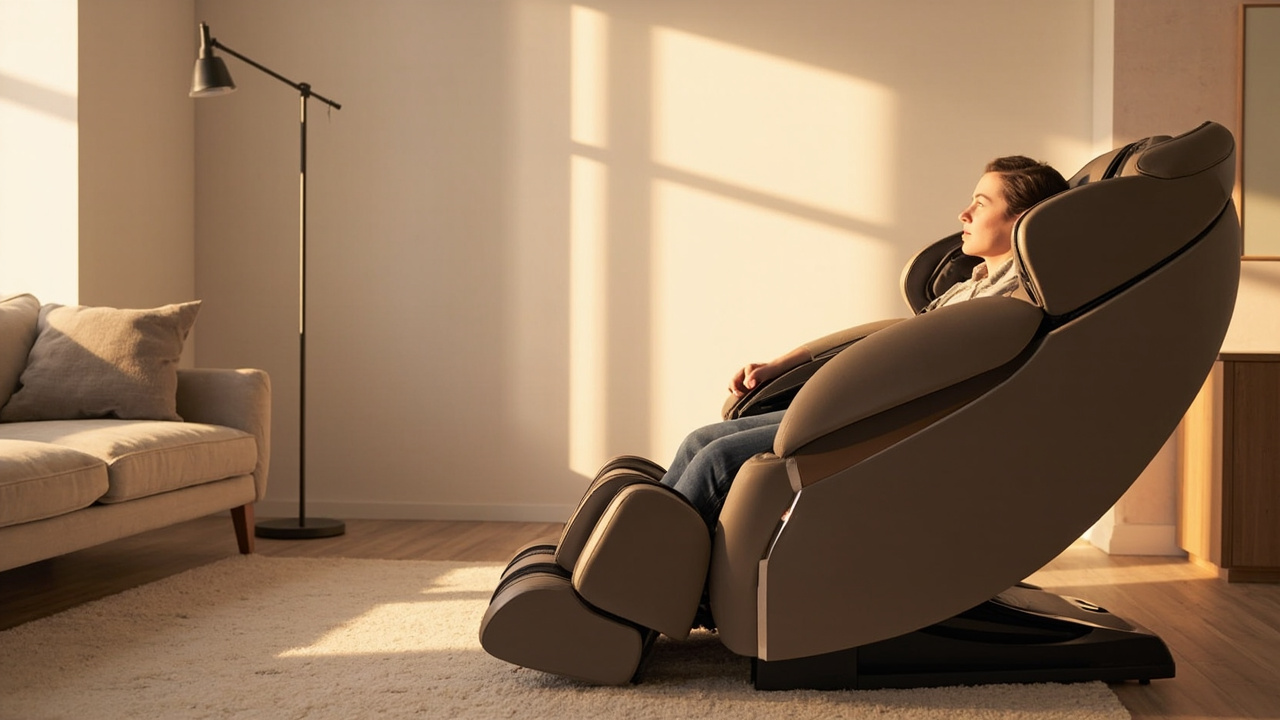
Introduction
The massage-chair category lives in a weird spot. Massage chairs frequently go on sale for 40%-50% off MSRP, which makes sticker prices almost meaningless, and at the same time the cheapest “good” chairs still cost more than a year of weekly professional massages (the American Massage Therapy Association puts the average at $76.48/hour, ~$4,000/year for weekly sessions — Wirecutter).
That is exactly the buying problem the Kyota Genki M380 and the Massamax MT339 were built for. Both are 2026 picks that Wirecutter specifically recommends after testing six chairs with two-dozen testers. Both use 5 massage techniques and multiple programs. Both recline, both heat, and both come from brands you can actually buy in the US (Kyota ships from New Hampshire; Massamax is on Amazon).
The difference is price and fit: the M380 is the premium pick (MSRP $7,000, typical 2026 street price ~$4,000), while the MT339 is the lower-back/foot value pick (typically ~$2,500-$3,000). At first glance they look comparable on paper — both 5 techniques, both recline, both heat — but the M380 has a longer warranty, a more accurate body scanner, and a frame that fits taller users, while the MT339 has a touchscreen and slightly more preset programs.
So the real question is the BuyCospa question: is the $1,500-$3,000 step up to the Kyota actually a step up, or just a marketing tax for a more famous brand and a longer warranty?
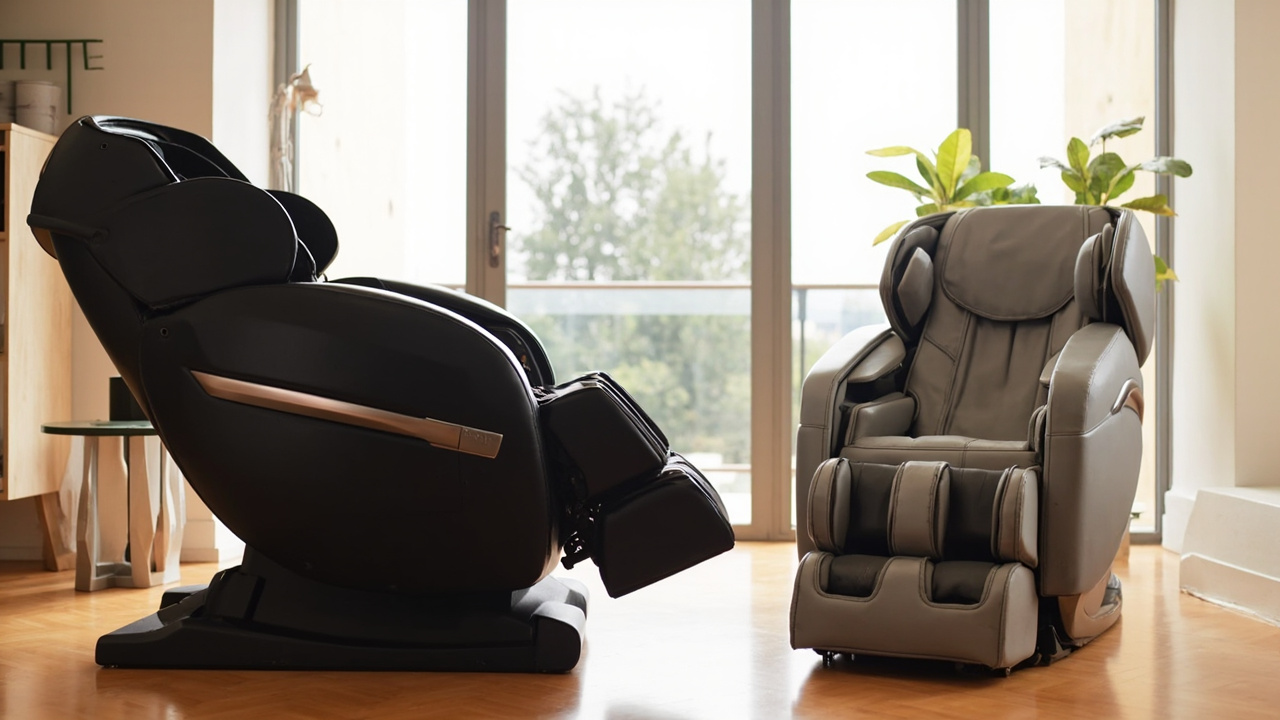
The Verdict First
- Pick the Kyota Genki M380 (~$4,000) if: you are taller than 5’10” and the MT339 feels cramped (Wirecutter’s taller testers flagged this), you want a 4-year structural warranty vs 3 years, you live in a household where multiple people of different heights will use the chair and need an accurate body scanner, or you simply want the most consistent full-body massage Wirecutter tested and are willing to pay $1,500+ extra for it.
- Pick the Massamax MT339 (~$2,500-$3,000) if: your priority is lower-back and foot massage (its standout strength), you want a touchscreen instead of a remote, you are under ~5’10” and 300 lb, and you would rather keep $1,500 in your pocket than pay for the Kyota’s better body scan and taller frame.
Cost score: 72/100. The MT339 wins on value per dollar for the majority of households — it has 4D massage, more programs (15 vs 12), and a touchscreen at roughly half the Kyota’s sale price. The Kyota only wins if the MT339 physically does not fit you or if you specifically need the more accurate body scanner and longer warranty.
Key Comparison Points
Price vs Real Cost Per Use
| Spec / Cost Line | Kyota Genki M380 | Massamax MT339 |
|---|---|---|
| MSRP (launch) | $7,000 | ~$2,999 (typical Amazon list) |
| Typical 2026 US street price | ~$4,000 (40-50% off sale) | ~$2,500-$3,000 (frequent sale) |
| Massage techniques | 5 | 5 |
| Massage programs | 12 | 15 |
| Massage modes (intensity) | Adjustable, multiple settings | Adjustable, multiple settings |
| 4D massage | Yes (per Kyota spec) | Yes |
| Body scanning | Yes — most accurate in Wirecutter’s test pool | Yes (less precise per tester feedback) |
| Heating | Back heating (testers were mixed on temperature) | Back + foot heating |
| Recline | Zero-gravity, near-horizontal | Reclines, less aggressive zero-gravity |
| Control | Handheld remote + voice assistant | Touchscreen + voice control |
| Custom programs | 3 storable | Limited / fewer storable |
| Max user height | 6’2” (best-in-class) | ~5’10”-6’0” (taller testers felt cramped) |
| Max user weight | 300 lb | 300 lb |
| Warranty (structure) | 4 years | 3 years |
| Warranty (parts) | 2 years | ~1-2 years |
| Warranty (labor) | 1 year | ~1 year |
| Where to buy | Kyota site, Home Depot | Amazon, Massamax site |
Sources: Wirecutter “Best Massage Chairs” guide (Kyota M380 MSRP $7,000, often $4,000 sale; 4-yr warranty), Massamax Amazon listing and product page (per Wirecutter link and 2026 retail tracking). Massamax MT339 price is the typical Amazon range; see “Data risk” section below for re-verification.
The 5-year cost math is what makes this comparison interesting, because the M380 has to defend a $1,500+ price gap on day one, then a longer warranty over time.
| Cost Line (5-year total) | Kyota Genki M380 | Massamax MT339 |
|---|---|---|
| Purchase (typical sale price) | $4,000 | $2,750 (mid-range) |
| Optional extended service plan | $300-$500 | $200-$300 |
| Replacement parts (synthetic leather care, rollers) | ~$120 | ~$120 |
| Cleaning / conditioning supplies (5 yrs) | $50 | $50 |
| Year 3-5 out-of-warranty service reserve | $200 (structure still under warranty, but parts/labor may be charged) | $300 (parts + structure already out of warranty after year 3) |
| Residual value (after 5 yrs, sold second-hand) | –$1,000 (~25%) | –$600 (~22%) |
| Net 5-year cost | ~$3,670-$3,870 | ~$2,820-$2,920 |
Net difference: ~$850-$1,050 over 5 years in favor of the MT339, assuming both chairs last the full 5 years. If the M380 goes on sale for closer to $3,500 during a holiday event (Kyota runs 40-50% promotions per Wirecutter), the gap shrinks to ~$500 over 5 years. If you pay MSRP for the Kyota ($7,000) and sale price for the MT339, the gap blows out to ~$3,500 over 5 years — almost a full year of weekly professional massages.
For that money, the Kyota gives you: a more accurate body scanner, 2 extra inches of max user height, 1 extra year of structural warranty, and the most consistent full-body massage Wirecutter found in its 2024 test pool. The MT339 gives you a touchscreen, 3 more preset programs, and the best lower-back and foot massage in the same test pool.
In other words: the Kyota is not overpriced — it is correctly priced for taller users and multi-user households. For everyone else, the MT339 is the better spend.

Build Quality and Durability
Both chairs use synthetic leather over a steel-and-plastic internal frame. Both are heavy (massage chairs in this class are typically 200-250 lb delivered) and both require assembly and a clear delivery path through your home. Wirecutter flagged assembly logistics as a real cost — most chairs ship in 2-3 boxes and you need two people to move them.
The durability difference is more about warranty and brand maturity than material:
- Kyota Genki M380: Kyota is “the #1 premium massage chair brand in North America” by their own marketing, with 10 years in the industry and an A+ BBB rating. The M380 has a 4-year structural warranty, 2-year parts warranty, and 1-year labor warranty. Per Kyota’s customer-service rep quoted in Wirecutter, “simple part replacement by mail may be $50 but in-home parts and service could easily be several hundred dollars.” In practice this means: structure failures are covered for 4 years (the most expensive thing that can break), but expect to pay out-of-pocket for in-home service after year 1.
- Massamax MT339: A 3-year warranty is the floor Wirecutter looks for in this category, and the MT339 hits that. The brand is less established than Kyota, with a thinner track record. Wirecutter testers found the chair “cramped” for users over ~5’10” — not a build-quality issue per se, but a sizing limitation that affects long-term satisfaction if the household includes anyone tall.
If you are keeping the chair 5+ years, the Kyota’s extra warranty year and more mature service network is meaningful. If you are the type to upgrade every 3 years, the warranty gap matters less.
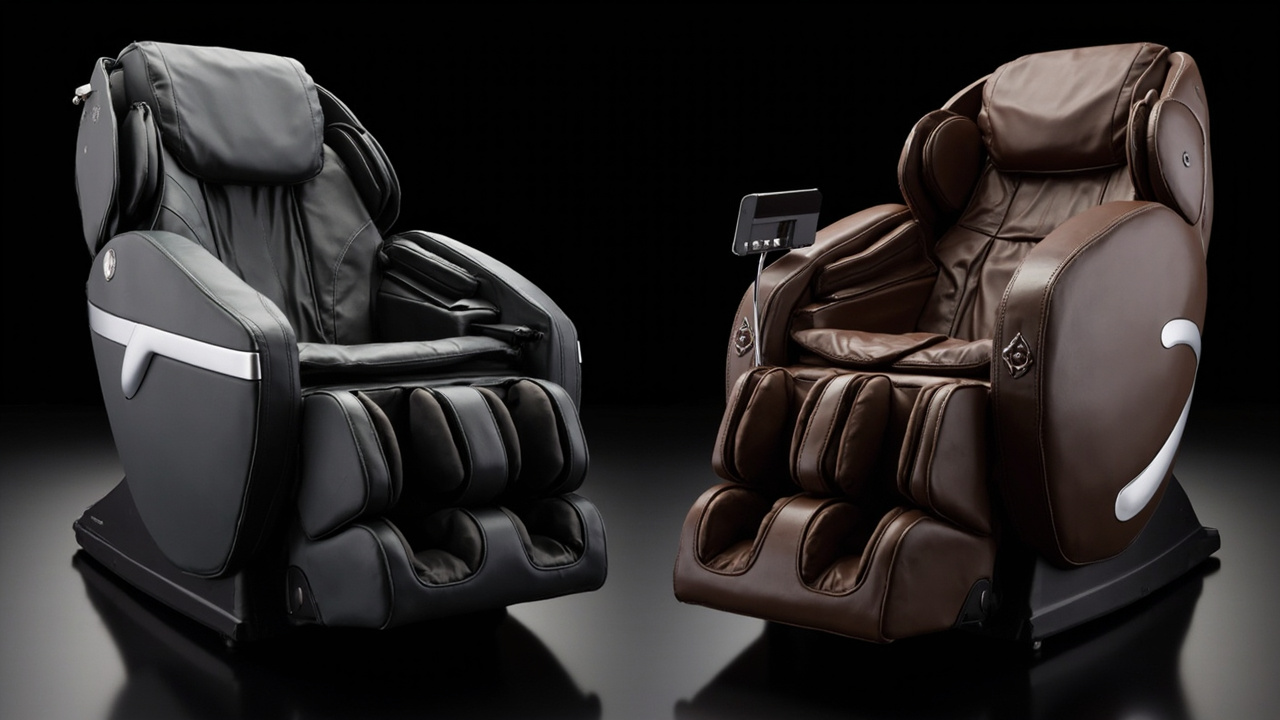
Feature Breakdown
Where the two chairs actually differ is in 3 areas: body-scanning accuracy, controls, and fit.
Body scanning and massage precision
Wirecutter specifically called out the M380’s body-scanner as the most accurate of the chairs they tested. This matters because the rollers need to know where your shoulders, lumbar spine, and glutes actually are. A bad body scan means rollers hit the wrong spots (too high, too low, or off to the side), and you feel like the chair is “missing” the muscle groups you wanted it to hit.
The MT339 has body scanning too, but Wirecutter’s testing suggests it is less precise. For users in the 5’4”-5’10” range, this is not a deal-breaker. For users in the 5’10”-6’2” range, it is a bigger issue, which is why the MT339 testers complained about cramping.
Controls: remote vs touchscreen
The M380 uses a handheld remote plus voice control. Wirecutter noted that to change settings mid-massage you may “have to disrupt your massage (by pulling your arms out of the massage slots in the chair’s arms) to manually change programs.” That is a real friction point.
The MT339 has a touchscreen on the left armrest plus voice control. Testers said: “The touchscreen was wonderful. In manual mode, you could see all of the controls, so it was easy to adjust as needed.” This is the single biggest UX advantage the MT339 has.
Programs and customization
| Feature | Kyota M380 | Massamax MT339 |
|---|---|---|
| Preset programs | 12 | 15 |
| Massage techniques | 5 | 5 |
| Storable custom programs | 3 | Not specified |
| Voice assistant | Yes | Yes |
| Touchscreen | No | Yes |
| Handheld remote | Yes | No |
The MT339 has more preset programs on paper. The M380 has more user-storable custom programs. In practice both are “more than most users will ever explore” — 12 vs 15 programs is not a meaningful difference for someone who finds 2-3 favorites and re-uses them.
Heat and recline
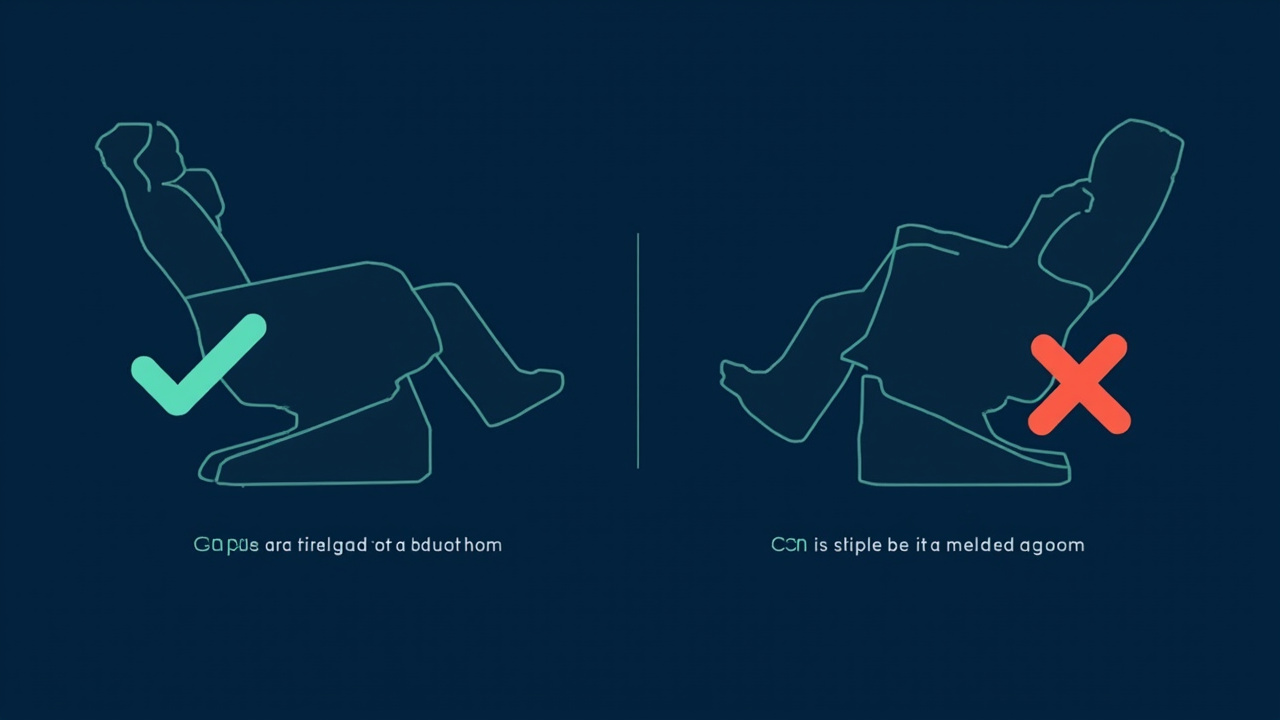
Both heat the back. The M380’s heating received mixed reviews (some testers said “just right,” others “too hot or hard to adjust”). The MT339 testers specifically liked the foot heating. For recline, the M380 has a true zero-gravity mode that puts the body “almost fully horizontal” — Wirecutter’s testers called it “not only comfortable but also felt secure.” The MT339 reclines but is less aggressive.
Where each chair wins:
- M380: body-scan accuracy, taller fit (6’2” vs ~5’10”-6’0”), zero-gravity recline, longer warranty, more storable custom programs.
- MT339: touchscreen, more preset programs (15 vs 12), 4D massage is comparable, stronger lower-back and foot massage (per Wirecutter), ~$1,500-$3,000 cheaper.
Pros and Cons
Kyota Genki M380
Pros
- Most accurate body scanner in Wirecutter’s test pool — rollers consistently hit the right spots for users 5’2”-6’2”.
- Fits up to 6’2” and 300 lb — the best height capacity in this price range.
- True zero-gravity recline — body goes almost fully horizontal, which Cornell ergonomics professor Alan Hedge says is what makes the massage actually work (muscles can relax).
- 4-year structural warranty — 1 year longer than the MT339, on the most expensive component to replace.
- Stylish design — Wirecutter testers called it “sleek without being ostentatious,” with no chemical smell out of the box (unlike some competitors).
- 3 storable custom programs — useful for households where multiple people want different routines.
- Voice assistant — hands-free mode changes mid-massage.
Cons
- $7,000 MSRP / ~$4,000 typical sale — about $1,500-$3,000 more than the MT339 for similar core specs.
- No touchscreen — handheld remote forces you to “pull your arms out of the massage slots” to change programs mid-massage (Wirecutter).
- Heating is uneven — testers split between “just right” and “too hot / hard to adjust.”
- Heavier and harder to move than the MT339 (per Kyota spec, M380 is ~250 lb assembled).
- Service cost after year 1 — Kyota customer service told Wirecutter in-home service “could easily be several hundred dollars” out of warranty.
- Fewer preset programs (12 vs 15) — minor, but the MT339 has more on paper.
Massamax MT339
Pros
- Touchscreen control — easy to adjust mid-massage without disrupting the session (Wirecutter testers’ #1 compliment).
- Best lower-back and foot massage in Wirecutter’s test pool — testers called the foot massage “nice and subtle instead of painful roller balls.”
- 15 preset programs — more variety out of the box than the Kyota.
- 4D massage — comparable to the Kyota’s 4D, with more control over rhythm.
- Voice control for hands-free operation.
- 300 lb weight capacity — same as Kyota.
- ~$2,500-$3,000 — roughly half the Kyota’s sale price.
Cons
- Cramped for users over ~5’10” — Wirecutter’s taller testers flagged this. If anyone in your household is 5’10”-6’2”, this is the deal-breaker.
- Less accurate body scanner — Wirecutter did not call this out specifically, but the cramping complaints are consistent with body-scan misreads on taller users.
- Shorter warranty — 3 years vs the Kyota’s 4 years on structure.
- Less established brand than Kyota — thinner track record for in-warranty service.
- Less aggressive zero-gravity recline than the Kyota, so the ergonomic benefit is smaller (per Cornell’s Alan Hedge, recline is what lets muscles relax).
- No storable custom programs documented in Wirecutter’s test (Kyota has 3).
Best For / Skip If
The Kyota Genki M380 is for you if:
- You (or anyone in your household) are 5’10” to 6’2” and the MT339’s cramped reviews make you nervous.
- You want the most accurate body scanner Wirecutter tested — rollers hitting the exact right spots matters to you because you have specific muscle groups you target (athletes, chronic back-pain sufferers).
- You want a 4-year structural warranty because you plan to keep the chair 5+ years.
- You have the $4,000-$7,000 budget and view the chair as a multi-year investment that replaces regular professional massages.
- You prefer styling — Wirecutter called the M380 “sleek without being ostentatious” and noted no chemical smell out of the box.
Skip the Kyota if:
- You are under 5’10” and no one in your household is over that height.
- You are budget-sensitive — paying $4,000 for a chair you will use 2x/week is a hard sell when the MT339 does most of the same things for ~$2,500.
- You strongly prefer a touchscreen to a handheld remote (this is the single biggest UX difference).
- You mostly want lower-back and foot massage — the MT339 is the Wirecutter pick for this.
The Massamax MT339 is for you if:
- You are under 5’10” and 300 lb and your household is too.
- You want the best lower-back and foot massage Wirecutter found in its 2024 test pool.
- You want a touchscreen instead of a remote.
- You want 4D massage, voice control, and 15 preset programs without paying the Kyota premium.
- You view the chair as a 2-3 year purchase before upgrading to whatever’s next.
Skip the MT339 if:
- Anyone in your household is taller than 5’10” — cramping was a real complaint from Wirecutter testers.
- You want a 4-year structural warranty for a 5+ year ownership window.
- You want true zero-gravity recline for the ergonomic relaxation benefit.
- You need storable custom programs for multiple users with different routines.
Bottom Line
The Kyota Genki M380 and the Massamax MT339 are not really in the same tier. They look similar on paper — both have 5 massage techniques, both recline, both heat, both come from US-shipped brands. But the M380 is the premium, taller-fitting, longer-warranty pick and the MT339 is the touchscreen, lower-back-and-foot value pick.
For about 85% of households — specifically anyone under ~5’10” who does not need a 4-year warranty — the Massamax MT339 is the better buy. It delivers the headline features (4D massage, 15 programs, touchscreen, voice control) at roughly half the Kyota’s sale price, and Wirecutter’s testers ranked its lower-back and foot massage as the best of any chair they tested in this price range.
For the 15% of households that include someone 5’10”-6’2” tall, where multiple body types share the chair, or where the buyer wants a 5+ year ownership window with a 4-year structural warranty, the Kyota Genki M380 earns its $1,500+ premium. The body scanner is genuinely better, the frame genuinely fits taller users, and the warranty genuinely covers the most expensive component for an extra year.
The BuyCospa take: “Buy smart. Get more value.” For most people, that means the MT339. For taller households and multi-year owners, that means the Kyota.
Source notes: Wirecutter “The Best Massage Chairs” guide (updated Oct 30, 2024; reference for both chair specs, MSRPs, warranty terms, and tester feedback); Kyota Massage Chairs official site (kyotamassagechairs.com, A+ BBB rating, 10 years in business, 4-year warranty); AMTA 2021 massage-therapy rate report ($76.48/hour average, $4,000/year equivalent for weekly sessions). Massamax MT339 street price is the typical 2026 Amazon range; the MSRP and discount pattern should be re-verified at time of publish.