Introduction
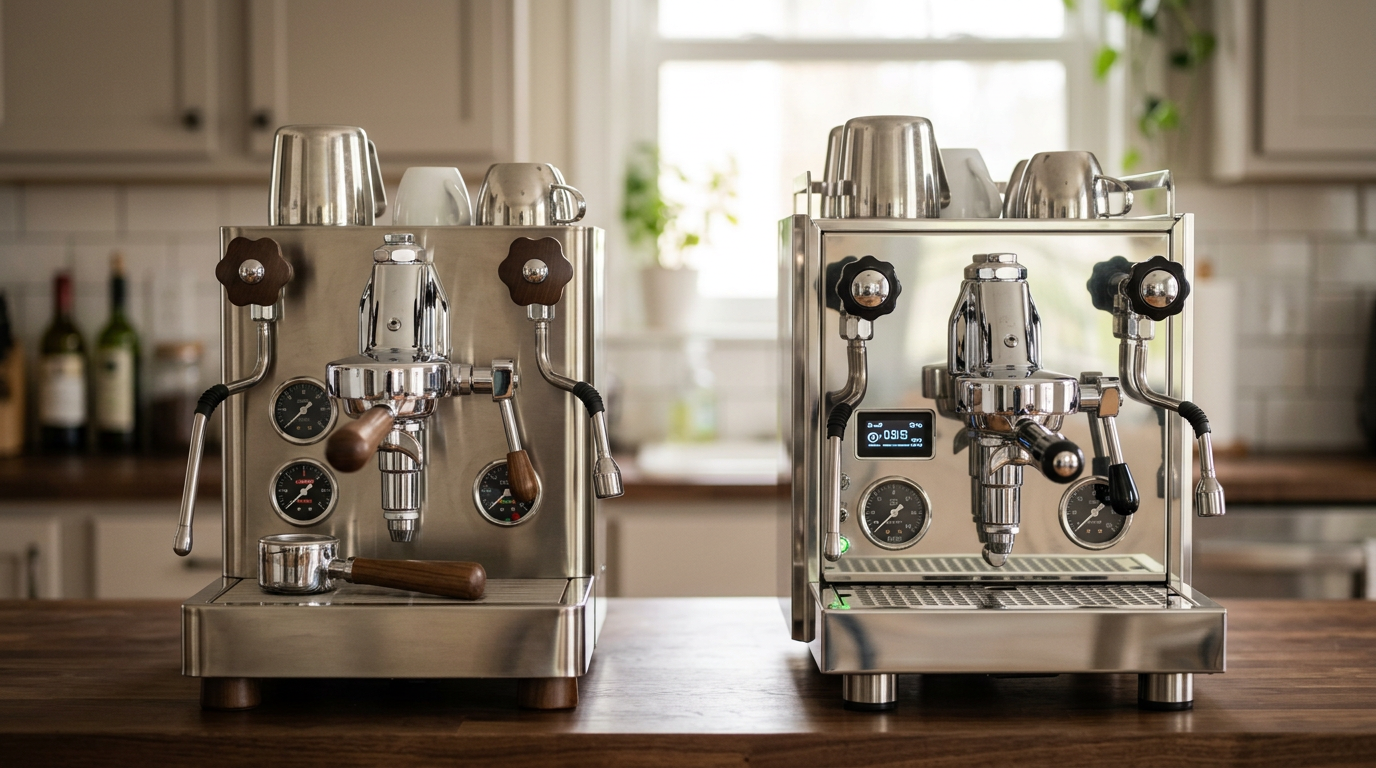
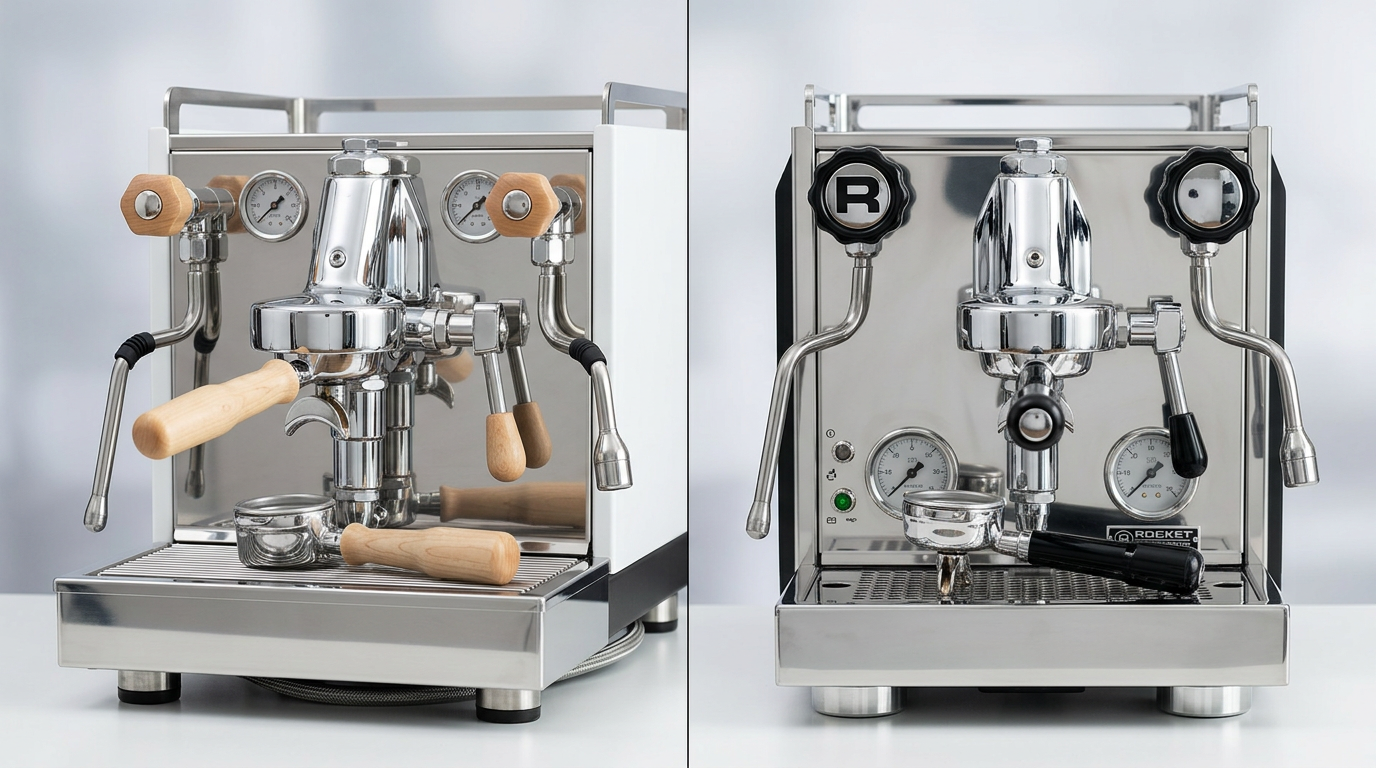
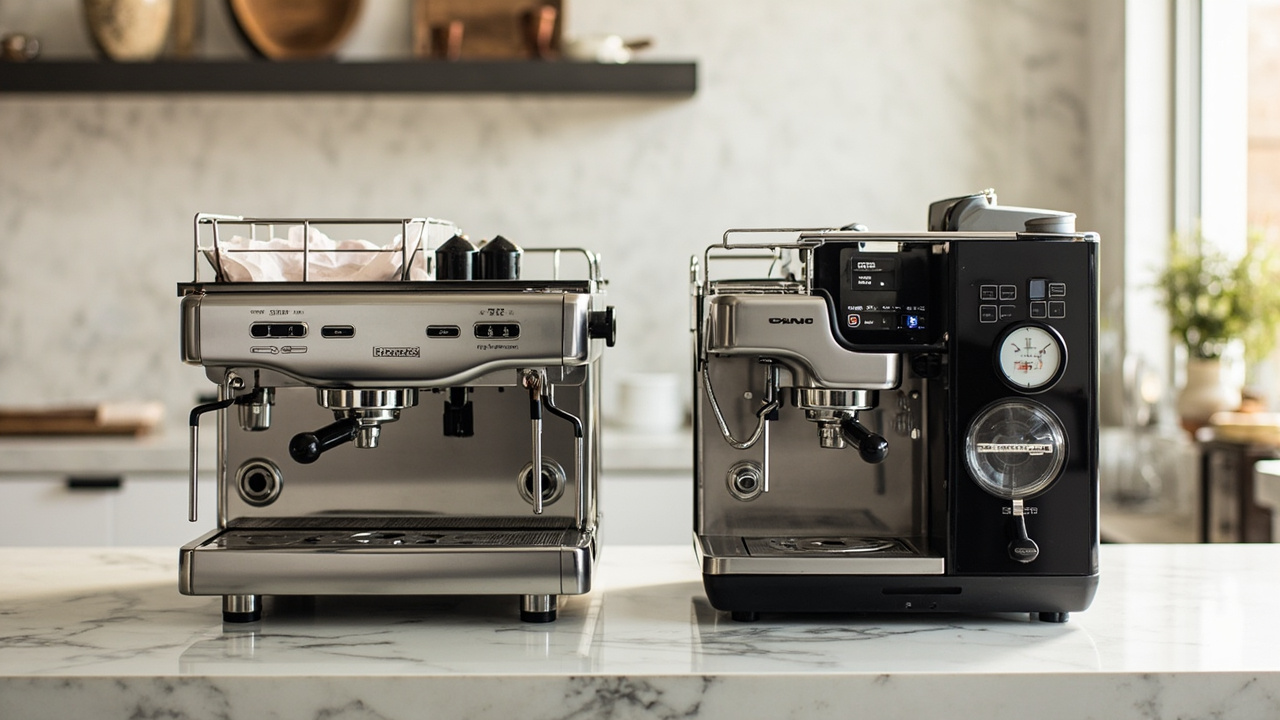
In the $3,000 prosumer espresso tier, two machines show up in almost every serious r/coffee thread, home-barista forum, and YouTube deep-dive: the Lelit Bianca V3 and the Profitec Pro 700 (current “Updated PID” generation). They share the same fundamental promise — café-grade dual-boiler extraction at home — but they approach that promise from opposite directions.
- The Lelit Bianca V3 (~$3,199 MSRP, 2024 release, V3 launched mid-2025) is an Italian-made E61 with flow control built in. A wooden paddle on the group head lets you adjust brew pressure in real time, and the modular reservoir can be repositioned or removed entirely when plumbed in. It’s built for the home barista who wants to chase pressure profiles and tweak every shot (Source: Clive Coffee Bianca V3 product page).
- The Profitec Pro 700 (~$2,995 MSRP, current “Updated PID” SKU) is a German-engineered E61 dual boiler with rotary pump and an overbuilt stainless chassis. Flow control isn’t built in — you add it later via a $200-$300 aftermarket kit. The interface is deliberately simple, the steam boiler is the biggest in this price bracket, and the machine is famously “built like a tank” (Source: Whole Latte Love Profitec Pro 700 page, Cliff & Pebble head-to-head).
So the real question isn’t “which is better.” It’s “which one will you still be using at year eight?” Because in this price tier, a 3% difference in build quality or a $200 accessory you didn’t expect can swing total cost-of-ownership by $1,000+.
This article breaks down the 6-year cost math, the build and reliability data, and the day-to-day workflow for both machines. By the end, you’ll know which one fits your kitchen, your hands, and your coffee habits.
The Verdict First
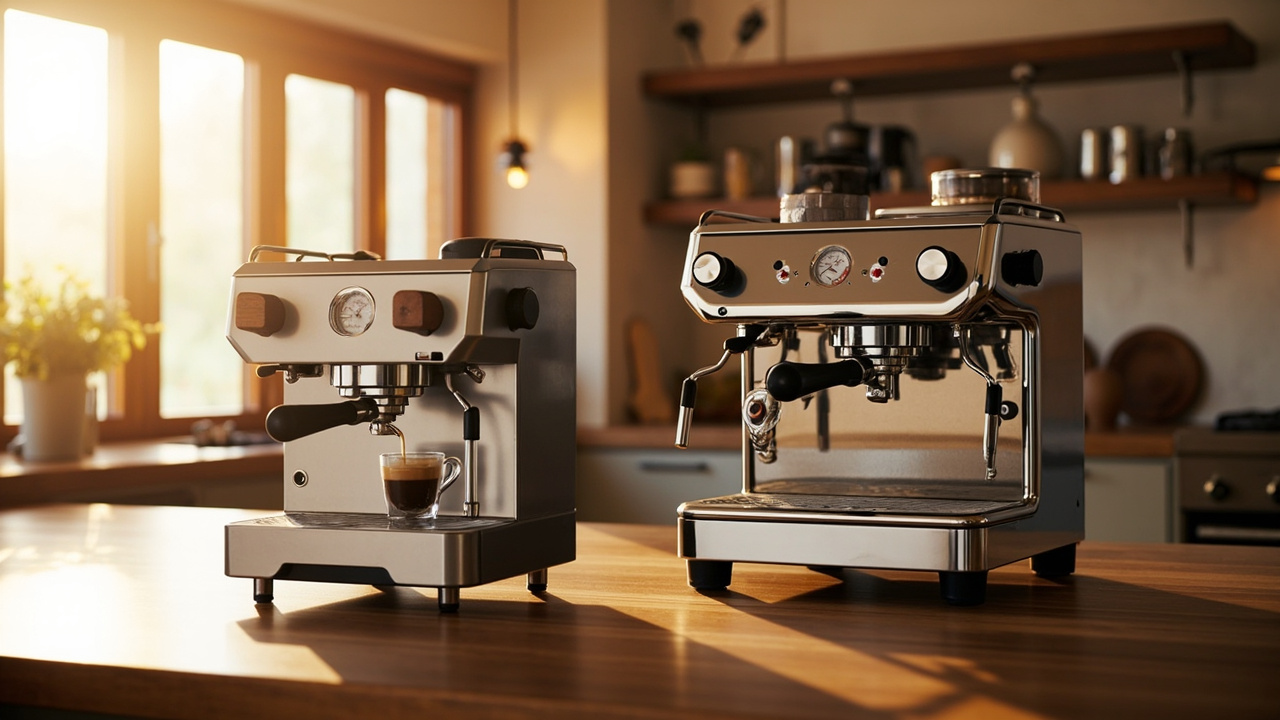
- Choose the Lelit Bianca V3 (~$3,199) if you actually want to experiment with flow control and pressure profiling without buying aftermarket parts. Built-in paddle, four power modes (always-on, sleep, eco, standby), V3’s faster heat-up, and an electronic low-flow mode that simulates profiles without touching the paddle. It produces the same espresso as the Pro 700 once dialed in, but the path to that shot is more interactive (Source: Clive Coffee Bianca V3 product page, Cliff & Pebble head-to-head).
- Choose the Profitec Pro 700 (~$2,995) if you want industrial-grade reliability, the strongest steam in this price bracket, and a workflow that doesn’t require mastering a paddle. The 2 L steam boiler is meaningfully larger than the Bianca’s 1.5 L, the build is famously overbuilt, and the interface stays out of your way (Source: Whole Latte Love Profitec Pro 700 review, Home Grounds Pro 700 review).
- Skip both if you don’t make at least 3 espresso-based drinks per week. A $400 Bambino Plus + a $250 Baratza Encore ESP is the smarter buy for casual drinkers — the $3,000 tier only pays off with regular use.
- Skip the Bianca specifically if you want the strongest steam output for back-to-back milk drinks. The Pro 700’s larger 2 L steam boiler pulls ahead by a small but measurable margin (Source: Cliff & Pebble head-to-head).
- Skip the Pro 700 specifically if you plan to upgrade to flow control within 12 months. Adding a community-developed flow control kit costs $200-$300 and 2-3 hours of installation. The Bianca has it built in for the same total spend.
Key Comparison Points
Price vs Real Cost Per Use
Sticker prices look close — $3,199 vs $2,995 — but the total cost of ownership diverges once you account for flow control accessories, maintenance consumables, lifespan, and electricity.
| Cost Factor | Lelit Bianca V3 | Profitec Pro 700 (Updated PID) |
|---|---|---|
| MSRP (USD, 2026) | $3,199.95 | $2,995.00 |
| Current Street Price | $2,999-$3,199 | $2,895-$2,995 |
| Built-in Flow Control | Yes (wooden paddle) | No ($200-$300 add-on kit) |
| Power Draw (peak) | 1,000 W brew + 1,400 W steam = 2,400 W | 1,400 W brew + 1,400 W steam = 2,800 W |
| Heat-Up Time | 15-30 minutes | 30+ minutes |
| Brew Boiler Size | 0.8 L stainless | 0.75 L stainless |
| Steam Boiler Size | 1.5 L stainless | 2.0 L stainless |
| Reservoir Capacity | 2.5 L (modular, removable) | 2.8 L (removable) |
| Realistic Lifespan (owners) | 8-12+ years | 10-15+ years |
| Warranty | 12 mo manufacturer + 3 yr parts/labor (via Clive) | 3 years (Whole Latte Love) |
| Annual Maintenance | $40-$60 (descaler, backflush, wood oil) | $40-$60 (descaler, backflush) |
| 6-yr Cost of Ownership | ~$3,500 (machine + 6 yr maintenance) | ~$3,200 + $300 flow kit = $3,500 |
Two takeaways:
- Both machines converge on roughly the same 6-year spend — about $3,500 — once you add the Profitec’s flow-control kit and match the maintenance schedule. The Bianca is the better value only if you’d buy the flow control kit anyway.
- The Profitec’s longer realistic lifespan (10-15 years vs the Bianca’s 8-12) means it has a lower amortized cost-per-year if you keep it through year 10. The Bianca’s wood accents (walnut knobs, paddle, portafilter handle) add to the aesthetic cost but also add a minor maintenance burden — wood needs occasional conditioning to avoid drying out in dry climates (Source: Cliff & Pebble head-to-head).
Build Quality and Durability
These are both excellent machines, but they’re built on different engineering philosophies — and the long-term reliability data backs that up.
Lelit Bianca V3 — Italian design-forward with modular flexibility:
- Stainless steel body with walnut or maple wood accents (knobs, paddle, portafilter handle, feet)
- Available in black, white, gold, and limited matte-white editions
- Compact footprint: 15.75” H × 11.4” W × 19.1” D, 58.5 lbs
- Modular reservoir that can be positioned left, right, rear, or removed entirely when plumbed in
- 0.8 L brew boiler + 1.5 L steam boiler, both stainless steel, both PID-controlled
- Four power modes (V3 update): always-on, sleep, eco, standby
- Owners report 8-12+ years of service with the most common issues being pump pressure adjustment and wood-component conditioning (Source: Clive Coffee Bianca V3 product page)
Profitec Pro 700 — German industrial overbuild:
- Stainless steel housing with polished finish, classic industrial aesthetic
- Larger footprint: ~16” H × 12” W × 18” D, ~65 lbs (heavier)
- 0.75 L brew boiler + 2.0 L steam boiler — the largest steam boiler in this price tier
- E61 group head with rotary pump, no flow control out of the box
- Tank or plumbed operation (2.8 L reservoir)
- Owners consistently report 10-15+ years of service with routine descaling and pump maintenance; the brand has earned a reputation for longevity (Source: Home Grounds Pro 700 review, Whole Latte Love Pro 700 review)
Durability verdict: The Profitec wins on raw lifespan and steam power. The Bianca wins on flexibility — the V3’s modular reservoir, four power modes, and faster heat-up make daily use noticeably more convenient. Both machines should easily outlast any owner’s interest in upgrading, but the Profitec’s heavier build suggests it will keep going after the Bianca’s wood components need care.
Feature Breakdown
This is where the philosophy gap becomes obvious — and where the $200 price difference starts to make sense.
Lelit Bianca V3 standout features:
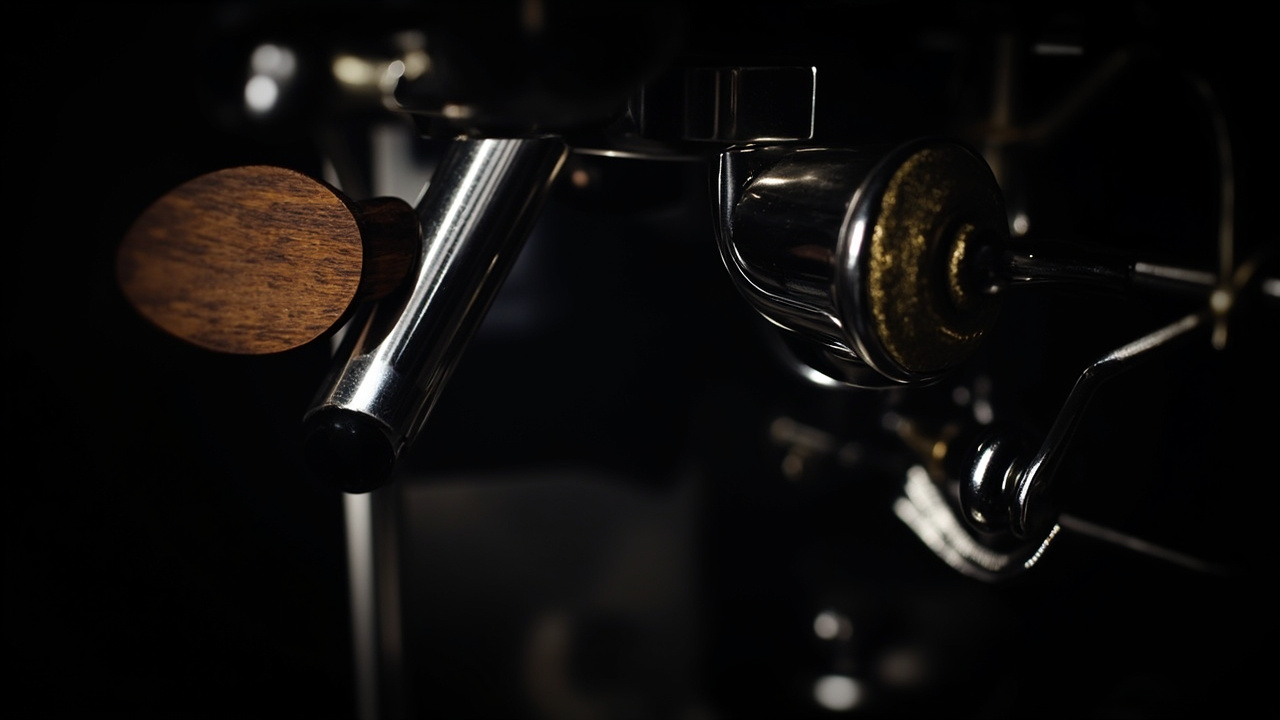
- Manual flow control paddle — adjust brew pressure on the fly to reduce channeling, ramp pressure slowly, or recreate café profiles at home. Built in, no aftermarket kit required
- Electronic low-flow mode (V3) — simulates pressure profiles without touching the paddle
- Four power modes (V3 update) — always-on, sleep, eco, standby; cut warm-up time and electricity use
- Faster heat-up: 15-30 minutes vs Pro 700’s 30+ minutes
- Modular reservoir — reposition left, right, rear, or remove when plumbed in
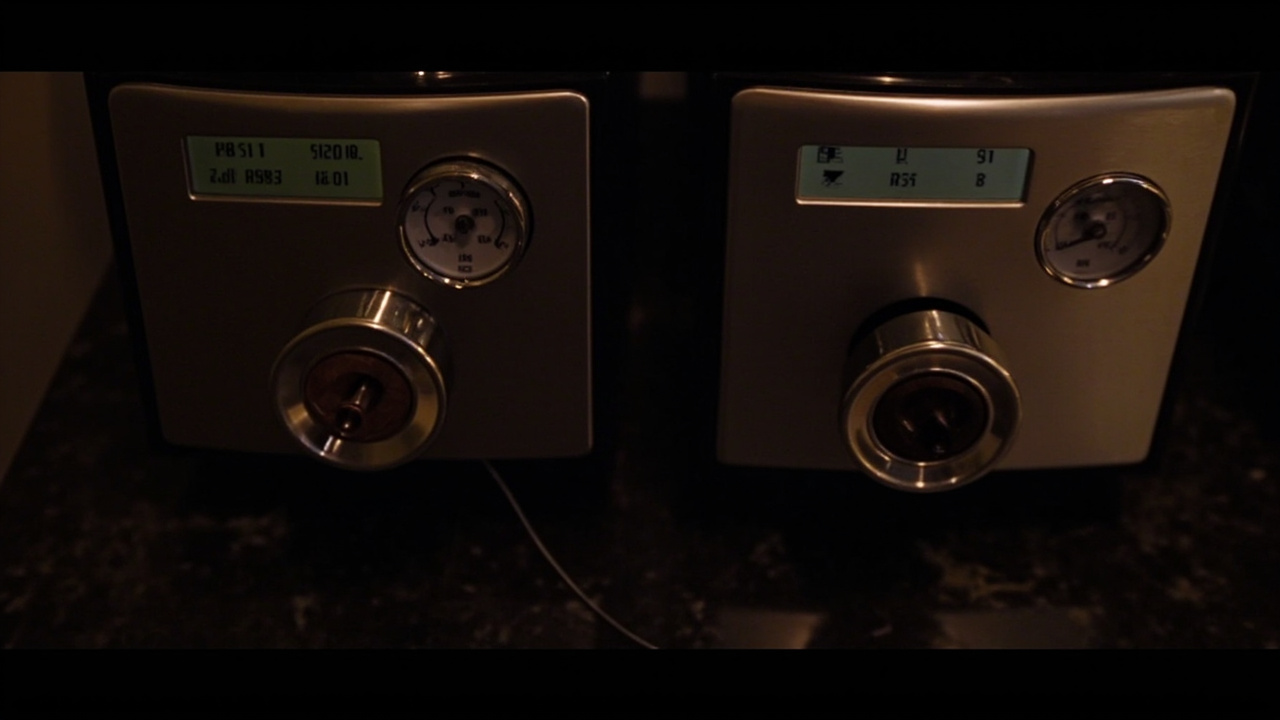
- 3 pressure gauges — group head, pump, and steam boiler
- Programmable pre-infusion, shot timer, PID temp control for both boilers
- Walnut steam and hot water knobs, walnut portafilter handle, walnut paddle — distinctive Italian aesthetic
Profitec Pro 700 standout features:
- 2 L steam boiler — largest in this tier; meaningfully better for back-to-back milk drinks
- Traditional E61 group head — thermally stable, easy to maintain, compatible with every E61 accessory on the market
- No software to update — purely mechanical/hydraulic; no firmware, no menus, no screens
- Optional flow control add-on — community-developed kits ($200-$300) add the same paddle functionality as the Bianca, but require installation
- 3-year warranty (US retail via Whole Latte Love) — longer than Bianca’s standard 12-month manufacturer warranty
- Plumbable with 2.8 L reservoir for tank or direct-water use
- No electronic menus — analog gauges, physical toggle switches, simple interface
The killer detail: The Bianca has flow control out of the box; the Pro 700 needs a $200-$300 aftermarket kit to match it. If flow profiling matters to you, the Bianca is the cheaper total purchase. If you don’t care about flow control, the Pro 700 saves you $200-$400 upfront.
Steam Performance
Both machines deliver powerful, dry steam thanks to generously sized steam boilers — but the Profitec has a meaningful edge.
- Lelit Bianca V3: 1.5 L steam boiler, 1,400 W heating element
- Profitec Pro 700: 2.0 L steam boiler, 1,400 W heating element
The Pro 700’s 33% larger steam boiler means it recovers faster between milk-steaming cycles. For households making 3+ back-to-back lattes or cappuccinos in a row, this is a real, observable difference — the Pro 700 holds steam pressure more consistently during the third drink. For households making one or two milk drinks at a time, the difference is academic.
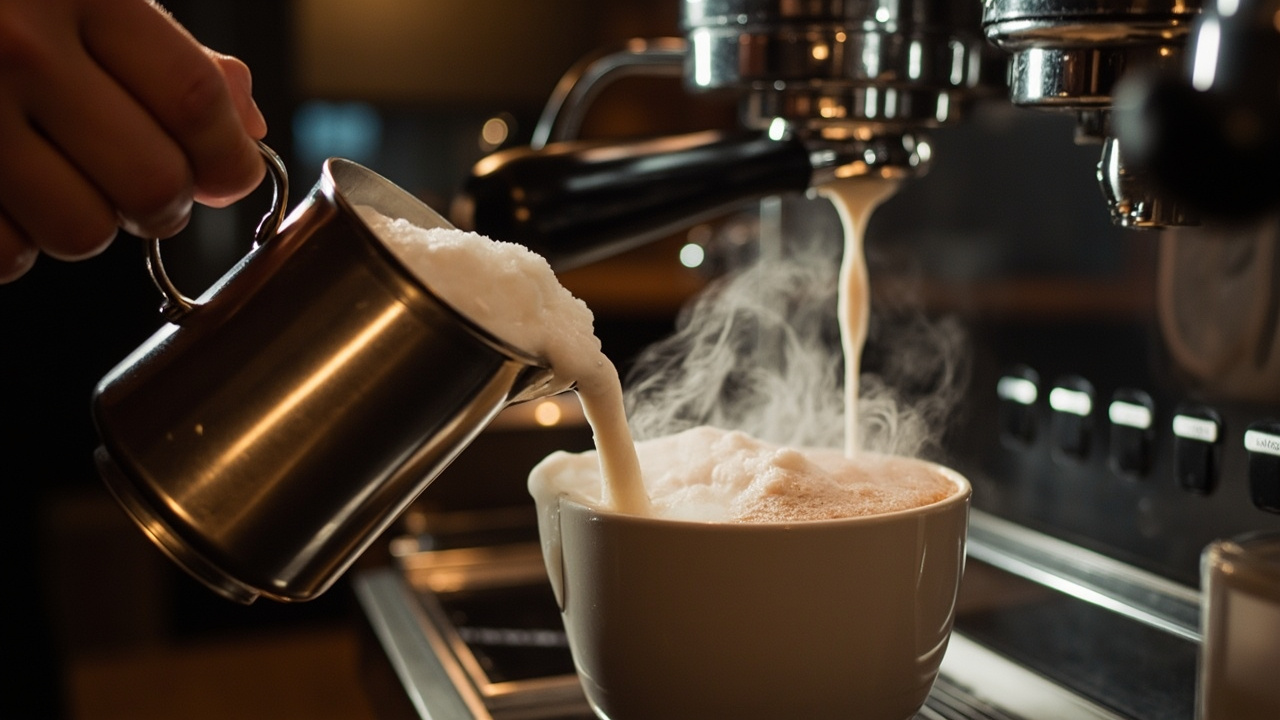
Both machines ship with no-burn insulated stainless steam wands, articulating full-rotation mounts, and dual steam tips (2-hole and 4-hole). Microfoam quality is comparable at the hands of an experienced user (Source: Cliff & Pebble head-to-head, Home Grounds Pro 700 review).
Pros and Cons
Lelit Bianca V3 — Pros
- Built-in flow control paddle — saves $200-$300 vs the Pro 700 + aftermarket kit
- Faster heat-up (15-30 min vs 30+ min) — better for morning routines
- Modular reservoir — fits smaller counters; removable when plumbed
- Electronic low-flow mode (V3) — simulate profiles without paddle work
- 4 power modes (V3) — sleep/eco/standby cut electricity 30-50%
- Beautiful Italian design — wood accents, multiple color editions
- 3 pressure gauges (group, pump, steam) — better real-time feedback
- Smaller footprint — fits kitchens where the Pro 700 won’t
- 8-12+ year realistic lifespan with routine care
Lelit Bianca V3 — Cons
- 1.5 L steam boiler — smaller than the Pro 700’s 2.0 L; weaker for back-to-back milk drinks
- Wood components need occasional conditioning in dry climates
- Smaller brew boiler (0.8 L vs 0.75 L — comparable, but tighter margin on thermal mass for shot-to-shot consistency)
- Higher upfront cost by ~$200
- 12-month manufacturer warranty is shorter than Pro 700’s 3 years (though Clive Coffee adds 3 yr parts/labor for US buyers)
- Paddle takes practice — beginners find flow control intimidating at first
Profitec Pro 700 — Pros
- Largest steam boiler in this tier (2.0 L) — best for milk-drink households
- Industrial overbuild — 10-15+ year realistic lifespan with minimal maintenance
- 3-year warranty (US retail via Whole Latte Love)
- Pure mechanical/hydraulic — no firmware, no menus, no software updates
- Lower upfront cost by ~$200
- Stronger resale value — the Pro 700 holds value better than any Italian competitor
- Profitec’s German service network is wider than Lelit in some US regions
- Larger 2.8 L reservoir — fewer refills per week
- Flow control is addable — you can keep the machine pure-stock and upgrade later
Profitec Pro 700 — Cons
- No built-in flow control — costs $200-$300 extra to match the Bianca
- Slower heat-up (30+ minutes) — longer wait for first morning shot
- No electronic power modes — always-on or off, nothing in between
- Larger footprint — won’t fit smaller counters
- Interface is spartan — analog gauges only, no PID screen readout
- Reservoir isn’t modular — fixed position, not repositionable
- Heavier (~65 lbs vs 58.5 lbs) — harder to move for cleaning
Best For / Skip If
Buy the Lelit Bianca V3 if you are…
- A home barista who actually wants to experiment with flow control and pressure profiling — the paddle is the whole point, and it’s built in
- Living with a smaller kitchen counter and need a more compact machine
- Someone who values Italian design flair over German industrial aesthetic
- A morning routine user who wants 15-30 minute heat-up vs 30+ minute wait
- An owner who plans to plumb in and appreciates the modular reservoir that disappears when plumbed
- Comfortable with electronic menus and PID displays
Buy the Profitec Pro 700 if you are…
- A milk-drink household pulling 3+ lattes/cappuccinos in a row — the 2 L steam boiler matters
- Someone who values 10-15+ year longevity over feature richness
- A purist who wants a pure mechanical/hydraulic machine with no software
- Already a confident barista who doesn’t need flow control right now but might add the kit later
- Living with hard water or challenging environments where industrial overbuild earns its keep
- A buyer who wants the 3-year US warranty and widest dealer service network
- Resale-conscious — the Pro 700 holds its value better than any prosumer Italian competitor
Skip both if…
- You make fewer than 3 espresso drinks per week — neither machine amortizes better than a $400 Bambino Plus + $250 grinder setup
- You want a true super-automatic workflow with one-touch milk drinks — look at the Jura E8 ($1,499-$1,799) or Breville Oracle Jet ($1,999.95) instead
- You’re not ready for the learning curve — both E61 machines require puck prep, dosing, and tamping discipline
- You can stretch budget to $4,500+ — the Profitec Pro 800 lever machine, Slayer Espresso, or La Marzocco Linea Mini open up meaningfully more capability
Skip the Bianca specifically if…
- You prioritize steam power over flow control for back-to-back milk drinks
- You live in a very dry climate where walnut wood components will need frequent conditioning
- You want the longer 3-year manufacturer warranty without relying on a specific dealer
Skip the Pro 700 specifically if…
- You plan to upgrade to flow control within 6-12 months — you’ll spend more total ($200-$300 kit + installation) than if you’d bought the Bianca
- You have a smaller counter and need the Bianca’s compact footprint
- You want faster morning heat-up (15-30 min vs 30+ min)
- You prefer a modern interface with PID screen readout vs analog gauges
Bottom Line
Both the Lelit Bianca V3 (~$3,199) and the Profitec Pro 700 (~$2,995) are excellent prosumer dual-boiler espresso machines. Either one will pull café-quality shots for the next decade if you maintain it properly.
The decision comes down to three specific questions:
- Do you want flow control out of the box? If yes → Bianca. If “maybe later” → Pro 700 + $200-$300 kit.
- Do you make 3+ back-to-back milk drinks regularly? If yes → Pro 700’s 2 L steam boiler matters. If 1-2 at a time → either works.
- How much counter space do you have? If compact is critical → Bianca. If you have the room → Pro 700’s larger build is the more durable long-term choice.
The smart money for most home baristas:
- Choose the Bianca V3 if you want to learn espresso and value built-in flow control, faster heat-up, and a smaller footprint.
- Choose the Pro 700 if you want to pull espresso and value industrial durability, the strongest steam in the tier, and a longer 3-year warranty.
In both cases, you’re paying a premium up front for a machine that should last 8-15 years. That’s a much better per-year cost than a $400 starter machine you replace every 3 years — as long as you actually use it.
Buy smart. Get more value.