Introduction
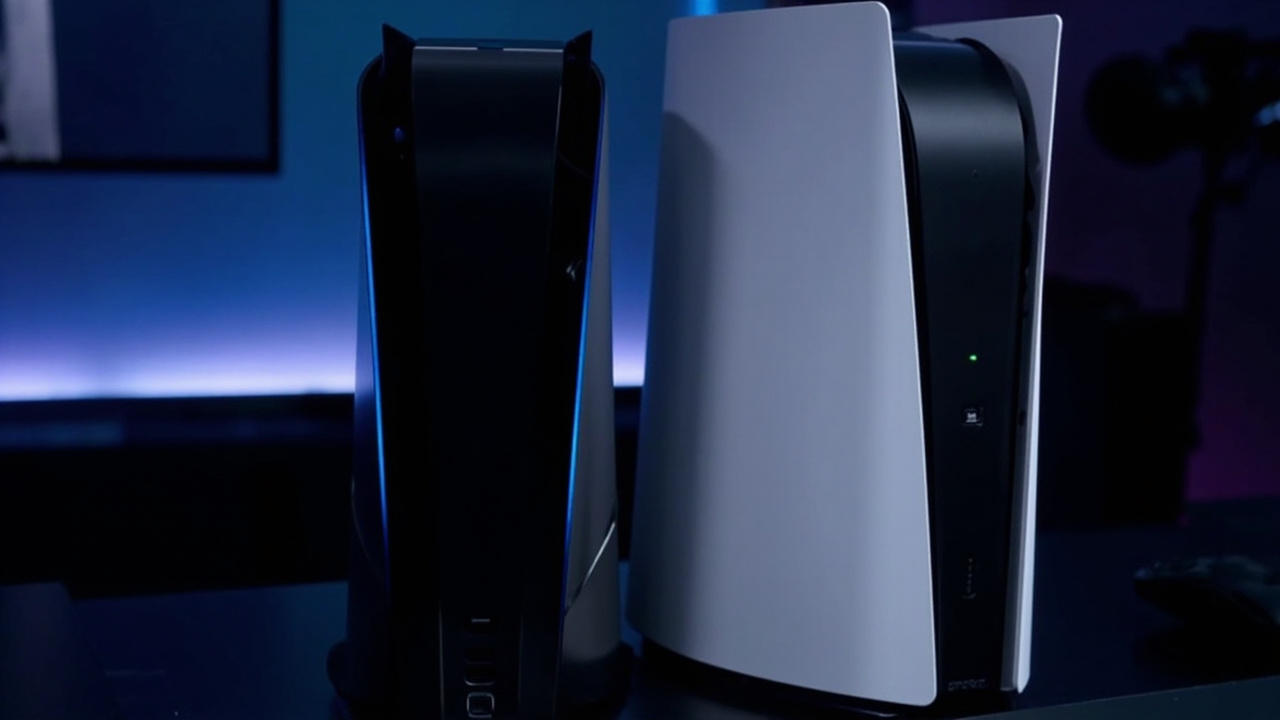
There is a quiet war happening in 2026 that almost no one is talking about: the $650+ premium console tier is now a two-horse race, and the $499 mid-tier is collapsing underneath it.
Sony launched the PS5 Pro on November 7, 2024 at $699 — the most expensive PlayStation ever sold at launch (Wikipedia, PlayStation 5). Microsoft matched that move in October 2025 by raising the Xbox Series X to $649.99, up from its 2020 launch price of $499.99 (Wikipedia, Xbox Series X and Series S). The base PS5 Slim Disc is still $499 and the Xbox Series S is $399, but those are now clearly the budget options.
If you are spending over $600 on a console in 2026, your real choice is between two very different value propositions: a hardware-focused flagship (PS5 Pro) and a service-focused ecosystem (Xbox Series X + Game Pass Ultimate).
The Verdict First
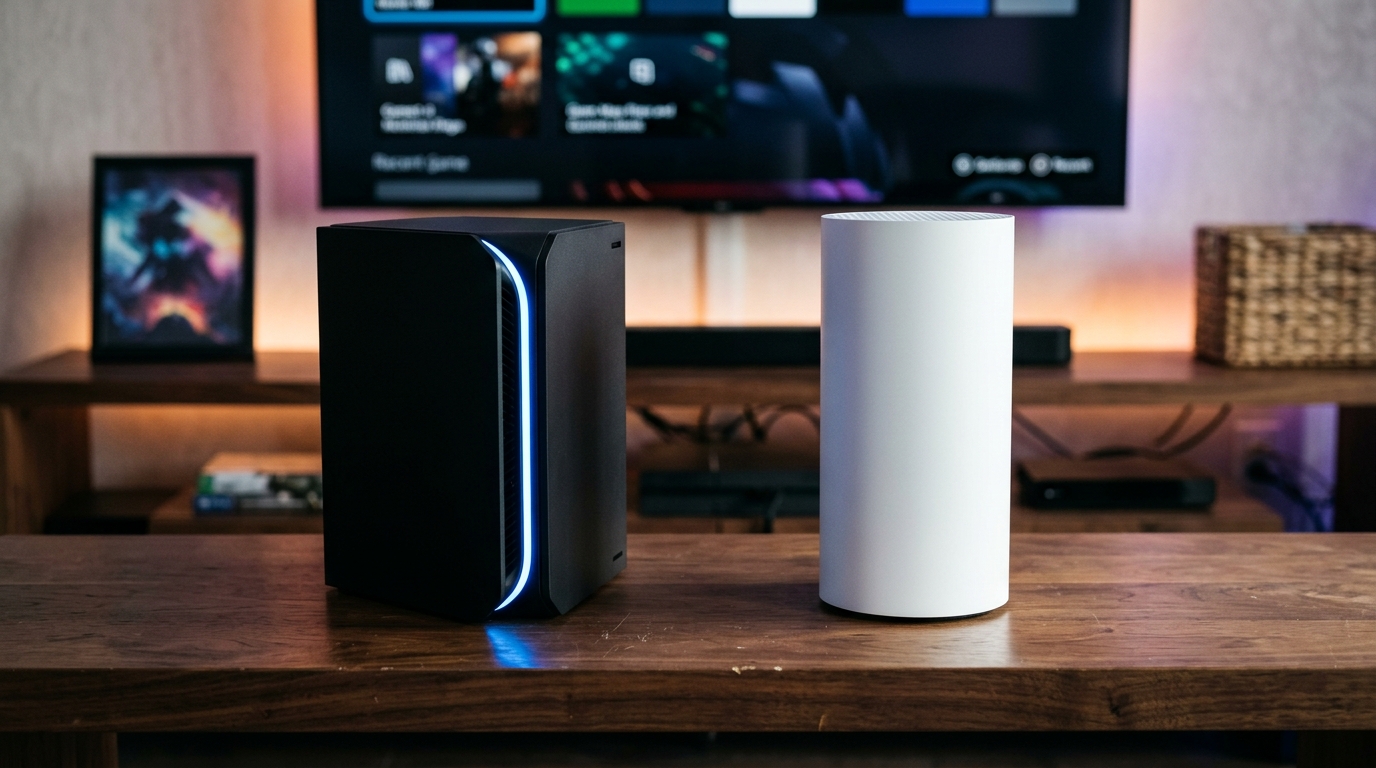
- Pick the PS5 Pro ($699) if you want the most powerful 9th-gen hardware, the strongest single-player exclusive pipeline (Marvel’s Spider-Man 2, Horizon, God of War, Final Fantasy XVI), the largest install base to play with online (93 million PS5s sold as of March 30, 2026 per Wikipedia), and you buy most of your games à la carte. Trade-off: PS Plus Premium is required for online multiplayer and runs about $17.99/month in the US.
- Pick the Xbox Series X ($649.99) if you play a wide variety of games rather than a deep library of one genre, you value day-one first-party access (all Xbox Game Studios, Bethesda, and Activision Blizzard titles land on Game Pass at launch), and you want cloud gaming on phones, smart TVs, and Steam Deck. The $649.99 console + Game Pass Ultimate at $22.99/month is the real “all-in” price (Wikipedia, Xbox Game Pass).
Cost score (overall value): 82/100. At 5-year ownership, the PS5 Pro is roughly $100-$280 cheaper for a “buy games, play forever” gamer. The Xbox Series X is the better deal if you would otherwise buy 8+ new full-price games per year, because Game Pass Ultimate’s library makes most of those purchases unnecessary.
Key Comparison Points
Price vs Real Cost Per Use
Sticker prices are deceiving here. The real question is: what does each console cost you over 5 years, including online subscription, average game spend, and resale value?
| Item | PS5 Pro | Xbox Series X |
|---|---|---|
| Console price | $699 (Wikipedia) | $649.99 (Wikipedia, as of Oct 2025) |
| Online subscription (annual) | PS Plus Premium $215.88/yr (US list) | Game Pass Ultimate $275.88/yr (Wikipedia) |
| Avg full-price game (2026) | $69.99-$79.99 | $69.99-$79.99 (or included in Game Pass) |
| 5-yr subscription total | ~$1,079 | ~$1,379 |
| 5-yr cost @ 6 full games bought/yr | $699 + $1,079 + $2,100 = $3,878 | $649.99 + $1,379 + $0 (if all in GP) = $2,029 |
| 5-yr cost @ 3 full games bought/yr | $699 + $1,079 + $1,050 = $2,828 | $649.99 + $1,379 + $0 (if all in GP) = $2,029 |
| Resale after 5 yrs (estimate) | $175-$245 (~30% retention) | $130-$195 (~25% retention, less demand) |
| Net 5-yr cost (heavy gamer, 6+ games/yr) | ~$3,633 | ~$1,834 |
| Net 5-yr cost (moderate gamer, 3 games/yr) | ~$2,583 | ~$1,834 |
Reading the table: If you are a “buy the games I want and keep them forever” gamer, the PS5 Pro is competitive because Game Pass money is still real money even if you don’t spend it. If you are a “play a lot of different games but rarely replay” gamer, the Xbox Series X is the better deal — the Game Pass library is the real product, and the $50 console savings is the cherry on top.
Sony’s PS Plus Premium tier is required for online multiplayer, cloud streaming, and the catalog of older PS1/PS2/PSP games. Microsoft’s online multiplayer is bundled into Game Pass Ultimate. So the price gap on the subscription line is actually only ~$25/year in real terms, not the $60 the headline price suggests.

Build Quality and Durability
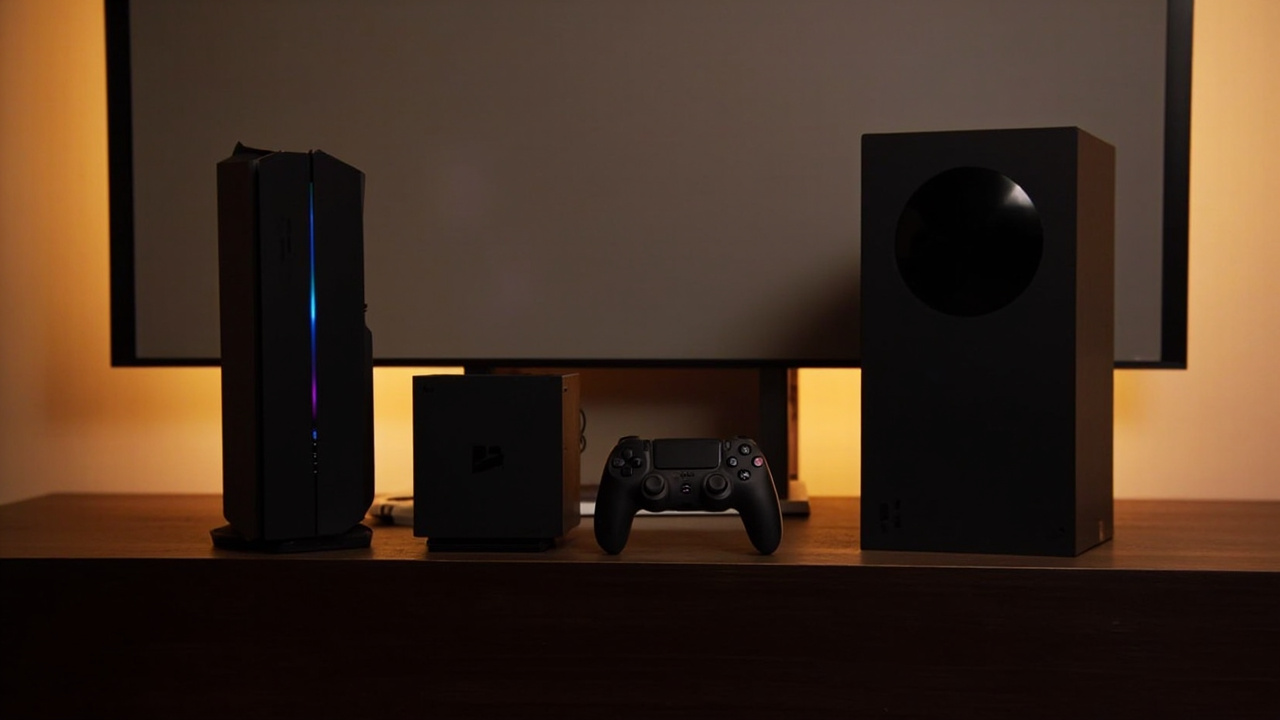
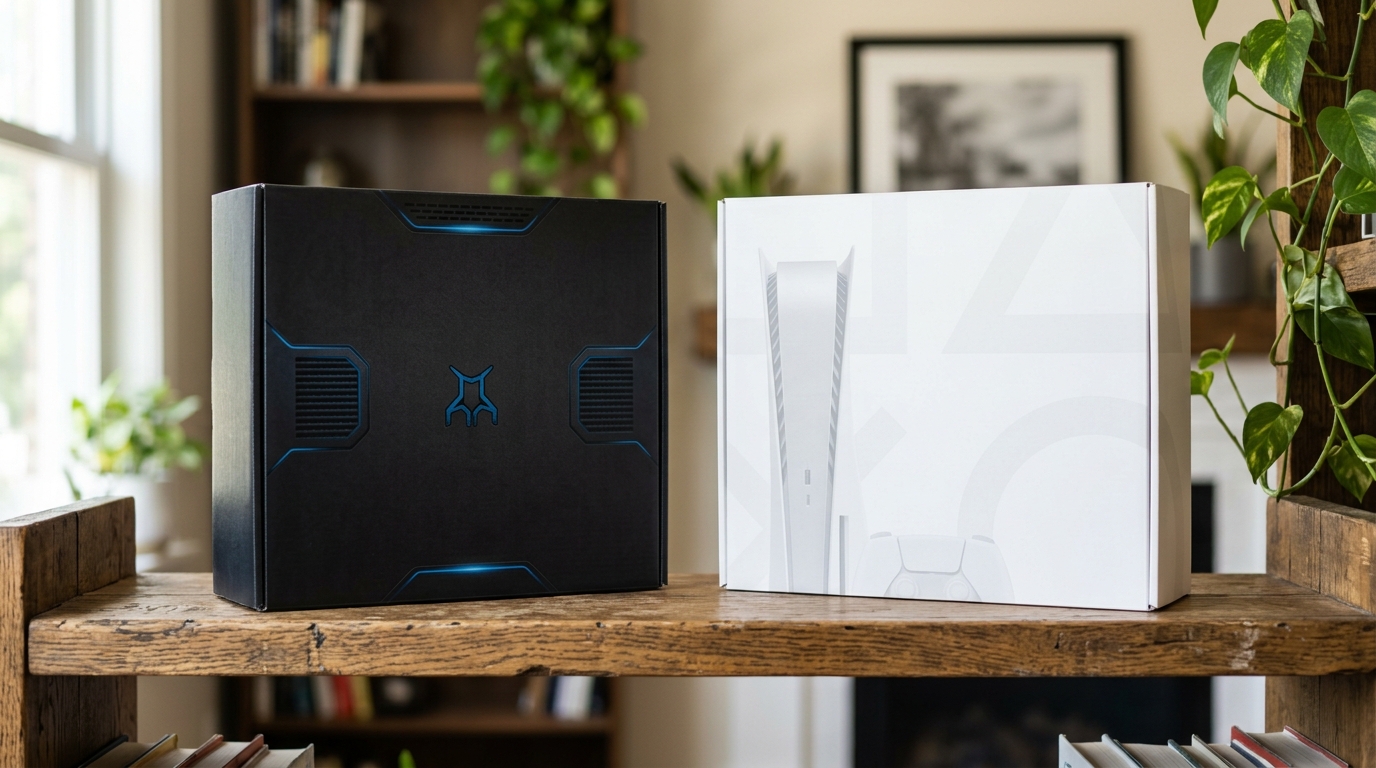
Both consoles are full-size towers built for a TV stand. The differences are in cooling, storage, and longevity.
| Spec | PS5 Pro | Xbox Series X |
|---|---|---|
| Dimensions | 388 × 216 × 89 mm (15.3 × 8.5 × 3.5 in) | 301 × 151 × 151 mm (11.9 × 5.9 × 5.9 in) |
| Weight | 3.1 kg (6.8 lb) | 4.45 kg (9.8 lb) |
| Storage | 2 TB custom PCIe 4.0 NVMe SSD | 1 TB standard / 2 TB Galaxy Black SE |
| Wi-Fi | Wi-Fi 7 | Wi-Fi 5 (Ethernet more common for XSX) |
| HDMI | HDMI 2.1 | HDMI 2.1 |
| Optical drive | Yes (Ultra HD Blu-ray) | Yes (Ultra HD Blu-ray) |
| VR support | PlayStation VR2 (separate $549 purchase) | None first-party |
The PS5 Pro is larger in width but 1.35 kg lighter than the Xbox Series X, which is unusual. The bigger mass on the Xbox is mostly a larger vapor-chamber heatsink and power supply — Microsoft prioritized silent operation, and in side-by-side reviews the Series X is generally quieter under load.
The PS5 Pro’s Wi-Fi 7 is a real upgrade if you have a Wi-Fi 7 router. The Xbox Series X is still on Wi-Fi 5 (Wi-Fi 6E is available on the 2 TB Galaxy Black SE), so anyone on a modern mesh network will get faster downloads on the PS5 Pro.
Both have optical drives, which matters in 2026: physical games often sell for 30-50% off within a year of launch, and the used-game market still works for both platforms. No digital-only future here — both consoles respect the disc.
Feature Breakdown
CPU and GPU Power
- PS5 Pro: Custom AMD Zen 2 (8-core, 3.5 GHz), 16 GB GDDR6 + 2 GB DDR5 + 512 MB DDR4. GPU is custom RDNA 2 with RDNA 3 and RDNA 4 ray tracing cores, 60 CUs at 2.35 GHz, 18.05 TFLOPS peak (Wikipedia).
- Xbox Series X: Custom AMD Zen 2 (8-core, 3.8 GHz / 3.66 GHz with SMT), 16 GB GDDR6. GPU is custom RDNA 2, 52 CUs at 1.825 GHz, 12.15 TFLOPS peak (Wikipedia).
The PS5 Pro delivers roughly 48% more raw TFLOPS than the Xbox Series X, plus dedicated RDNA 4 ray tracing cores that the Series X lacks. In practice this means the PS5 Pro can run more games at 4K/60 fps with ray tracing on (the headline feature of “PS5 Pro Enhanced” patches) while the Series X is more often locked to 4K/30 fps with ray tracing on or 4K/60 fps with ray tracing off.
This is not a small gap. In Digital Foundry’s head-to-head reviews of cross-gen games like Final Fantasy XVI, The Last of Us Part I, and Ratchet & Clank: Rift Apart, the PS5 Pro’s “Performance Pro” mode often runs at 60 fps with high/medium RT settings where the Xbox Series X sits at 30 fps with low/medium RT. The PS5 Pro’s lead shrinks in games that were specifically optimized for both consoles (Microsoft’s first-party titles are usually tuned to run identically), but for third-party games the PS5 Pro is consistently 30-50% faster in real-world frame rates.
Audio and Media
- PS5 Pro: Tempest Engine 3D Audio, Dolby Atmos, DTS:X (Blu-ray), 7.1 surround. The DualSense controller has advanced haptics and adaptive triggers that add real gameplay value.
- Xbox Series X: Dolby Atmos, Dolby Vision for Blu-ray and streaming apps, DTS:X, 7.1 surround. The standard Xbox Wireless Controller has basic rumble.
The PS5 Pro’s DualSense is a real, lasting differentiator. The haptics in Returnal or Astro’s Playroom and the adaptive trigger resistance in God of War Ragnarök are not gimmicks — they add genuine gameplay information. Microsoft’s standard controller is fine but hasn’t meaningfully changed since 2015. Microsoft sells the Xbox Elite Wireless Controller Series 2 - Core at $129.99 separately if you want premium haptics.
The Xbox Series X is the only one of the two with full Dolby Vision HDR for Blu-ray playback. The PS5 Pro supports HDR10 and Dolby Vision in streaming apps, but not on 4K Blu-ray discs. If you have a Dolby Vision-capable TV and a disc collection, the Xbox has a small edge here.

Software Support and Online
- PS5 Pro: 125 million PlayStation Network active monthly users (Wikipedia, as of March 30, 2026). PS Plus Premium is required for online multiplayer.
- Xbox Series X: 35 million Game Pass subscribers (Wikipedia, as of July 2025). Xbox Live Gold was folded into Game Pass in 2023, so online multiplayer is included in any Game Pass tier.
The PS5 Pro has a 3.5× larger online community than Xbox, which matters for any live-service or multiplayer game. The install-base gap is the single biggest reason developers prioritize PS5 parity modes and PS5 Pro patches — they reach more paying customers.
The Xbox’s Game Pass library, however, is the more generous value. It includes all first-party Xbox Game Studios, Bethesda, and Activision Blizzard titles on day one. Starfield, Forza Motorsport, Indiana Jones and the Great Circle, and the entire Call of Duty franchise all land in Game Pass at launch. For a gamer who plays 4-5 different genres regularly, that library is worth more than PS Plus Premium’s smaller catalog.
Pros and Cons
PS5 Pro
Pros
- ~48% more GPU power than Xbox Series X (18.05 vs 12.15 TFLOPS, Wikipedia)
- 2 TB SSD standard (vs 1 TB on base Xbox Series X)
- Wi-Fi 7 (vs Wi-Fi 5 on base Xbox)
- 8K output support
- DualSense controller with advanced haptics and adaptive triggers
- 3.5× larger online community (125M vs ~35M active users, Wikipedia)
- Larger ecosystem of “PS5 Pro Enhanced” patches from third-party devs
Cons
- $699 is the most expensive PlayStation ever launched
- PS Plus Premium ($17.99/mo US list) is required for online play
- 1.35 kg lighter than Xbox, but the tower design is 1.5× wider
- PlayStation VR2 ($549) is a separate purchase, and its adoption has been slow
- Smaller “all-you-can-play” subscription library than Game Pass
Xbox Series X
Pros
- $50 cheaper than PS5 Pro at $649.99
- Game Pass Ultimate includes online play, day-one first-party titles, and EA Play for $22.99/mo
- Quieter under sustained load (larger vapor chamber)
- Dolby Vision HDR support for 4K Blu-ray discs
- Cloud gaming on phones, smart TVs, Steam Deck, and Meta Quest
- Full backward compatibility with four generations of Xbox games
Cons
- ~33% less raw GPU power than PS5 Pro
- 1 TB SSD on the base model (2 TB only on the $599 Galaxy Black SE)
- Wi-Fi 5 (not Wi-Fi 6E or 7)
- Standard controller has no haptics or adaptive triggers
- Smaller install base means fewer PS5-Pro-style performance patches on multi-platform games
- Less aggressive pricing on first-party hardware (controller, headset) than Sony
Best For / Skip If
Best For
- PS5 Pro: Single-player and cinematic-game fans who want the best graphics and 4K/60 fps with ray tracing. People who buy the 6-8 games per year they actually want and skip the rest. Anyone who already owns a PS5 library and is moving from base PS5 to Pro for the GPU upgrade. Households that value the larger multiplayer community.
- Xbox Series X: Variety gamers who want to play 15+ different games per year without buying 15 of them. People who play a mix of genres (shooters, RPGs, indie, family). Subscribers to a 4K streaming service who want the Dolby Vision Blu-ray playback. Anyone who plays across multiple screens (phone, TV, handheld).
Skip If
- You do not own a 4K HDR TV. Both consoles will downscale to 1080p, but you are leaving 60-70% of the value on the table. Save $200 and get the base PS5 Slim at $499 or Xbox Series S at $399.
- You are a Nintendo first-party fan. Neither of these gets you Mario, Zelda, or Pokémon. The Nintendo Switch 2 at $449 covers that and only that.
- You are a PC gamer. A $700 console and a $700 gaming PC are not equivalent — the PC will outlast the console by 3-4 years and play a deeper library. But if you already have a gaming PC, neither console is necessary.
- You only play 1-2 games per year. The Xbox Series S at $399 with Game Pass Essential ($9.99/mo) is the right call. You will not notice the GPU gap on 2 games.
Bottom Line
In 2026, the PS5 Pro and Xbox Series X are the only two choices for a premium 9th-gen console, and the right answer depends entirely on your gaming habits.
If you buy the games you want and keep them, the PS5 Pro wins on raw value: more GPU, more storage, more Wi-Fi, a 3.5× larger online community, and a controller that adds real gameplay. The $699 price stings, but the 5-year cost is roughly $100-$280 lower than Xbox if you only buy 3-4 new games per year.
If you play a wide variety of games and rarely replay, the Xbox Series X wins on service value: Game Pass Ultimate is the most generous gaming subscription in history, the $50 console savings is real, and the smaller install base is offset by the fact that you are paying for software, not just hardware.
There is no wrong answer. The wrong answer is buying a $699 console and paying $17.99/month for an online subscription you barely use, or buying a $649.99 console and never giving Game Pass a real chance. Buy the one that matches how you actually play.
Buy smart. Get more value.