Introduction
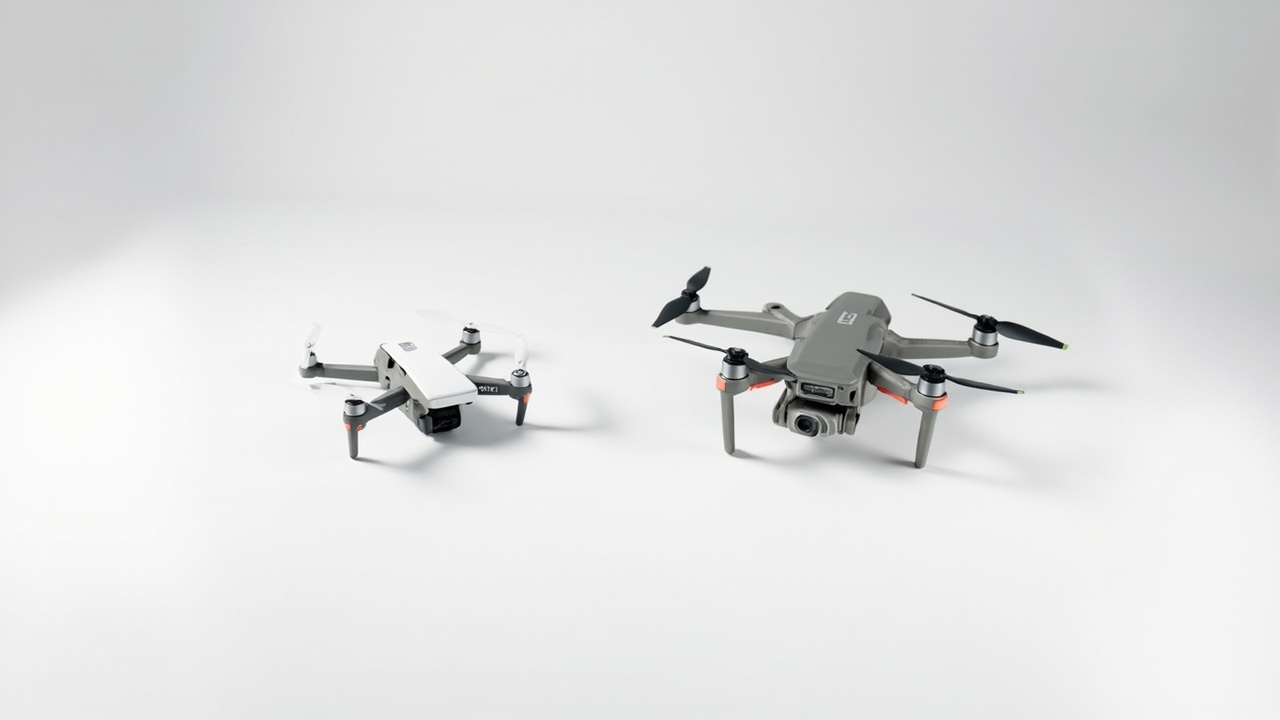
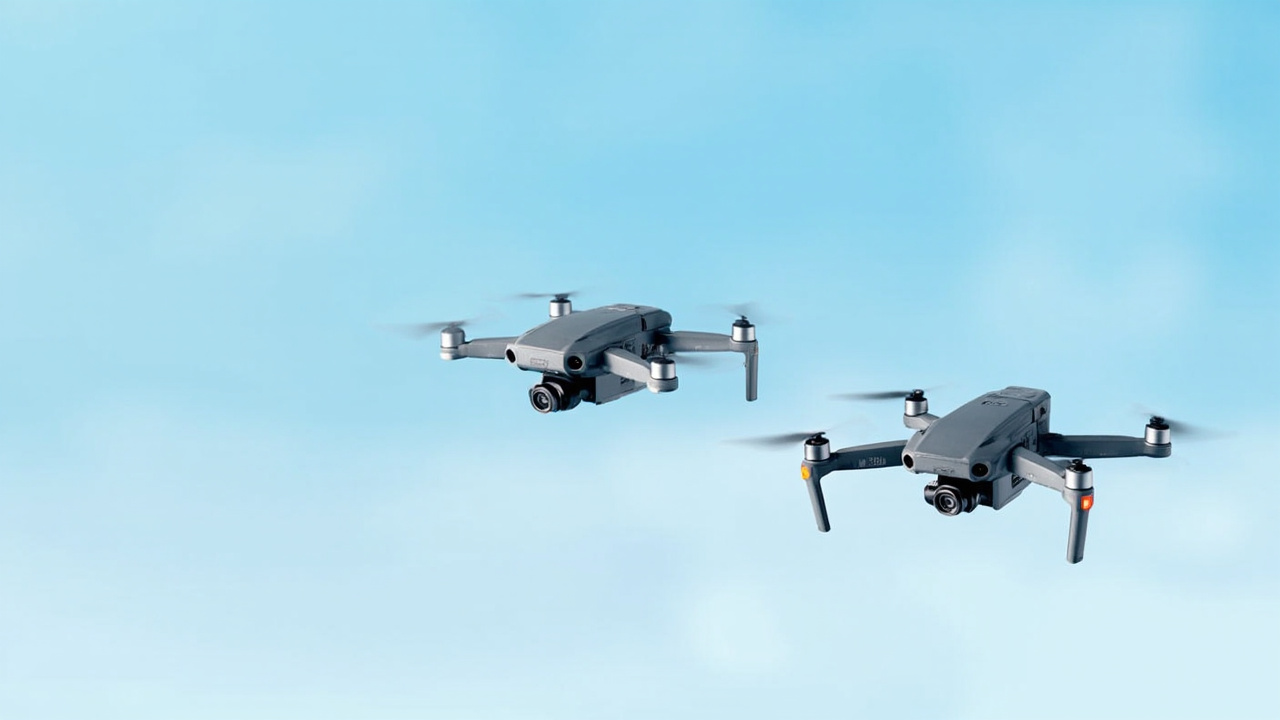
If you are shopping for an 8K 360° FPV drone in mid-2026, the choice is finally a real one. The DJI Avata 360 (released March 26, 2026) lands at $719 for the base kit with DJI RC 2, and $979 for the Fly More Combo. The Insta360 Antigravity A1 (released January 2026) launches at an MSRP of roughly $1,599 for the Standard Bundle, with the Fly More and Creator bundles stretching toward $1,700+. Both shoot 8K, both are made for the new “shoot first, frame later” workflow that 360° cameras unlocked on the ground, and both are the first serious attempt by their respective brands at this specific category.
The catch is that the price gap is roughly 2.2x at the base kit, and the value gap is not nearly as wide as the price implies. The Avata 360 has a larger sensor, higher frame rate (8K/60 vs 8K/30), a more capable ecosystem (RC 2, FPV controller, RC Motion 3, DJI Goggles 3/N3), D-Log M color profile, 42 GB of internal storage, and built-in propeller guards. The Antigravity A1 is sub-250 g with the standard battery, folds down small enough to live in a jacket pocket, and is engineered around a tighter, simpler “goggles + motion controller” experience.
This comparison is written for the buyer who is genuinely torn. We work through sticker price, real-world image quality, flight economics, regulatory class, repair risk, and 5-year cost of ownership — then we tell you who each drone is actually for.
The Verdict First
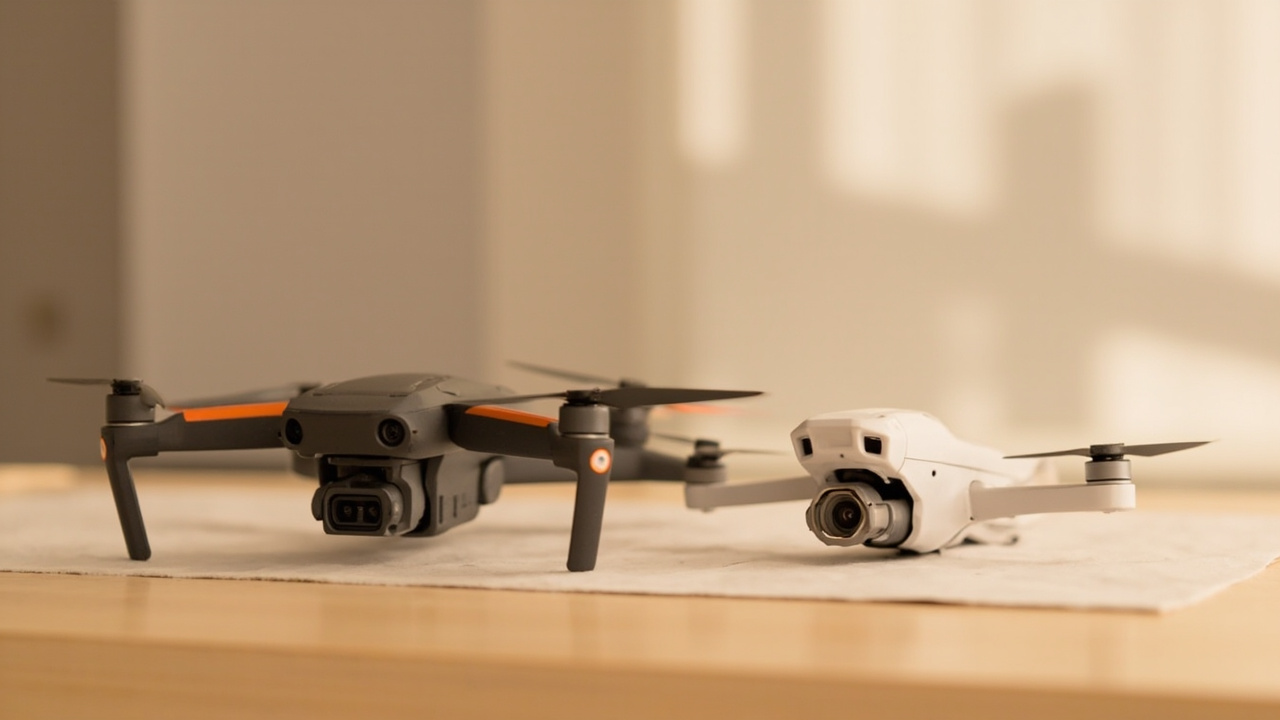
- Pick the DJI Avata 360 if: you want the stronger image quality for the dollar, the more flexible controller ecosystem (standard RC 2, FPV Remote Controller 3, RC Motion 3, and DJI Goggles 3/N3 — pick your flavor each flight), the 8K/60 fps headroom for future re-edits, 42 GB of internal storage, D-Log M color grading, or you already own DJI Goggles and want a hassle-free pairing. The Avata 360 covers roughly 85% of the Antigravity A1’s immersive-flight experience for ~45% of the price.
- Pick the Insta360 Antigravity A1 if: you want a sub-250 g drone that folds into a jacket pocket (a real regulatory and travel win), you are committed to the goggles + motion controller immersive experience and do not need a standard RC option, or you already shoot on Insta360’s 360° cameras and want the most friction-free 8K FPV workflow in the ecosystem. The A1 is the better “always with you” drone, and Insta360’s 360° editing pipeline is the most mature on the market.
- Skip both if: you do not need 360° capture at all. A standard 4K FPV drone (DJI Avata 2 at $799-$1,099, or iFlight Chimera 7 for analog FPV) is the smarter spend. And if 360° is the workflow you want but you are mostly ground-based, the Insta360 X5 (
$549) or GoPro Max 2 ($499) deliver the same “shoot first, frame later” experience without a $700-$1,700 aircraft.
Cost score (overall value): 74/100. The Avata 360 is the better value-per-dollar. The Antigravity A1 is the better portability-and-ecosystem pick. The “right” answer is the one that matches your flying style, not the spec sheet.

Key Comparison Points
Price vs Real Cost Per Use
The sticker price is the easy part. The total cost over 4-5 years is where the math diverges.
| Cost Factor | DJI Avata 360 (2026) | Insta360 Antigravity A1 (2026) |
|---|---|---|
| Base kit (with controller) | $719 (DJI RC 2) | ~$1,599 MSRP (Standard Bundle, Vision Goggle + Motion Controller); often on sale for $1,279 |
| Fly More Combo (extra batteries, hub, bag) | $979 (DJI RC 2) | ~$1,699-$1,799 (Fly More Combo) |
| Motion Fly More Combo (goggles + motion) | $979 (DJI RC Motion 3 + Goggles 3) — not yet available in the US at launch | Same as Standard Bundle in the US market |
| Extra battery (per piece) | ~$99 | ~$89 |
| Extra propeller set (per pair) | ~$19 | ~$19 |
| Goggle / motion controller (if not in kit) | $469 (DJI Goggles 3) + $113 (RC Motion 3) | Included in Standard Bundle |
| Care / warranty refresh (2-year) | DJI Care Refresh 2-yr ~$129 | Standard 1-yr limited warranty; extended plans vary |
| Takeoff weight (standard battery) | 455 g | 249 g (EU C0 class — major regulatory win) |
| Real-world flight time per battery | 18-23 min (DJI claims 23 min) | 20-24 min standard / 32-39 min high-capacity (claimed) |
| Battery cycle life (to 80% capacity) | ~200 cycles typical | ~200 cycles typical |
| 4-year resale value (typical, US) | 45-55% of MSRP (DJI holds value well) | 35-45% of MSRP (newer brand in the category) |
Now plug in a typical “well-equipped” setup: base drone + an extra battery beyond the kit + DJI Care Refresh (or its equivalent) + spare props.
| Setup (Year 1) | DJI Avata 360 | Insta360 Antigravity A1 |
|---|---|---|
| Drone + standard bundle | $719 (RC 2) | $1,279 (sale) / $1,599 (MSRP) |
| 1 extra battery | $99 | $89 |
| Spare propellers (2 sets) | $38 | $38 |
| Care / Refresh plan (2 yr) | $129 | $99 (estimated for extended coverage) |
| Total Year-1 cost (sale price) | $985 | $1,505 |
| Total Year-1 cost (MSRP) | $985 | $1,825 |
Now amortize that total cost over a realistic 5-year ownership window, assuming the drone gets used for paid work or serious hobby (not just a few flights per year):
| 5-Year Cost Line | DJI Avata 360 | Insta360 Antigravity A1 (sale / MSRP) |
|---|---|---|
| Purchase + accessories | $985 | $1,505 / $1,825 |
| 2 out-of-warranty battery replacements (yr 2 + yr 4) | $198 | $178 |
| 2 sets of replacement propellers | $76 | $76 |
| 1 mid-life Refresh / repair allowance (yr 3) | $129 (Refresh) | $200 (estimated out-of-warranty repair) |
| Resale value at year 5 | -$420 (~45% of $985) | -$530 / -$640 (~35% of MSRP) |
| Net 5-year cost (sale / MSRP) | ~$968 | ~$1,429 / $1,639 |
The Avata 360 costs about $460-$670 less over 5 years at this configuration. Even on the $1,279 sale price of the A1, the DJI drone is meaningfully cheaper to own. The gap widens at MSRP.
Where the math flips is cost per paid hour of work. If the Avata 360’s 8K/60 fps or 4/3-class 1-inch-equivalent sensor lets you shoot a $3,000 immersive real-estate or wedding job the A1 would have lost you, the Avata earns its discount back in a single booking. If you are flying for personal use or for the joy of 360° capture, the Avata 360 is simply the better dollar-per-gram, dollar-per-hour value.
The biggest hidden cost on both drones is battery wear. Both are rated around 200 cycles to 80% capacity. A drone that flies 3 batteries per session, 50 sessions a year, eats through its first set of batteries in roughly 18 months. Plan on a battery replacement every 18-30 months if you fly often. The Avata 360 battery is about $99; the Antigravity A1 battery is about $89. The high-capacity Antigravity battery is closer to $119 and pushes the drone over 250 g (and out of the EU C0 regulatory class).
The other hidden cost is regulatory. In the EU, the Antigravity A1 at 249 g with the standard battery is C0 class — the friendliest sub-250 g category with no A1/A3 sub-category certificate needed for non-commercial flights. The DJI Avata 360 at 455 g is C1 class, which requires an A1/A3 sub-category and the basic online training (free, ~1 hour). For European pilots who fly recreationally, that 250 g line is a real paperwork win for the Antigravity A1. In the US, the regulatory gap is smaller (both need registration for commercial use; the Avata 360 also needs it for recreational use above 250 g), but the A1’s sub-250 g status is still a meaningful convenience for travel.
Build Quality and Durability
| Build Factor | DJI Avata 360 | Insta360 Antigravity A1 |
|---|---|---|
| Takeoff weight | 455 g | 249 g (standard) / 291 g (high-capacity) |
| Folded dimensions (L×W×H) | 246 × 199 × 55.5 mm (not foldable) | 141.3 × 96.2 × 81.4 mm (folded) |
| Unfolded dimensions (L×W×H) | Same as above | 308.6 × 382.3 × 89.2 mm (propellers extended) |
| Chassis material | Plastic shell with magnesium-alloy internal frame | Plastic shell with carbon-fiber-reinforced arms |
| Built-in propeller guards | Yes (full coverage) | No (guards available as accessory or in select bundles) |
| Replaceable front lens | Yes (user-replaceable lens kit) | No (factory service only) |
| Gimbal | Rotating dual-camera gimbal (360° + Single Lens mode) | Dual fixed lenses (top + bottom, no mechanical movement) |
| Wind resistance | Level 5 (up to ~10.7 m/s) | Level 5 (up to ~10.7 m/s) |
| Obstacle avoidance | Omnidirectional vision system + forward-facing LiDAR + bottom IR | Forward + downward vision + bottom IR |
| IP rating | None (consumer, no official IP) | None (consumer, no official IP) |
| Operating temperature | -10°C to 40°C | -10°C to 40°C |
| Internal storage | 42 GB | 20 GB |
| microSD slot | Yes (up to 1 TB) | Yes (up to 1 TB) |
| Battery hot-swap | No (powered-off swap) | No (powered-off swap) |
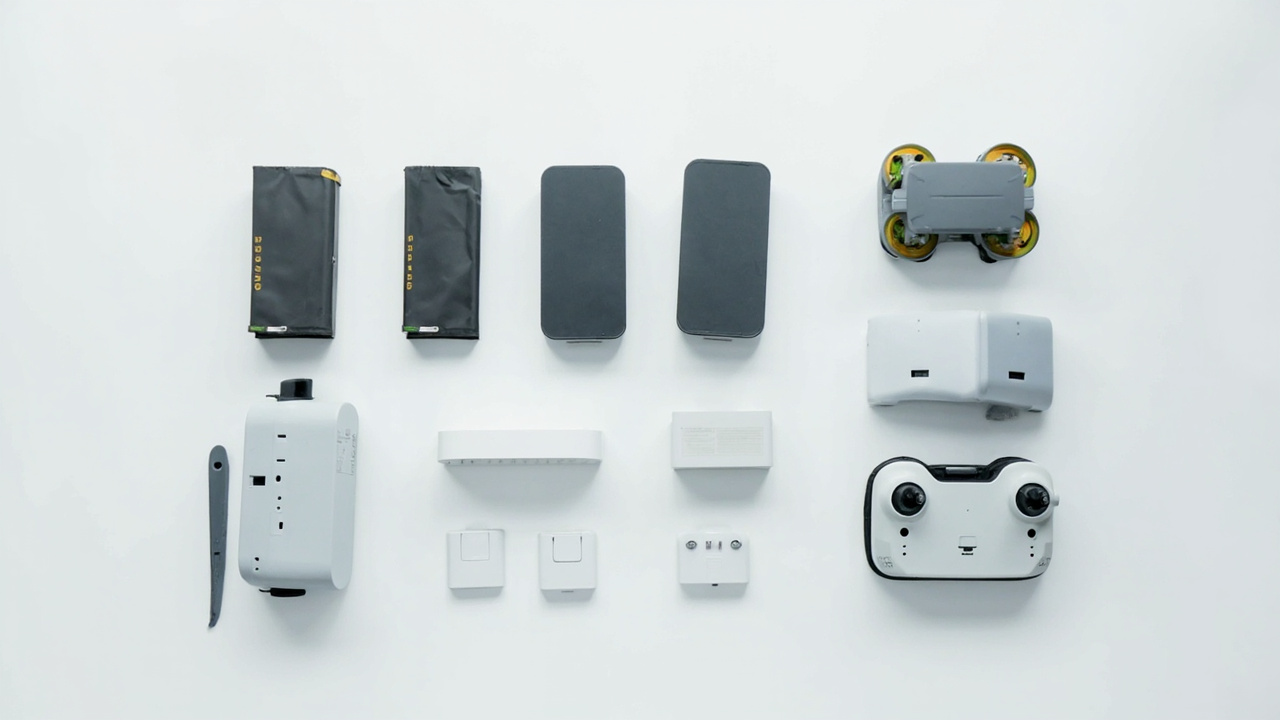
The Antigravity A1 is more portable by a wide margin. 249 g folded into a footprint smaller than a 1-liter water bottle means it slips into a jacket pocket, a small sling bag, or a bicycle handlebar bag. The Avata 360 at 455 g, non-folding, is a “plan a flight” drone — it lives in its case until you set up to fly.
The Avata 360 is tougher in close quarters. Built-in propeller guards mean a near-collision with a tree branch, a wall, or your own head is a glancing blow, not a prop strike. The replaceable front lens is a quiet but important detail: a scratched lens on a $1,000+ drone is normally a $200-$400 service ticket. On the Avata 360, it is a $30-$50 user-replacement job. For FPV pilots who push limits, that is a real quality-of-life improvement.
The Avata 360 has the better obstacle-avoidance stack. The forward-facing LiDAR lets it see in low light (down to 0.1 lux), which means safer return-to-home after sunset. The Antigravity A1’s forward + downward vision is solid in daylight but more cautious in dim conditions. For a drone that will fly indoors, near trees, or in twilight, the Avata 360 is the safer bet.
For long-term reliability, both drones are too new for long-term failure data. The DJI Avata 2 (the Avata 360’s predecessor) had a well-documented reliability profile: gimbal damper balls are the main wear item ($15 to replace, user-serviceable), and the rear arm hinges occasionally loosen after 200+ flights ($40 DJI service). The Antigravity A1 is the brand’s first drone ever, so there is no track record to lean on — Insta360 has a strong reputation in 360° cameras and action cameras, but not in airframes. Expect first-year firmware updates, and budget for a possible mid-life repair on a drone with no prior generation to learn from.
The single most important practical difference is what you do after a crash. A hard impact on the Avata 360: replace a prop set ($19), maybe a guard ($25), maybe a lens ($30-$50), and you are back in the air the same day. A hard impact on the Antigravity A1: send it in for service, because the props are exposed and the lens is not user-replaceable. For an immersive FPV drone, which by design flies closer to obstacles than a standard camera drone, that is not a small difference.
Feature Breakdown
| Feature | DJI Avata 360 | Insta360 Antigravity A1 |
|---|---|---|
| Camera sensors | Two 1/1.1-inch square CMOS (1-inch equiv coverage), 64 MP per sensor | Two 1/1.28-inch sensors |
| Aperture | f/1.9 | f/2.2 |
| Max 360° video | 8K (2:1, 7680 × 3840) @ 60/50/48/30/25/24 fps | 8K (7680 × 3840) @ 30/25/24 fps |
| 5.2K / 4K modes | 6K (2:1) @ 60 fps; 4K @ 100 fps; 2.7K @ 120 fps | 5.2K @ 60 fps; 4K @ 100 fps; 4K @ 30/25/24 fps |
| Single-Lens mode | 4K (16:9) @ 60 fps, 2.7K (4:3) @ 120 fps — full traditional FPV shooting | No — 360° only |
| Max photo | 30 MP or 120 MP (DNG/JPEG) | 14 MP or 55 MP (INSP + DNG) |
| Color profile | D-Log M, Normal, HLG (10-bit color) | Standard color profile (8-bit color) |
| ISO range (video) | 100-12,800 (Normal/D-Log M, 8K/60); 100-25,600 (Normal, 8K/30) | 100-6,400 |
| Bitrate | 180 Mbps | 170 Mbps |
| Codec | OSV / MP4 (H.265) | H.264 / H.265 |
| Active tracking | ActiveTrack 360°, vehicle-aware subject tracking, Spotlight Free | Subject tracking (360°), no Spotlight Free |
| Video transmission | O4+ (up to 20 km FCC, 10 km CE), 1080p/60 fps live feed | OmniLink 360 (up to 10 km FCC, 6 km CE) |
| Controller options | DJI RC 2 (standard), DJI FPV Remote Controller 3, DJI RC Motion 3, DJI Goggles 3 / N3 | Vision Goggle + Motion Controller (mandatory, no standard RC option) |
| Wind resistance | Level 5 (10.7 m/s) | Level 5 (10.7 m/s) |
| Software / app | DJI Fly | Antigravity App + Antigravity Studio (desktop) |
| Internal storage | 42 GB (~30 min of 8K 360) | 20 GB |
| microSD | Up to 1 TB | Up to 1 TB |
| Wi-Fi transfer | Wi-Fi 6 (up to ~100 MB/s offload) | Wi-Fi 5 (typical) |
What this means in real-world use:
- Image quality headroom: The Avata 360’s 1/1.1-inch sensors (square format, 1-inch equivalent coverage) pull about 1.5-2 stops of extra low-light performance over the Antigravity A1’s 1/1.28-inch sensors, and the wider f/1.9 aperture (vs f/2.2) lets in ~38% more light. For golden-hour flying, indoor shots, or any high-contrast scene, the Avata files are visibly cleaner. The Avata 360’s D-Log M profile gives you real color-grading headroom in post; the Antigravity A1’s standard 8-bit profile is fine for direct-to-social delivery but limiting for paid work.
- Frame rate at 8K: The Avata 360 shoots 8K at 60 fps; the Antigravity A1 tops out at 8K/30. For fast action, slow-motion re-frames, or any project that will be re-edited over the next 3-5 years, that extra 30 fps of headroom is meaningful.
- Single Lens mode: The Avata 360 can switch to a traditional 4K/60 fps FPV experience (essentially an Avata 2 with the FPV controller), which is the only way to get a “cinematic forward-facing FPV shot” without re-framing in post. The Antigravity A1 is 360° only — every shot has to be re-framed in Antigravity Studio. For some creators that is a feature (reframe everything in post); for others, it is friction.
- Ecosystem flexibility: The Avata 360 can be flown with the DJI RC 2 (no goggles, traditional screen), the DJI FPV Remote Controller 3 (goggles-equipped manual FPV), the DJI RC Motion 3 (one-handed gesture control with goggles), or with DJI Goggles 3 / N3 paired with the motion controller. The Antigravity A1 is goggles + motion controller only — there is no standard RC option. If you want to fly a quick line-of-sight inspection with a screen, the Avata 360 is the only choice between the two.
- Active tracking: Both track subjects in 360°, but the Avata 360’s ActiveTrack 360 and Spotlight Free replicate pro camera moves (parallax, dolly) without manual input. The Antigravity A1 has subject tracking but no equivalent of Spotlight Free. For solo creators shooting action without a camera operator, the Avata’s tracking is the more polished tool.
- Transmission range: The Avata 360’s O4+ hits 20 km FCC / 10 km CE; the Antigravity A1’s OmniLink 360 hits 10 km FCC / 6 km CE. In a typical urban flight under 1 km from the controller, the gap is irrelevant. In wide-open rural flying, the Avata 360’s extra range is a real edge.
- Internal storage: 42 GB on the Avata 360 is roughly 30 minutes of 8K 360° footage — enough to fly a full session without a microSD card. 20 GB on the Antigravity A1 is about 14-15 minutes of 8K. For travel days where you forgot your SD card, the Avata is the more forgiving drone.
Pros and Cons
DJI Avata 360 (2026)
Pros
- $719 base kit is the most affordable 8K 360° FPV drone in 2026 — by a wide margin
- Two 1/1.1-inch square CMOS sensors with f/1.9 aperture — best-in-class low-light and dynamic range for a sub-500 g drone
- 8K/60 fps HDR (360° mode) and 4K/60 fps (Single Lens mode) — a real dual-purpose FPV drone
- D-Log M 10-bit color profile for paid client work and color grading
- 42 GB of internal storage (~30 min of 8K 360° without a microSD)
- Built-in propeller guards and user-replaceable front lens — FPV-friendly durability
- ActiveTrack 360, Spotlight Free, and vehicle-aware subject tracking for solo creators
- O4+ transmission (20 km FCC, 10 km CE) with 1080p/60 fps live feed
- Full DJI controller ecosystem: RC 2, FPV Remote Controller 3, RC Motion 3, Goggles 3 / N3
- Mature DJI Fly app with proven firmware cadence
Cons
- 455 g takeoff weight is not sub-250 g — no C0 regulatory shortcut in the EU
- Not foldable — bulkier than the Antigravity A1 in a bag
- 23-minute claimed flight time (18-23 min real-world) is the short end of the category
- Motion Fly More Combo (with RC Motion 3 + Goggles 3) not yet available in the US at launch
- DJI Care Refresh is optional and adds $129 to the total cost
- No 10-bit D-Log on the Single Lens mode (only 360° mode gets D-Log M)
- Drone is brand-new — long-term reliability data does not yet exist
Insta360 Antigravity A1 (2026)
Pros
- Sub-250 g takeoff weight (with standard battery) is a real travel and regulatory win — EU C0 class, no A1/A3 training needed
- Foldable design: 141 × 96 × 81 mm folded fits a jacket pocket or a small sling bag
- Two 1/1.28-inch sensors deliver clean 8K/30 fps 360° with Insta360’s mature 360° editing pipeline
- High-capacity battery option extends flight time to 32-39 minutes (claimed)
- Mandatory goggles + motion controller experience is the most polished “immersive 360° FPV” workflow in 2026
- Insta360 Studio (desktop) and the Antigravity App deliver the most refined 360° reframe workflow in the category
- 8K stills at 55 MP and 14 MP modes for high-resolution prints
- Optional propeller guards and a foldable frame make the A1 travel-friendly in a way the Avata 360 is not
Cons
- $1,599 MSRP ($1,279 typical sale) is roughly 2.2x the Avata 360 base kit
- 8K/30 fps max — half the frame rate of the Avata 360 at peak resolution
- Smaller 1/1.28-inch sensors and f/2.2 aperture — weaker low-light and dynamic range
- 8-bit color profile, no D-Log equivalent — limited color-grading headroom for paid work
- No Single Lens mode — every flight has to be reframed in post
- Goggles + motion controller only — no standard RC option for line-of-sight flying
- 20 GB internal storage (~14 min of 8K) — tighter margin without a microSD
- Insta360’s first drone — no track record on airframe reliability, no prior generation to learn from
- No user-replaceable lens — crash damage means a service ticket
Best For / Skip If
Best for the DJI Avata 360:
- Immersive video creators and 360° first-timers who want the strongest 8K 360° image quality for the dollar
- Solo YouTubers and documentary shooters who need ActiveTrack 360, Spotlight Free, and D-Log M to deliver client-grade footage without a crew
- Existing DJI drone or Goggles owners who want a hassle-free pairing with their current RC 2 / RC Motion 3 / Goggles 3 / N3 setup
- Real estate, action, and event videographers who want both 360° and traditional Single Lens FPV in one airframe
- Frequent flyers and FPV pilots who push limits, crash occasionally, and value the user-replaceable lens and built-in propeller guards
- Buyers in the US where the Antigravity A1 is not officially sold and imports carry warranty risk
Best for the Insta360 Antigravity A1:
- Travel vloggers and backpack-first creators who need a 249 g foldable drone that lives in a jacket pocket
- Existing Insta360 360° camera owners (X4, X5 users) who want the most seamless editing pipeline in the Insta360 ecosystem
- European recreational pilots who want the C0 regulatory shortcut and the simplest sub-250 g compliance path
- Immersive-content purists who want every shot reframed in post and do not need a traditional Single Lens FPV mode
- Long-flight creators who will pay the extra weight penalty for the high-capacity battery (32-39 min claimed)
- Buyers who value the brand’s 360° editing maturity over raw specs
Skip both if:
- You do not need 360° capture at all — the DJI Avata 2 ($799-$1,099) is a more affordable traditional 4K FPV drone
- You want 360° on the ground only — the Insta360 X5 (
$549) or GoPro Max 2 ($499) deliver the same “shoot first, frame later” experience without an aircraft - You are a first-time FPV pilot — start with a DJI Neo (
$199) or a DJI Mini 4 Pro ($759) before stepping into 8K 360°
Bottom Line
The DJI Avata 360 and the Insta360 Antigravity A1 are both landmark products — the first 8K 360° FPV drones from their respective brands. The Avata 360 is the better value: $719 for a 1-inch-sensor, 8K/60 fps, D-Log M drone with a four-option controller ecosystem, built-in propeller guards, and 42 GB of internal storage. The Antigravity A1 is the better portable, polished-ecosystem pick: a sub-250 g foldable drone that shoots clean 8K/30 fps 360° and slots into the most mature 360° editing workflow in the industry.
If you fly for paid work, action sports, real estate, or travel vlogging and you want the strongest image quality and the most controller flexibility, the Avata 360 earns its value. The 1-inch-class sensors, 8K/60 fps headroom, and D-Log M color profile are the real differentiators for client-grade output, and the 5-year ownership cost is roughly $460-$670 less than the Antigravity A1.
If you fly for personal use, immersive 360° storytelling, and travel portability and you want the most polished end-to-end 360° experience in 2026, the Antigravity A1 is the smarter buy. The 249 g foldable airframe, Insta360’s 360° editing maturity, and the sub-250 g regulatory shortcut are worth the premium if portability and ecosystem matter more to you than raw specs.
The only wrong answer is paying the A1’s premium for a 360° drone you will leave in its case because it is too expensive to risk on the kind of close-quarters FPV flying these drones are designed for. “Buy smart. Get more value” means matching the tool to the workflow — not chasing the brand or the spec sheet.