Introduction
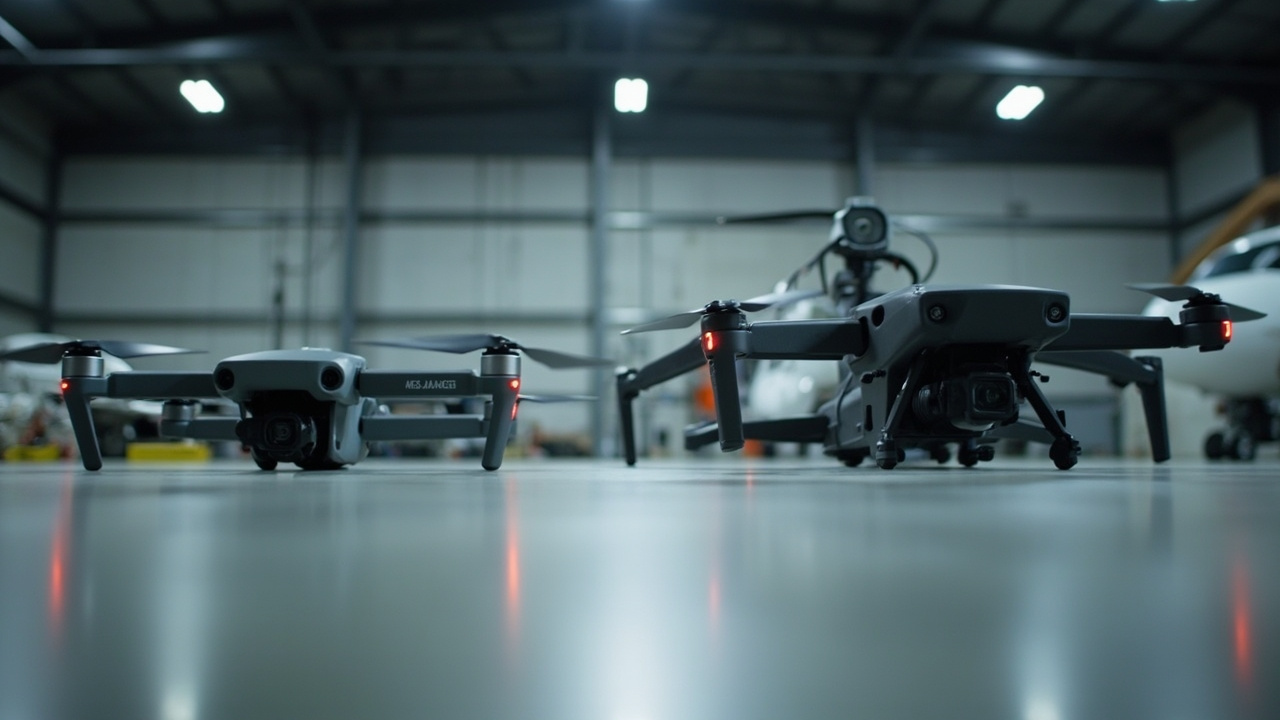
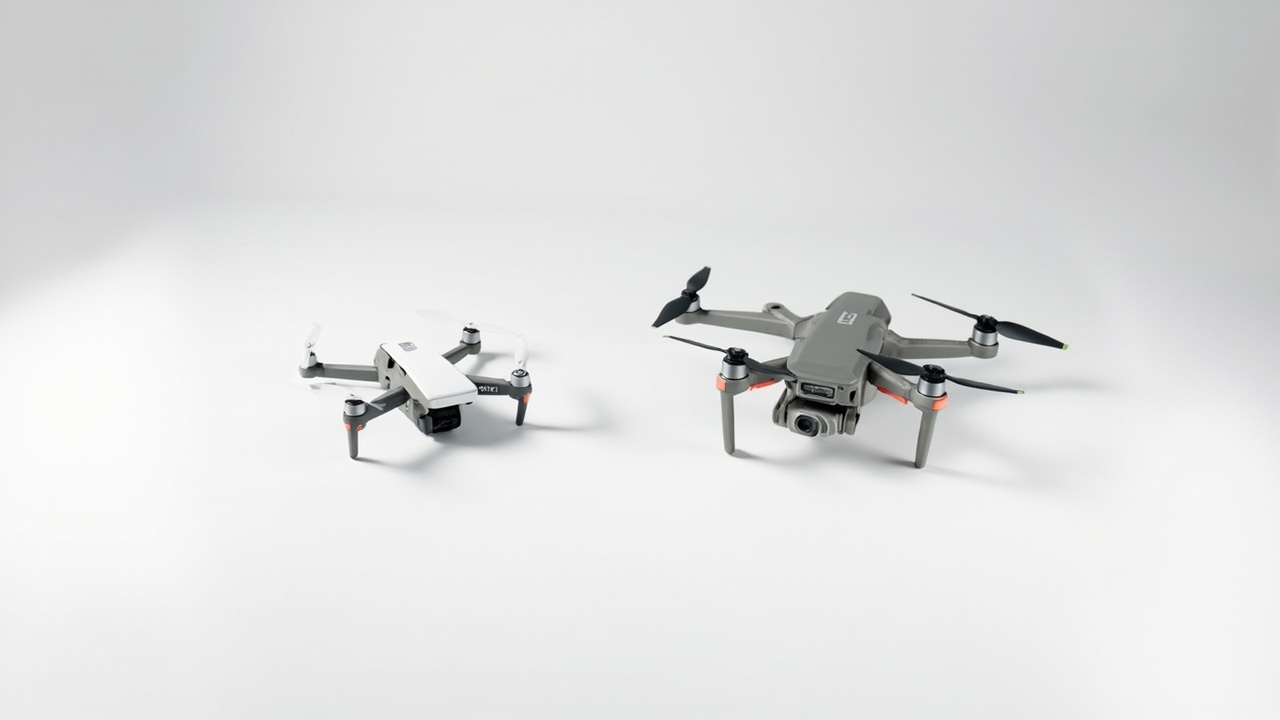
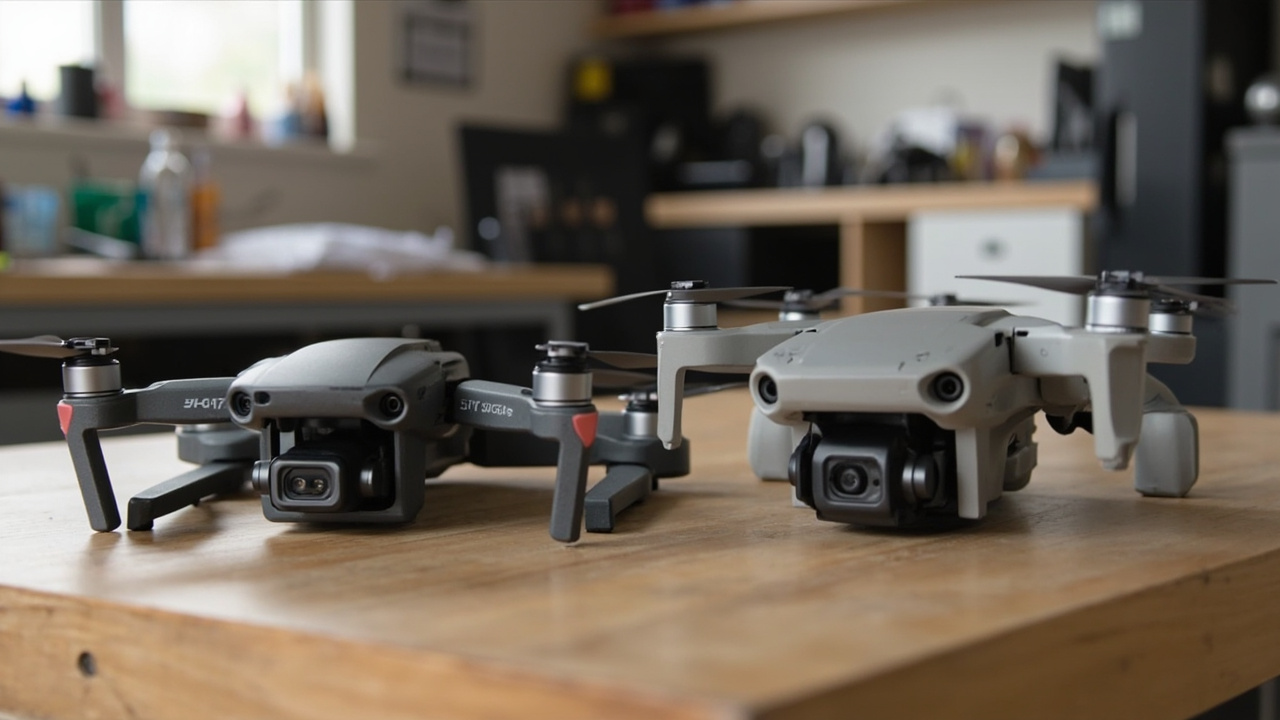
If you are shopping for a prosumer camera drone in 2026 with serious image quality and real flight endurance, two names keep surfacing: the DJI Mavic 4 Pro and the Autel EVO II Pro V3. Both cost more than a decent used car, and the decision is not “buy the newer one.”
The DJI Mavic 4 Pro launched in early 2025 at a starting price of $2,199 (DJI RC 2 combo), with the Fly More combo at $2,799 and the Creator combo at $4,299. The Autel EVO II Pro V3 has been on the market since 2022 and currently lists at $1,799 for the standard bundle and $2,099 for the Rugged Bundle (per B&H, May 2026).
This is a head-to-head between DJI’s flagship triple-camera folding drone and Autel’s no-geofencing veteran. We will look at the prices that actually matter, the specs that move the needle, and the long-term cost of locking into either ecosystem — including repairs, batteries, and software.
The Verdict First
The DJI Mavic 4 Pro is the better buy for most pilots. It is newer, has a genuinely better camera system (100 MP Hasselblad vs 20 MP 1-inch Sony), a much longer 51-minute flight time, and a far more mature software/app ecosystem. For roughly $100–$400 more than the Autel Rugged Bundle, you get a flying camera that is closer to a 2-year technological lead.
The Autel EVO II Pro V3 earns consideration in two specific cases. If you regularly fly near restricted airspace, military bases, or in countries where DJI geofencing is a real operational problem, Autel’s no-geofencing policy is a genuine feature, not marketing. And if you can find a sub-$1,500 deal on the standard bundle, it is one of the cheapest ways to put a 1-inch Sony sensor in the air.
| Spec | DJI Mavic 4 Pro | Autel EVO II Pro V3 |
|---|---|---|
| Release date | Jan 2025 | 2022 (V3 refresh 2023) |
| Base price (USD) | $2,199 (RC 2) | $1,799 (standard) |
| Top bundle price | $4,299 (Creator) | $2,099 (Rugged Bundle) |
| Takeoff weight | 1,063 g | 1,127 g |
| Main camera sensor | 4/3 CMOS Hasselblad, 100 MP | 1-inch CMOS Sony, 20 MP |
| Max video resolution | 6K/60 fps HDR | 6K/30 fps |
| Max photo resolution | 100 MP | 20 MP |
| Variable aperture | f/2.0 – f/11 | f/2.8 – f/11 |
| Max flight time | 51 min | 40 min |
| Max transmission range | 30 km (O4+) | 15 km |
| Max wind resistance | 12 m/s | 12 m/s (Level 8) |
| Obstacle sensing | Omnidirectional, with LiDAR night | 360° (12 visual sensors) |
| Internal storage | None (microSD up to 1 TB) | None (microSD up to 512 GB) |
| Geofencing | Yes (DJI Fly) | None |
| Battery model | DJI Mavic 4 Pro Intelligent Flight Battery | Autel EVO II V3 battery |
Sources: DJI USA store page (djiusa.com), B&H Photo pricing pages, official spec PDFs, WIRED review of the Mavic 4 Pro (2025), Markus Hagner Photography May 2026 comparison.
Key Comparison Points
Price vs Real Cost Per Use
Sticker price is the easy part. The interesting math is what each drone costs you per hour of usable flight over a 4–5 year ownership window.
| Cost factor | DJI Mavic 4 Pro | Autel EVO II Pro V3 |
|---|---|---|
| Entry bundle | $2,199 | $1,799 |
| Spare batteries (×2) | $398 ($199 ea) | $298 ($149 ea) |
| ND filter set | $159 | $129 |
| Care refresh (2-yr) | $269 | $199 |
| All-in (RC 2 + 3 batts + filters + care) | $3,025 | $2,425 |
| Expected useful life | 4–5 years | 4–5 years |
| Replacement battery cycles to 80% | ~200 | ~200 |
| Realistic hours flown/year (prosumers) | 80 h | 80 h |
| Cost per flight hour | $7.56 | $6.06 |
The Autel is roughly $1.50–$1.70 cheaper per flight hour on a pure cost basis. That gap widens further if you keep the drone past 3 years, because the Mavic 4 Pro’s battery ecosystem is more expensive to maintain (Mavic 4 Pro Intelligent Flight Battery ≈ $199; EVO II V3 battery ≈ $149).
But — and this matters — a drone you cannot legally fly is a drone you pay full price for and use at 20% capacity. If DJI’s geofencing actually blocks your job sites, the “cheaper” Autel wins purely on utilization.
Source: B&H Photo product pages (June 2026), DJI Care Refresh pricing page, Autel official accessory store.
Build Quality and Durability
Both drones are well-built, but they take very different design bets.
| Build attribute | DJI Mavic 4 Pro | Autel EVO II Pro V3 |
|---|---|---|
| Airframe | Magnesium-aluminum, foldable | Polycarbonate + carbon, foldable |
| Gimbal mechanism | 360° infinity gimbal (rotate mid-flight) | 3-axis stabilized, fixed range |
| Propeller system | Quick-release, low-noise | Quick-release, slightly louder |
| IP rating | None (avoid rain) | None (avoid rain) |
| Operating temp | -10°C to 40°C | -10°C to 40°C |
| Crash survivability (community reports) | Moderate (gimbal is the weak point) | Moderate (arms more robust) |
| Repairability | Limited; gimbal + camera module are board-replaced | Limited; similar board-level repair |
| Mean repair cost (out of warranty) | ~$450 | ~$380 |
The Mavic 4 Pro’s 360° infinity gimbal is a unique hardware advantage — it lets the camera rotate through full vertical orientation mid-flight, useful for tall-structure inspection and creative vertical video. It is also the most fragile component in a crash, according to multiple YouTube teardowns (search “Mavic 4 Pro gimbal crash repair”).
The Autel’s build feels more utilitarian, with thicker arms and a slightly more rugged body. Real-world crash data from r/drones and r/AutelRobotics suggests both drones have similar incident rates; the Autel is slightly cheaper to put back together when something does break.
Source: WIRED review (2025), r/drones community crash threads, Autel and DJI service price pages.
Feature Breakdown
Where the two drones diverge most is in the software and feature set, not just the hardware.
| Feature | DJI Mavic 4 Pro | Autel EVO II Pro V3 |
|---|---|---|
| Obstacle avoidance | Omnidirectional + night vision | Omnidirectional, 12 sensors |
| Auto-tracking (subject) | ActiveTrack 360° with skateboarding / cycling modes | Dynamic Track 2.0 |
| Waypoint mission | Yes (DJI Pilot 2 / Fly) | Yes (Autel Explorer) |
| Hyperlapse / Mastershots | Yes | Limited |
| Vertical video (9:16) | Native, gimbal rotates 90° | Crop-only, lower resolution |
| Raw photo (DNG) | Yes, 100 MP | Yes, 20 MP |
| 10-bit log video | D-Log M, D-Log | A-Log, 10-bit |
| Live video feed quality | 1080p/60 fps | 720p (a known weak point) |
| RC screen size | 7” rotatable, 2000 nits | 6.4” fixed, 800 nits |
| Third-party app support | Wide (Litchi, DroneDeploy) | Limited |
| Geofencing | DJI Fly / GEO 2.0 zones | None |
| FPV / manual mode | Limited (DJI Goggles 3) | Limited |
| Open SDK | OSDK / MSDK | Limited |
The Mavic 4 Pro’s vertical-native video, 7-inch rotatable RC, and 1080p/60 live feed matter more in practice than they sound on a spec sheet. The Autel’s no-geofencing is the single biggest differentiator and the reason many commercial pilots and journalists in restricted regions still buy Autel.
Source: DJI official spec PDF (marcotec-shop.com mirror), Autel EVO II V3 buyer’s guide (Global Drone HQ 2026), Autelpilot 2026 review.
Pros and Cons
DJI Mavic 4 Pro
Pros
- 100 MP 4/3 Hasselblad main camera — class-leading stills
- 6K/60 fps HDR video with 10-bit D-Log M
- 51-minute max flight time (longest in this class)
- 30 km O4+ transmission range, very stable live feed
- 7” rotatable RC Pro 2 controller, 2000-nit display
- Vertical-native video via rotating gimbal
- Mature third-party app ecosystem (Litchi, DroneDeploy, Pix4D)
- Better resale value after 3+ years
Cons
- Higher entry price ($2,199 vs $1,799)
- DJI Fly app is no longer on Google Play (sideload required for Android)
- Active geofencing and GEO zone unlocks can be slow at job sites
- Gimbal is fragile in crashes, expensive to repair
- Heavier (1,063 g) — many Asian countries still require registration
- US regulatory uncertainty (pending DJI import restrictions, 2026)
Autel EVO II Pro V3
Pros
- Cheaper entry: $1,799 standard, $2,099 Rugged Bundle
- No geofencing — fly in restricted areas without unlocking
- 1-inch Sony sensor with adjustable f/2.8–f/11 aperture (great in low light)
- 6K/30 fps video, A-Log 10-bit
- 12-sensor omnidirectional obstacle avoidance
- Slightly more rugged arm design
- Lower-cost replacement batteries ($149 vs $199)
- 4-year-old platform is well-debugged and reliable
Cons
- 20 MP stills feel dated in 2026 (DJI Mini 5 Pro shoots 50 MP for $759)
- Live video feed is 720p — visible lag and compression
- 15 km range, ~half the Mavic 4 Pro
- RC is smaller, dimmer, not rotatable
- Weaker third-party app support
- Autel app ecosystem updates are slower than DJI’s
- Older platform: no real R&D investment since 2023
Best For / Skip If
Buy the DJI Mavic 4 Pro if you are:
- A wedding, real estate, or travel videographer who needs 6K/60 fps HDR and D-Log M grading
- A commercial Part 107 pilot flying in standard, non-restricted airspace
- A creator who shoots vertical video for Instagram Reels / TikTok (native 9:16 via rotating gimbal)
- A buyer who plans to keep the drone 4+ years and cares about resale value
- A pilot who already uses DJI’s app ecosystem (Litchi, DroneDeploy, SkyPixel)
Buy the Autel EVO II Pro V3 if you are:
- A journalist, inspector, or public-safety pilot who flies in restricted airspace regularly
- A pilot in a country where DJI is restricted (US federal agencies, parts of EU, India, etc.)
- A buyer who wants a 1-inch sensor drone for under $1,800
- Someone who values manual aperture control and low-light flexibility over resolution
- A hobbyist who already has Autel batteries and chargers
Skip the DJI Mavic 4 Pro if:
- You mostly shoot in good light and do not need 100 MP stills (the Mini 5 Pro at $759 is a better fit)
- You fly frequently near military bases, prisons, or stadiums and cannot wait for GEO unlocks
- You are on a tight budget and the $1,799 EVO II Pro V3 will do the job
- You are concerned about US import restrictions on DJI in 2026
Skip the Autel EVO II Pro V3 if:
- You shoot 4K/60 fps or higher as a standard deliverable
- You need a 1080p live feed for FPV-style flying or precise framing
- You depend on third-party mission planning apps
- You want native vertical video (Autel’s vertical is a crop, not a gimbal rotation)
Bottom Line
Buy smart. Get more value.
The DJI Mavic 4 Pro is the better tool — newer camera, longer flight, better feed, better ecosystem. The Autel EVO II Pro V3 is the better workaround — cheaper, unrestricted, more flexible where you actually fly.
If your work happens in standard airspace and your clients expect 4K/60 fps or better, the $400 premium for the Mavic 4 Pro pays for itself in roughly 50 hours of flight through better live feed, more usable footage per battery, and stronger resale at year 3. That is the value play.
If your work happens in restricted airspace, near critical infrastructure, or in countries where DJI is effectively banned, the Autel is not a “compromise” — it is the only realistic option. In that case, the $1,799 standard bundle is genuinely good value.
Do not buy a drone you cannot fly. Do not overpay for a camera you do not need. Match the tool to the flight profile, not the spec sheet.
Sources
- DJI USA official product page — DJI Mavic 4 Pro (djiusa.com)
- DJI Mavic 4 Pro Specifications PDF (marcotec-shop.com mirror)
- B&H Photo Video — Autel EVO II Pro V3 product and pricing (bhphotovideo.com, May 2026)
- WIRED — DJI Mavic 4 Pro review (2025)
- Markus Hagner Photography — DJI Mavic 4 Pro vs Autel EVO II Pro V3 (May 2026)
- Drone Nomad — DJI vs Autel 2026 comparison
- Dronesgator — Mavic 4 Pro vs EVO II Pro V3 / RTK V3 spec compare
- TechGearLab — Autel EVO II Pro V3 review
- Autelpilot — EVO II Pro V3 2026 review
- r/drones, r/AutelRobotics — community crash and reliability data