Introduction
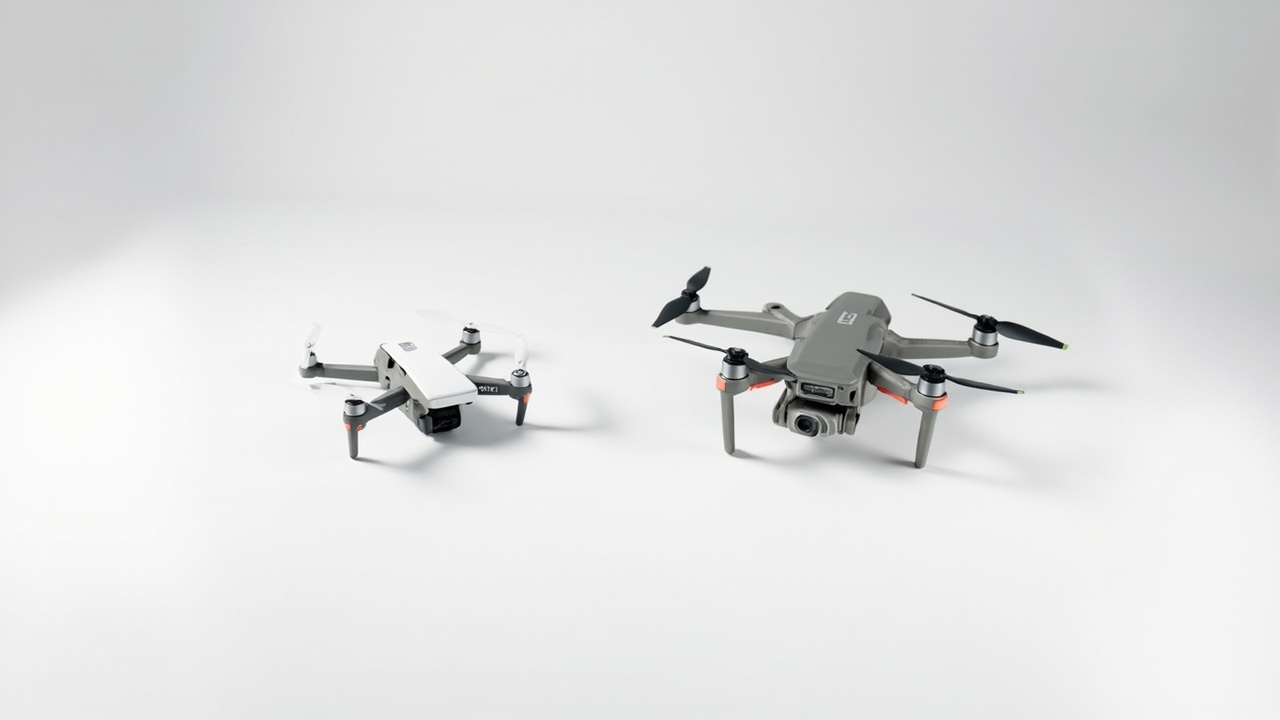
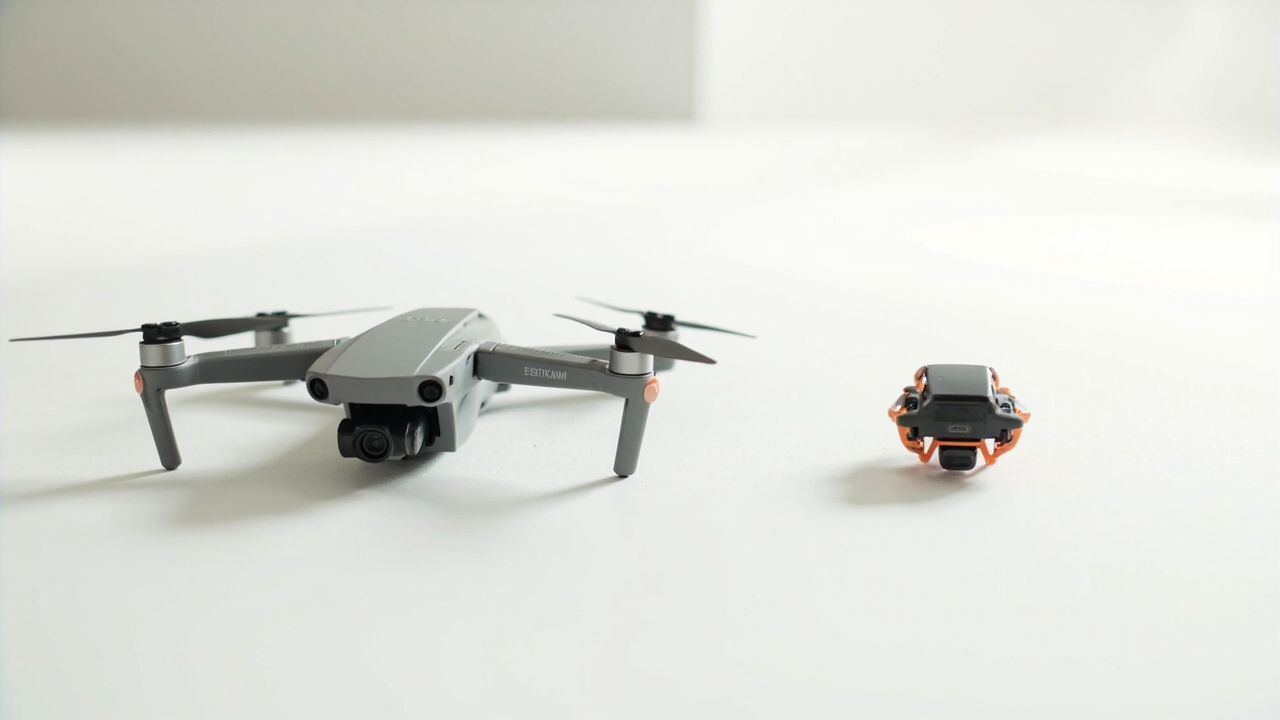
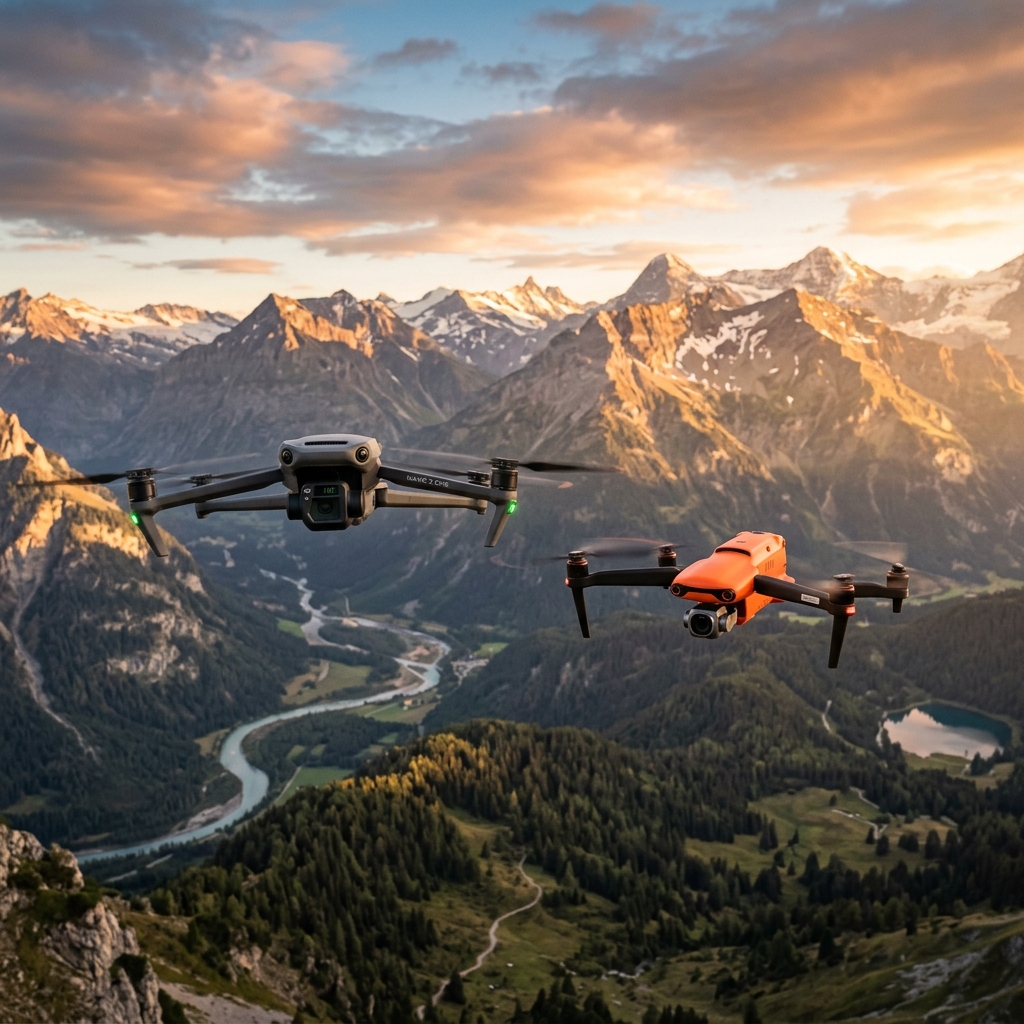
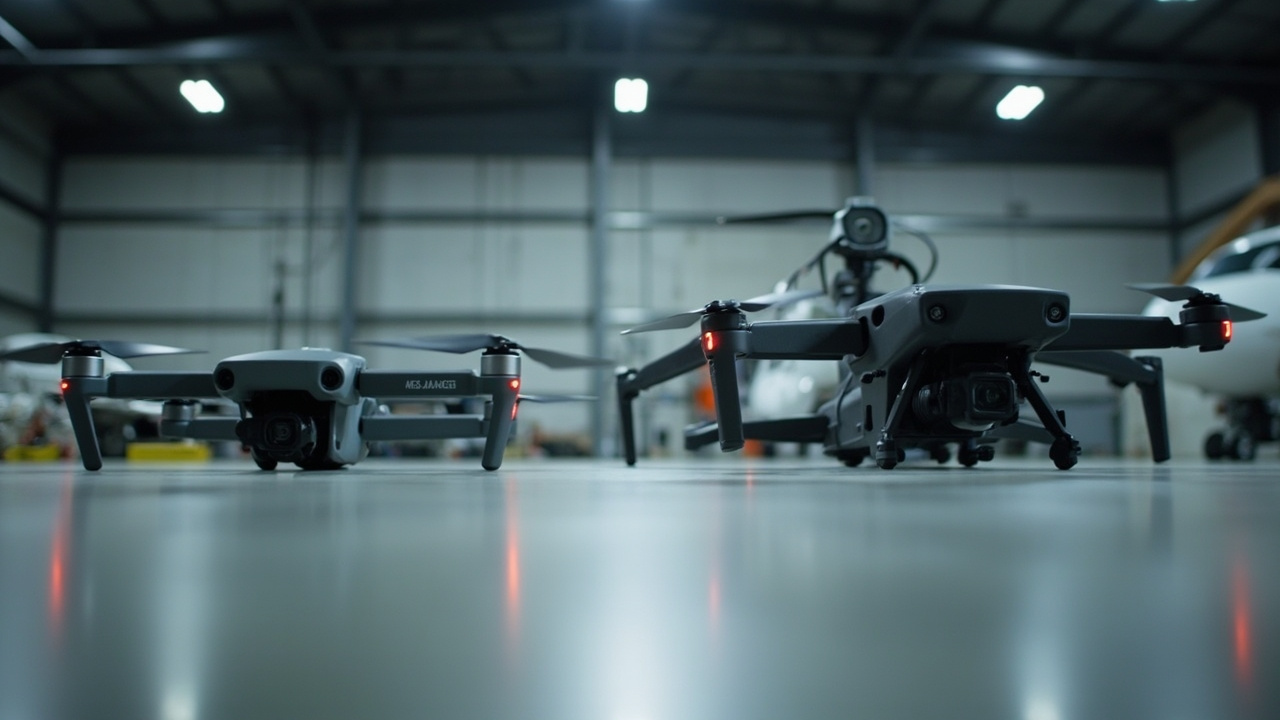
If you are shopping for a compact drone with a 1-inch camera sensor in 2026, two names keep surfacing: the DJI Mini 5 Pro and the Autel EVO Lite+. They are not cheap toys, and the decision is not as simple as “buy the newer one.”
The DJI Mini 5 Pro launched in September 2025 at $759 and is widely considered the new benchmark for sub-250 g drones. The Autel EVO Lite+ has been on the market since January 2022, but its price has dropped sharply in 2025–2026 — the Premium Bundle now lists at $1,349, down from $1,849.
This is a head-to-head between a brand-new flagship mini and a discounted veteran. We will look at the prices that actually matter, the specs that move the needle, and the long-term cost of locking into either ecosystem.
The Verdict First
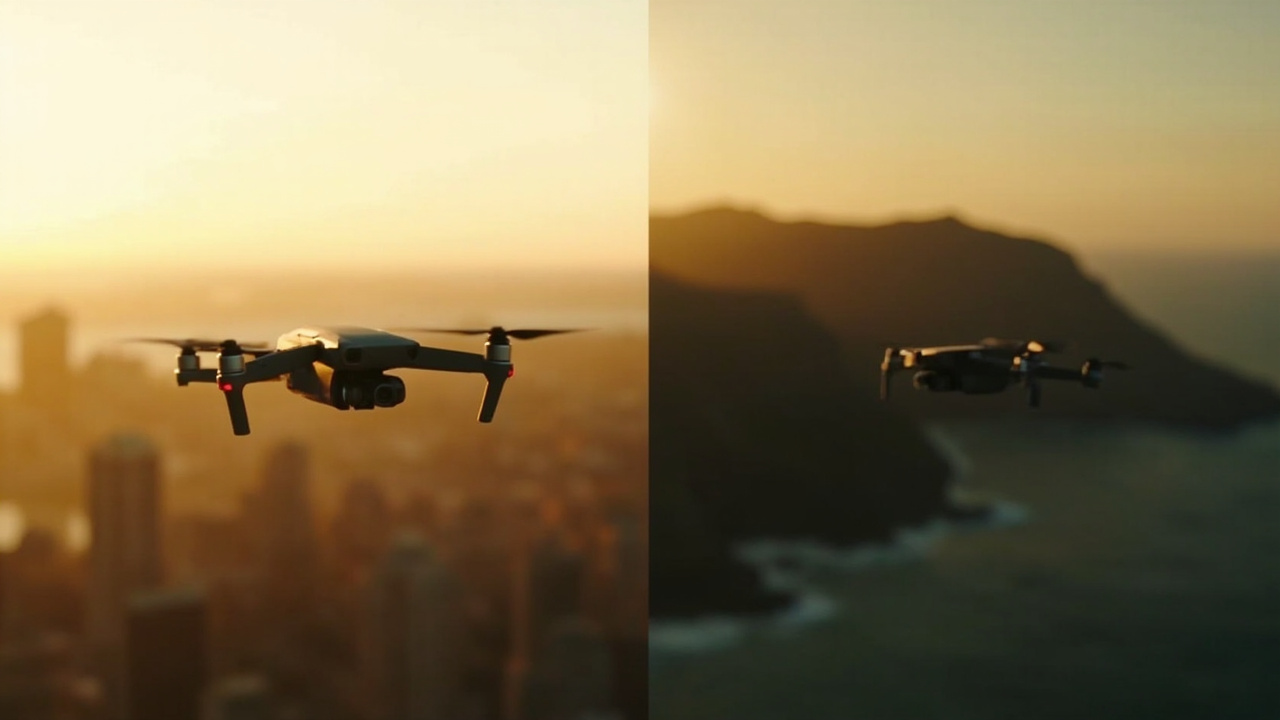
The DJI Mini 5 Pro is the better buy for most people. It is newer, cheaper, more portable (249 g vs 820 g), and brings real upgrades: 50 MP photos, 4K/120 fps video, LiDAR-grade omnidirectional obstacle sensing, and a 225° rotating gimbal. For roughly $400 less than the Autel Premium Bundle, you get a more capable flying camera.
The Autel EVO Lite+ earns consideration in two specific cases. If you regularly shoot long-range missions in wide open spaces and need 40-minute flight time plus no mandatory geofencing, the EVO Lite+ is a strong tool. And if you find a deeply discounted Standard Bundle under $900, it becomes a budget 1-inch option that DJI no longer really competes with on price.
| Spec | DJI Mini 5 Pro | Autel EVO Lite+ |
|---|---|---|
| Release date | Sep 24, 2025 | Jan 12, 2022 |
| Base price (USD) | $759 | $1,149 (sale) |
| Fly More / Premium Bundle | $959 (RC-N3) / $1,099 (RC 2) | $1,349 (Premium Bundle, was $1,849) |
| Takeoff weight | 249 g | 820 g |
| Sensor | 1-inch CMOS, 50 MP | 1-inch CMOS, 20 MP |
| Max video resolution | 4K/120 fps HDR | 6K/30 fps |
| Max photo resolution | 50 MP | 20 MP |
| Max ISO | 12,800 | 6,400 |
| Max flight time | 36 min (52 min Plus battery) | 40 min |
| Max transmission range | 20 km (O4) | 24 km |
| Max speed | 18 m/s | 19 m/s |
| Obstacle sensing | LiDAR omnidirectional | 3D forward / downward / rear |
| Internal storage | 42 GB | 6 GB + SD |
| Battery capacity | 2,788 mAh | 3,930 mAh |
| Geofencing | Yes (DJI Fly Safe) | None mandatory |
| Weather-sealed | Yes | No official rating |
Sources: DJI USA store page, Autel Robotics official store, B&H Photo, Versus.com, DroneDJ, Notebookcheck (2025–2026).

Price vs Real Cost Per Use
Let’s do the math the marketing pages skip.
Scenario A — bare drone only
- DJI Mini 5 Pro base: $759
- Autel EVO Lite+ Standard: $1,149
- Difference: $390 in DJI’s favor
Scenario B — typical creator kit (Fly More / Premium Bundle)
- DJI Mini 5 Pro Fly More Combo (RC 2): $1,099
- Autel EVO Lite+ Premium Bundle: $1,349
- Difference: $250 in DJI’s favor
At this point, “Autel is cheaper” is a 2023 story. The Lite+ has been on the market for 4 years, and its price has had time to fall, but DJI’s newer Mini 5 Pro still undercuts it.
Durability and replacement cost. DJI’s Mini line has a strong track record of 3–5 years of regular use before gimbal or battery degradation becomes critical. Autel hardware is generally durable, but the older platform means replacement parts, batteries, and propellers are sometimes out of stock at smaller retailers. A new DJI Mini 5 Pro Intelligent Flight Battery lists at $89; an EVO Lite+ battery typically runs $99–119.
Hidden ecosystem costs. DJI’s geofencing means occasional unlock fees for restricted airspace (usually $5 per unlock per location). Autel does not enforce geofencing, which can save real money for commercial pilots who fly near urban areas.
The honest cost-per-flight calculation:
- DJI Mini 5 Pro at $759, used twice a week for 4 years: roughly $1.82 per flight
- Autel EVO Lite+ at $1,149, used twice a week for 4 years: roughly $2.76 per flight
DJI still wins on cost per use, even before counting ecosystem perks.
Build Quality and Durability
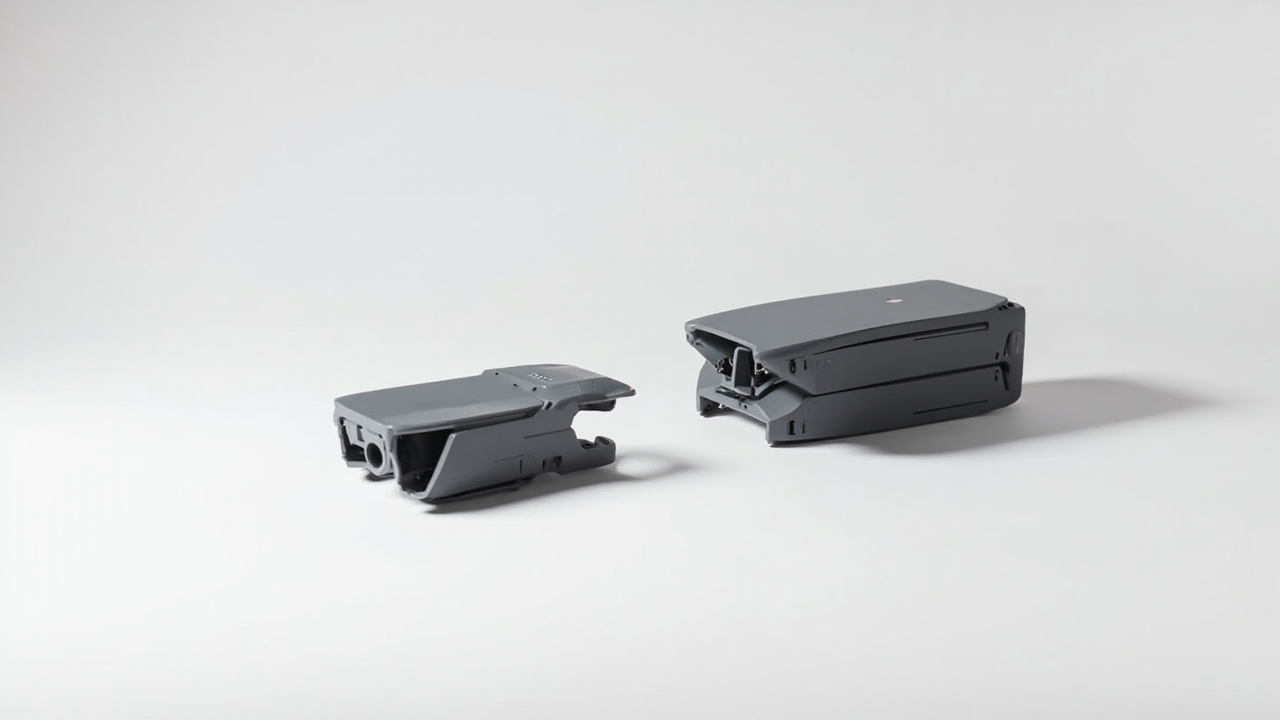
Weight and portability. The DJI Mini 5 Pro at 249 g is in a different category from the 820 g EVO Lite+. In the US, Canada, the UK, and most of the EU, a 249 g drone sidesteps recreational registration requirements in many cases, and it slips into a jacket pocket. The EVO Lite+ needs a proper drone bag and triggers full registration.
Build feel. Both drones use a foldable design with a magnesium-alloy-reinforced frame. The Autel feels slightly more solid in the hand, partly because of its size. DJI’s build has improved dramatically with the Mini 5 Pro — early Mini-series complaints about flimsy gimbal arms are largely resolved.
Weather resistance. The DJI Mini 5 Pro is officially weather-sealed (splashproof). The EVO Lite+ is not officially rated, which matters for anyone flying near coastlines, snow, or mist.
Gimbal. DJI introduced a 225° rotating gimbal on the Mini 5 Pro, which is a real workflow advantage for vertical social media shooting. The EVO Lite+ has a traditional 3-axis gimbal that tilts only on the standard axes.
Verdict on build: DJI wins on portability, weather sealing, and gimbal innovation. Autel wins on raw body solidity and a 3,930 mAh battery that physically holds more energy.
Feature Breakdown
Image Quality
- DJI Mini 5 Pro: 1-inch 50 MP sensor, f/1.8 aperture, 4K/120 fps HDR, max ISO 12,800. The Mini 5 Pro shoots 50 MP stills and 4K/120 fps video — a real step up for slow-motion work and cropping flexibility.
- Autel EVO Lite+: 1-inch 20 MP sensor, adjustable f/2.8–f/11 aperture, 6K/30 fps video, max ISO 6,400. The variable aperture is a genuine pro feature for controlling shutter speed in changing light. The 6K video is technically higher resolution but capped at 30 fps.
For stills and slow-motion video, DJI wins on resolution and high-ISO noise control. For traditional cinema-style shooting where you want to control depth of field and shoot at 24/25/30 fps, the Autel EVO Lite+ has a real edge.
Low-Light Performance
At ISO 3,200, the Autel EVO Lite+ has historically produced cleaner footage than most DJI Air-series drones according to multiple side-by-side reviews (stealpicks.com, droneblog.com). The DJI Mini 5 Pro’s higher base ISO ceiling of 12,800 is useful for dim scenes, but the cleanest footage still tends to come from the larger 1-inch sensor with its adjustable aperture on the Autel.
This is closer than people think. If you shoot cityscapes at twilight, the Autel is still a contender.
Flight Time and Range
- DJI Mini 5 Pro: 36 min standard, 52 min with the Plus battery
- Autel EVO Lite+: 40 min standard
DJI’s optional Plus battery pulls ahead in raw endurance, but it costs extra. Out of the box, the Autel wins on flight time.
Range:
- DJI Mini 5 Pro: 20 km (O4 transmission)
- Autel EVO Lite+: 24 km
The Autel has a slight range advantage, but in real-world conditions both are well past legal line-of-sight limits in most countries.
Obstacle Avoidance and Safety
This is where DJI pulls a clear lead. The Mini 5 Pro uses LiDAR-assisted omnidirectional obstacle sensing — it sees thin branches, power lines, and walls from any direction, even in low light. The EVO Lite+ has 3D obstacle avoidance on three sides, but no LiDAR and no top-side sensing.
For new pilots, DJI’s system is meaningfully safer. For experienced pilots in open terrain, the Autel system is adequate.
Software and Ecosystem
- DJI Fly app is mature, well-mapped, and integrates with LightCut for quick edits. It also comes with active geofencing, which can be a pro or a con depending on your use case.
- Autel Sky app is functional but less polished. There is no mandatory geofencing, which is a real advantage for commercial operators who do not want to request unlock codes.
DJI also has a deeper third-party accessory market, more repair centers, and a stronger resale value. A used DJI Mini 5 Pro after 2 years typically retains 55–65% of its value; a used EVO Lite+ after 2 years is closer to 40–50%.
Smart Features
DJI Mini 5 Pro: ActiveTrack 360°, QuickShots, MasterShots, hyperlapse, waypoint missions, panorama, true vertical shooting. Autel EVO Lite+: Dynamic Track 2.0, Rocket / Orbit / Flicker smart modes, panorama, time-lapse, no true vertical shooting.
DJI’s software is more polished and updated more frequently. Autel’s smart modes are a generation behind but still capable.
Pros and Cons
DJI Mini 5 Pro
Pros
- $390 cheaper than the Autel Premium Bundle at typical kit pricing
- 249 g body often avoids recreational drone registration
- 1-inch 50 MP sensor, 4K/120 fps HDR video, max ISO 12,800
- 225° rotating gimbal with true vertical shooting
- LiDAR omnidirectional obstacle sensing — the safest sub-250 g drone on the market
- 42 GB internal storage (rare in this class)
- Weather-sealed body
- Mature DJI Fly app, frequent firmware updates
- Stronger resale value and wider third-party accessory ecosystem
Cons
- Mandatory geofencing can complicate urban or restricted-area flights
- Standard battery is only 36 min (the Plus battery costs extra)
- 20 km range is slightly less than the Autel
- 18 m/s top speed is slightly lower than the Autel’s 19 m/s
- DJI Fly app is unavailable in some restricted regions (US government device concerns have lingered since 2025)
Autel EVO Lite+
Pros
- Adjustable f/2.8–f/11 aperture — a real pro feature
- 6K/30 fps video resolution, useful for cropping
- 40-min flight time out of the box
- 24 km max transmission range
- No mandatory geofencing, easier commercial operation
- 3,930 mAh battery for longer single-flight endurance
- Mature 3D obstacle avoidance, well-documented firmware
Cons
- $390 more expensive for the Premium Bundle
- 820 g body requires drone registration almost everywhere
- 20 MP sensor and max ISO 6,400 trail DJI in stills and high-ISO video
- No LiDAR, no top-side obstacle sensing
- Not officially weather-sealed
- Software ecosystem is a generation behind DJI’s
- Replacement parts and accessories harder to source in some regions
- Resale value drops faster as the platform ages
Best For / Skip If
Buy the DJI Mini 5 Pro if you:
- Want the most capable sub-250 g drone on the market in 2026
- Travel frequently and care about pocketability and avoiding registration
- Shoot 4K/120 fps slow-motion or vertical social content
- Live in a country where DJI Fly is unrestricted
- Plan to keep the drone 3+ years and care about resale value
Buy the Autel EVO Lite+ if you:
- Fly commercial jobs in urban areas and need to skip DJI’s geofencing
- Shoot traditional 24/25/30 fps cinema and want aperture control (f/2.8–f/11)
- Need 40 minutes of flight time per battery out of the box, no extras
- Already own Autel batteries and accessories from earlier EVO models
- Find a Standard Bundle under $900 — at that price, it competes as a budget 1-inch option
Skip both if you:
- Only need casual vacation clips — a $300–500 DJI Mini 4K or Air 3 will do
- Need a true professional cinema platform — step up to the DJI Mavic 4 Pro or Inspire series
- Live in a region with active DJI restrictions and cannot use Autel Sky reliably either
Bottom Line
The DJI Mini 5 Pro is the smarter buy for almost everyone shopping a 1-inch compact drone in 2026. It is newer, cheaper, lighter, smarter about obstacles, and more useful for the kind of content most people actually shoot — vertical social clips, travel stills, and slow-motion video.
The Autel EVO Lite+ is not a bad drone. It is a four-year-old platform that was excellent at launch and is now discounted. For commercial pilots who value its no-geofencing stance and adjustable aperture, it still has a place. For most consumers, however, paying $250–390 more for older hardware and a heavier body is a tough sell in 2026.
Buy smart. Get more value. In this case, the smarter buy is the newer, lighter, cheaper drone that does more with a smaller body.
Prices verified June 2026 from DJI USA, Autel Robotics official store, B&H Photo, and Versus.com. Specs cross-referenced with DJI’s official spec sheet, Notebookcheck, DroneDJ, and Droneblog.