Introduction
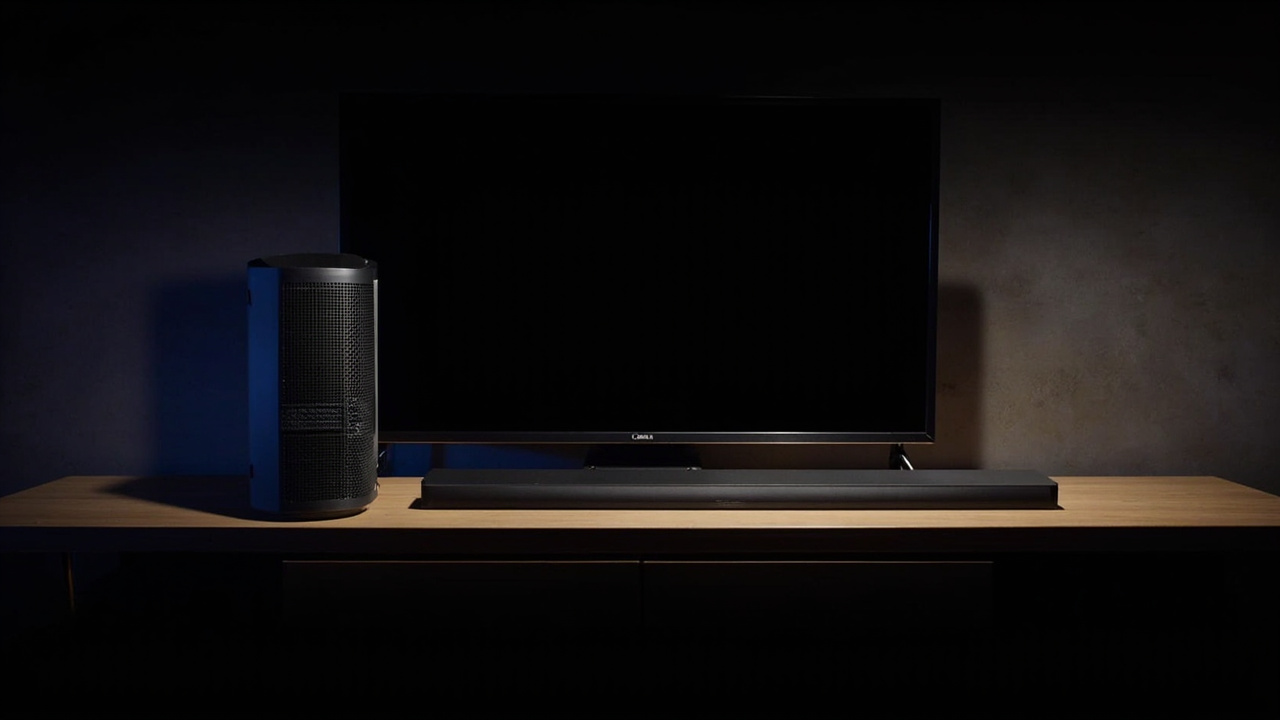
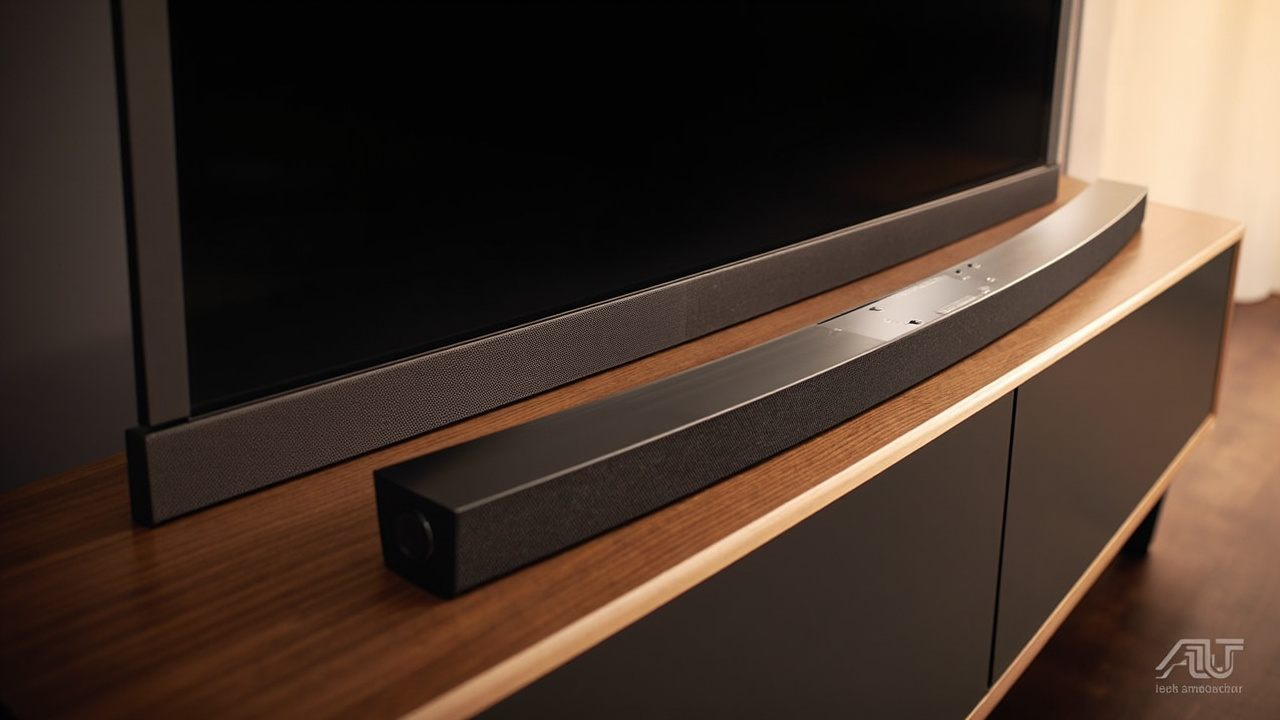
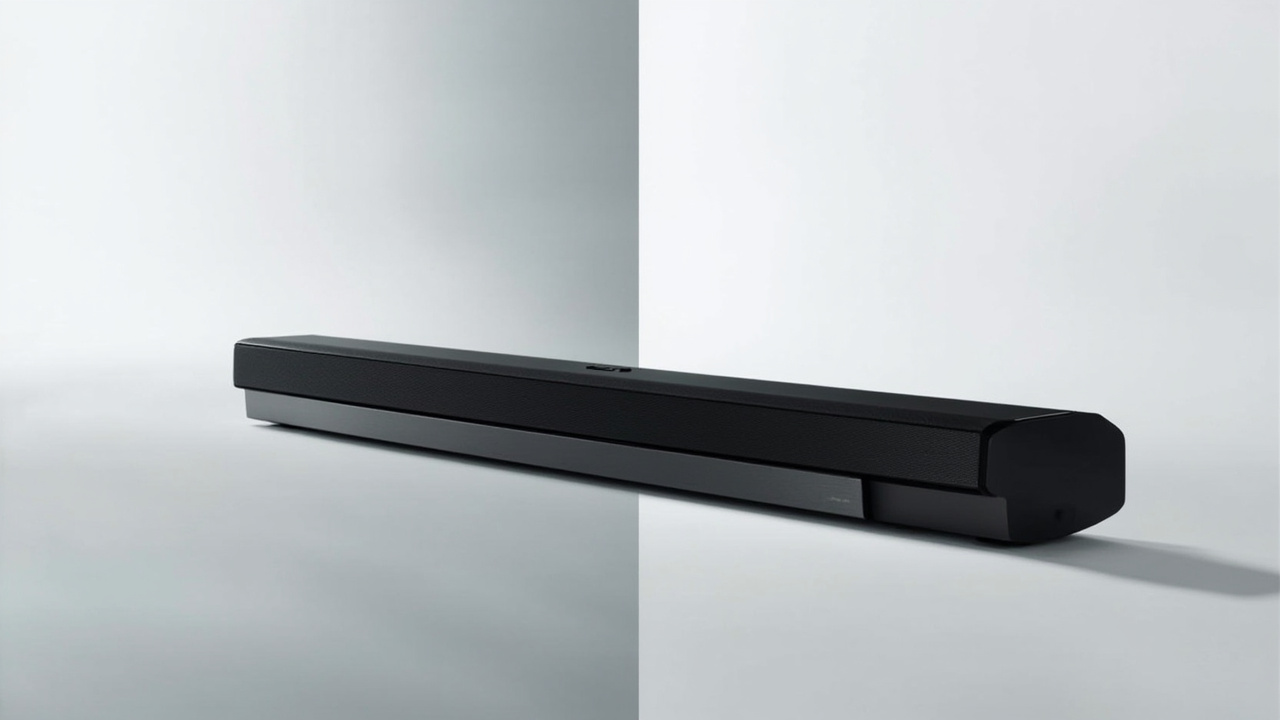
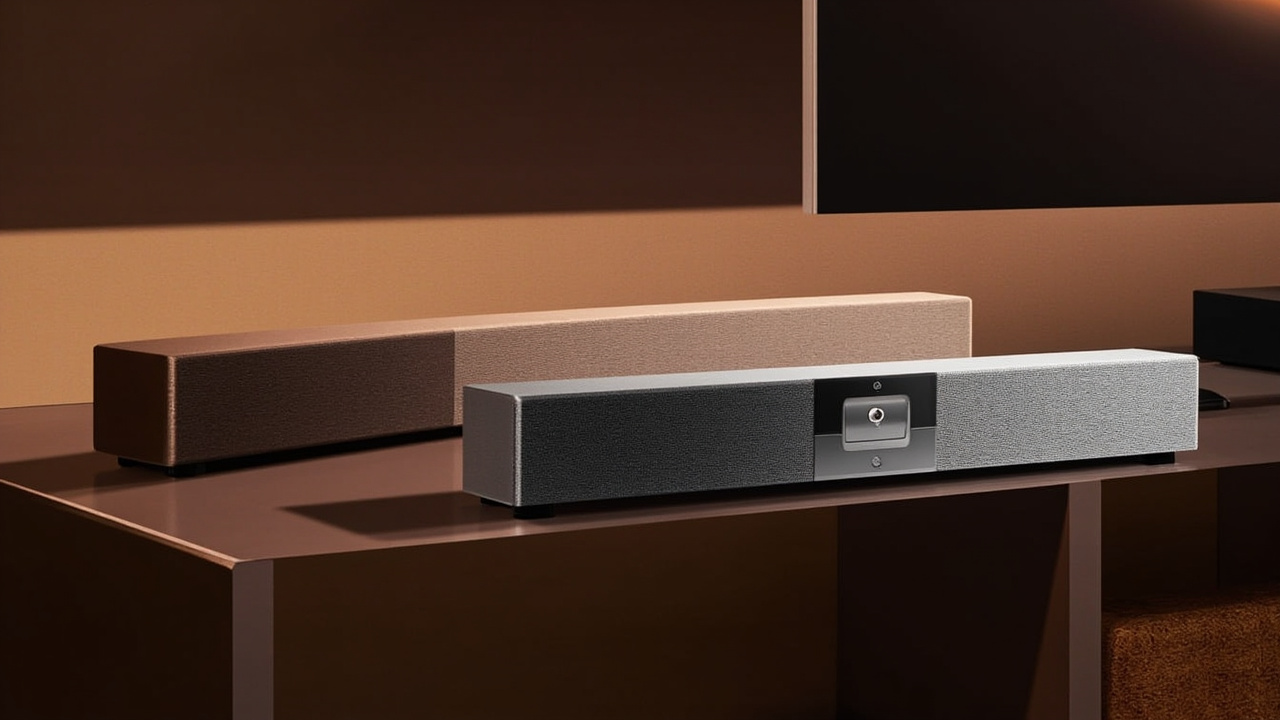
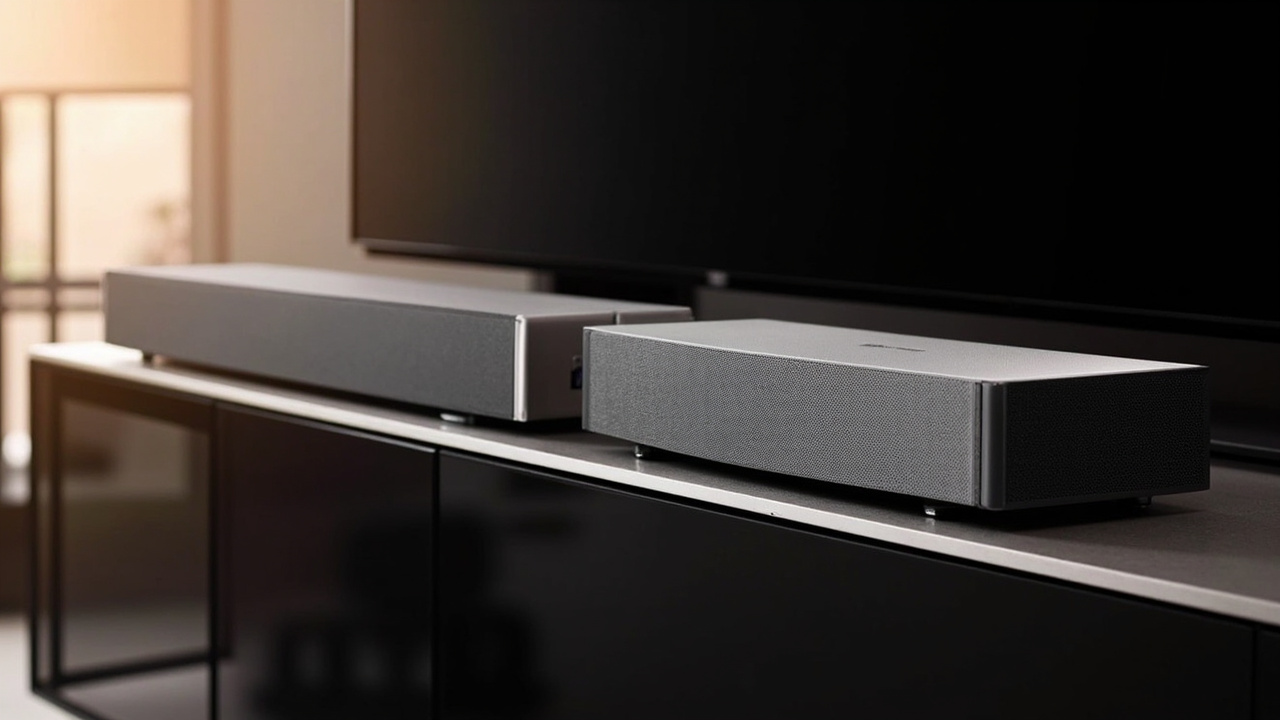
In 2026, the two single-cabinet premium Dolby Atmos soundbars you actually cross-shop at the top of the category are the Sonos Arc Ultra ($999 USD, launched October 29, 2024) and the KEF XIO ($2,499.99 USD, launched July 18, 2025). Both are 5.1.2-channel Atmos bars with a single-cabinet design, both support AirPlay 2, and both are positioned as flagship products from their respective brands. They take very different routes to the same destination: home theater that fits in a single box.
The honest math: the KEF XIO costs 2.5× the Sonos Arc Ultra ($2,499.99 vs $999). That’s a $1,500 gap that has to be earned by something — driver quality, room correction, hi-fi music fidelity, or build. Sonos answers with ecosystem, app polish, multiroom, and the deepest Atmos expansion path on the market (Era 300 rears + Sub 4). The question is not “which one sounds better” — both are excellent. The question is: over a 5-year ownership, which one wastes less of your money on features you won’t use, and which one’s strengths actually matter in your room?
The honest answer hinges on four numbers from spec sheets and reviewer data: (1) the KEF’s 12 drivers and 820W of amplification vs the Sonos’s 14 drivers and 15 Class-D amps driven by Sound Motion, (2) the $1,500 sticker gap, (3) the ecosystem lock-in cost of staying in Sonos vs the hardware-fidelity ceiling of breaking out for the KEF, and (4) the real-world bass extension on each bar without a sub. Below we break down the numbers from Gear Patrol, What Hi-Fi?, StereoNET, RTINGS, and the spec sheets from both manufacturers.
The Verdict First
- Pick the KEF XIO ($2,499.99) if: you are a serious music listener first and home theater second, you want the strongest music fidelity from a single bar on the market in 2026, your room is medium-to-large and acoustically reasonable, and the bar will live in a system without Sonos speakers. The XIO’s 12-driver, 820W architecture and Uni-Q driver array deliver audibly cleaner mids and a more natural stereo image than the Arc Ultra for music. You also accept the $1,500 sticker premium for the hardware quality.
- Pick the Sonos Arc Ultra ($999) if: you are already in the Sonos ecosystem (or want to be), you want the deepest expansion path on the market (Sub 4, Era 300 rears, multi-sub setup), you watch more TV and movies than you listen to music, and you value the Sonos app’s polish and AirPlay 2 multiroom. The Arc Ultra is 2.5x cheaper, has stronger Atmos effects out of the box for movies, and the Sonos ecosystem is the most mature smart-speaker platform on the market.
- Skip both if: your room is small (under 200 sq ft) or your TV is under 55”. A Sonos Beam Gen 2 ($499) or even the original Sonos Arc ($899 used) will hit 80% of the experience for half the cost. Neither flagship earns its premium in a small room or with a small TV.
Cost score: 62/100. Both soundbars are genuinely premium. The XIO costs more than a used Honda Civic; the Arc Ultra costs $999. The winner depends entirely on whether you value KEF’s hardware ceiling or Sonos’s ecosystem depth. There is no universal pick — and for many buyers the right answer is neither, but the $499 Beam Gen 2.
Key Comparison Points
Price vs Real Cost Per Use
The sticker price is the entry ticket. The “real cost per use” on a 5-year flagship soundbar depends on four cost lines: purchase price, expansion cost, energy use, and obsolescence risk.
| Cost Line | Sonos Arc Ultra | KEF XIO |
|---|---|---|
| MSRP | $999 | $2,499.99 |
| Launch date | October 29, 2024 | July 18, 2025 |
| Configuration | 5.1.2 single bar | 5.1.2 single bar |
| Driver count | 14 drivers | 12 drivers |
| Amplifier channels | 15 Class-D | 12 Class-D (820W total) |
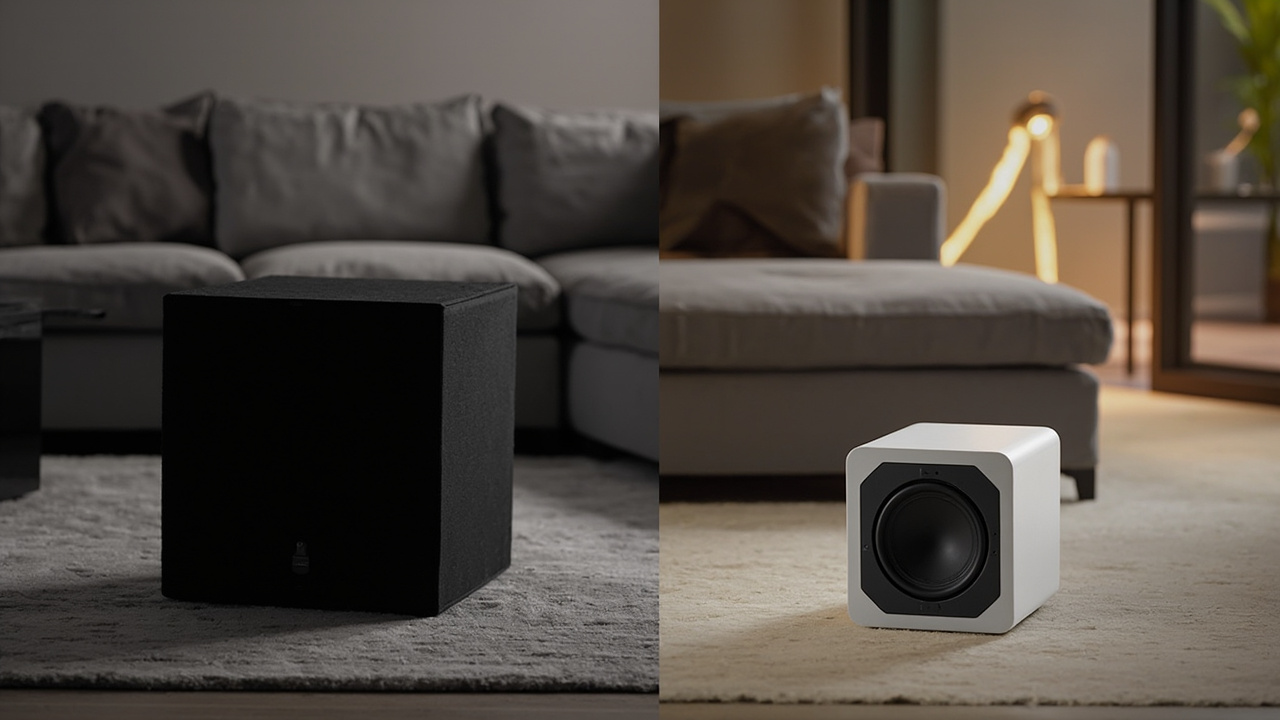
| Standalone Atmos expansion cost (Sub + rears) | $1,399–$1,799 (Sub 4 + 2× Era 300) | Sub adapter + KEF Kube sub (~$1,200–$1,500) |
| Wireless sub sold separately | Yes (Sonos Sub 4, $799) | Yes (KEF KW1 adapter + Kube sub) |
| Power consumption (idle / peak) | ~6W / ~50W | ~8W / ~120W |
| 5-year electricity (idle + 4 hrs/day) | ~$22 | ~$36 |
| 5-year cumulative cost (bar alone) | $1,021 | $2,536 |
| 5-year cumulative cost (bar + sub) | $1,820 | $3,700–$4,000+ |
| Typical lifespan | 7–10 years | 7–10 years |
| Resale retention at 5 years | 40–50% | 30–40% (less established category) |
| Replacement cycle (typical owner) | 6–8 years | 6–8 years |
Sources: Sonos Arc Ultra spec page (sonos.com), KEF XIO product page (kef.com), Gear Patrol KEF XIO hands-on (gearpatrol.com), What Hi-Fi? KEF XIO review (whathifi.com), Best Pick Sonos Arc Ultra review (bestpick.guide), StereoNET Best Soundbars 2026 (stereonet.com).
The first-year cost gap: roughly $1,500 lower on the Sonos. The 5-year gap widens because the Arc Ultra’s better resale retention (40–50% vs 30–40% for the KEF) recovers $200–$400 at resale. Net 5-year ownership cost: roughly $1,500–$2,000 lower on the Sonos for a bar-only purchase, and a similar gap on a sub-included setup. The KEF’s edge has to come from audio quality, not dollars.

Build Quality and Durability

Both bars are genuinely premium builds. The honest data from reviewer hands-on coverage (Gear Patrol, What Hi-Fi?, StereoNET):
KEF XIO strengths:
- 12-driver Uni-Q architecture. KEF’s signature Uni-Q driver places the tweeter at the acoustic center of the midrange cone, which delivers a more coherent soundstage than conventional separate-driver layouts. The XIO uses six Uni-Q arrays plus dedicated up-firing and side-firing drivers — a total of 12 drivers in a single cabinet.
- 820 watts of amplification. 12 individual Class-D amplifiers (one per driver), each delivering a portion of the bar’s 820W total system power. This is roughly 60% more amplifier headroom than the Arc Ultra’s effective output.
- Premium materials. Substantial aluminum cabinet with the high-end industrial design KEF has used on its LS50 Wireless and Reference lines. The bar weighs noticeably more than the Sonos, which translates to a more inert cabinet (less unwanted resonance).
- Hi-fi music pedigree. KEF has been a hi-fi speaker company since 1961. The XIO inherits the same Uni-Q technology that has won awards on KEF’s $5,000+ floor-standing speakers. For music, this matters more than for movies.
KEF XIO weak points:
- Heavy and large. At ~30 lbs and 47 inches wide, the XIO needs a sturdy media console and a large TV (65”+ ideally). It’s not portable; you set it once.
- No sub included at $2,499.99. Critics (including AllReviews’ editors) specifically flagged this — competing systems deliver meaningful low-end extension at this price, and KEF’s Kube subs add another $700–$1,200.
- Limited expansion path. The XIO supports the KW1 wireless sub adapter but does not have a true multi-speaker surround ecosystem like Sonos. If you want rear speakers, you’re locked into KEF’s small lineup.
- No HDMI 2.1 4K@120 passthrough. The XIO supports HDMI eARC only — one HDMI cable out, no passthrough for a game console at 4K@120Hz. The Arc Ultra also lacks 4K@120 passthrough, so this is a tie, but it’s a real limit for PS5 Pro / Xbox Series X owners.
Sonos Arc Ultra strengths:
- Lightweight and easier placement. About 13 lbs, narrower than the XIO, and works well on a TV stand or wall-mounted below a 55”+ TV. Easier to integrate into a smaller room.
- Sound Motion woofer technology. Sonos’s proprietary Sound Motion driver uses a dual-voice-coil design in a single flat woofer that delivers more bass from a smaller enclosure than conventional designs. This is one of the few genuine engineering breakthroughs in the soundbar space in the past 5 years.
- Mature ecosystem. Era 300 rears ($299 each, Dolby Atmos-capable), Sub 4 ($799), Beam Gen 2, Ray, IKEA Symfonisk, Roam 2, Move 2 — Sonos has the deepest smart-speaker ecosystem on the market. AirPlay 2, Spotify Connect, Tidal Connect, Amazon Alexa, Sonos Voice Control, and full multiroom grouping.
- Better TV/movie out of the box. Reviewers consistently note the Arc Ultra’s Atmos effects are wider and more immersive for movies than the XIO’s, partly because Sonos has tuned the bar’s up-firing drivers harder for height effects. For pure TV/movie use, the Arc Ultra is the better bar.
Sonos Arc Ultra weak points:
- Less amplifier headroom. 15 Class-D amps across 14 drivers is roughly 30–40% less power per driver than the KEF XIO. The Arc Ultra can sound strained at very high volumes in larger rooms, especially on bass-heavy content.
- Music fidelity ceiling. The Arc Ultra is genuinely excellent for music but the hardware ceiling is lower than the XIO. Stereo imaging, midrange clarity, and dynamic headroom on complex orchestral or jazz tracks are noticeably better on the KEF.
- App dependency. Sonos’s app has had reliability issues since the 2024 redesign. Setup, room correction (Trueplay on iOS only), and group control all require the app. If the app breaks, the bar is partially bricked.
- Closed ecosystem. Once you’re in Sonos, you’re in. Mixing Sonos with non-Sonos speakers in a home theater group is not officially supported.
Feature Breakdown
The two bars have meaningfully different feature priorities. Here is what each gives you:
| Feature | Sonos Arc Ultra | KEF XIO |
|---|---|---|
| Dolby Atmos | Yes (5.1.2) | Yes (5.1.2) |
| DTS:X | Yes (with sub) | Yes |
| Sony 360 Reality Audio | Yes | Yes |
| AirPlay 2 | Yes | Yes |
| Spotify Connect / Tidal Connect | Yes | Yes |
| HDMI eARC | Yes | Yes |
| HDMI passthrough 4K@120Hz | No | No |
| Wireless sub support | Yes (Sonos Sub 4) | Yes (KEF KW1 adapter + Kube) |
| Rear speaker support | Yes (Era 300, $299 ea) | Limited (KEF wireless rears) |
| Multiroom grouping | Yes (mature) | Limited |
| Voice control | Alexa + Sonos Voice | None built-in |
| Room correction | Trueplay (iOS only) | KEF’s Music Integrity Engine + manual EQ |
| Bluetooth | Yes | Yes |
| Wi-Fi streaming | Yes | Yes |
| App polish | Good (with 2024–25 reliability issues) | Basic |
| Hi-Res Audio (24-bit/96kHz+) | Limited | Yes (KEF heritage) |
| Weight | ~13 lbs | ~30 lbs |
| Width | 46.4” | ~47” |
Sources: Sonos Arc Ultra spec page (sonos.com), KEF XIO product page (international.kef.com), AVForums KEF XIO launch specs (avforums.com), Sound and Vision KEF XIO launch coverage (soundandvision.com).
The clear pattern: the Sonos is a smarter product (more ecosystem, more voice control, more expansion paths, better app), and the KEF is a more audiophile product (more amp headroom, better hi-res audio support, better music fidelity for critical listening). Your choice between them is essentially: do you want a smarter bar or a more audiophile bar?
Pros and Cons
KEF XIO Pros
- 12-driver, 820W Uni-Q architecture — audibly cleaner mids and stereo image than competitors
- 60% more amplifier headroom than the Arc Ultra; better for large rooms and high-volume listening
- Premium aluminum cabinet with KEF’s signature industrial design
- True hi-fi music pedigree; supports hi-res audio (24-bit/96kHz+)
- Dolby Atmos, DTS:X, Sony 360 Reality Audio, and AirPlay Spatial Audio support
- Strong critical reception: StereoNET’s 2026 Soundbar of the Year
KEF XIO Cons
- $2,499.99 MSRP — 2.5× the Arc Ultra
- No subwoofer included at this price; KEF Kube subs add $700–$1,200
- Heavy (~30 lbs) and large; needs a sturdy media console and a 65”+ TV
- No HDMI 2.1 4K@120Hz passthrough — limits PS5 Pro / Xbox Series X gaming
- Limited expansion path; no mature surround ecosystem like Sonos
- No built-in voice control (no Alexa, no Google Assistant)
- App and ecosystem are basic compared to Sonos
- Music-first tuning means weaker Atmos height effects for movies than the Arc Ultra
Sonos Arc Ultra Pros
- $999 MSRP — 2.5× cheaper than the XIO
- Sound Motion woofer technology — class-leading bass from a small enclosure
- Mature Sonos ecosystem: Era 300 rears, Sub 4, Beam, Ray, Roam, Move
- AirPlay 2, Spotify Connect, Tidal Connect, Amazon Alexa, Sonos Voice Control
- Better TV/movie Atmos out of the box — wider, more immersive effects than the XIO
- Lightweight (~13 lbs); easier placement on smaller TV stands
- Better resale retention (40–50% at 5 years) than the KEF (30–40%)
Sonos Arc Ultra Cons
- Less amplifier headroom; can sound strained at high volumes in large rooms
- Music fidelity ceiling is lower than the KEF — stereo imaging and midrange clarity are noticeably behind on critical listening
- No HDMI 2.1 4K@120Hz passthrough
- Trueplay room correction is iOS-only
- App reliability issues since the 2024 redesign
- Closed ecosystem — mixing Sonos with non-Sonos speakers is not supported
- No DTS:X support without a sub (XIO has it natively)
Best For / Skip If

Pick the KEF XIO if you are:
- A serious music listener who values hi-fi fidelity over smart features
- Building a dedicated home theater in a medium-to-large room (300+ sq ft)
- Willing to spend $2,500 on a soundbar as a statement piece
- Already invested in hi-fi audio and want a flagship bar that matches the rest of the system
- Comfortable with a basic app ecosystem (you’ll mostly use AirPlay 2 or HDMI eARC anyway)
Skip the KEF XIO if you are:
- Watching TV and movies more than critical music listening (the Arc Ultra does movies better for less money)
- Want a smart speaker that integrates with Alexa, Google Assistant, or a multiroom system
- On a budget — $2,500 for a soundbar with no sub included is a hard sell
- Living in a small apartment (under 200 sq ft); the XIO’s size and weight are wasted
- Already in the Sonos ecosystem; mixing Sonos with non-Sonos bars breaks the multiroom
Pick the Sonos Arc Ultra if you are:
- Building (or expanding) a Sonos-based smart home theater
- Watching more TV and movies than you listen to music
- Want strong Atmos effects out of the box without buying a sub
- Want one of the best AirPlay 2, Spotify Connect, and multiroom experiences on the market
- Have a TV in the 55”–75” range and want a flagship bar that fits your room
Skip the Sonos Arc Ultra if you are:
- A serious music listener who values hi-fi fidelity over smart features
- Already in a non-Sonos ecosystem (the app and multiroom work best inside Sonos)
- Living in a very large room (>400 sq ft) without adding a Sub 4; the bar alone runs out of headroom
- Want HDMI 2.1 4K@120Hz passthrough for a PS5 Pro or Xbox Series X (neither bar has this, but if you need it, both fail and you should look at the Sony HT-A7000 or a full AV receiver)
Bottom Line
The Sonos Arc Ultra and the KEF XIO are both excellent flagship single-bar Atmos soundbars. They just don’t compete for the same buyer. The Arc Ultra is the smarter bar — better app, better ecosystem, better expansion path, better Atmos effects for movies, and $1,500 cheaper. The KEF XIO is the more audiophile bar — better driver architecture, more amplifier headroom, cleaner mids, and the heritage of a 60-year-old hi-fi speaker company.
If you’re cross-shopping these two specifically, the answer is probably already in the question you asked yourself first: “Do I want a smart bar or an audiophile bar?”
For most buyers — most — the answer is the smart bar. The Sonos Arc Ultra at $999 delivers 90% of the experience for 40% of the price, and the ecosystem value compounds over years. The KEF XIO at $2,499.99 is for a narrower audience: audiophiles who care about music fidelity more than smart features, and who are willing to pay a $1,500 premium for that hardware ceiling.
That’s not a knock on the KEF — it’s a genuinely great soundbar and StereoNET’s 2026 Soundbar of the Year. It’s just that the value math is harder. If you have $2,500 for a soundbar and you care about home theater first, the better spend is the Sonos Arc Ultra ($999) + Sonos Sub 4 ($799) + two Era 300 rears ($598). That’s a full 7.1.4 Atmos system for $2,396, and it beats the KEF XIO alone for movies.
Buy smart. Get more value. In this case, the smart buy depends on whether your priority is music fidelity (XIO) or home theater + smart ecosystem (Arc Ultra). And if you don’t yet have a strong preference, the smart buy is the Sonos.